Over the last 30 years, Nintendo consoles have included some of the most influential JRPGs of the genre, with franchises like EarthBound, and Xenoblade Chronicles. Nintendo has had games spanning from tactical strategy, modern open-zone JRPGs, and even cult classics. Our editors ranked the 10 Nintendo JRPGs that through narrative ambition, gameplay mechanics, and cultural influences, have left a lasting impression in the genre for years.
This accumulated ranking for the decade was constructed using 3 criteria. The games had to be released on Nintendo as lead or exclusive titles, games must have mechanical depth that is considered modern to today's standards, and the games must have cultural influence that extends beyond Nintendo's first-party communities to other JRPG communities. Because of this, Xenoblade Chronicles 2 is the best ranked game as it exemplifies the open zone mechanic incredible contemporary capacity for JRPG on Nintendo consoles, while Fire Emblem: Three Houses is also ranked high for its superb advancement of tactical SRPG game design. Both Mother 3 and EarthBound also deserve to be in the top 5 as the Mother series have left a huge influence on JRPG narrative design on entire generations of game developers.
Mother 3 and Golden Sun are clear evidences that Nintendo handhelds are rich with history as JRPGs by showing us why the original Gameboy Advance library was so important and why the early 2000s Mobile console eras were a renaissance for the genre.
The three titles that exemplify strong narrative experiences on several underappreciated GameCube console games in the role-playing game category (RPGs) are Tales of Symphonia, Skies of Arcadia Legends, and Paper Mario: The Thousand-Year Door. Switch then consolidated everything: backward catalogue access through Online services, modern original releases like Octopath Traveler, and definitive Switch-exclusive releases including Three Houses and Xenoblade Chronicles 2. Regarding Nintendo JRPGs in 2026, the games detailed below are the best starting points across all platforms Nintendo has launched in the past 30 years.
How We Ranked the Best Nintendo JRPGs
A focused methodology assesses design strengths across three dimensions for Nintendo JRPGs. First is platform commitment. The best entries released as Nintendo exclusives at launch or had Nintendo systems as their lead platform during their first commercial window. Both Xenoblade Chronicles 2 and Fire Emblem: Three Houses are exclusive. The GameCube was the first platform before later ports for Symphonia and Paper Mario: The Thousand-Year Door. EarthBound initially released on SNES as the Mother 2 western localization and was Nintendo-exclusive for 20 years before the Wii U Virtual Console offered access.
Defining Nintendo JRPGs can be philosophical. Paper Mario: The Thousand-Year Door uses action-command turn-based combat and some critics argue it’s not JRPGs. Tales of Symphonia is an action-RPG which features the Linear Motion Battle System and does not include Final Fantasy menu-driven combat. Even though their combat may not be conventional, party dynamics, progression systems, and narrative scope encompass the JRPG framework. Skies of Arcadia Legends is a GameCube exclusive port. The original 2000 Dreamcast release was published by Sega, but the 2003 GameCube version with added content is the definitive edition and canonical version. These genre-bending titles emphasize contributions to the Nintendo platform over inflexible main series design.
For the third filter, the lasting cultural impact and mechanical depth are considered.
The job-class structure of Bravely Default II has captured a top 10 position in the list because it demonstrated that this style of RPG gaming can be successful on the new Switch portable system as it can pair easily and simply to a job/class based system style of RPG, and it can operate so easily with the portable system vs. other portable systems. The success of the Octopath Traveler game on the Switch paved the way for many more HD-2D style games to be produced by Square Enix. The Golden Sun game for the Game Boy Advance ranks in the GBA tier because the Camelot Software Studio Game Boy Advance Golden Sun game was one of the most sophisticated handheld JRPG games that was released as it built one of the most advanced handheld JRPG games with Djinn elemental customization that allowed for numerous unique party builds. The below games have been reviewed for pre 2026 modern playability standards. Games that hold up are ranked higher when they fall in the timeframe before remasters were widely available.
10. Skies of Arcadia Legends — GameCube Sky-Pirate JRPG (2003)
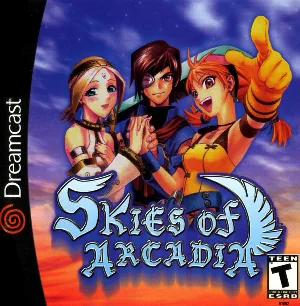
We place "Skies of Arcadia Legends" in the tenth position, since we believe that the GameCube definitive edition turned the underappreciated original Dreamcast title into one of the best JRPGs available on the platform. The release on Nintendo in 2003 justified the full platform-port treatment with the addition of quest optimization, new content, and exclusive Discoveries. Vyse, Aika, and Fina are airship captains of the Delphinus and traverse the floating continents of the sky. The ship to ship combat functions as a different layer of fully tactical combat, separate from the traditional ground party battles. Very few titles have been released with such a high level of polish across so many distinct combat systems, and the GameCube version remains the recommended size GameCube title by the editorial staff in 2026.
The Discovery system offers a reward for explorers of the hollowed sky regions of the world. The reputation gain and opening of tiers are lost to those who do not discover the landmarks with content located at the regions of the sky. The world offers a sense of the lived-in experience, because all of the floating continents have their own political factions, currency systems, and unique visual themes. Three console generations later, Skies of Arcadia Legends ships sky-pirate adventure with the kindness and earnestness rarely seen in modern JRPGs, and the GameCube exclusive content makes the title the experience the Nintendo version.
9. Golden Sun — GBA Handheld Milestone (2001)
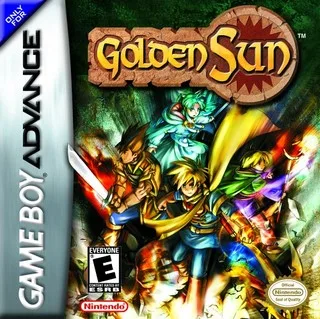
Golden Sun sits at ninth place for the simple fact that Camelot Software created one of the most ambitious handheld JRPGs ever created. It was a launch title for the Game Boy Advance and introduced a new system that revolves around elemental sprites. These Djinn are attached to characters, and give them combat abilities and stat boosts. Additionally, when summoned, they can unleash devastating summoning attacks. Each player can combine Djinn each game, leading to hundreds of possible configurations across the four-character party. Each party combination feels completely different for combat. This was the peak of progression for handheld consoles in 2001. This comprehensive ranking reflects editorial standards in 2026.
Dungeon design and puzzles used Psynergy, which had players interacting with the environment. Psynergy anticipated Zelda but for JRPGs and made Camelot stand out. Players would move boulders, melt ice, and climb vines to progress through the dungeon in a way that felt different from random battles. Camelot built a sequel — The Lost Age — that finished the original's story and The Lost Age and Golden Sun together stand as one of the greatest JRPGs on the GBA and handhelds.
8. Bravely Default II — Switch Job-Class Revival (2021)
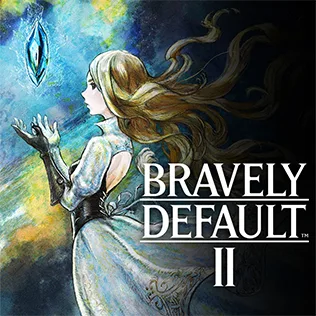
Bravely Default II deserves the 8th spot because the classical job-class JRPG format works on Switch with the help of Square Enix and Claytechworks. The 2021 release continued building upon job-mastery in the Bravely series by introducing twenty four jobs each offering meaningful progression rewards through mastery of skill trees and second job sub class assignments. Combat adds layers to the Brave and Default mechanics and provides tactical decision space that rewards players who understand the system as you can bank turns and front load damage output.
Adelle, Seth, Elvis, and Gloria can form endless combinations of party builds as players unlock new jobs in the campaign. Late game boss encounters require players to thoughtfully combine certain job pairings — Spiritmaster with Salve-Maker and Vanguard with Berserker. The system rewards these jobs through encourage telegraphed combinations with unique party dialogue and design. Bravely Default II is the new gold standard for traditional turn-based JRPGs with Switch hybrid handheld support. This comprehensive ranking reflects editorial standards in 2026.
7. Octopath Traveler — HD-2D Switch Originator (2018)
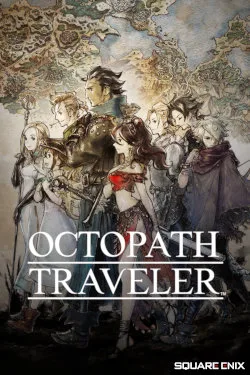
Octopath Traveler is placed seventh since the original Switch title from 2018 pioneered the HD-2D visual style, which Square Enix has used for several JRPGs. In each chapter of the game, players experience different narratives from the eight main characters. Each story develops separately, but they come together as players form a party. Each character's story offers different "Path Actions" that control access to different areas of the world. Some examples of these actions are: NPCs can be challenged to duels by Olberic, Cyrus can engage in combat and ask for lore, Tressa can buy items from a store, and Therion can pickpocket some townsfolk. These Path Actions result in more depth in the world than any other game in the genre. This comprehensive ranking reflects editorial standards in 2026.
Break and Boost is the combat system used in the game. Weaknesses based on elements and weapons can be exploited to earn Boost Points which lets players deal more attacks. Players can change the primary class of each character by using a Shrine unlock, allowing for more customization within each party of the hundreds of potential combinations. The depth of field pixel art style was used in Live A Live, Triangle Strategy games, and Octopath Traveler 2, proving that Square Enix will keep using the style for as long as it can for the Switch.
6. Tales of Symphonia — GameCube Lead-Platform Action JRPG (2003)
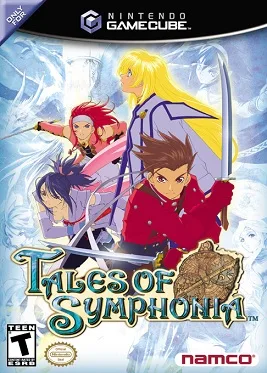
Tales of Symphonia earns 6th place because the GameCube version was the first console for Namco Tales Studio's flagship title of the decade. The Linear Motion Battle System made the franchise's real-time combat move to 3D and for the first time fully control the AI of party members, use plane-based combat, and perform chained combos that felt more like action games than turn-based combat JRPGs. Lloyd Irving and his quest to restore mana balance between the worlds of Sylvarant and Tethe'alla created an impressive 50 hour campaign with a major mid-game twist that changed the perspective of the opening act.
Skit convos, where players control characters to travel to different locations, added meaningful character development beyond the cutscenes of the main narrative. The combat party of seven characters, which included Genis, Raine, and Colette, had distinct roles, specialized in magic, and had their own narratives that intertwined in various optional events. The franchise's 3D combat mechanics can be traced back to the GameCube version of the title even though later versions on PS2 in Japan, PS3 Chronicles compilation, then PC, and Switch ports made it more accessible. It's a fact that Tales of Symphonia is the best JRPG on Nintendo in 2003 guaranteed. This comprehensive ranking reflects editorial standards in 2026.
5. Mother 3 — GBA Cult-Classic Swan Song (2006)
Mother 3 takes fifth place mainly because it is one of the most narratively challenging JRPGs in the Mother trilogy. The game employs innovative, and sometimes risky, narrative design that helped settle the JRPG genre on the Nintendo handhelds. This April 2006 Game Boy Advance game (now considered a classic) is a Japan-exclusive title and follows the character Lukas in a village that has been transformed by industrialization. The game has episodic chapters and the combat system encourages players to act quickly (otherwise they suffer a lot of damage) because they play with a rolling HP gauge. Furthermore, the game uses the Sound Battle system where a player must act in time with the music to score more “hits” on the enemy outside of the traditional turn-based combat system that characterized this era of JRPG’s.
The level of maturity when dealing with grief, the destruction of the environment, and control of corporations is often lacking in the narrative to the JRPG genre. Although Mother 3 never officially reached the West, it's themes of loss, the Pigmask iconography, and Shogo Sakai's soundtrack, have all left a lasting impact on the narrative-driven JRPG genre. The Mother 3 title greatly achieved what the Game Boy Advance (GBA) handheld device) was capable of achieving in the JRPG genre. This comprehensive ranking reflects editorial standards in 2026.
4. Paper Mario: The Thousand-Year Door — Turn-Based Mario Peak (2004)
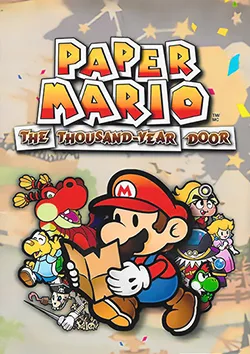
The fourth spot goes to Paper Mario: The Thousand-Year Door, which created the definitive Paper Mario action-command turn-based experience on the GameCube back in 2004. The 2024 Switch port has new graphics, sounds, and other quality-of-life improvements, but keeps the same combat system, partners, and world travel chapters. Action-command systems mean that instead of just selecting an option in a turn, you have to do a real-time skill check and button master during a defense and attack animation. If you are paying attention you will succeed, but if you aren’t you will fail.
Mario has to go through eight different chapters which includes traveling through the port town of Rogueport, wrestling rings, and ghost forests while on a train with the ghosts. There is even an audience combat arena where the audience can affect the damage of your attacks. Each chapter gives you a new partner, and they are Goombella the researcher, Koops the cowardly Koopa, speedy Yoshi, and Vivian the Shadow Sister. The 2024 Switch remake brought the original experience of the GameCube to modern players, making Paper Mario: The Thousand-Year Door the best in the series, which is something none of the newer entries have been able to do. This comprehensive ranking, curated in 2026, covers the genre's most influential entries.
3. EarthBound — Mother 2 SNES Cult Milestone (1995)
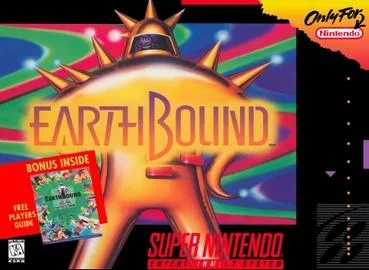
EarthBound, released for the SNES in 1995, has solidified its place as an iconic cult-classic JRPG. Using a modern-day suburban twist, Shigesato Itoi's game features characters named Ness, Paula, Jeff, and Poo, and follows them as they travel through an imaginative version of the United States called Eagleland. Fights are not about swords and fantasy magic, but rather, comprise everyday items, baseball bats, and psychic powers. Mother 3 Rolling HP system spawned from EarthBound's battle system which includes the ability to win a battle despite receiving a lethal blow due to the gradual ticking down of HP. This system was first introduced in EarthBound.
Initially, EarthBound received disappointing sales in North America which is hard to believe considering the mass influence it has left on JRPGs with its funky narrative and psychologic twists during the later parts of the game. Subsequently, it was released on the Wii U Virtual Console in 2013 and then on the Switch Online catalog after Nintendo impressed gamers with their commitment to housing EarthBound in the library of easily accessible JRPGs on the Switch. Indie RPG developers have used elements from the game such as the soundtrack by Keiichi Suzuki and Hirokazu Tanaka in addition to the psychological turns in the end and the warm narrative to inspire many influences. The SNES version is considered the definitive one. This comprehensive ranking, curated in 2026, covers the genre's most influential entries.
2. Fire Emblem: Three Houses — Switch Exclusive Tactical Peak (2019)
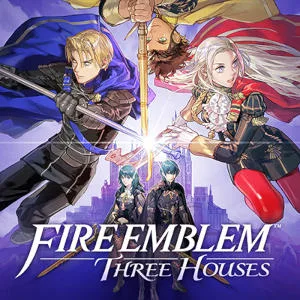
Fire Emblem: Three Houses sits in second place, due to the fact that it's 2019 release for the Nintendo Switch, offers a new take on the tactical roleplaying game (tSRPG) genre by combining elements found in other games. With the use of a school/faculty building system and traditional Fire Emblem chapter based gameplay, the game creates an interesting calendar system that allows for the player to Teach classes, Mentor students, and build support relations. In addition, the player must choose which of the 3 houses (Black Eagles, Golden Deer, or Blue Lions) to lead through a campaign that has 4 acts and each act has like a 60hr playtime and very likely a different ending than other houses after a significant time jump. 60hrs is a significant amount of hours, but time spent on each house route is offset and balanced with the unique narratives). This comprehensive ranking reflects editorial standards in 2026.
The combat in the game has Fire Emblem's traditional weapon triangle, terrain modifiers, and reclassing mechanics. In addition to that, it introduces new combat arts and battalion formations. This allows the player to expand their character build customization even further, though class progression is where the hybrid builds shine the most (ex. a sword Mage, a Knight Mage on horseback, or an Armored unit with a bow). Each character is able to master a large amount of class and the variety is outstanding. The Cindered Shadows DLC added a complete 4th house and new characters, a new story, and new recruitment options. Because of this, Fire Emblem is the flagship of Nintendo's tactical JRPG franchise and proved that the academy hybrid system could support and sustain a 200hr gameplay without any filler or wasted time.
1. Xenoblade Chronicles 2 — Definitive Switch JRPG (2017)
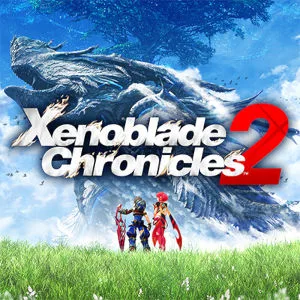
Xenoblade Chronicles 2 is best in the series because Monolith Soft created the best JRPG on the Switch during the console's launch window, having an open-zone world that no other Nintendo JRPG can compete with. The 2017 title follows Rex and the Aegis Blade Pyra, traversing the cloud-covered world of Alrest where enormous Titans act as living continents that host whole civilizations on their backs. The Driver-Blade combat system assigns each protagonist one or more Blade. Each Blade has unique combat roles and elemental classes determining their weapon type and contributing to chain attacks in different ways. This comprehensive ranking, curated in 2026, covers the genre's most influential entries.
The Blade summoning system (gacha) adds all the collection depth to allow dozens of builds, fostering unique party combinations throughout the entire campaign. Rare Blades can drive build experimentation even through an 80 hour main story + post-game expansion arc. Boss fights adjust to player optimization. There is more than 100 hours of content to polish and master Driver Combos, Blade Combos, Chain Attacks, and Fusion Combos. The 2018 Torna: The Golden Country expansion added a complete prequel campaign with new combat systems that streamlined and expanded on the world’s mythos.
Open-zone JRPGs have never been accessible on a handheld device until the Switch. Monolith Soft’s commitment to the Xenoblade series has defined the series as the best JRPG for the Nintendo Switch, with the 2020 Definitive Edition of the original and the 2022 Xenoblade Chronicles 3 follow-up.
Xenoblade Chronicles 2 is the Nintendo JRPG of the modern era and is a game all JRPG fans crossing the console should be playing.
Honorable Mentions and Where to Start
While several Nintendo JRPGs received some semblance of recognition, they ultimately did not receive a deserving recognition. Chrono Trigger DS must be noted for its 2008 DS port and the two new endings, an animated cutscene library, and overall improvements that made one of the classic Square Enix titles accessible to a new generation and the Nintendo handeld. Pokemon Legends Arceus must also be mentioned for the 2022 Switch title that, for the first time, broke the main series Pokemon formula by introducing semi-open-zone exploration along with real-time mechanics for the capture of Pokemon. During the 3DS era of the franchise, Nintendo handheld owners received exclusive Persona content in the form of the Etrian Odyssey crossovers, Persona Q and Persona Q2. HD-2D visuals in 2022 allowed the previously 1994 released Live a Live, one of Square's JRPGs, to become accessible to the Western audience for the first time with its 7 protagonist anthology.
In 2026, those who are new to Nintendo JRPGs may want to begin with Xenoblade Chronicles 2 for a more modern open-zone experience or Fire Emblem: Three Houses if you prefer tactical SRPGs with greater depth. For those wanting to experience a slice of video game history, EarthBound through Switch Online is a must. For those looking for the original HD-2D experience on the Switch, Octopath Traveler is a must. Classical job class based JRPG's will find their need met in Bravely Default II. The most accessible library for active Nintendo Switch JRPG exploration in 2026 will be the Switch library. Combined with the Online service backwards catalog access to NES, SNES, GBA, and N64 JRPG's, the library will provide many of the genre's foundational releases along with the deeply buried active JRPG's that the Switch library offers.
From the Nintendo legacy of JRPGs, we can find the defining beginnings of each of the 30 years of platform history in the canonical entries above in every console and handheld device.
This comprehensive ranking reflects editorial standards in 2026.