
Romantic storylines show up in JRPGs in two ways; either they're included, created, and told by the author of the game as part of the plot, or the author provides you with opportunities to determine the romance(s) you wish to pursue/look for based on the available choices at that time. Each of these categories has provided games with some of the most outstanding emotional moments that players have ever experienced. The purpose of this article is to separate these two areas. The first half of this article will discuss games that have romance written in as part of the plot of the game as intended by the author, and provide players with a chance to see what the author developed and created. The second half of this article will provide games with a dedicated system(s) for establishing romantic relationships, and players can use their individual choice(s) to develop into a romantic relationship with whomever they desire to pursue or establish with.
The following games can be considered when looking for a romance that's part of, or essential in, the plot of the game. The games in this section don't provide you with options to choose who you would like to have a romance with in the game; they're written into the plot. Their success or failure depends on how well these character romances are developed and produced in the game. The games included in this section of the article are representative examples of the very few JRPGs where a romantic story is the primary reason to continue playing the game.
For platform-specific JRPG guides, see PS5, Switch, Steam, Xbox, PS4, PS2, PS1, SNES, PSP, GBA, DS, 3DS, and Vita. The JRPG tier list ranks games cross-platform, and the best RPGs of all time covers the genre's peaks.
Great Love Stories
The Final Fantasy franchise is by far the most prolific franchise to have created multiple romantic relationships in their games. All "main" numbered Final Fantasy titles from the 1st to the 15th entry in the series include at least one significant romance within the game; therefore, there are many different types of romances in the franchise and many different types of love stories that have been produced in the franchise. The first three Final Fantasy titles that are included in the "main" numbered franchise entries can all be considered to have some of the most notable or iconic romance-driven love stories in the history of gaming.
Final Fantasy Series
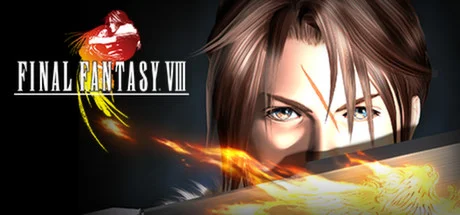
Final Fantasy VIII is the most romance focused "main" in the Final Fantasy series. The story's primary driving force isn't Squall's and Rinoa's romance; it's the romance itself. Although they eventually become a couple and have shared moments of passion filled with tension and vulnerability, the mechanics through which this happens provide a significant portion of the tension between them. Because Squall, at first, is reluctant to open himself up to the possibilities of vulnerability and intimacy, much of the focus of the game is on his internal struggles with these themes until he finally succeeds in overcoming them. The relationship develops primarily through smaller moments rather than the ballroom dance; for instance, the differences in Squall's internal monologue about Rinoa (e.g. either disinterest in or protection of her) illustrate his gradual progression towards a state of vulnerability and intimacy. When Squall decides to propel himself into the cosmos to rescue Rinoa from imminent death, it isn't a preplanned plot point, rather it's a culmination of the events that transpired before that moment (i.e. the inevitability of just being who he really is). The final sequence (i.e. Squall searching for Rinoa in time compression) represents one of the most powerful and poignant conclusions of any JRPG because of the extensive development that has occurred throughout the game.
Final Fantasy VIII

Final Fantasy VIII is the most romance focused "main" in the Final Fantasy series. The story's primary driving force isn't Squall's and Rinoa's romance; it's the romance itself. Although they eventually become a couple and have shared moments of passion filled with tension and vulnerability, the mechanics through which this happens provide a significant portion of the tension between them. Because Squall, at first, is reluctant to open himself up to the possibilities of vulnerability and intimacy, much of the focus of the game is on his internal struggles with these themes until he finally succeeds in overcoming them. The relationship develops primarily through smaller moments rather than the ballroom dance; for instance, the differences in Squall's internal monologue about Rinoa (e.g. either disinterest in or protection of her) illustrate his gradual progression towards a state of vulnerability and intimacy. When Squall decides to propel himself into the cosmos to rescue Rinoa from imminent death, it isn't a preplanned plot point, rather it's a culmination of the events that transpired before that moment (i.e. the inevitability of just being who he really is). The final sequence (i.e. Squall searching for Rinoa in time compression) represents one of the most powerful and poignant conclusions of any JRPG because of the extensive development that has occurred throughout the game.
Final Fantasy X
Unlike Zidane and Garnet's love story, which takes a much lighter route, Yuna and Tidus' love story takes a very serious route. Zidane and Garnet are brought together by adventure rather than by tragedy. Stolen moments on an airship, arguing over duty vs freedom, and both character's stubbornness turn into respect for one another throughout the course of the game. Zidane represents an anomaly among JRPG protagonists because he is emotionally available to the player throughout the course of the game, which shifts the romantic tension between the two characters more toward Garnet, who must determine whether to follow her heart (Zidane) or her duty (to Alexandria). The game also allows Garnet's character arc to develop to a point where the ultimate decision she makes (to follow her heart) feels true to her, and not just an obligation to the player. That concert on stage is one of the most delightful moments of any video game to date. After so much time spent on themes of life and death and identity, there's something so heartwarming about Garnet running through the crowd to reach Zidane that no elaborate cutscene can replicate the power of this moment. The other love story between Steiner and Beatrix adds another layer of warmth and FFIX ultimately ends up being the most emotionally generous game in the series as a result.
Final Fantasy IX
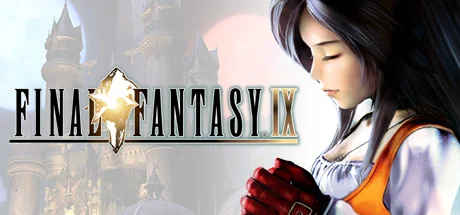
Zidane and Garnet's romance in Final Fantasy IX takes a lighter approach than VIII or X, and that lightness is what makes it work so well. Their relationship develops through adventure rather than tragedy — stolen moments on an airship, arguments about duty versus freedom, and a shared stubbornness that gradually becomes mutual respect. Zidane is one of the rare JRPG protagonists who is emotionally open from the start, which shifts the romantic tension entirely to Garnet's side. She has to decide whether to follow her heart or her obligations to Alexandria, and the game gives her enough room to make that choice feel real rather than scripted. The ending reunion on the stage is one of the purest feel-good moments in the franchise. After a story filled with loss and questions about mortality, the image of Garnet pushing through the crowd to reach Zidane is more powerful than any elaborate cutscene could have been. The side romance between Steiner and Beatrix adds warmth that makes FFIX the most emotionally generous entry in the series.
Lunar: Silver Star Harmony
Lunar is one of the first JRPGs to use its entire narrative as a love story, as well as being one of the best. Alex and Luna's relationship is built in their home town of Burg and develops throughout Alex's journey from an aspiring adventurer to a Dragonmaster. Their relationship is so compelling because it develops very organically — they grew up together, care for each other before the story begins, and the story represents how strong their bond is through all of the extraordinary things they encounter along the way. The best versions of the game to play are the original PS1 or the re-released PSP edition, both which feature voice acting and cutscenes that attribute proper emotional weight to each beat of the game. Luna transformed into the goddess Althena created real tension in the story because you feel the distance between the characters, who began their adventure side by side. When the time comes for Alex to play Luna's song to bring her back, you feel as though you have earned that moment through hours of gradual relationship development that most modern RPGs trade in for big dramatic confessions. Lunar's story proves that the simplest story of love between two people fighting to remain together often makes for the strongest romance story.
The Legend of Heroes Trails in the Sky
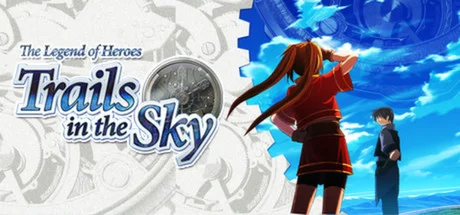
Trails in the Sky FC and SC have created one of the longest romantic slow burns in JRPG history. Estelle and Joshua spend nearly all of FC traipsing around Liberl as bracers, helping people and developing their relationship very gradually to where the majority of players have no idea how invested they're in their relationship until the last moments of the game. When Joshua leaves at the end of FC, it's heartbreaking because the game has spent 40 hours making their relationship feel like an ordinary partnership, only to pull the rug out from under them. SC follows Estelle as she attempts to search for Joshua, and their reunion is the most well-known scene in the entire Trails series. What makes this romance so successful is that Falcom treats it like their world building — with patience. Every small conversation, every meal shared, every argument adds up to create an environment that feels like a couple that has been together for years, not scripted. The 80 hours of gameplay required to see this entire story arc isn't a negative but a positive. No one else has given their players as much of a payoff for a romance story in a JRPG as Falcom does.
Xenogears
The love story of Fei and Elly in Xenogears spans many lifetimes. The game indicates that in every lifetime of their existence on earth, their souls have also been reincarnated repeatedly throughout the course of time. Fei and Elly's souls have been primarily reincarnated together for thousands of years, and each time, their existence results in tragedy. Because of their long history together, the story of Fei and Elly's romance becomes a story of cosmic significance — each moment shared together builds upon the burden of pain incurred from all of the lives they have shared prior to the present waiting for them both to realize that they're one another's true soul mates. These two characters have also been interwoven into the greater story of Xenogears, including its themes of identity, religion, and consciousness; therefore, it's clear that throughout the game, the relationship between Fei and Elly is physically connected to the central philosophy of the game. Elly's sacrifice in Solaris while trying to save Fei (which was ultimately futile) is connected to Fei's transformation into Id as a result of the spiritual connection that they have to one another. Plus, in the story, the connection between Fei and Elly serves as the catalyst for changing both the world and the Universe as we know it in the future. Although there are some limitations in the execution of Xenogears as an overall video game, the love story between Fei and Elly is perhaps one of the largest narratives of any form of video media. The story poses the question as to whether true love can exist without the existence of corporeal form, or the existence of memory, or whether true love transcends all forms of time, space and all forms of identity. The conclusion reached by the author is initially unsatisfactory, however; ultimately, the execution of the story, despite its flaws, was enough to encourage me to play the game a second time. I played Xenogears twice because of how patient I was willing to be as well as the great reward obtained from the romance in comparison to what most role-playing games offer to their players.
13 Sentinels: Aegis Rim
Vanillaware's 13 Sentinels has taken a completely different approach to the concept of romance. In contrast to Fei and Elly who share one love story, 13 Sentinels contains thirteen distinctive love stories (one for each protagonist) that occur at different points in time; therefore, this game has fourteen love stories in total; each is represented in the themes of science fiction and have various degrees of unexpectedness. Therefore, the game creates additional romantic tension through its use of non-linear gameplay by providing a romantic relationship through several timelines - creating romantic tension that could never exist if it were a typical linear narrative. The narrative of 13 Sentinels has multiple romantic stories between the protagonists, some of which are tragic and some of which are hopeful, but all of the love stories are complicated by the time-travel mechanics of the game. 13 Sentinels doesn't treat any romantic subplot as if it's a secondary plot and instead gives every romantic subplot the same attention as the main plot. The game's art direction gives each emotional moment the visual weight and importance it deserves, and because of the way the narrative is structured as a mystery, in order to fully understand the scope of each romance, you have to piece together the clues from multiple playthroughs.
Pandora's Tower
The entire gameplay loop of Pandora's Tower revolves around a romantic relationship. The relationship between Elena and Aeron has a direct impact on the way you play and experience the game because Elena has been cursed and Aeron must descend into dangerous towers to retrieve the flesh of monsters in order to stop her transformation. The situation is quite intense, as you can see that every second spent exploring is taking away from the amount of time Elena has left before she is unable to return. The timer is consistently a source of tension throughout the experience, as it generally makes you feel compelled to fight for the relationship instead of passively observe it. To track how close you're to Elena, there's an affinity system for you to give gifts to Elena, communicate with Elena, and return to Elena without any delay. Your actions and the decisions that you make throughout the game will affect the ending that you receive as well as the strength of the bond you have with Elena. The game's design choice makes the romantic relationship feel like something that players build and create, rather than something that they just sit back and watch two characters fall in love. The Last Story by Hironobu Sakaguchi tells a romantic story featuring the heroine Calista and her hero Zael in a way reminiscent of the spirit found within the Prince’s Tale stories from earlier Final Fantasy titles. At the start of this story, Zael is a mercenary with dreams of becoming a true knight, while Calista is a noblewoman with political obligations keeping her from being able to be with the man she deeply loves. Their relationship develops through stolen moments of conversation and quiet intimacy whenever they can find time out of battle. The game makes you root for them even though as far as the setup is concerned, you will see it all coming. It does so by also developing the relationships within the supporting cast of mercenaries that travel with Zael throughout the campaign. The fact that the game is shorter than the average JRPG also works in favor of the romance that's developed between Calista and Zael — there's no filler to get in the way of their emotional connection as all of their scenes together count.
The Last Story
The romance of Zael and Calista is reminiscent of fairy-tale romances that were found in the previous Final Fantasy titles in that it's an outgrowth of Zael being a mercenary with dreams of becoming a knight and Calista being a noblewoman who is bound to her political obligations that she never wanted to begin with. Their romance is developed through stolen conversations and moments of silence "between" battles and the game develops their relationship sufficiently enough so that you root for them even if you know exactly what is going to happen. The above-mentioned elements have elevated the romance of The Last Story above its more familiar or generic basis primarily due to the supporting cast of characters; the other mercenaries in Zael's party each have their own individual romantic subplots that add humour and texture to Zael and Calista's main storyline of romance. The manner in which Dagran's loyalty, Syrenne's drunkenness and Lowell's flirting with some of the women in their party provide a credible and realistic environment in which Zael and Calista's romance can function, the final romance in the game differs from the standard JRPG formulas because the game length is shorter than most in the JRPG genre at approximately 20 hours, and it does work in the favour of the Zael and Calista romance by not having any unnecessary scenes that would dilute the emotional beats of their romance. The limitation of the Wii's graphical capabilities impacted negatively on the game's presentation, however the character animation that took place during the major romantic scenes was much more expressively animated than most HD games that could use ten times the number of polygons.
Xenoblade Chronicles 3
The relationship between Noah and Mio in Xenoblade Chronicles 3 has less to do with romance and more to do with the idea of mortality and how that affects their interactions on an emotional level. For both Noah and Mio are aware that they only have ten terms to live (about 10 years, divided into two 5-year groups), and this informational piece will change the way they behave towards one another in every instance. In addition to that, the flute duets they perform for each other serve as an emotional thread connecting the two characters far more than any amount of written dialogue could achieve. Their romance in the game continually develops for the first three chapters and then develops at a much quicker pace through the final chapters because of the different pieces of information you're given about each character as you progress through the campaign. The relational experience throughout the latter half of the game is characterized by Mio's acceptance of her limited lifespan and Noah's inability to relinquish that acceptance. In addition, the off-seer send-off scenes set an emotionally impactful tone that's reflective of similar scenes throughout the Xenoblade series because of the time put into ensuring that players have an emotional investment in both characters attempting to find some source of permanence despite a world that has been created to deny that from them.
NieR: Automata
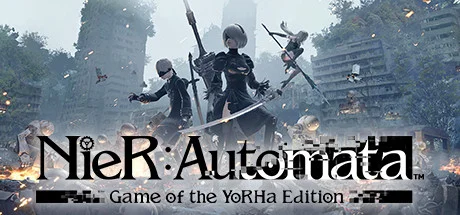
While not representative of a traditional romance in the same manner as other games, 2B and 9S's relationship in NieR: Automata is probably one of the more emotionally complex relationships in all of modern gaming. Throughout the multiple play-throughs available in NieR: Automata the bond between 2B and 9S will take many different shapes through the different routes taken by the player when they choose to replay the game. Initially established as a simplistic partnership during combat within Route A, the complexities of the relationship begin unfolding at Route B and, by the conclusion of Route C, the emotional stakes have increased exponentially. The structure of NieR: Automata’s story serves to represent the layered approach to emotional growth of relationships through the experience and exploration of the same events of the game through different perspectives provides a greater depth to the emotional connection felt between two people while uncovering layers of their connection otherwise hidden to the player in previous play-throughs. By shaping 2B’s stoicism through curiosity and 9S’s from professional partnership to an emotional bond, Yoko Taro’s deliberate refusal to label the relationship is what ultimately gives the relationship its emotional weight. The bond between the two is defined not by whether it's love, loyalty, or just programming, but rather through the sacrifices each are willing to make for one another. NieR: Automata's finale ultimately creates an event with meaningful consequences due to the final sacrifices made by both characters for one another.
Valkyria Chronicles
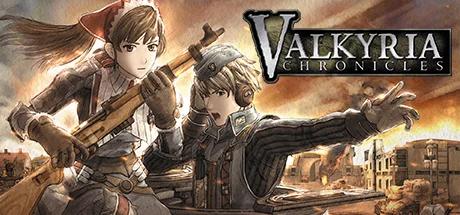
The development of Welkin and Alicia's romance within Valkyria Chronicles is developed against the narrative backdrop of a World War II-based war. Their romance develops from an awkwardness of an officer-soldier relationship to a genuine connection based on praising each other's bravery and strength through pointing out shared dangers as two soldiers facing those dangers together rather than actual dramatic confessions. The watercolor graphic style gives soft, unique visual representations of the romantic and the tactical battle scenes, allowing for an emotional bond between Welkin and Alicia so that the significance of their relationship grows as an emotional investment that brings the tactical battles to life as opposed to being strategic. From the point of discovery that Alicia is Valkyria, the romantic relationship between both characters will be put into a position where they must each confront whether there's a future for them as a result of Alicia's powers. The camaraderie of the squad gave strength and compassion to Welkin and Alicia during a dark time and therefore when the game comes to a conclusion and concludes the romantic relationship between the two, the amount of hardship experienced by both during the game leads to a believable and well-deserved conclusion to their relationship.
Great Romance Options
Players can create their own romantic relationships in the games within this category. Players can determine who they will pursue, how they wish to grow the relationship, and whether or not to pursue romance altogether. The romance systems in these games can vary from just simple dialogue choices to complex social simulation systems that can take dozens of hours to finish. The difference between a good romance option and a great romance option is how meaningful your choices feel after the game is finished and the main story line is done. The greatest romance systems create the feeling that the player has created something that affects the gameplay and alters the dialogue as the story evolves, instead of merely checking off boxes. The Persona series has established many of the standards that the modern JRPG uses to define romance options through the years, but the Persona series isn't the only series to accomplish this. There are numerous series that have successfully integrated romance options, such as Thousand Arms, which is a hybrid dating simulator, and Rune Factory, which is a complete life sim. The games showcased below represent many of the approaches to romance in video games listed above, and each game treats romance as a system that deserves to be invested in and not as merely an afterthought to the entire game.
Persona Series
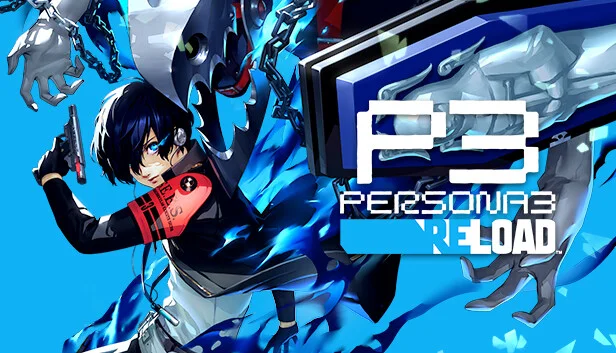
The social link mechanic that became the signature feature of this franchise was first introduced as part of the gameplay in Persona 3. Both the route for male and female protagonists offered a variety of romantic partners; however, the male route offers Yukari, Mitsuru, Fuuka, Aigis, and others, while the female route adds a number of potential partners that can be romanced, including Akihiko, Junpei (sort of), and Shinjiro. The development of romance in Persona 3 was less in-depth than in later games, with fewer unique scenes during each relationship, but due to the themes of the story, every option available to the player had a heavy emotional impact on the player due to knowing what would happen at the end of the game, and thus, how much time they put into cultivating these relationships felt much more important than in either of its sequels. Reload updated the look of the game to make it an ideal way to experience P3's romances in 2026 while keeping the original social link mechanics intact.
Persona 3
The social link mechanic that became the signature feature of this franchise was first introduced as part of the gameplay in Persona 3. Both the route for male and female protagonists offered a variety of romantic partners; however, the male route offers Yukari, Mitsuru, Fuuka, Aigis, and others, while the female route adds a number of potential partners that can be romanced, including Akihiko, Junpei (sort of), and Shinjiro. The development of romance in Persona 3 was less in-depth than in later games, with fewer unique scenes during each relationship, but due to the themes of the story, every option available to the player had a heavy emotional impact on the player due to knowing what would happen at the end of the game, and thus, how much time they put into cultivating these relationships felt much more important than in either of its sequels. Reload updated the look of the game to make it an ideal way to experience P3's romances in 2026 while keeping the original social link mechanics intact.
Persona 4 Golden
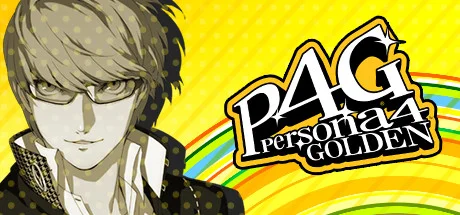
Persona 4 Golden improved upon the romance mechanics to make them feel really personal. While larger cities tend to be less intimate than smaller towns, Inaba is able to create that intimacy between the player and their potential partners in a number of ways. First, they will frequently see their potential romantic partners while attending school, shopping at the shopping district, or eating at Junes in particular. By seeing them repeatedly each week, it's easier for the player to build romantic relationships as the relationships feel more like they were created through shared experiences rather than through some forced plot development. Each potential romantic partner in P4G has their own social link story, which tells the story of their personal challenges before offering the opportunity for romance. Second, the pacing of the game doesn't force you to rush into any romantic relationships. Before you can date the characters in Persona 5 (the series), you must first establish a friendship with each one, so your connection is based on a solid foundation. This is particularly evident when playing through the ski trip event and Valentine's Day events, where your character building with the various characters led up to these events.
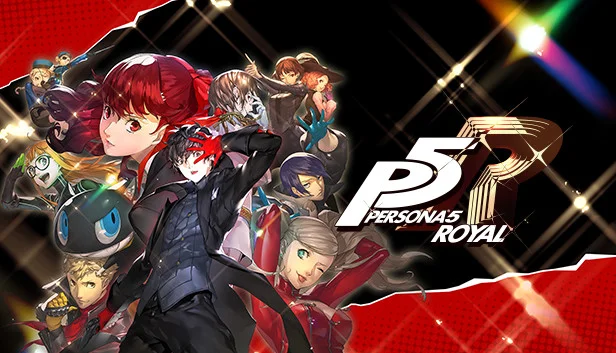
Persona 5 Royal
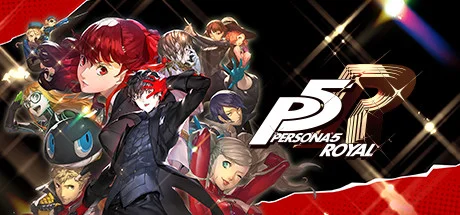
In Persona 5 Royal Players are provided with an expanded selection of 10 female romance options who each have their own unique storyline that directly correlates to the game’s overall themes of rebellion and social injustice. The three standout romance characters are: Makoto Niijima (student council president) who has an exterior of being poised but is searching for validation and connection to others; Ann Takamaki (model) who has a tumultuous background and is able to create compelling drama throughout her friendship arc with the player; and Kasumi Yoshizawa (gymnast) who only appears in Royal, her story arc ties in with the new third semester content and rewards players for following her character development. The social link system within Persona 5 Royal is a much deeper experience than Persona 4 social links (more than just just a basic link); in addition to having a unique date to go on together at a specified location for every romance option, players can also have different phone call conversations and school travel, holiday and special events with their chosen romantic partner depending on their relationship level with that character. Specific events like the Hawaii trip, school festival and Christmas Eve date give each player’s chosen partner a lot of screen time. The biggest improvement of P5R from any other Persona game is its ability to make each romance character feel like they have consequences; for example, in the Valentine’s Day scene, every girl the player has dated shows up at the same time, making it both an extremely funny and extremely awkward situation, as well as creating an unforgettable moment that many fans of the franchise still discuss. On my first play through I chose to romance Makoto and for my second play through, I chose to romance Kasumi, and both routes gave me the complete feeling of having completed an overall experience instead of having repeated versions of the same experience.
Ar Tonelico
Ar Tonelico builds its romance directly into gameplay through the Diving system, where you enter the minds of the Reyvateils — magical beings who serve as both party members and love interests. Each level of the Cosmosphere reveals more about their fears, desires, and buried trauma, and every breakthrough you reach together unlocks new combat abilities. it's one of the most creative combinations of romance and mechanics in any JRPG, because emotional closeness with a character translates directly into power on the battlefield. The series spans three games, each refining the Diving concept while introducing new Reyvateils with their own inner worlds to explore. The writing between dives is sharper than the anime art style might suggest, and the relationships feel earned rather than surface-level. Ar Tonelico isn't subtle about what it's doing — entering someone's subconscious to build intimacy is about as direct as romance mechanics get — but the sincerity of the execution keeps the experience grounded in something real.
Thousand Arms
Thousand Arms is one of the first JRPGs to introduce a dating sim-style system into a traditional RPG format. The protagonist, Meis, is a spirit blacksmith who can improve his weapons through the act of dating. Therefore, dating is an integral part of the game, rather than just an ancillary activity. Dates are typically basic things today—mainly buying someone a gift, going on a date, and choosing what to say—but back in 1999, the use of crafting was something new. Depending on who Meis chooses to date, different elements will be available for him to use in creating items, which makes pursuing multiple partners for their different elemental attributes beneficial—even if you already have a favorite. This dating mechanic's light-hearted way of flirting through comedy helps to give the game its character and prevents it from being forced into the player's experience. Finding a copy of Thousand Arms is difficult, but if you enjoy the evolution of romance mechanics in JRPGs, it's well worth the search.
Sakura Wars
The dating systems introduced in Sakura Wars were an example of how to add romance to JRPG games through an adventure-game format—a format that would become popularized with the work of the Persona series. Players are required to make timed dialogue choices with their squad members through the LIPS (Live & Interactive Picture System), and what you say can either positively or negatively affect how you relate to your combat partner in battle. Unlike other JRPGs, the products of a romantic relationship in Sakura Wars directly affect battle performance (if the squad member has a close bond with you, they will perform better alongside you than if you have no bond). The recent 2020 remake of Sakura Wars modernized the game by utilizing 3D graphics and action gameplay while maintaining the same core relationship-building experience. Each installment of Sakura Wars features a large cast of characters, enough to appeal to a wide range of personalities. And developing romantic relationships requires the player to carefully observe which characters respond positively to different types of nurturing gestures, with the timely dialogue selection mechanics creating a sense of urgency otherwise lacking in static dialogue trees. Therefore, making romantic choices with a sense of urgency gives them greater authenticity than making a choice based solely on what you believe is the right/easiest choice to make.
Azure Dreams
Combining roguelike dungeon crawling with romance and town-building systems, Azure Dreams will have you exploring the Monster Tower while bringing back plenty of goods to grow the town of Monsbaiya. As the town of Monsbaiya becomes more developed, new romantic partners will become available to be dated. The dating mechanics in Azure Dreams are relatively simple by today's standards—predominantly through dialogue and gifts—but with the added town development association, the dating alternatives are given a context that standard dating sims lack. The requirements to date different characters are based on the towns' level of development, so if you want to date someone, you must invest your time into both the town and the dungeon to unlock all of the romantic options that character has available. Also, because you can tame monsters, if you have a strong bond with a monster and want to pursue a romantic relationship with a potential partner, you can use the romance as a way of showing off your monster. Azure Dreams is an obscure title that most JRPG fans will never play, but it created a one-of-a-kind hybrid design that would be used to eventually create the games that combine similar mechanics within a more refined context like Rune Factory.
Rune Factory Series
The Rune Factory franchise offers a romantic storyline that's integrated throughout the game's many aspects of gameplay. Using the same formula of farming and social simulation as found in the Harvest Moon series, Rune Factory expands on it with dungeon crawling and romance elements built into every aspect of your daily life with your partner(s). While you grow crops, fight monsters, cook meals, you also spend time developing relationships with a cast of potential partners. Every partner has their own unique schedules, preferences, gift reactions, as well as extensive story arcs throughout the seasons.
What stands out about Rune Factory's romance is the extensive degree of simulation that's involved underneath the surface; Affection points aren't just a matter of increasing them to the max level but represent the evolution of your relationship through shared experiences such as: eating dinner together at the local restaurant; taking part in cooking contests with each other during the Festival; giving and receiving gifts based on what you have learned about your partner's likes/dislikes; participating in random town events depending on your relationship level. Rune Factory 4 Special includes all of these elements and features all of the most developed characters in the series along with the most fluid integration of romance into the farming-combat loop of gameplay. There are multi-arc storylines for each bachelorette and bachelor, meaning you will learn something new and different as you build your relationship(s) with them. there's also a marriage and child system in Rune Factory 4 Special that gives players long-term goals, outside of clearing dungeons, that players can pursue.
With the shift to 3D graphic design in Rune Factory 5, the final installment of the series, visual results have been mixed; however, Rune Factory 5 has still succeeded in the same foundational strength of the series — making players feel that their romantic relationship(s) has a significant part in the life they're building instead of just experiencing that life through a story in which they're watching unfold. In playing a total of 200+ hours of Rune Factory 4 and Rune Factory 5, the farming-dating loop has continued to provide me with new and interesting results because of the different personalities of the characters in the series and how they have evolved over time.
Dragon Quest V
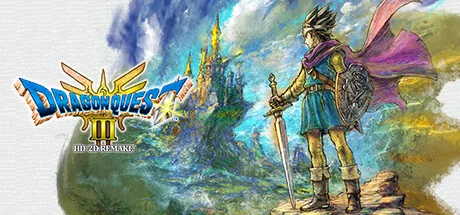
Dragon Quest V has one of the greatest romantic choices in JRPG history — who to marry; Bianca, Nera or in later releases, Debora. Each choice is made at the halfway point of a long, multi-generational storyline and will directly impact the children that you as the main character will have (all join your party in the third act). there's a great deal of resonance behind this particular choice because of the fact that the game has provided you with a childhood history with Bianca, while at the same time, Nera is the politically advantageous choice. This creates real tension between emotional/romantic and practical considerations. The DS version of Dragon Quest V introduced Debora as a third option who was designed to be unlikable, which makes the choice of her as the romantic and narrative path that's the most interesting choice. The marriage system of Dragon Quest V uses marriage to tell the story of how one decision is felt down through the generations. The child that you father during a given playthrough will develop certain inherited character qualities based on the choice you made earlier in the game, thereby making the marriage choice as a narrative and mechanical key one.
Fire Emblem: Three Houses
Fire Emblem: Three Houses has probably the most complex and extensive romance system in the history of JRPGs with a multitude of potential partners across three, later four, separate story routes. The support conversation system in Fire Emblem allows you to create relationships between any compatible character in addition to the protagonist which creates many romantic possibilities among all characters in the game and alters the outcome of each playthrough. The monastery phase between battles gives you additional opportunities to foster relationships through gifting, meals, and faculty training sessions. The S-rank support that ultimately determines who your final romantic partner will be can only be chosen at the end of your entire playthrough. Therefore, the entire playthrough builds to one romantic decision. The Three Houses’ romance system works because of the use of a three-house format which allows for different romance dynamics per route — the availability of romance characters is determined by house choice, and the most engaging romance options reside on specific story paths. The support for same-sex romance in later updates also provided a solution to player requests for inclusive romance systems.
Tokyo Xanadu takes the character-writing prowess of Falcom's Trails series and places it within a contemporary Tokyo framework with elements of romance similar to Persona, yet not directly copying the underlying dating systems – there are no dating/relationship meters. During bonding episodes you will spend time with your party members before and after dungeon exploration, as well as discover things about them that make them feel real; however, they don't have any dating mechanics. When two characters bond as a result of crises versus through social simulation, the game rewards you through combat bonuses and new cutscenes if you devote time to the story of every character. In contrast to Persona, Tokyo Xanadu offers a unique expression of teenage relationships through the use of romance-adjacent systems — neither true dating, nor true friendship — while being truthful about the nature of teenage relationships, without the external pressures of being forced to choose a single partner.
Which JRPGs are most loved because of their love story? The Final Fantasy series, including VIII, X, and Trails in the Sky, are widely regarded."; These titles each use romance as an integral part of their plot and develop a very strong sense of connection between characters.
The dating sim mechanics covers games with deeper romance systems, and the Big Three Romantic RPGs highlights the genre's most iconic love stories. The battle systems ranking analyzes combat, the soundtracks ranking covers the music, and the JRPG meaning guide explains the genre's roots. For shorter RPGs, that guide has options. The 2026 recommendations page has fresh picks.
Is romance a key element in the Final Fantasy series? Yes — every mainline Final Fantasy game features one or two substantial romantic relationships. The Final Fantasy VIII series has the strongest romantic themes, while the Final Fantasy X title has perhaps the most devastating romantic finish.
Which JRPGs allow the player to decide on whom to romantically pursue? The Persona 3, 4, and 5 series have the strongest romantic choice systems. Also, other titles in this genre that offer strong choices for romance include Fire Emblem: Three Houses, Rune Factory, and Sakura Wars.
Are there JRPGs that provide players with same-sex romance options? As well as providing same-sex S-rank supports, Fire Emblem: Three Houses, also includes same-sex options for the female character in Persona 3 Portable's female storyline, which were very progressive when they were first released. Many of the indie titles in the JRPG genre provide players with great options for including the same type of romantic interaction.
Tokyo Xanadu eX+
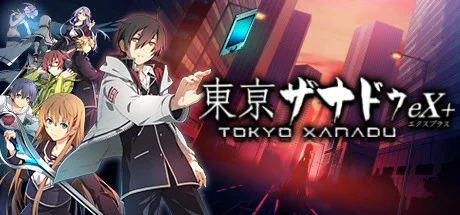
Tokyo Xanadu brings Falcom's character-writing strengths from the Trails series into a modern Tokyo setting with romance-adjacent systems that recall Persona without copying them directly. Bonding episodes let you spend time with party members between dungeon runs, and while the romantic elements are lighter than Persona's full dating mechanics, the writing is strong enough to make each connection feel meaningful. Kou's relationships with Asuka, Sora, and the rest of the X.R.C. develop through shared crisis rather than social simulation, and the game rewards players who invest in every character's personal arc with additional combat benefits and exclusive scenes. Tokyo Xanadu is the rare game that handles something between romance and deep friendship in a way that feels honest about how teenagers actually relate to each other, without the artificial pressure of choosing a single partner from a menu.
Frequently Asked Questions
Fire Emblem: Three Houses has probably the most complex and extensive romance system in the history of JRPGs with a multitude of potential partners across three, later four, separate story routes. The support conversation system in Fire Emblem allows you to create relationships between any compatible character in addition to the protagonist which creates many romantic possibilities among all characters in the game and alters the outcome of each playthrough. The monastery phase between battles gives you additional opportunities to foster relationships through gifting, meals, and faculty training sessions. The S-rank support that ultimately determines who your final romantic partner will be can only be chosen at the end of your entire playthrough. Therefore, the entire playthrough builds to one romantic decision. The Three Houses’ romance system works because of the use of a three-house format which allows for different romance dynamics per route — the availability of romance characters is determined by house choice, and the most engaging romance options reside on specific story paths. The support for same-sex romance in later updates also provided a solution to player requests for inclusive romance systems.
Tokyo Xanadu takes the character-writing prowess of Falcom's Trails series and places it within a contemporary Tokyo framework with elements of romance similar to Persona, yet not directly copying the underlying dating systems – there are no dating/relationship meters. During bonding episodes you will spend time with your party members before and after dungeon exploration, as well as discover things about them that make them feel real; however, they don't have any dating mechanics. When two characters bond as a result of crises versus through social simulation, the game rewards you through combat bonuses and new cutscenes if you devote time to the story of every character. In contrast to Persona, Tokyo Xanadu offers a unique expression of teenage relationships through the use of romance-adjacent systems — neither true dating, nor true friendship — while being truthful about the nature of teenage relationships, without the external pressures of being forced to choose a single partner.
The dating sim mechanics covers games with deeper romance systems, and the Big Three Romantic RPGs highlights the genre's most iconic love stories. The battle systems ranking analyzes combat, the soundtracks ranking covers the music, and the JRPG meaning guide explains the genre's roots. For shorter RPGs, that guide has options. The 2026 recommendations page has fresh picks.
Which JRPGs allow the player to decide on whom to romantically pursue? The Persona 3, 4, and 5 series have the strongest romantic choice systems. Also, other titles in this genre that offer strong choices for romance include Fire Emblem: Three Houses, Rune Factory, and Sakura Wars.
Are there JRPGs that provide players with same-sex romance options? As well as providing same-sex S-rank supports, Fire Emblem: Three Houses, also includes same-sex options for the female character in Persona 3 Portable's female storyline, which were very progressive when they were first released. Many of the indie titles in the JRPG genre provide players with great options for including the same type of romantic interaction. For more, see our ranking of JRPGs with the best stories.