
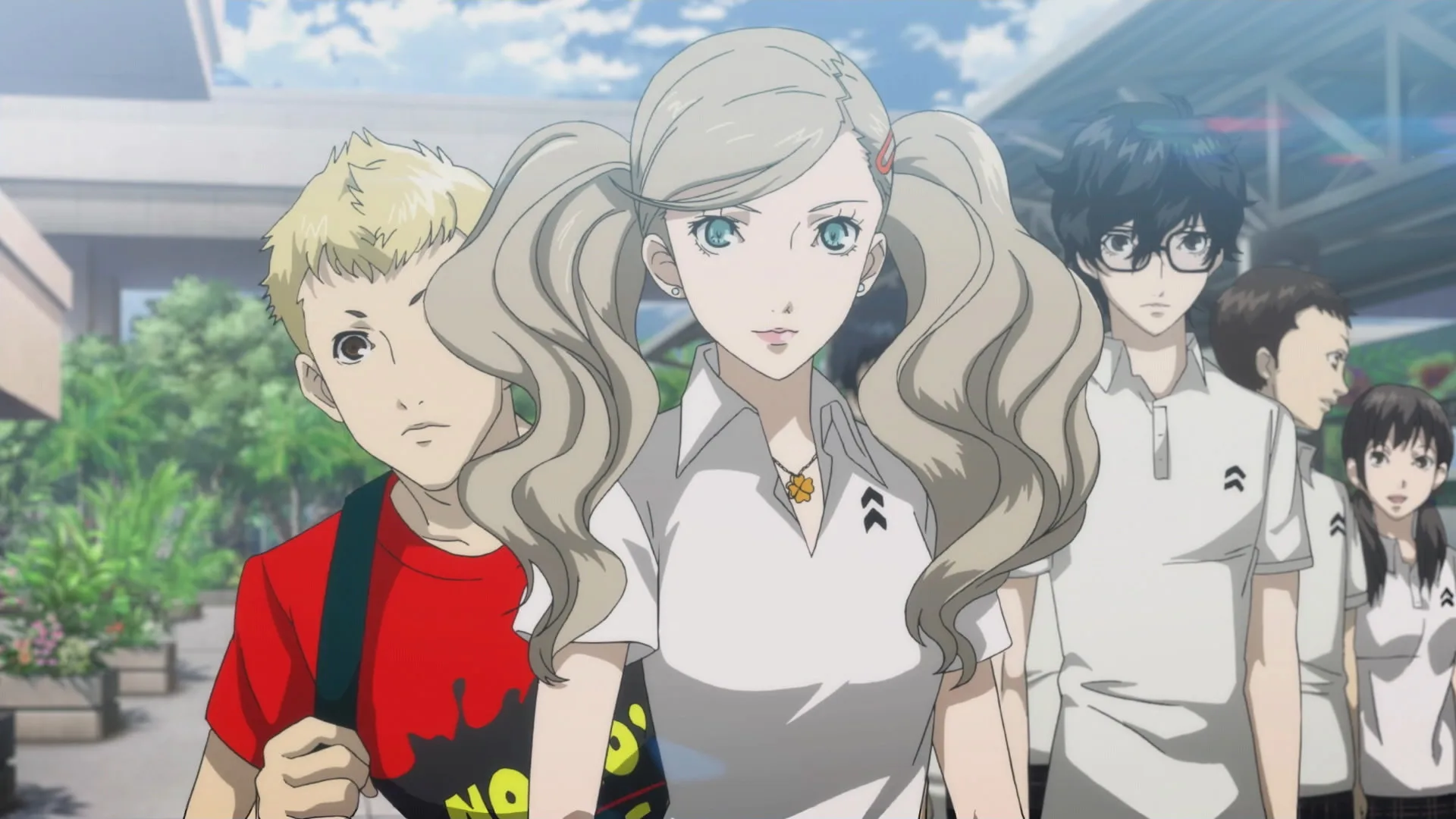
I have been playing JRPG games for almost two decades, and over time I have realized that the most effective way to compare these games is to evaluate how well each game has held up through time, rather than basing an opinion on how the game is thought of nostalgically. Because of the very nature of tier lists, they help to ease this process by forcing us to use abstract methods to evaluate any title where a tier must be assigned. Since the tier lists are graded letter grades on a flat level of view, they allow no space for qualifiers or conditionals when deciding between an S and an A. The tier list below is based on all completed JRPG games, organized into 5 separate tiers. By guaranteeing no qualifiers are used when determining a title’s placement within the tier list, we can create a true representation of what is the best JRPG for any player. Should you disagree with my placement, that is precisely the purpose of the tier list. Please refer to the Best RPGs of All-Time list for a complete numerical ranking. The enclosed tier list represents games completed to completion, not demo versions or unfinished versions of games, nor any game played by someone other than the player. The entries listed below are a direct assessment of my experience while playing a video game. See the best RPGs of all time.
I have created guides for selecting from a variety of platforms; Nintendo Switch, PS5, PS4, Xbox One, Steam, and other consoles from SNES to PS2.
S Tier — The Untouchables
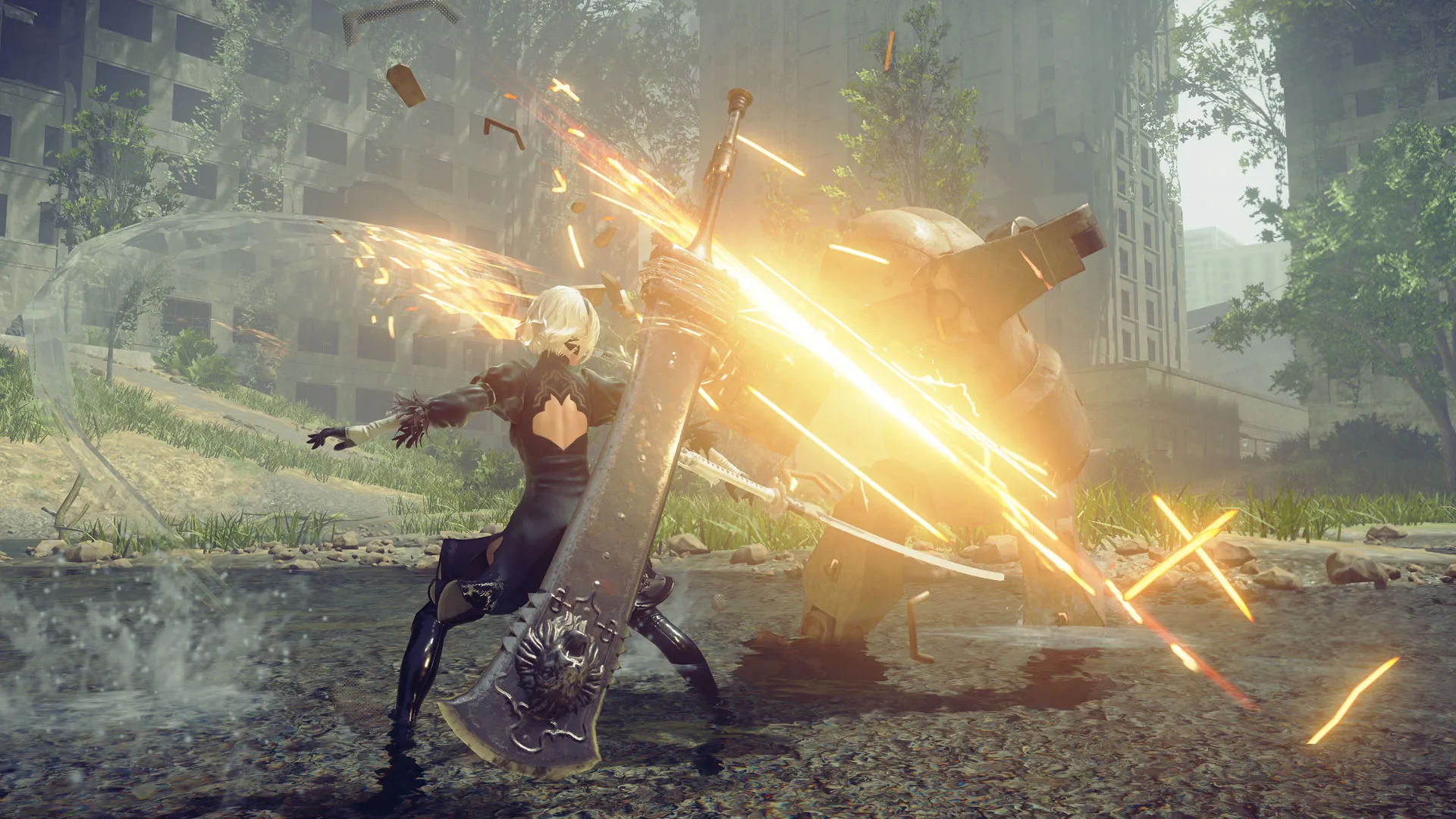
I played the DS version of the game, and very few other JRPGs do this. At the game's halfway point, choosing a marriage partner is one of the major decisions that will affect the entire game.
The S tier games are among the best in the industry. I would recommend every title in S and A tier to anyone without hesitation. The only difference between the S and A tier is usually a single aspect of the title that isn't close to matching the quality of the others: an ending that feels like it dragged;combat systems that peaked too early;or story elements that stutter before finding their feet. However, each of these games are still considered to be some of the best in their respective genre. See the Jrpgs On Ps5 guide.
Metaphor: ReFantazio is my personal favourite from 2024 for game of the year. It has an Archetype system that has 12 base classes that can develop dozens of hybrid builds, and the election story gives you a maximum amount of expectation for the entire game. Unfortunately, the last dungeon is roughly three hours too long, so it only makes the A tier instead of S tier. Prior to the end, it is S tier. At the midpoint of my journey through this arc (the Tournament Arc of unknown physical mass), my relationship with this title increased in intensity; the construction of each candidate's dungeon had been built upon their own ideology in regards to dungeon design, while also forcing the player into alternate archetype loadouts for the boss fights (and not just relying on brute force with the strongest team). The archetype known as the "Faker" ultimately provides enough strategic complexity to keep combat engaging throughout the complete 80 hours of gameplay time. Available on PS5, Xbox and Steam.
FFX and its Sphere Grid Progression System combined with Conditional Turn Based Combat make up the finest pair of gameplay mechanics ever created within this franchise. Tidus' voice acting in 2001 got him a lot of criticism, but his character development from a spoiled athlete to someone who would give everything to save another human being, will resonate with anyone who has found success against adversity. Compared to my experience at 15 when the ending impacted me much more than it does now, I will still recommend it to newcomers in the 2026 Recommendation Guide.
Clair Obscur: Expedition 33. 2025 Game of the Year. A French company developing a Turn-‐Based JRPG using Unreal Engine 5 should not work as well as it does, but the timed input combat system combined with painterly artistic direction allows it to overcome all of the rough edges that would prevent it from working. The Artiste Boss Encounter in Chapter 4 is easily one of the most innovative and creative encounters in any JRPG. The game I played was called Trails in the Sky SC (second chapter). The game gives you an amazing emotional payoff for the entire storyline that you built up from the first game with over 80 hours of gameplay. Each character has been given a subplot and the final dungeon gives you a strong conclusion to all those character subplots. In addition, every person (NPC) that you meet along your travels will help you later on in this final dungeon. This is a great payback for spending time talking to all the people (NPC's) that you met throughout the game. The Trails series gives you incentives for investing time into the game. Each of the NPC's has an individual life that continues moving forward through time regardless of what the main storyline is doing. By checking back with them between chapter changes, you will have learned of subplots that most developers would have cut due to pacing reasons. Falcom recognises this; they preserve these subplots and use them to demonstrate that a well-built world is not built through a lot of details about the world but through creating a place that feels real.
Final Fantasy VII (the original). This game laid the groundwork for the JRPG genre we know today. One of the best opening acts ever made (Midgar) is just one of the things this game did well. The Materia System gives you enough ability to customise your character so that the game becomes very different for everyone, especially if you choose to play at a less than optimal speed (level). A tier because the second half of the game (after you leave Gold Saucer) lacks narrative focus but the highs of this title (death of Aerith, Weapons, and final battle with Sephiroth) are unmatched! There are additional details about this title and its amazing storyline on Ps1's top-played games list. See the PS1.
Xenoblade Chronicles. The game's two frozen gods, Bionis and Mechonis, are the two frozen bodies which create the continents in the game and are two of the best reasons to create a new world in gaming. The combat system in this game takes about 10 hours to become comfortable using it, but once you do, it is very similar to other action JRPGs because of the way the Chain Attack system allows you to create flow-like moment that are not normally found in other action JRPGs. Gaur Plain is the standard of all open-zone JRPG environments, and now can be played in its Definitive Edition on the Switch.
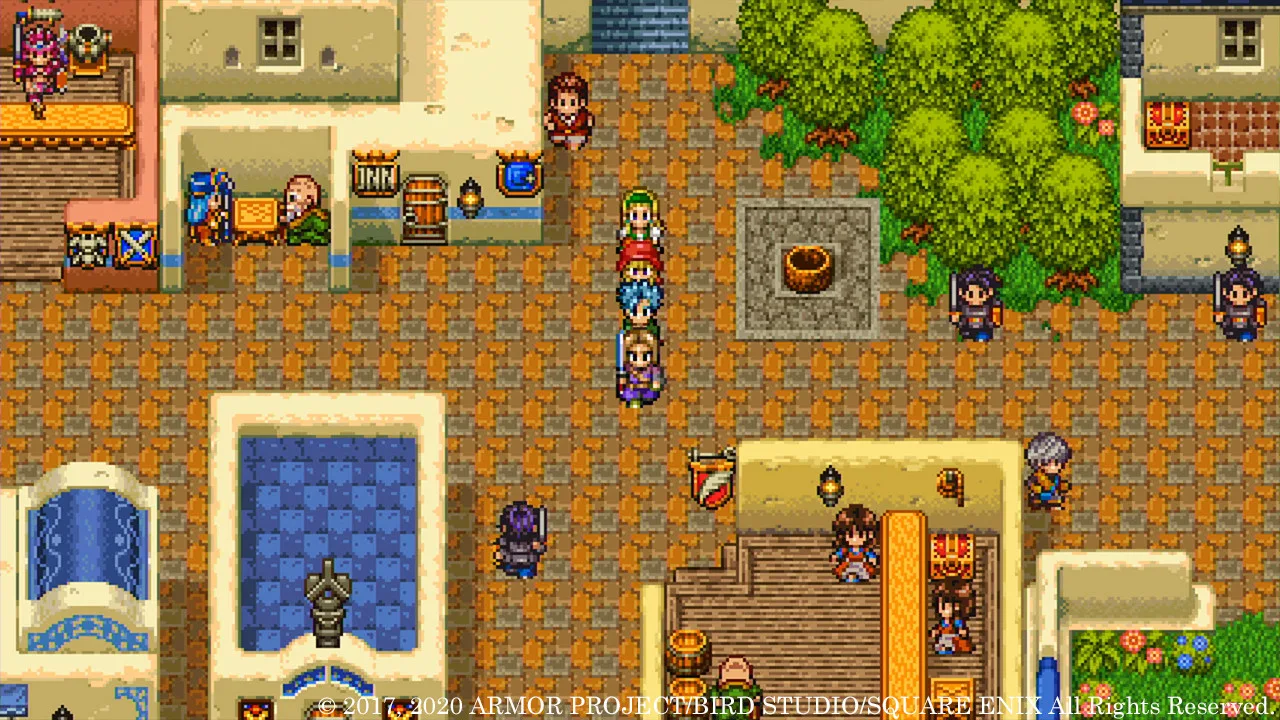
Dragon Quest XI S is a JRPG that I suggest all newcomers start off with because everything is extremely well done, including the orchestral music, the ability to see well-designed anime characters designed by Toriyama, and the turn-based combat. I was blown away by how the entire narrative was actually recontextualized with a twist about 30 hours of content after finishing the game. The game has been released on every major platform and is my number one suggestion for people new to the JRPG genre.
Suikoden II. During the PS1 era, the experience of playing through Suikoden II's political war narrative, the battle between the Highland and City-States and the castle building/advancing through the 108 Stars of Destiny System, created one of the most mature stories produced in the JRPG genre. The main villain, Luca Blight, earns his reputation in gameplay through the three boss battles you have with him, all three of these battles create huge tense moments. Although it’s not an easy task to find all 108 characters without using a guide, the true ending makes it worth the effort. The Army Battle system used in Suikoden II ties directly to the character recruiting mechanic, which is something that other collect-a-thon RPGs have always failed to do. The growth of the castle, from an abandoned ruin to a bustling city-state, depicts an excellent progression arc. The cooking side quest, which has you cooking with Hai Yo, has set the standard for optional content that best optimizes the player’s time.
B Tier — Strong Recommendations
Rank B is where personal taste starts to play a larger role than objective quality. These titles were enjoyed and are recommended to anyone who enjoys JRPGs, however, they all have a common flaw that keeps them from reaching A tier. A B tier JRPG is a step up from most other genres of video games.
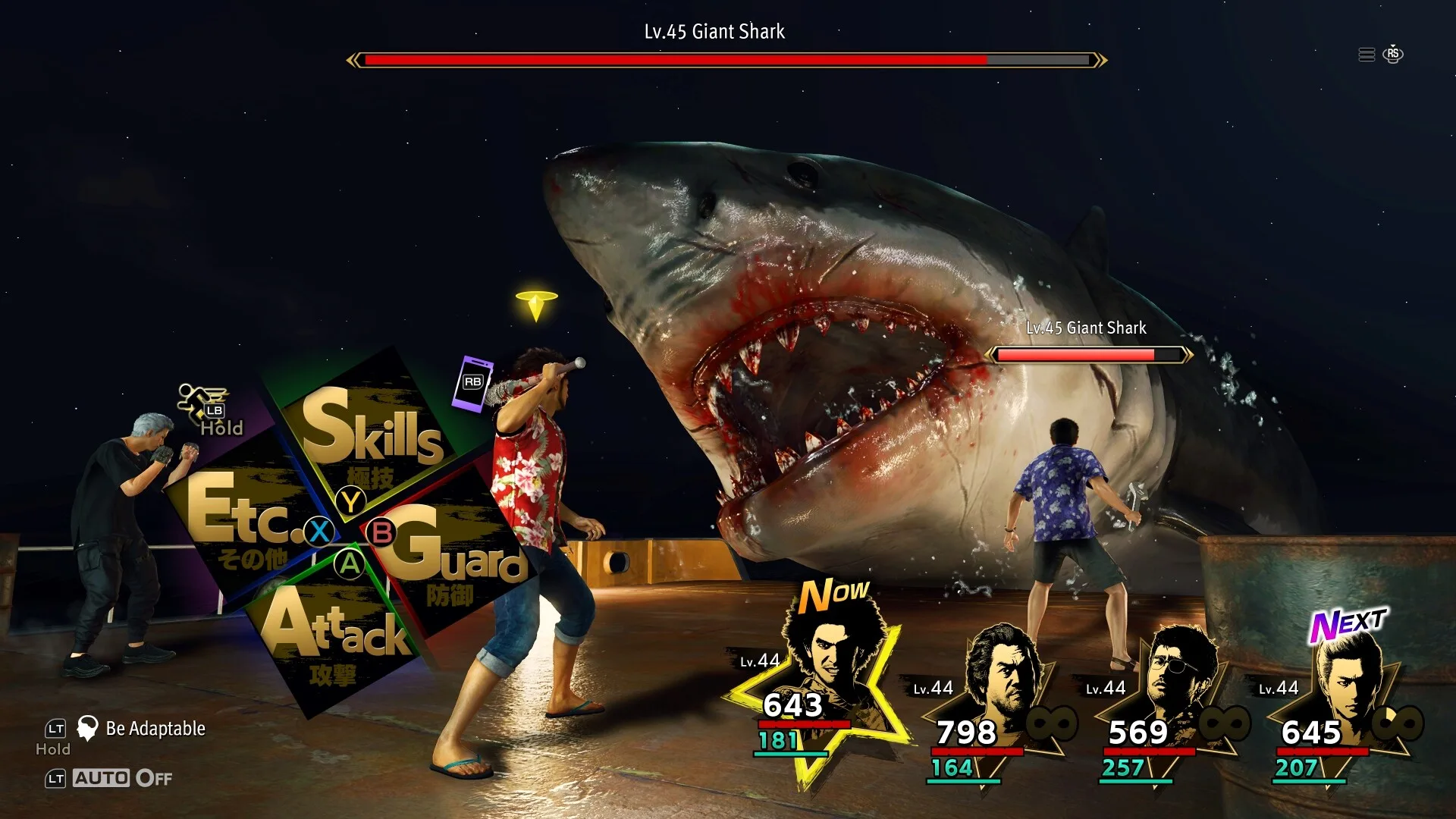
Like a Dragon: Infinite Wealth. The Hawaii setting is fun, the Job System is well-designed, and Kasuga is one of the most likable heroes in JRPG history. This game would normally be rated A tier, but the Dondoko Island portion of the game serves no purpose to the main storyline, which creates an unwarranted distraction from the core experience. The pacing of the game does suffer a bit during Chapters 8-10 but does gain momentum during the Final Chapter.
Tales of Arise. Tales of Arise has the best combat in the entire series, but the plot falls apart in the second half when it becomes a formulaic, predictable plot about cosmic evil. The first half of the game is A tier, while the second half lowers the overall score. That said, the Boost Strike System and the skits are worth experiencing.
Persona 3 Reload. A very close remake of Persona 3; it maintains the atmosphere of the original while making improvements to the worst gameplay mechanics. There is still a debate among the fanbase as to whether or not it retains the melancholy feel of the PS2 version or adds a certain polish to it. B tier because Tartarus is repetitive in both the original PS2 version and this updated version. The Social Link System in Persona 3 is not as developed as the systems in later entries in the series, which have much more developed characters and character studies than in Persona 3. However, the connection that Persona 3 has with its players comes from the theme of death which gives the game an emotional impact that the later games do not try to have. The last month of the game leading to the ending of Persona 3 is the most emotionally impactful time in any JRPG that I have ever played.
Final Fantasy IX is the most charming iteration of the Final Fantasy series and pays homage to the origins of the franchise. The character arc of Vivi coping with his existence is one of the better character arcs in JRPG history, and Uematsu creates an incredibly emotional soundtrack. However, the game has a lower score due to the fact that the battle system is very slow compared to those in other PS1 Final Fantasy games and that the final boss battle lacks sufficiently built-up foreshadowing. The Active Time Events System allows you to witness what a second player is doing during specific events which is a very innovative gameplay method at the time, and the Chocobo Hot and Cold mini-game is by far the best optional content of any PS1 JRPG. The Mognet side quest gives Final Fantasy IX much of the depth that modern games give to the game world through codex entries.
Xenogears. The first half of the game is a S tier experience. The battle system has martial arts style combo moves and giant robot battles. The philosophical basis to the game's story is much more ambitious than any previous JRPG or any that will come after. The second disk has had most of its budget cut which resulted in the back half being a visual novel with Boss Encounters, dropping it down to a B tier. The concepts behind the game are absolutely amazing, however, their execution does not match them. Both the Id Revelation and the Soylent system twist are among the most ambitious narrative moments of any JRPG, accompanied by the combat system's Deathblow combo system provide the turn-based encounters a rhythm similar to that of fighting games, not something we're ever going to see in another JRPG. If Square had given Takahashi 6 more months of development time, this title would have unquestionably been an S-tier game.
Octopath Traveler. Visually impressive HD-2D art style, deep customization with the Job System and all eight character's stories contain at least one iconic moment. Is currently a B-tier due to how the eight stories do not connect well to each other, and the last half of the game feels like you're playing eight short JRPGs rather than one long JRPG. However, the combat is what keeps it at this current tier because breaking your foe's shield will always be fun.
Lost Odyssey. The best JRPG that ever existed but most people never played. The "A Thousand Years of Dreams" text sequences are some of the best written words in any video game. Although the Ring Crafting System and the rate at which random enemies appeared have not aged as well as the story, Lost Odyssey is still a must-have for every Xbox owner.
Chained Echoes. An indie game developed by one person that can go toe-to-toe with games produced by mid-tier publishers. The mech segments and Overdrive Combat gauge keeps the game fresh and the 30-hour experience. B tier as characters are just functional and not memorable (characters have less memorable qualities remembered as systems). The C tier means that the game has been completed and there is enough value to justify the time in producing the game but unless explained what will happen no recommendations will be given. These titles have strong weaknesses along with strengths.
C Tier — Worth Playing With Caveats
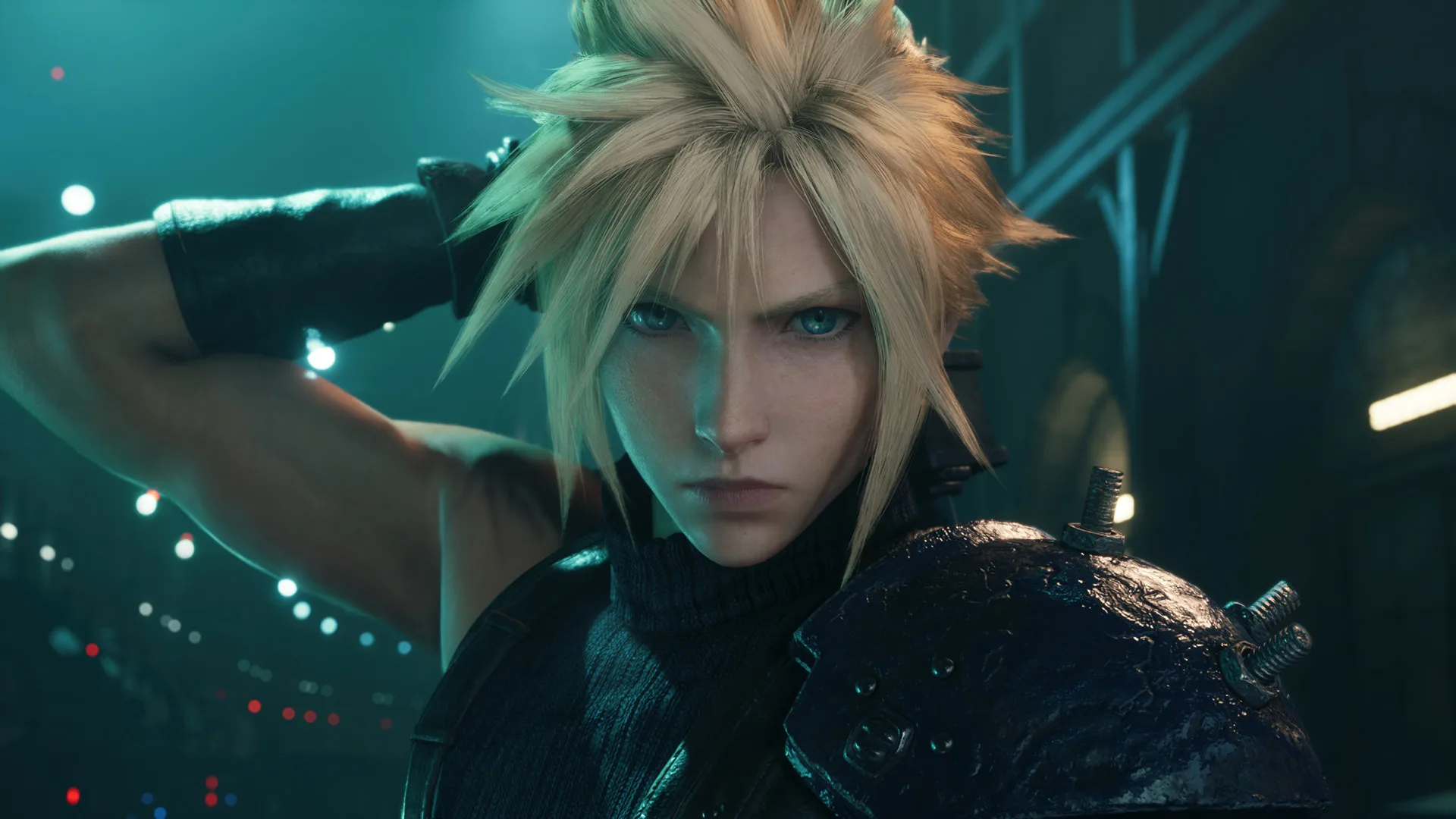
Final Fantasy XV. The road trip between Noctis and his friends is the high point of the game and camping / cooking systems give it a sense of reality to it. C tier as the combat is messy, the story has little political intrigue, and the last chapters turn the once open world into just a line. The Downloadable Content episodes do fill in some of the holes but should not be a necessary read. The Magic System (spells are created from different elemental locations in the normal world) is highly under developed compared to the depth and quality of the Materia System from VII (or) Junction System from VIII). The one thing that keeps FFXV from going down to a rating of a D tier title is the development of the friendship of the four leads in the game. The campfire scenes, the in-car talk, and Ignis’ obsession with cooking create a warmth in this title that will help the player through the rough areas of the game.
Star Oceon: The Second Story R. The remake demonstrates an exceptional quality visually, with its dual-protagonists providing a great deal of replay value. However, it's rated as a C-tier title because Private Action is difficult to decipher without a guide and crafting a skill has the opportunity to trivialize the difficulty of the game if the player comes across the right combination of items for skills.
Valkyria Chronicles has a fantastic combat system, where BLiTZ is a combination of turn-based strategy and third-person shooting that no other game has duplicated adequately. Valkyria Chronicles is rated as a C-tier title, but the overall story is also heavily reliant on the juxtaposition of drama and comedy, which detracts from the overall experience. It is available on both PS4 and Steam.
Bravely Default provided one of the best Job Systems since Final Fantasy V, and the Brave/Default system is an ingenious risk/reward design that just works. However, the game is rated as a C-tier title because it requires multiple repetitions of the same four dungeons throughout the last half. No amount of justification can defend this decision, although in the sequel, this portion is addressed completely. The best way to play Bravely Default is on the 3DS system. See the Ps4 guide.
Infinite Undiscovery is a large-scale action RPG with real-time AI for the character's companions and the use of the environment for puzzle-solving. However, Infinite Undiscovery is rated as a C-tier title because the combat camera is more likely to interfere with the player's ability to defeat enemies than aid them. Additionally, the conclusion of the overall story moves too fast compared to the rest of the game's world-building. Infinite Undiscovery is a good try for anyone who has exhausted the A and/or B-tier option on Xbox. See the 3Ds guide.
My criteria for the placement of titles considers equally all four components: combat system, story/character, game pacing/structure, and long-term impact of the game. Thus, a game with an A-tier combat but is rated B because of a failing in its story/character component and vice versa. No title will be listed in this catalog if I have not completed the title and if it is not present, then I have never played the game or haven't completed the game.
How I Built This Tier List
Franchise loyalty was not a factor in creating this ranking, and games that have been remade in recent years received more weight than games that were well-regarded but not touched in over 10 years. Since nostalgia skews perception, a game like "Golden Sun" will have been regarded very highly at age 14, but when played again in 2024, would show pacing issues that weren't noticed before. Because there are some entries in "Final Fantasy" that are absolute masterpieces, and others have significant issues or flaws, the series appears in four different levels. This also applies to other franchises, including "Tales" and "Dragon Quest." Each entry in a franchise has its own merit with respect to its quality.
This ranking will change over time as I play more titles and revisit older favorites that I hadn't played in a while, and also as new releases come out to change the conversation. "Clair Obscur" did not appear in the original 2024 version of this list because it was not yet out. The 2026 release schedule has some titles on it, such as "Fire Emblem: Fortune's Weave" and "Adventures of Elliot," that could potentially meet A or S tier depending upon how they're developed.
For a ranking of the best role-playing games without tiers, please refer to the Best RPGs of All Time page. If you're looking for recommendations based on which platform you own, you can find guides for Switch, PS5, PS4, Xbox, Steam, Vita, PSP, 3DS, DS, GBA, PS1, PS2 and SNES.
For more guides, see battle systems, soundtracks, 2026 recommendations, upcoming releases, and the JRPG meaning guide. For publisher catalogs, browse Square Enix and Atlus official sites.