
There's a specific kind of JRPG player who spends more time agonizing over which character to take to the festival than they do optimizing their party builds. I'm that player. I've reloaded saves to pick different dialogue options during a date event. I've looked up gift guides for fictional characters. I have strong opinions about which Persona 5 romance option is objectively correct (it's Makoto, and I will not be taking questions).
These twelve JRPGs don't just have romance as a story element — they build dating sim mechanics directly into the gameplay. Social links, affinity meters, gift systems, bonding events, confessions. The relationships you build affect your combat strength, unlock new story paths, or determine which of multiple endings you get. If you want JRPGs where who you date actually matters, this list is for you. Updated for March 2026.
For platform-specific JRPG guides, see PS5, Switch, Steam, Xbox, PS4, PS2, PS1, SNES, PSP, GBA, DS, 3DS, and Vita. The JRPG tier list ranks games cross-platform, and the best RPGs of all time covers the genre's peaks.
12. Neptunia: Sisters VS Sisters
The Neptunia franchise is polarizing — you either love the meta-humor about the console wars or you find it insufferable. Sisters VS Sisters lands closer to "really fun" than most entries. The Lily Rank system tracks affinity between every party member pair, and higher ranks unlock combo attacks, stat bonuses, and character-specific scenes. It's not a deep dating sim by any stretch, but spending time in the chirper (the in-game social media app) watching your characters argue about pudding is oddly wholesome. The action combat is the best the series has managed, and the game doesn't overstay its welcome at 25 hours. Low stakes, high charm.
Source: Compile Heart / Idea Factory via Steam
11. Record of Agarest War
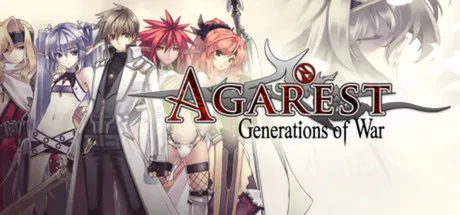
Agarest War takes the dating sim concept further than any other JRPG: your romantic partner determines the stats, appearance, and abilities of your child, who becomes the protagonist of the next generation. Five generations of heroes, each shaped by who their father chose to marry. It's Fire Emblem Genealogy's concept expanded into a full tactical RPG with visual novel-style romance events. The execution is uneven — the tactical combat gets repetitive, and some of the "affection events" are fan-service-heavy in ways that haven't aged well. But the core idea of your romantic choices actually creating the next generation of heroes remains brilliantly ambitious. Nothing else does this at this scale.
Source: Compile Heart / Idea Factory via Steam
10. Conception Plus: Maidens of the Twelve Stars
Let me get the premise out of the way: you form bonds with twelve maidens and perform a ritual called "Classmating" to create Star Children who fight in dungeons. Yes, it sounds exactly like what you think it sounds like. The actual game is less scandalous than the marketing suggests — it's practically a JRPG where your dating sim choices directly determine your party composition. Each maiden produces different Star Child classes, and optimizing your team means building relationships strategically. The dungeon gameplay is serviceable, not spectacular. But if you want a game where the dating sim IS the progression system rather than a side activity, Conception Plus is the most literal interpretation of that concept I've found.
Source: Spike Chunsoft via Steam
9. Fairy Fencer F: Advent Dark Force
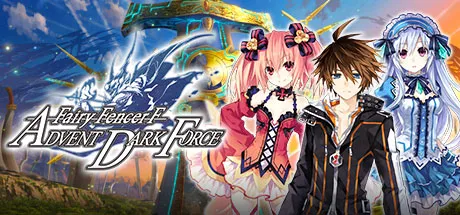
Fairy Fencer F flew under most radars, which is a shame because Advent Dark Force turned an average JRPG into something really interesting. Three story routes — each unlocked by your actions and relationships — give you completely different perspectives on the same conflict. The character interactions during sub-events are where the dating sim feel kicks in: private conversations, gift-giving that affects affinity, and route-specific romance scenes. Fang is a lazy protagonist in the best possible way — his reluctant hero arc works because the people around him are interesting enough to carry his apathy. The combat borrows from Neptunia but adds weapon-transforming Furies that keep things fresh.
Source: Compile Heart / Idea Factory via Steam
8. Blue Reflection: Second Light
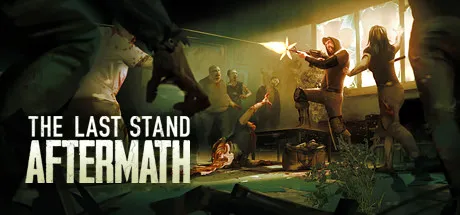
Gust (the Atelier studio) made a game about high school girls trapped in a mysterious school surrounded by water, exploring dungeons made from their own memories. The bonding system is the heart of the game — hanging out with characters, going on dates to crafted facilities, and raising affinity unlocks new combat abilities AND reveals their lost memories. The emotional payoff of learning someone's backstory through gameplay rather than cutscenes is surprisingly effective. The combat is timeline-based and gets better as your bonds deepen. If you enjoyed the social sim aspects of Persona but wanted something more intimate and character-focused, Second Light fills that gap in a way I didn't expect from a franchise I'd never heard of before playing it.
Source: Gust / Koei Tecmo via Steam
7. Atelier Sophie 2: The Alchemist of the Mysterious Dream

The Atelier series has always been about relationships — alchemy is the mechanic, but the friendships are the point. Sophie 2 does this best in the recent trilogy. Each party member has a friendship arc with dedicated bonding events that unlock as you adventure together, and reaching maximum friendship changes the ending and unlocks new synthesis recipes. There's no traditional "romance" per se (the relationships are coded as deep friendship), but the emotional investment works the same way: you spend time with characters, learn their stories, give them gifts, and the game rewards that investment mechanically. Sophie's earnest personality makes every interaction feel genuine. The synthesis system is the best in the series, too.
Source: Gust / Koei Tecmo via Steam
6. Sakura Wars (2020)
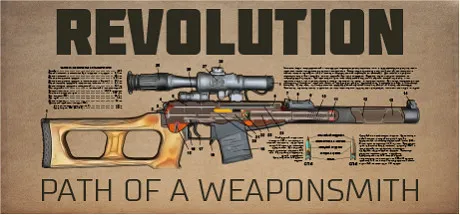
Sakura Wars has been a dating sim JRPG since 1996, and the 2020 reboot is the most accessible entry point. The LIPS (Live & Interactive Picture System) gives you timed dialogue choices during conversations — hesitate too long and you pick the default response, which is sometimes the worst option. The relationship you build with each Flower Division member directly affects their combat performance in the action RPG segments. Sakura, Hatsuho, Anastasia, Azami, and Claris all have fully realized romance paths with different outcomes. The Taisho-era Tokyo aesthetic is gorgeous, the mech battles are flashy if repetitive, and the dating sim half is where the game shines hardest. If you've ever wanted a JRPG that takes romance seriously, Sakura Wars wrote the playbook.
Source: Sega via Steam
5. Tokyo Xanadu eX+
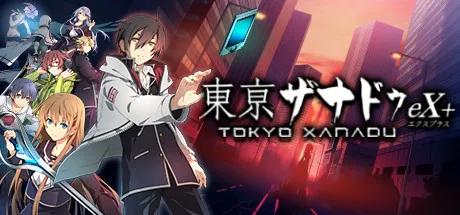
Falcom took their Trails social system and transplanted it into a modern Tokyo setting with Ys-style action combat. The result is a game that feels like "what if Persona was made by the Trails team." Free days let you choose which characters to spend time with, building affinity through events that range from studying together to exploring haunted locations. Maximum affinity unlocks unique scenes and combat bonuses. Kou's relationships with the X.R.C. members feel earned because you're choosing who to invest time in — just like Persona's Confidants, but with Falcom's trademark "every NPC has a full life" world-building. It's not as polished as Trails through Daybreak, but the modern high school setting gives the social events a different energy.
Source: Nihon Falcom / Aksys via Steam
4. Catherine: Full Body
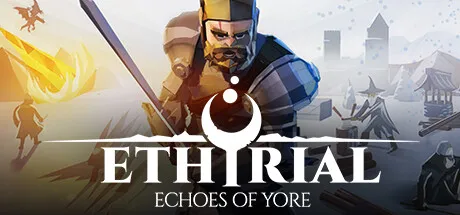
Catherine is an Atlus game about a man who cheats on his girlfriend and then has nightmares about climbing towers made of blocks while being chased by giant demon babies. It shouldn't work as a dating sim or an RPG. It absolutely does. The daytime segments are pure relationship management — texting Katherine, Catherine, or Rin (Full Body's new third option), talking to friends at the Stray Sheep bar, and answering confessional questions that shift your moral alignment. Your choices determine which of thirteen endings you get. The puzzle-climbing nightmares are the "combat," and they're really brilliant once you learn the advanced techniques. Nobody else makes games like this. Atlus before Persona 5 was a different kind of weird, and Catherine is the best example of that.
Source: Atlus / Sega via Steam
3. Trails of Cold Steel
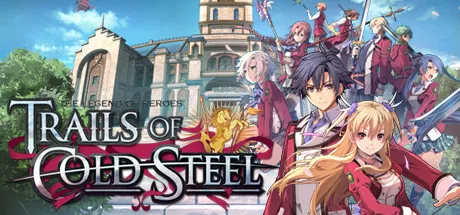
Cold Steel adapted the Persona social link formula for the Trails universe and the result is devastating. On free days at Thors Military Academy, you choose which classmates to bond with — each with their own multi-part storyline that reveals their background, their fears, and their growth. Link levels directly affect combat: higher bonds unlock cooperative Rush attacks, cover fire, and unique Brave Orders. Rean's relationships feel grounded because the Trails series gives its characters time to breathe — these people have conversations that don't advance the plot but reveal who they are. The romantic options are there (with a more definitive choice in CS2), but what hits harder is the platonic bonds — Jusis and Machias going from mutual hatred to grudging respect to genuine friendship across four games is better writing than most romance arcs. Part of the massive Trails saga that spans eleven games.
Source: Nihon Falcom / XSEED via Steam
2. Rune Factory 5
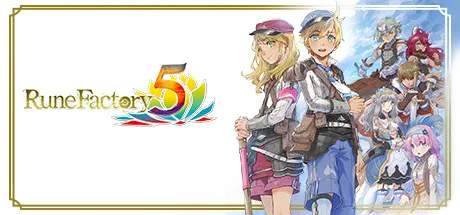
Rune Factory 5 is what happens when a farming sim, an action RPG, and a dating sim have a three-way merger. You farm, you dungeon-crawl, and you romance. Twelve marriage candidates — six bachelors and six bachelorettes, all romanceable regardless of your character's gender (a series first). Each candidate has a multi-heart relationship arc, date events, and a unique proposal scene. The farming feeds into cooking which feeds into gift-giving which feeds into romance. The action RPG combat lets you bring your spouse into dungeons as a party member, and married couples get stat bonuses. RF5 has performance issues on Switch (it stutters), but the sheer volume of systems working together to create a living, breathing relationship simulator is staggering. Switch is the only option for now.
Source: Marvelous / XSEED via Steam
1. Rune Factory 4 Special
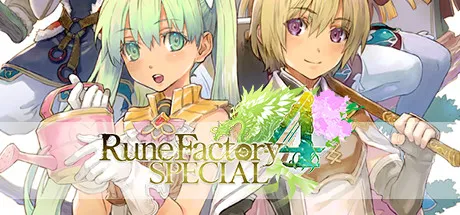
This is the best dating sim JRPG ever made. Not because the combat is the deepest (it's good, not great), or because the farming is the most complex (Stardew Valley exists). It's the best because every system in the game serves the relationships, and the relationships serve every system. Growing crops gives you gifts. Gifts raise affection. Affection unlocks story arcs. Story arcs unlock new areas. New areas give you better ingredients. Better ingredients make better gifts. It's a perpetual motion machine of wholesome investment. The twelve marriage candidates each have fully realized personalities, backstories, and post-marriage content that most JRPGs don't even attempt. The Newlywed mode in Special adds entirely new scenes. I married Dolce three times across three platforms. No regrets. If you want one game that proves JRPG mechanics and romance storytelling can be the same thing, this is the one.
Source: Marvelous / XSEED via Steam
Honorable Mentions
Persona 3, 4, and 5 are the obvious elephants in the room — I've covered them across my PS5, Switch, PSP, and PS2 lists already. Fire Emblem Three Houses and Awakening both have excellent marriage systems. And if you want something more traditional, Thousand Arms on PS1 was doing the "JRPG meets dating sim" thing back in 1998 — the dates affected your weapon forging power, which was wild for the era.
The dating sim JRPG crossover used to be niche. Now it's standard. Persona proved that millions of people want to balance dungeon crawling with figuring out who to take to the fireworks festival. These twelve games lean into that fantasy harder than most — and they're all worth your time if you've ever spent more time on a gift guide than a boss strategy.
All images are official promotional materials sourced from their respective publishers' Steam store pages. Rune Factory 4 Special, Rune Factory 5 — Marvelous / XSEED. Trails of Cold Steel — Nihon Falcom / XSEED. Catherine Full Body — Atlus / Sega. Tokyo Xanadu eX+ — Nihon Falcom / Aksys. Sakura Wars — Sega. Blue Reflection Second Light, Atelier Sophie 2 — Gust / Koei Tecmo. Fairy Fencer F, Record of Agarest War, Neptunia Sisters — Compile Heart / Idea Factory. Conception Plus — Spike Chunsoft. All trademarks belong to their respective owners. Published March 21, 2026. Last updated: March 21, 2026.
All images are official promotional materials sourced from their respective publishers' Steam store pages. Rune Factory 4 Special, Rune Factory 5 — Marvelous / XSEED. Trails of Cold Steel — Nihon Falcom / XSEED. Catherine Full Body — Atlus / Sega. Tokyo Xanadu eX+ — Nihon Falcom / Aksys. Sakura Wars — Sega. Blue Reflection Second Light, Atelier Sophie 2 — Gust / Koei Tecmo. Fairy Fencer F, Record of Agarest War, Neptunia Sisters — Compile Heart / Idea Factory. Conception Plus — Spike Chunsoft. All trademarks belong to their respective owners. Published March 21, 2026. Last updated: March 21, 2026.
The romance options guide covers love stories beyond dating mechanics, and the Big Three Romantic RPGs highlights the genre's most iconic romances. The battle systems ranking analyzes combat design, the soundtracks ranking covers the music, and the JRPG meaning guide explains the genre's roots. For shorter RPGs under 20 hours, that guide has options. The 2026 recommendations page has fresh picks.