

I’ve actually found that HD remixes of JRPG soundtracks are often more enjoyable than popular songs. This statement isn't exaggerated; most of my Spotify playlists are dedicated to music by Keiichi Okabe, Yasunori Mitsuda, and Nobuo Uematsu - without embarrassment. My morning routine includes listening exclusively to "Weight of the World" or "Corridors of Time"; during my commute, I switch between the acid jazz of Persona 5 and progressive rock from Falcom. A good JRPG soundtrack creates an environment where I am immersed in music and video games for 60-100 hours a year, etching enough into memory where if someone were to play me just three notes of a battle track, I would have no issues recalling the exact scene for a specific Boss Fight 15 years earlier.
In 2026, I have updated this list and ranked all twelve of the best JRPG soundtracks ever composed based on criteria of recent releases that are worthy of comparison to those I consider classics. I’m ranking entire soundtracks as opposed to individual tracks because having a consistent body of work over 10+ pieces outweighs having one super strong individual song. If you're looking to compare different games to one another, please check out my Best RPGs Of All Time or JRPG tier list.
1. NieR: Automata — Keiichi Okabe
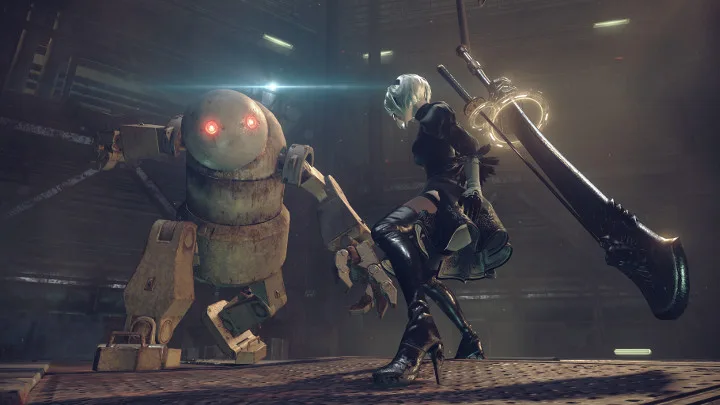
Typically, JRPG soundtracks are not known for getting someone emotional during the end credits, but I did cry while watching the credits roll of "Weight of the World" in four languages after finishing the game with all four different endings. While Keiichi Okabe's score for NieR: Automata is exceptionally beautiful, it is structurally a new way to present beautiful music. The way music adapts to fit with the action taking place in different locations is very well done. For example, when you enter into The Amusement Park after completing it, the music starts as a playful music box theme with echoes, but transitions into a whole choir singing once you are in combat. When combat ends, the music returns to being playful with echoes.
The song that made me realize that this soundtrack was going to be one of the greatest soundtracks of all time was The Copied City. Listening to a piano playing by itself with complete silence around it evoked incredible emotion as I prepared to hear one of the biggest revelations in the narrative of the entire game. Yasunori Mitsuda, the composer of the entire soundtrack, understands that you can use silence as a tool in composing music; by restraining yourself from using the loudest sounds, you enhance the power of those sounds that are loud. See the Jrpgs On Ps5 guide. See the Jrpgs On Steam Pc guide.
2. Chrono Trigger — Yasunori Mitsuda
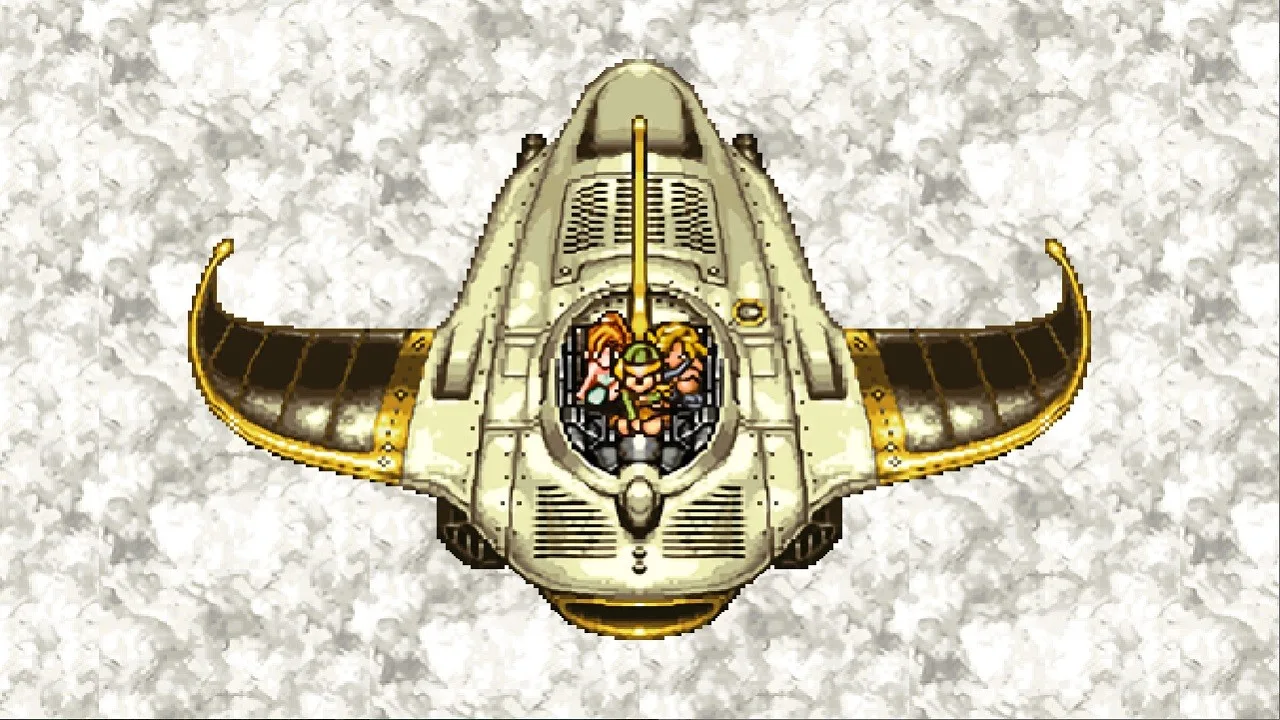
The entire soundtrack has been listened to over thirty times through headphones (apart from listening while playing) and still evokes chills down my spine with each listen. Some of the standout tracks are Bipolar Nightmare and Possessed by Disease. Adding to the emotional response, the vocals on many of the tracks are performed in a fictional language, which allows for emotional responses that cannot be expressed with words.
Available on PS5, Xbox and Steam. See the Snes.
3. Final Fantasy VI — Nobuo Uematsu
Yasunori Mitsuda was hospitalized due to exhaustion while writing Chrono Trigger. Most of the music was created while I was bedridden and is therefore consistent with the way I feel about the world now, as I listen to my music from a place of isolation. I was in a Hospital Bed for the recording of my music. So to that end, I have composed 64 Tracks that represent seven different Eras of Time (PREHISTORIC, MIDDLE AGES, FUTURE - POST-APOCALYPSE (Which I will describe in more detail later). Each track has its own distinct sound. For instance, in this (PREHISTORIC) era, I created 'TRIBAL' style musical instruments to give aural representation of TRIBAL DRUMS (ex. each drummer uses a different material) and so on for each ERA of TIME!!! See the Jrpgs On Steam Pc guide.
The most memorable track on the Chrono Trigger Soundtrack is "Corridors of Time". The Harp Arpeggios over the Bassline create such a feeling of Floating through Eternity that it has never been matched by another game title.
4. Persona 5 Royal — Shoji Meguro
What makes the Chrono Trigger Soundtrack #2 on this list is Mitsuda's ability to develop Themes that Grow Along with the Character that Plays them. For example, Frog's Theme starts as a Sad, Solo Piece, then develops into a Heroic Piece as shown through His Character Development. Wind Scene starts off as Music for Exploration Only, then becomes a Central theme to the Game's Climax. Each Theme has a Development. The Battle Theme is Heard Hundreds of Times during a Game Playthrough; however, it is not Repetitive because Mitsuda wrote it with enough Harmonic Complexity to Continue to Sound Fresh upon Being Replayed while Keeping It's Length Short to Prevent Boredom during Quick Encounters.
Mitsuda and Uematsu Work Together to produce the Soundtrack, both composers at the Highest Level of their Capabilities made for a Larger Range of Generic Sound than Either Could Have Accomplished Alone (Example: Neither could have written a Song 'CHRONO CROSS' which incorporates Electric Guitar with Violin). The SNES and DS versions represent the best way to experience Final Fantasy VI. See the Jrpg Battle Systems.
5. Xenogears — Yasunori Mitsuda
With Final Fantasy VI, Nobuo Uematsu took advantage of the capabilities of the SNES sound chip and created an absolutely incredible soundtrack. In the 17 minutes of Dance Mad (the song at the end of the game), Uematsu utilizes four different movements, starting with an organ that creates chaos, then moving to orchestral splendor, then choir voices created on a sound chip that was never intended to do that. In addition, the Opera Scene (Aria di Mezzo Carattere) contains a completely staged production using synth singing, which was able to make players cry back in 1994 and continues to do so now with the Pixel Remaster's release on Steam.
However, I believe what separates FFVI from other FF games is the fact that Uematsu created 14 unique themes to represent 14 different characters, in under 2 minutes, that express their personalities. For example, Terra's Theme is filled with wonder and uncertainty, Locke' Theme is full of adventure with an underlying sense of loss, and Celes's Theme is torn between doubt and redemption. Furthermore, the reprise of all of these themes during "The World of Ruin" is dark, slow and stripped down to reflect the fact that a major story change has taken place. The GBA covers the Advance version, which is the best portable version of this soundtrack. See the Ps1.
6. Octopath Traveler — Yasunori Nishiki
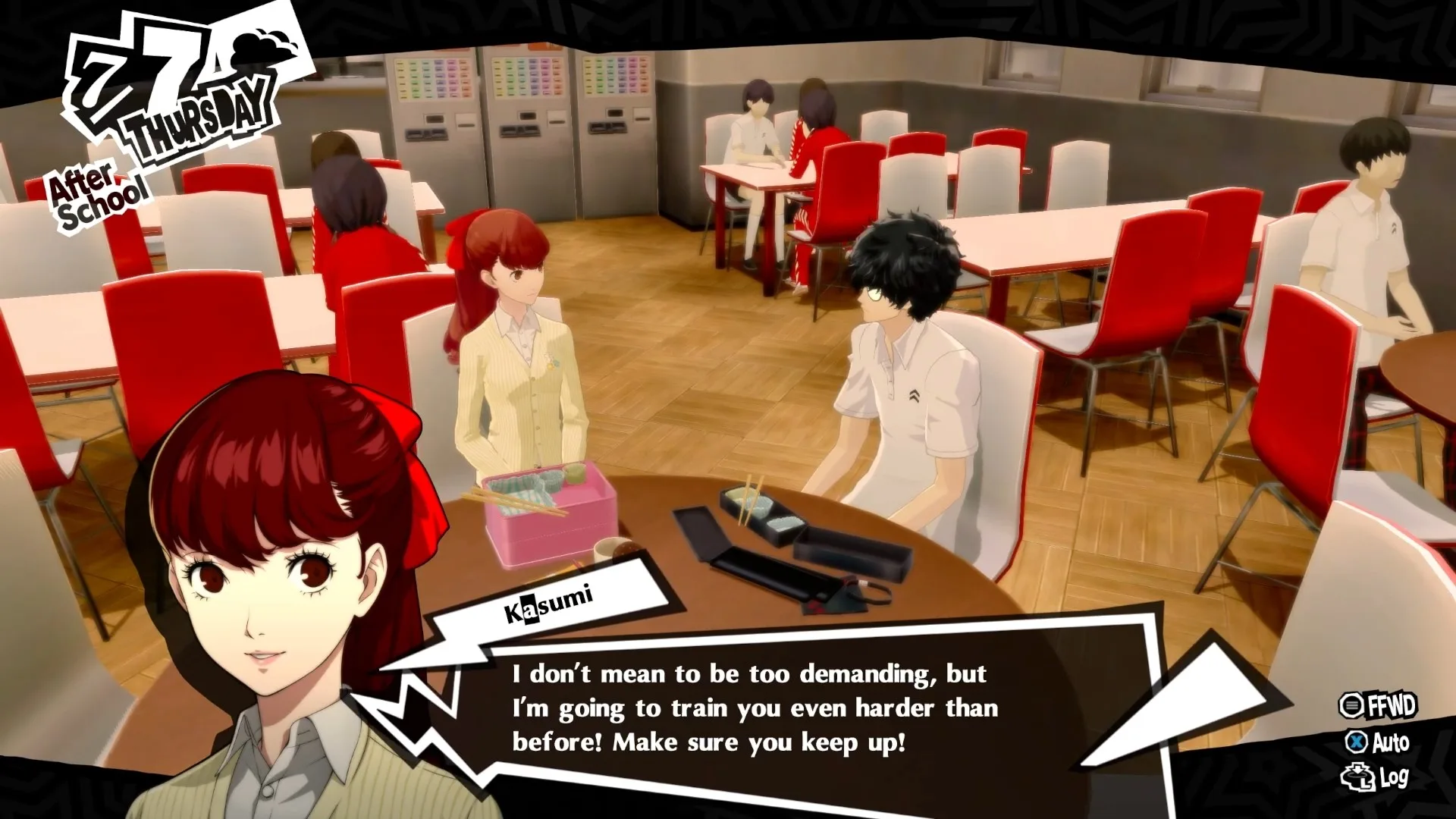
Shoji Meguro created acid jazz as the defining sound of JRPGs for 100+ hours of playtime, and it fits each of those hours perfectly. The first time you hear the bassline of "Life Will Change" when you play a calling card to a palace, the rush of adrenaline you get from this moment is one of the best audio experiences in video games. Similarly, the calming music of "Beneath the Mask" has helped to put me to sleep more times than I can count while walking around Yongen-Jaya on a quiet, summer evening. Lastly, "Rivers in the Desert," the music that plays during the most intense boss battles of the game, has a vocal intensity that matches the stakes.
One of the most impressive things about Persona 5's soundtrack is its consistency of genre. All of the pieces of music in Persona 5—from the menu music, battle themes, and ambient café sounds—are all in the jazz/funk/pop style. This creates a consistent audio identity for the entire game, something that many JRPGs fail to do as they often mix orchestral battle music with ambient exploration music and J-Pop opening themes. As for the Royal additions like "I Believe" and "Take Over," these are two of the strongest tracks on the extended soundtrack. In the P5R ranking of systems, battlegrounds were rated number one, and the soundtrack was a large part of why the battles never became tedious. practically, the intro to "Last Surprise," the standard battle theme, is so well-timed with the ambush animation that it appears to be choreographed rather than arbitrary. Even after hearing it more than a hundred times, the bass groove and the hook will make you smile. This is the definition of a properly executed battle theme; it has to withstand thousands of listens and still engender excitement. The Casino palace theme (‘The Whims of Fate’) is a completely different showcase that illustrates how Meguro can create a sexy lounge tune that works both in a dungeon setting and as an independent single, both a feat that no other JRPG composer is capable of. Available on Xbox. See the Jrpgs On Nintendo Switch guide. See the Jrpgs On Steam Pc guide.
7. Final Fantasy VII — Nobuo Uematsu
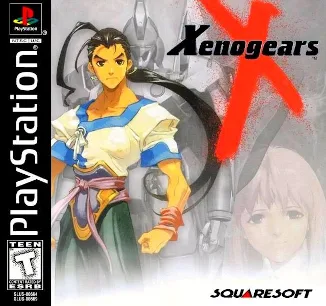
This is the second time Mitsuda appears on the list, and this may be his most ambitious work. Mitsuda mixed celtic folk melodies with Middle Eastern percussion, high tech synthesizers, and choir-style vocals in the soundtrack to Xenogears, creating an amazing cohesiveness where it shouldn't have been. The song ‘Small Two of Pieces’ sung by Joanne Hogg, is the most heartbreaking ending credits song in all of gaming. The first time I heard it, I sat through the whole credit sequence in shock, trying to comprehend what the game had just done to me.
The music box version of the main theme is when Mitsuda's layering techniques really come to light. At the start of the game, you hear a simple melody that you also hear at the end of the game, but it is played as a completely different arrangement, thus changing everything you think the melody has conveyed to you. The thematically recurring and emotionally evolving technique is one that Mitsuda invented, and every top JRPG composer since then has continued to use this technique. Experience best on PS1. See the Ps1 guide. See the Ps4 guide.
8. Metaphor: ReFantazio — Shoji Meguro
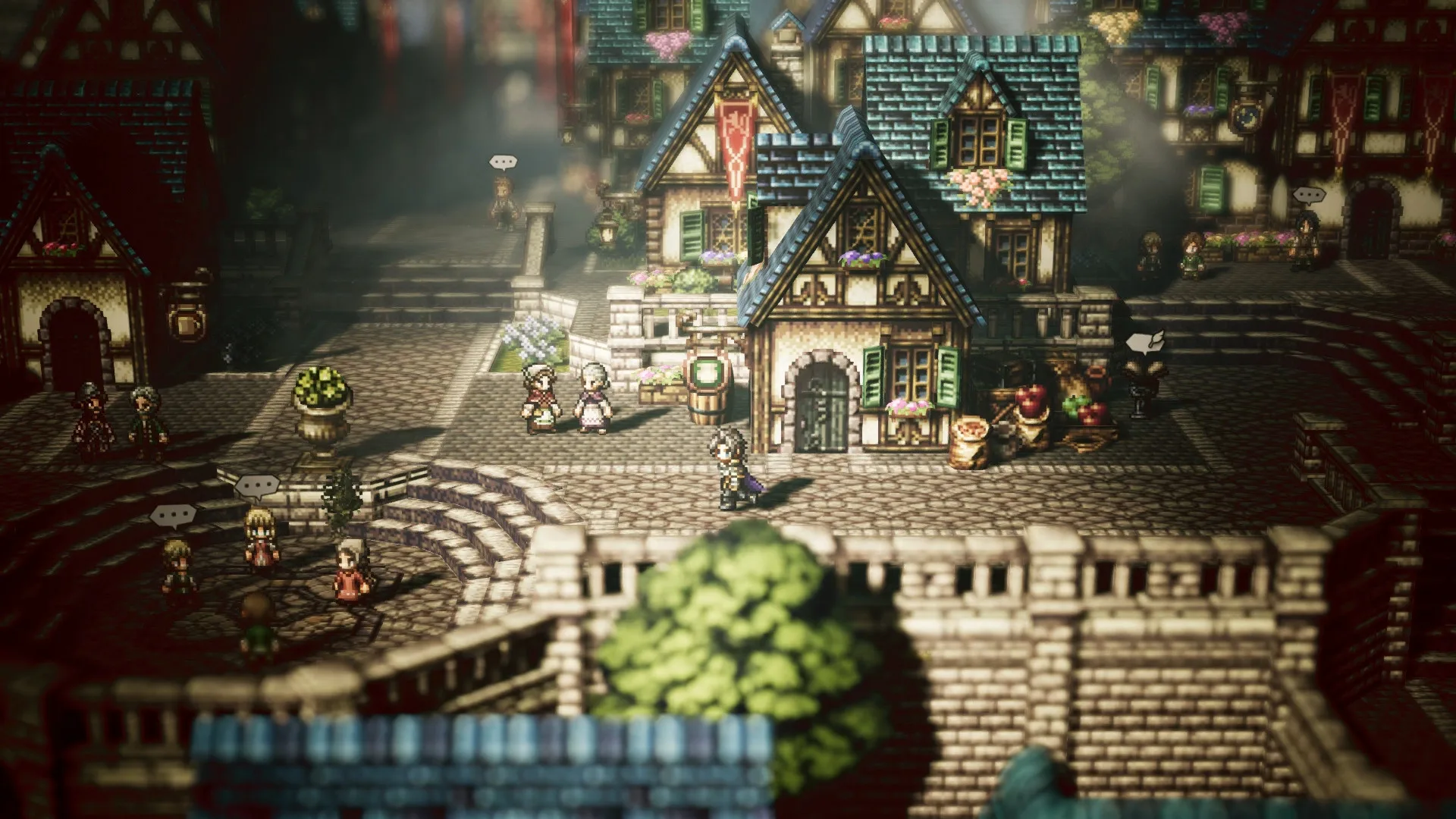
When the Octopath Traveler soundtrack was released, Yasunori Nishiki was relatively unknown, but immediately became one of the best composers in the industry. Each of the eight characters has their own themed song, which illustrates their personality and story arc, and are two minutes long. For example, Primrose's theme conveys the heavy burden of revenge, whereas Tressa's song expresses excitement of a young merchant seeing the world for the first time.
Nishiki's boss music deeply showcases his talent, especially with Decisive Battle II, which combines a rock band (i.e., drums, electric guitar and bass) with orchestral strings in a way that is both old and new at the same time. The final boss music borrows snippets of music that has been introduced to the player throughout their adventure, and merges the eight characters' themes into one climactic piece of music. Both of the soundtracks from the Octopath games reward the listener for paying attention to the music throughout their duration, whether they are played on Switch (the original) or PC (the sequel). The music that plays in each of the eight starting towns is also noteworthy; every town has unique music that corresponds with the main character from that town. For example, the warm string accompaniment in Cobbleston reflects Olberic's noble warrior personality, and the rhythmic percussion in Sunshade conveys the danger inherent in Primrose's underworld. This means that the music playing in town is not background noise, but rather serves as an introduction to each character prior to any dialogue. See the Jrpgs On Ps5 guide. See the Jrpgs On Steam Pc guide.
9. Xenoblade Chronicles — Shimomura, ACE+, Kiyota

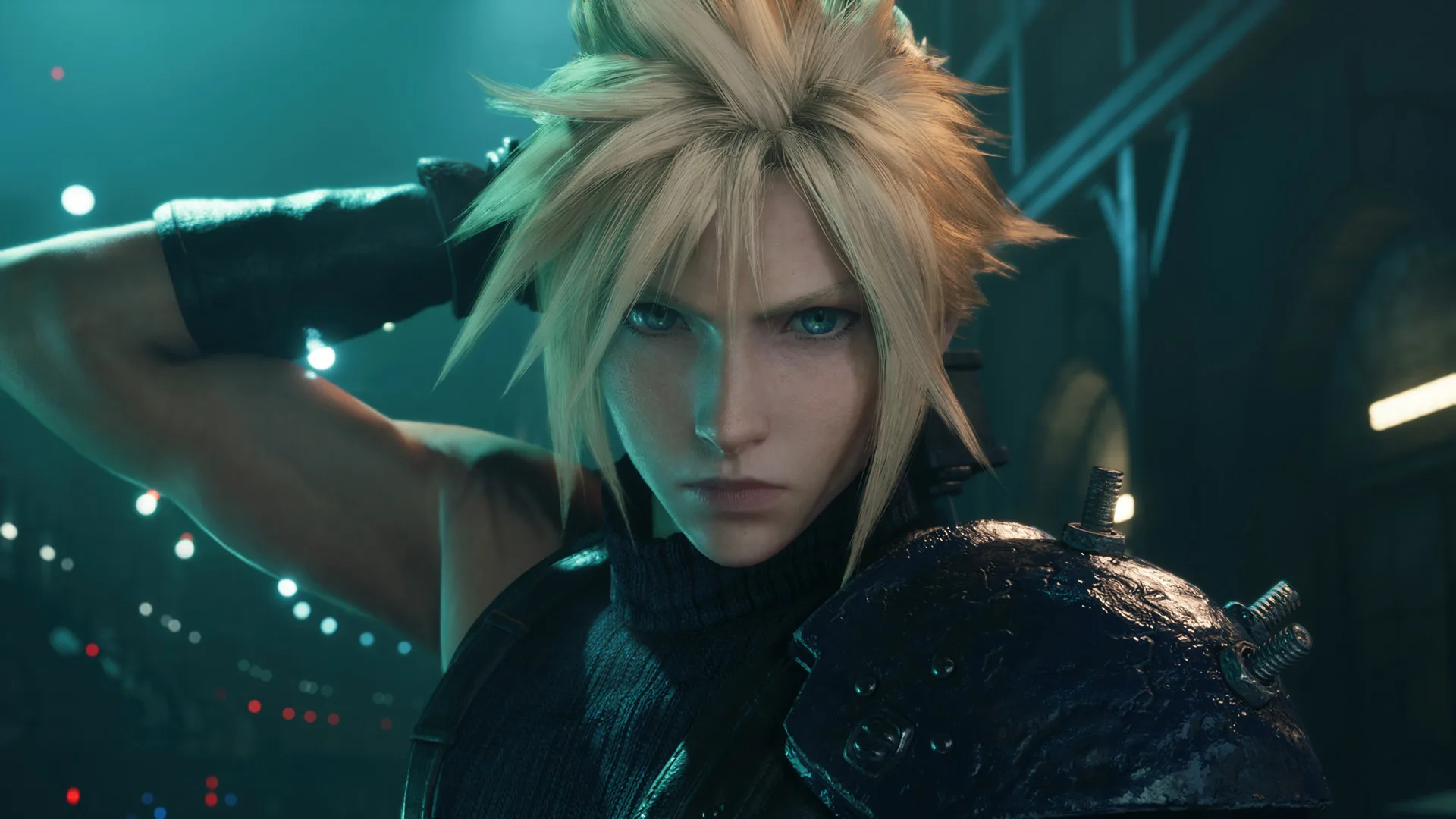
One of the most influential pieces of music in video games is One Winged Angel, which set a new standard for how a final boss fight could sound in gaming. Heavily dissonant strings combined with Latin choral singing and fast-paced, aggressive drumming was a drastic departure from what had previously been used for video games; it not only made users view Sephiroth as the most iconic character, it also made the general public expect a lot more from the music side of video games from then forward. Other pieces on the Final Fantasy VII soundtrack continue this trend of increasing expectations; Aerith's Theme is the emotional anchor in the game, and is used during what is traditionally described as the most famous death in gaming history, demonstrating how music can magnify the emotional impact of any story to levels that visual representation alone cannot achieve. We can experience the Midgar soundtrack that comprises of both industrial and atmospheric jazz-themed character moments in addition to tracks like the Wall Market theme, the Seventh Heaven theme and the Shinra building track. Uematsu has created 85 tracks for this game; the consistency within this enormous amount of music is nothing short of incredible. Hamauzu's expanded soundtrack for the Remake adds more modern orchestration but still retains the original sound. The Airbuster Boss encounter in the Remake with its 3-phased musical build from tense string patterns through to an orchestral finale gives me the impression that the new arrangements enhance moments that were only approximated by the PS1 hardware. Cosmo Canyon's music theme remains one of the most atmospheric pieces across the franchise due its sparse instrumentation and evocative connection to ancient wisdom and spirituality. The PS1 guide references the original versions; the PS4 guide references the Remake.
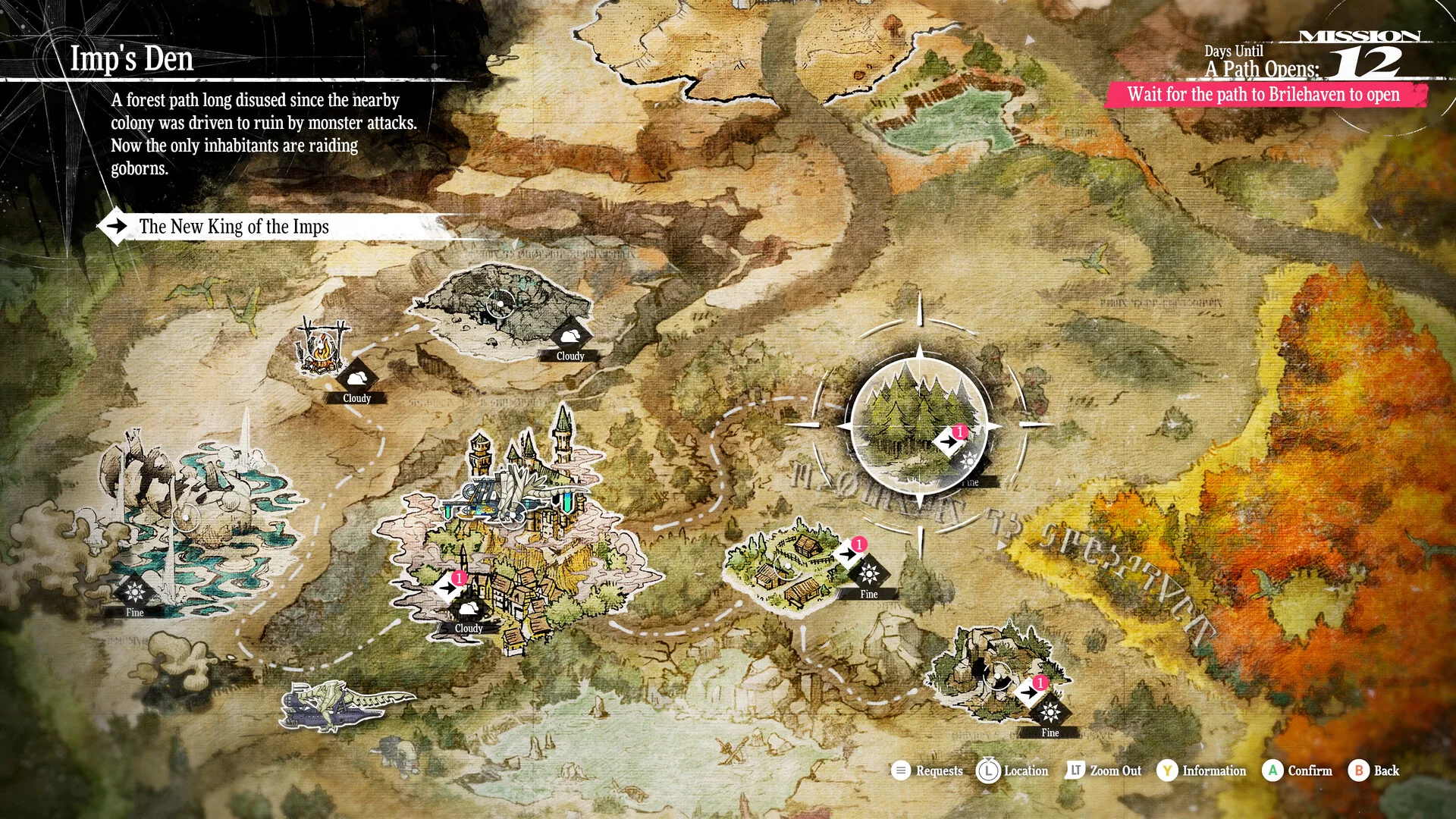
Meguro's second time making this list shows how his style can change completely when compared to the jazz of Persona 5. Metaphor: ReFantazio has established epic orchestrated battle themes, lush medieval instrumentations and choirs providing a high level of performance closely associated with the fantasy genre associated with this game. The Will of the People; overworld theme; is such an infectious melody that it was picked up by several of my coworkers who hummed that melody seemingly endlessly after finishing the project. See the Jrpgs On Nintendo Switch guide.
10. Chrono Cross — Yasunori Mitsuda
What most impresses about Meguro's efforts are how he maintains his rhythmic complexity while still changing his creative approach entirely from that of jazz into completely different types of music. In Xenoblade Chronicles, the first time the player enters the expansive grasslands of Gaur Plain serves as an indicator that this game series is different than other JRPGs. When players enter Gaur Plain they see just how big the leg of Bionis is via a camera pull-back view and are pulled into the action via an orchestral score with epic guitar riffs for one full minute. At Gaur Plain's night-time atmosphere, the epic musical cues are changed to softer, gentler piano cues creating a night and day difference in the overall atmosphere both visually and musically.
The collaboration between the three composers: Yoko Shimomura, ACE+ & Kiyota allowed for the depth and breadth of the soundtrack that would not have been possible with a single composer alone. All three composers contribute their unique soundscapes to the soundtrack, allowing for an exploration of all the different types of moods and themes within the game. The boss fight tracks composed by Shimomura will remind players of the epic nature of her music from the Kingdom Hearts series. The field battle tracks by ACE+ will give players an adventure sound throughout play. Kiyota's ambient soundtracks will give players moments of calm reflection before/after an epic battle. The Definitive Edition of Xenoblade Chronicles was also released on the Nintendo Switch which featured some of the songs remade with better instrumentation overall. For example, the Mechon standard battle theme titled Mechanical Rhythm features fast, pounding electronic beats which directly contrast with the organic orchestral field music providing yet another level of elaboration in the conflict between biological and mechanical civilisations through sound alone. One of finest examples of world-building featuring musical elements can be found in the striking contrast between Bionis and Mechonis through soundtracks. See the Jrpgs On Steam Pc guide.
11. Ys VIII: Lacrimosa of Dana — Falcom Sound Team jdk
This is the third time Mitsuda (his first being in Chrono Trigger) has made an appearance on my list, and this time it has become quite contentious. Chrono Cross is a controversial sequel, but there is no question that the soundtrack has been well received by gamers of all backgrounds. Scars of Time, the opening theme featuring guitar, violin, and drums in an arrangement that evokes feelings of longing, adventure, and sadness within three minutes, is probably the best opening theme ever created for a JRPG, and I will fight anyone who disagrees with that statement.
Because of the two parallel worlds in Chrono Cross, Mitsuda was able to compose for each of them differently; using a separate version of each area’s theme for both Home World and Another World, allowing him to be subtly different harmonically from one another so as to reflect the divergence. Same melody = Different emotional feel. It is a very ambitious type of writing and Mitsuda has done it successfully a total of sixty-seven times, never missing with even one of those tracks. You can get your hands on the game through the remastered version of Radical Dreamers for the Switch and Steam.
12. Clair Obscur: Expedition 33 — Various
Falcom’s in-house sound team is the biggest untapped resource in JRPG music. The soundtrack for Ys VIII: Lacrimosa of Dana is a multi-faceted audio experience to keep you engaged during your exploration; encompassing contemporary rock, jazz fusion, and symphonic score and never failing to inspire action. The Sunshine Coastline theme has got to be the catchiest exploration theme ever written; a full-length song in guitar with an accompanying drum track that will have you believing you can conquer any continent just by running across an uninhabited island! Themes of the Boss in the Story deliver full force, as you would expect from the intensity of a heavy metal concert, yet still possess enough melodic hooks to be remembered by the listener for weeks.
The difference between Falcom and the other developers lies in their use of rock instrumentation in a genre dominated by classical, film-style, or symphonic music. The Ys series has been heavily involved with electric guitars and driving percussion since the 1980s, and with VIII, this style has come to fruition. The release of VIII first on the Vita and then again on the Switch is largely attributable to the soundtrack. Through repeated listens of Dana's Theme, an emotional vocal piece that accompanies the flashback scenes when the game reaches its most intense moments, the other parts of the score (the adrenaline-producing rock battle themes) find a perfect counterpart to the emotion conveyed in Dana's Theme. Without Dana's Theme, the OST would be composed solely of fast-paced, adrenaline-driven pieces; and too much of each produces an unsteady emotional balance. With Dana's Theme, the OST achieves a wonderful emotional balance between exciting and emotive music; something most action JRPG's fail to do; and, there will be other Falcom products released in the next two years that continue this trend. See the Jrpgs On Ps5 guide. See the Jrpgs On Steam Pc guide.
Why JRPG Soundtracks Outlast the Games
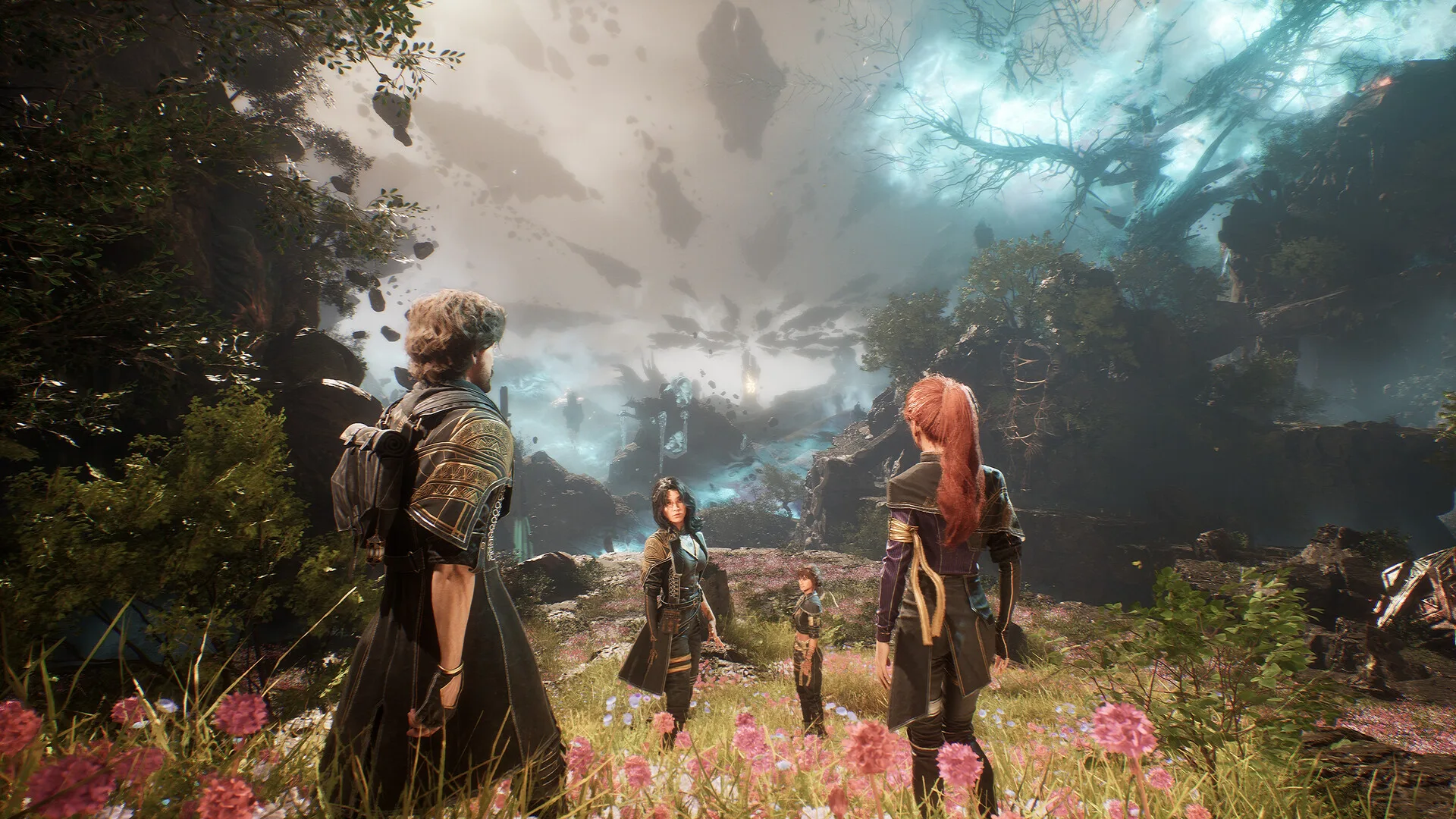
This is a relatively new entry on this list, but it exemplifies that the JRPG musical tradition continues to be very much alive and well, as demonstrated by the Clair Obscur music score that was composed to match the painterly style of the visuals. The score features sweeping strings used in exploration, tense percussion to accompany timed input battle scenes, and a hauntingly beautiful piece that is played during the Paintress battle. This score acts as a strong evidence that a Western studio can produce JRPG music that can stand in the same vein as the world class JRPG music produced by Japanese studios for decades, and it is hoped that this will establish a benchmark for future international JRPG products. 2025 Game of the Year was released on Xbox and will also be available for PS5 and Steam.
The challenge of producing a JRPG sound track is requiring that the music be able to carry emotional weight for lengths of time that no other form of media has been able to manage. For example, a film score will typically have to support the film for a maximum of two hours. A JRPG soundtrack, on the other hand, typically needs to support the player for a total of between 50 and 100 hours, without becoming repetitive or stale. By design, the length of time used and any constraints placed upon the composer force them to create music that is sufficiently deep in texture to be able to reward the listener with repeated plays; and, as a result, JRPG themed battle music generally holds up as standalone music far better than the majority of the music found in video games.
A second aspect is thematic integration. The most accomplished JRPG composers I’ve analyzed do not just compose pieces of music for the sake of accompanying a videogame’s story; they create compositions that tell the game’s story. Specifically, when I hear Aerith’s Theme in Final Fantasy VII, I’m not recalling a song; instead, I’m recalling the narrative moment that I experienced through that song. Similarly, when Corridors of Time plays in Chrono Trigger, I’m not listening to some background audio; instead, I’m experiencing the weight of an entire civilization frozen in time, thanks to that audio. This idea of “emotional imprinting” is what separates mediocre soundtracks from great ones; it is the reason I can listen to most JRPG compositions from over twenty years ago and still experience some level of emotional connection to the piece. What these composers on this list understood is that game music is not background noise. Rather, it is a narrative tool. Music expresses how I feel about the game when other elements (visual and textual) fall short. Music can turn a Menu Screen into an anticipatory moment, a random encounter into a moment of skill-testing, and a Final Boss into an emotional investment of one hundred hours. Therefore, JRPG soundtracks do not just accompany extraordinarily good videogames; they are fundamental components of making those games extraordinary to begin with. See the Jrpgs On Nintendo Switch guide. See the Jrpgs On Ps5 guide. See the Ps4 guide. See the Jrpgs On Steam Pc guide. See the 3Ds guide. See the Ps1 guide. See the Ps2 guide.
Read more in our JRPGs with Chilling Music.