
There's a moment in every great JRPG soundtrack where the music stops being background and becomes the scene. The hairs on your arms stand up. Your throat tightens. You put the controller down — not because something happened on screen, but because the music told your body something was about to. These aren't the "best" JRPG tracks in terms of composition or popularity. They're the tracks that produce a physical reaction — the ones that give you chills even on the fifth listen, even outside the game, even when you're on a train with earbuds in and someone asks why you look like you're about to cry. Eight games. Eight moments. The specific tracks that hit hardest.
Final Fantasy X — "To Zanarkand" (Opening)
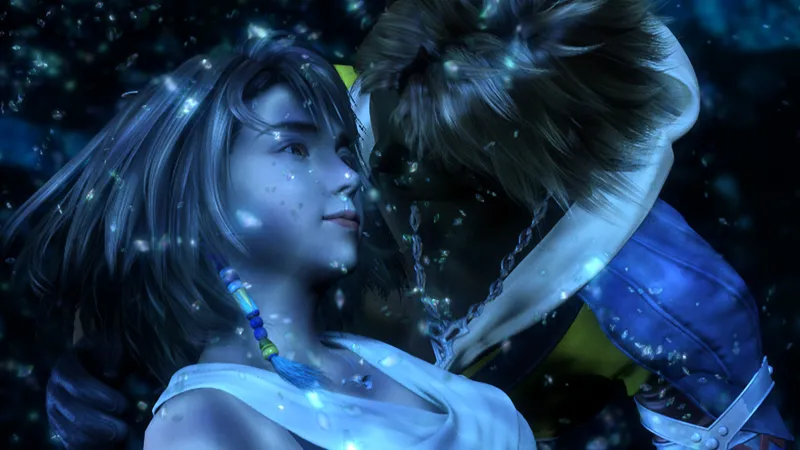
Nobuo Uematsu wrote "To Zanarkand" as a solo piano piece, and it plays over FFX's opening scene: Tidus and the party sitting around a campfire in the ruins of a dead city. You don't know these people yet. You don't know why the city is destroyed. The melody tells you everything the game will spend sixty hours confirming: this is a story about loss, and you're watching the ending before the beginning. The genius is in the placement — starting the game at its conclusion, scored by a piece so melancholy that your emotional investment begins before a single line of dialogue. After sixty hours, when you reach Zanarkand and the melody returns, it carries the accumulated weight of every hour you spent getting there. The same notes. The same piano. A completely different meaning.
NieR: Automata — "Weight of the World" (Ending E)
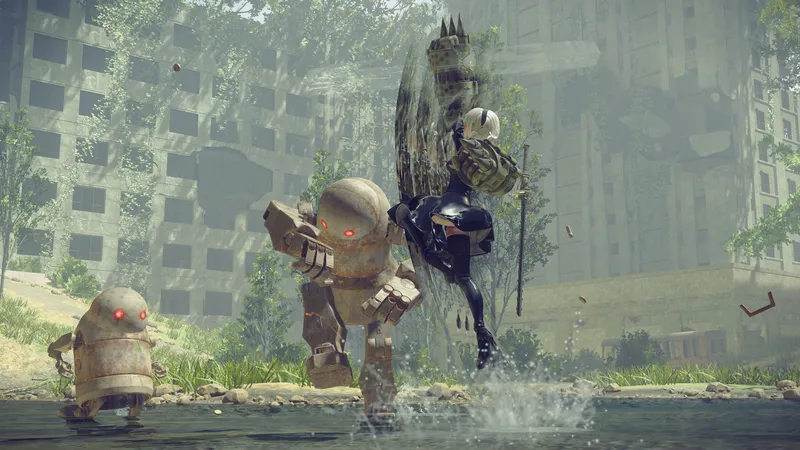
"Weight of the World" plays in three versions across Automata's endings. The English version for Ending A. The Japanese version for Ending B. And the chaos version for Ending E — a mashup of both languages that builds from a solo vocal into a full choir as the game asks you to make a sacrifice that costs something real. I won't spoil the mechanic. But the moment the choir swells and you understand what the game is asking — and what strangers before you already gave — is the single most powerful use of music in any game I've played. The chills aren't from the melody. They're from the context. The song doesn't change. What it means does.
Persona 4 Golden — "Never More" (Ending Credits)
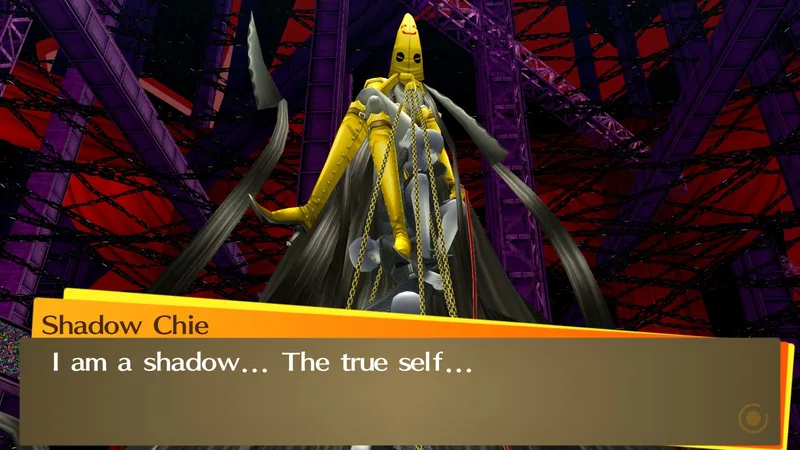
"Never More" plays over Persona 4's ending credits as your character leaves Inaba on a train, watching the town and the friends you spent a hundred hours with disappear into the distance. Shoji Meguro composed it as a J-pop ballad — simple chord progression, English lyrics about treasuring memories, a vocal delivery from Shihoko Hirata that sounds like she's trying not to cry. It works because of the hundred hours before it. Every Social Link, every rainy afternoon at Junes, every Midnight Channel rescue — "Never More" is the summary of all of it, delivered at the exact moment you're saying goodbye. The chills come from recognition: the music is articulating exactly what you're feeling, and you didn't know you were feeling it until the song told you.
Xenoblade Chronicles 3 — "Where We Belong" (Flute Theme)
Noah plays the flute at send-off ceremonies for fallen soldiers — a ritual where the dead are released as motes of light while a melody guides them. The flute theme appears throughout XB3 in fragments: during send-offs, during quiet camp scenes, during moments where characters confront the fact that they have ten years to live and every day is borrowed time. Then it appears in full at the ending, and the cumulative effect of hearing those fragments assembled into a complete piece — scored against the most emotionally charged scene in the Xenoblade trilogy — produces chills that start in your arms and don't stop until the screen fades. The melody is simple. The flute is unaccompanied. And it carries the weight of every send-off you witnessed across eighty hours.
Mother 3 — "Love Theme" (Final Boss)
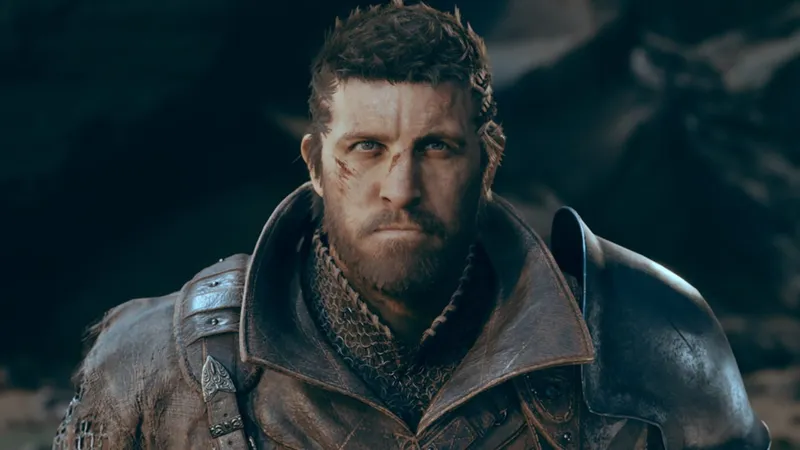
I can't explain why this track gives chills without spoiling Mother 3's ending, and I refuse to spoil Mother 3's ending. What I'll say is this: the final boss fight uses music as a mechanic. The track that plays is a melody you've heard throughout the game in different forms — fragmented, distorted, rearranged. When it appears in its complete, original form during the final encounter, the recognition of what you're hearing and what it means hits simultaneously with the emotional climax of a story about family, loss, and the cost of growing up. The GBA's sound chip renders it in simple tones. The simplicity is the point. No orchestral swell could hit harder than this melody played plainly, at the moment it matters most.
SMT V: Vengeance — "Battle -Dancing Crazy Murder-"
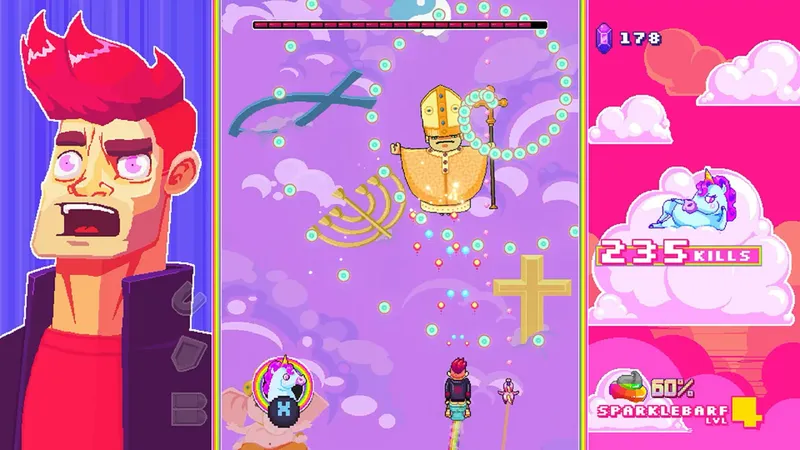
Not every chill is melancholy. SMT V's standard battle theme — "Dancing Crazy Murder" — produces chills through sheer intensity. Ryota Kozuka composed a track that layers electronic beats, distorted guitar, choral vocals, and a bassline that vibrates your sternum if you're wearing headphones. It plays thousands of times across the game, and unlike most battle themes that fade into background noise, this one escalates. The chorus hits like a wall. The tempo shifts keep you off-balance. And the juxtaposition of sacred choir and violent electronics mirrors the game's thematic tension between divinity and destruction. The press-turn combat is intense enough on its own. The soundtrack makes it feel dangerous.
Tales of Arise — "Blue Moon" (Shionne's Theme)
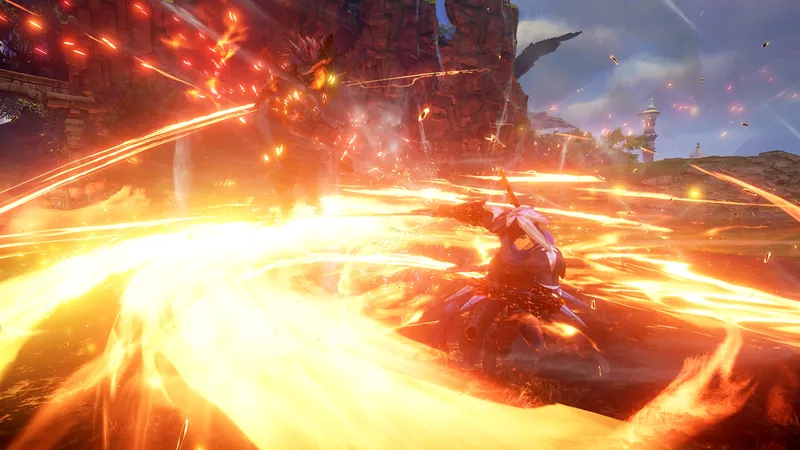
"Blue Moon" plays during Shionne's most vulnerable moments in Tales of Arise — a vocal ballad by Ayaka that strips away the character's defensive thorns (literally and figuratively) and exposes the loneliness underneath. The track is understated by JRPG standards: no orchestral bombast, no choir, just a voice and a piano carrying a melody about wanting connection while being terrified of it. The chills come from contrast — Shionne spends thirty hours pushing everyone away, and the moments where the music lets you see past that facade hit harder because you've been waiting for them. Motoi Sakuraba's broader score for Arise is his best work in years, but "Blue Moon" is the track that stays with you after the credits.
Chrono Cross — "Scars of Time" (Opening)
Yasunori Mitsuda's "Scars of Time" plays over Chrono Cross's opening cinematic, and it's three minutes of goosebumps rendered in MIDI. The track opens with a flamenco guitar that builds into a full orchestral arrangement — horns, strings, percussion — with a melody that sounds simultaneously triumphant and melancholy, like celebrating something you've already lost. Mitsuda composed it as a companion to Chrono Trigger's optimistic themes, and the tonal shift is deliberate: where Trigger's music says "adventure awaits," Cross's music says "adventure has consequences." The opening cinematic shows parallel worlds colliding while this melody swells, and whether or not you end up loving Chrono Cross (opinions vary wildly), "Scars of Time" is three minutes of JRPG perfection that nobody disputes. Twenty-seven years later, it still gives me chills every single time.
What Makes Music Give You Chills
Psychologists call it "frisson" — the physical shiver response triggered by music that violates or fulfills expectations in emotionally charged contexts. JRPGs are frisson machines because they give you sixty hours of context before deploying the track that matters. "To Zanarkand" works because you've walked for sixty hours. "Weight of the World" works because the game spent thirty hours teaching you what sacrifice means. "Never More" works because you spent a hundred hours building the friendships it's summarizing. The music doesn't create the emotion. The game creates the emotion. The music detonates it. That's why JRPG chills hit different from film or concert chills — the fuse is sixty hours long, and when the music lights it, the explosion isn't metaphorical. You feel it in your body. Arms. Neck. Throat. That's not nostalgia. That's craft.
For broader context across the JRPG genre, see our Best RPGs of All Time ranking — the chilling-music tradition runs through many of those entries.
All images are official screenshots from their respective publishers and developers. Published March 30, 2026.