
Turn-based combat is the backbone of the JRPG genre. Before action RPGs took over the spotlight, this was how every fight played out — your party on one side, enemies on the other, and a menu full of choices that could mean the difference between victory and a game over screen you'd already seen four times. Some people call turn-based "old-fashioned." Those people haven't played the right games.
This list is specifically about the TURN-BASED experience — games where the tactical thinking between turns IS the gameplay. No real-time combat, no action dodge-rolling, no button mashing. Pure strategy, party composition, and the satisfaction of executing a perfect plan. Some of these are household names. Others are indie darlings that flew under most radars. All of them prove that turn-based combat isn't just surviving — it's thriving. Updated March 2026.
For platform-specific JRPG guides, see PS5, Switch, Steam, Xbox, PS4, PS2, PS1, SNES, PSP, GBA, DS, 3DS, and Vita. The JRPG tier list ranks games cross-platform, and the best RPGs of all time covers the genre's peaks.
12. Battle Chasers: Nightwar
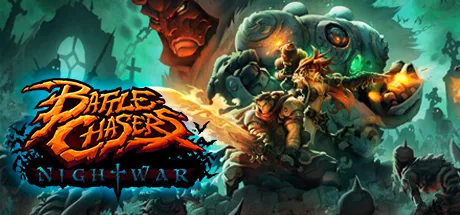
Based on Joe Madureira's comic book series, Battle Chasers takes the western comic aesthetic and wraps it around a surprisingly deep turn-based system. The Overcharge mechanic — building up extra mana by using basic attacks — adds a risk-reward layer to every encounter. Do you spend your mana now on a big heal, or build Overcharge for two turns to unleash a devastating burst? The procedurally generated dungeons keep things fresh across multiple runs, and the crafting system is one of the most satisfying I've used in any RPG. The art style is gorgeous — Madureira's linework translates beautifully to 3D. It's not trying to be a JRPG, but it learned from the best of them.
Source: Airship Syndicate / THQ Nordic via Steam
11. Indivisible
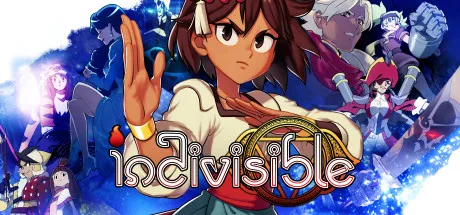
Lab Zero (the Skullgirls studio) made a turn-based RPG with Metroidvania exploration and Valkyrie Profile-style combat. Each party member is mapped to a button, and timing your attacks to chain combos turns every battle into a rhythmic puzzle. The Southeast Asian mythology setting is refreshingly different from the standard medieval fantasy — Ajna's world draws from Thai, Indonesian, and Polynesian cultures with a visual style that pops off the screen. The story stumbles in the back half and the game was sadly left unfinished due to studio issues, but the first 15 hours are some of the most inventive turn-based combat I've experienced. If you miss the Valkyrie Profile combat feel, this is the closest modern equivalent.
Source: Lab Zero Games / 505 Games via Steam
10. South Park: The Stick of Truth
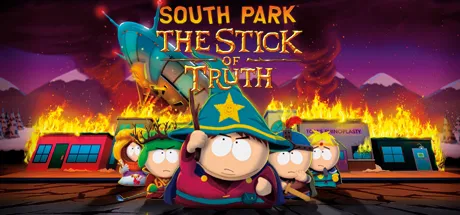
Yes, it counts. Obsidian made a legitimate turn-based RPG wearing a South Park costume, and the combat is really good. Timed button presses for attack and defense, class-based abilities, equipment that matters, and status effects that are exactly as disgusting as you'd expect from South Park. But the real achievement is that it plays EXACTLY like an episode of the show — the pacing, the escalation, the way a simple fantasy LARP game between kids spirals into something involving aliens, Nazi zombies, and government conspiracies. It's 12 hours long, zero filler, and the turn-based Paper Mario-style combat carries every fight. If you think turn-based RPGs can't be funny, this game exists specifically to prove you wrong.
Source: Obsidian Entertainment / Ubisoft via Steam
9. Etrian Odyssey Origins Collection

Etrian Odyssey is a dungeon crawler in the purest sense — you build a party from scratch, descend into a labyrinth, and draw your own map as you go. The Origins Collection brings the first three games to modern platforms with HD visuals and quality-of-life improvements, but the core experience is unchanged: brutal random encounters, FOEs (powerful enemies that move on the map and will absolutely destroy you if you engage them too early), and party building that rewards system mastery. I spent more time in the character creation screen than some people spend in entire games. Running a Landsknecht/Medic/Survivalist/Alchemist/Protector frontline taught me more about turn-based party composition than any other game on this list. Atlus made this for people who think modern JRPGs are too easy. They're right.
Source: Atlus / Sega via Steam
8. Cosmic Star Heroine
Zeboyd Games looked at Chrono Trigger and Phantasy Star IV, mashed them together, and set the result in a sci-fi world dripping with 16-bit charm. The combat system is deceptively deep — each ability can only be used once before you need to Defend to recharge them, which means every turn matters. The Hyper mode mechanic (powering up after a set number of turns) forces you to time your strongest attacks around predictable windows. It's short (10-12 hours), tight, and respects your time in a way that most modern JRPGs don't. Alyssa's story about a spy agency gone rogue isn't going to win writing awards, but it moves fast and never stops being fun. For five dollars on a Steam sale, this is the best value in turn-based RPGs.
Source: Zeboyd Games via Steam
7. Astlibra Revision

One person made this game. Over fifteen years. And it's better than most studio-produced JRPGs. Astlibra is technically a side-scrolling action RPG, but the weight system — where you balance offensive and defensive stats on a literal scale — and the turn-based boss phases make it feel like a hybrid that rewards strategic thinking. The story starts generic and becomes really moving by the halfway point. The skill tree is one of the most elaborate I've seen in any game. And the boss fights — my god, the boss fights. Each one feels like a puzzle that demands you understand every system the game has taught you. If you want proof that one passionate developer can outshine entire studios, Astlibra is exhibit A.
Source: KEIZO via Steam
6. Bug Fables: The Everlasting Sapling

Nintendo stopped making Paper Mario RPGs, so Moonsprout Games made one themselves. Bug Fables is a love letter to The Thousand-Year Door that manages to develop its own identity — Vi the bee, Kabbu the beetle, and Leif the moth are a party dynamic that rivals any Nintendo cast. The turn-based combat uses the same timed-hit system as Paper Mario, with the added wrinkle that you can pass turns between party members (giving Vi two attacks in a row at the cost of Kabbu's turn). Medal customization replaces badges with the same depth. The worldbuilding — an entire insect civilization with politics, religion, and a criminal underworld — is absurdly charming. It's the Paper Mario sequel Nintendo refused to make, built by fans who understood exactly what made the original magic.
Source: Moonsprout Games / DANGEN Entertainment via Steam
5. Shadow Hearts: Covenant
Shadow Hearts: Covenant is the game I recommend to people who say turn-based combat is boring. The Judgment Ring — a timing-based wheel where you hit colored zones to determine attack power — turns every single action into an active skill check. Miss the ring? Your heal does nothing. Hit the narrow red zone? Critical damage. It's the difference between passive menu-selecting and engaged, heart-pounding combat. The story is set during World War I with demons, vampires, and a wrestler who suplexes wolves. Yuri Hyuga might be the most underrated protagonist in JRPG history — a man actually fusing with demons while cracking jokes about how weird everything is. This game was stuck on PS2 for twenty years until the recent remaster finally brought it to Steam. Play it immediately.
Source: Nautilus / Square Enix via Steam
4. OMORI
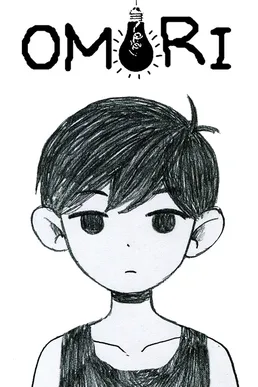
OMORI is a turn-based RPG about a boy who lives in a dreamworld because the real world contains something he can't face. The emotion system — Happy, Sad, Angry, Afraid — functions as both a combat mechanic (emotions create strengths and weaknesses like elemental types) and a narrative device (the game is actually about processing feelings). The tonal whiplash between the colorful dreamworld and the increasingly disturbing real world is masterful. I played OMORI expecting a cute indie RPG and finished it staring at my screen for twenty minutes trying to process what just happened. The turn-based combat is excellent on its own terms, but it's the integration of gameplay and psychological horror storytelling that makes OMORI unforgettable. Fair warning: this game deals with heavy themes. It earned every content warning.
Source: OMOCAT via Steam
3. Eiyuden Chronicle: Hundred Heroes
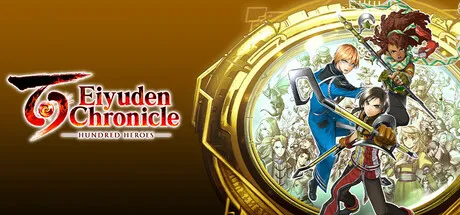
The spiritual successor to Suikoden, made by the original creators. 120 recruitable characters, a headquarters that grows as you recruit, war battles, duels, and a political storyline about the clash between magic and technology. The six-person party formation system adds a positional layer — front row fighters protect back row mages, and certain character combinations unlock Hero Combos that devastate the battlefield. If you mourned when Konami abandoned Suikoden, Eiyuden Chronicle is the game you've been waiting for. It doesn't quite reach Suikoden II's heights (few games do), but the recruitment loop — finding, convincing, and deploying 120 unique characters — scratches an itch that nothing else in the genre attempts at this scale. The turn-based battles are clean, fast, and never overstay their welcome.
Source: Rabbit & Bear Studios / 505 Games via Steam
2. Chained Echoes
One developer, seven years, and the result is one of the best turn-based JRPGs ever made. Matthias Linda built a game that plays like a lost SNES classic — Chrono Trigger's pacing, Final Fantasy VI's ensemble cast, Xenogears' mecha segments — but with a modern combat system that eliminates every annoyance of the genre. No random encounters. No grinding. The Overdrive gauge rewards variety: spam the same attack and the gauge overheats, weakening your party. Use different skills and elements and the gauge stays in the sweet spot, buffing everyone. It's an elegantly simple mechanic that makes every battle feel like a puzzle. The story takes genuine risks. Characters die. Alliances shift. The mecha combat in the back half is a welcome change of pace. I finished this in 30 hours and wished it was longer. If I could only recommend one turn-based JRPG from the past five years, this would be it.
Source: Matthias Linda / Deck13 via Steam
1. Dragon Quest III HD-2D Remake
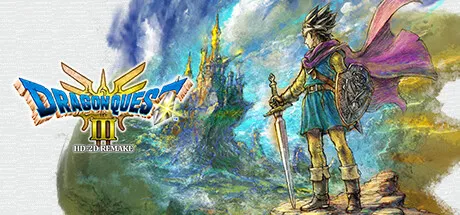
The original Dragon Quest III invented the JRPG class system in 1988. The HD-2D Remake proved that the game didn't need modernizing — it needed beautifying. The core design was already perfect. Build a party from scratch. Choose their classes. Explore a world based on real-world geography. Fight monsters with menus. That's it. That's the entire game. And it's the purest expression of what turn-based combat can be when the underlying systems are impeccable. The Vocation system lets you change classes and carry over learned skills, creating a character-building rabbit hole that's kept me theorycrafting across three separate playthroughs. The HD-2D visual treatment makes every town and dungeon look like a diorama you want to live in. The soundtrack reorchestration is breathtaking. And the post-game revelation — connecting DQ3 to the Erdrick trilogy — still gives me chills even knowing it's coming. This is the foundation of the entire genre. Thirty-eight years later, it's still the king.
Source: Square Enix / Team Asano via Steam
Why Turn-Based Still Matters
Every year someone declares turn-based combat dead. Every year a game like Chained Echoes or OMORI proves them wrong. The format isn't outdated — it's refined. Turn-based combat gives you time to think, plan, and feel the weight of your decisions in a way that real-time action never can. When you lose in a turn-based RPG, you know exactly which decision killed you. When you win, you know exactly which strategy saved you. That clarity is the genre's greatest strength.
If you want to explore the genre deeper, check out the full Switch, PS5, and Steam platform lists — many of those games feature excellent turn-based combat alongside their other strengths. And for games where the relationship systems matter as much as the battles, the social link list has you covered.
All images are official promotional materials sourced from their respective publishers' Steam store pages. Dragon Quest III HD-2D — Square Enix / Team Asano. Chained Echoes — Matthias Linda / Deck13. Eiyuden Chronicle — Rabbit & Bear Studios / 505 Games. OMORI — OMOCAT. Shadow Hearts Covenant — Nautilus / Square Enix. Bug Fables — Moonsprout Games / DANGEN. Astlibra Revision — KEIZO. Cosmic Star Heroine — Zeboyd Games. Etrian Odyssey HD — Atlus / Sega. South Park Stick of Truth — Obsidian / Ubisoft. Battle Chasers — Airship Syndicate / THQ Nordic. Indivisible — Lab Zero / 505 Games. All trademarks belong to their respective owners. Published March 22, 2026. Last updated: March 22, 2026.
The battle systems analyzes combat design, the soundtracks ranking covers the music, and the JRPG meaning guide explains the genre's roots. For shorter RPGs under 20 hours, that guide has options. The 2026 recommendations page has fresh picks. For more, see our ranking of JRPGs with the best stories.