
The combat system is the deciding factor of whether a JRPG will succeed or fail. Story provides motivation to begin a game, but combat comprises about 70% of actual gameplay time in a JRPG. The number of JRPGs with fantastic narratives but terribly unfun combat is many, and many have been given up on for that reason. I have played JRPGs for over twenty years, and I have established many strong opinions regarding which JRPG combat systems deserve recognition, not only for their enjoyment factor but for their mechanical innovation to the extent that they completely transform the way the genre is defined as a whole.
This ranking of the twelve best JRPG combat systems is based on several factors, including combat depth, gaming innovation, player agency, and, ultimately, how well each system stacks up against others in the year 2026. The ranking is based on combat systems, not on specific titles; therefore, a system that has an so-so narrative but has outstanding combat will rank higher than a title with a great narrative but mediocre battle mechanics. For an overall ranking based on characters and stories, consult the Best RPGs of All Time list.
1. Persona 5 Royal — One More / Press Turn
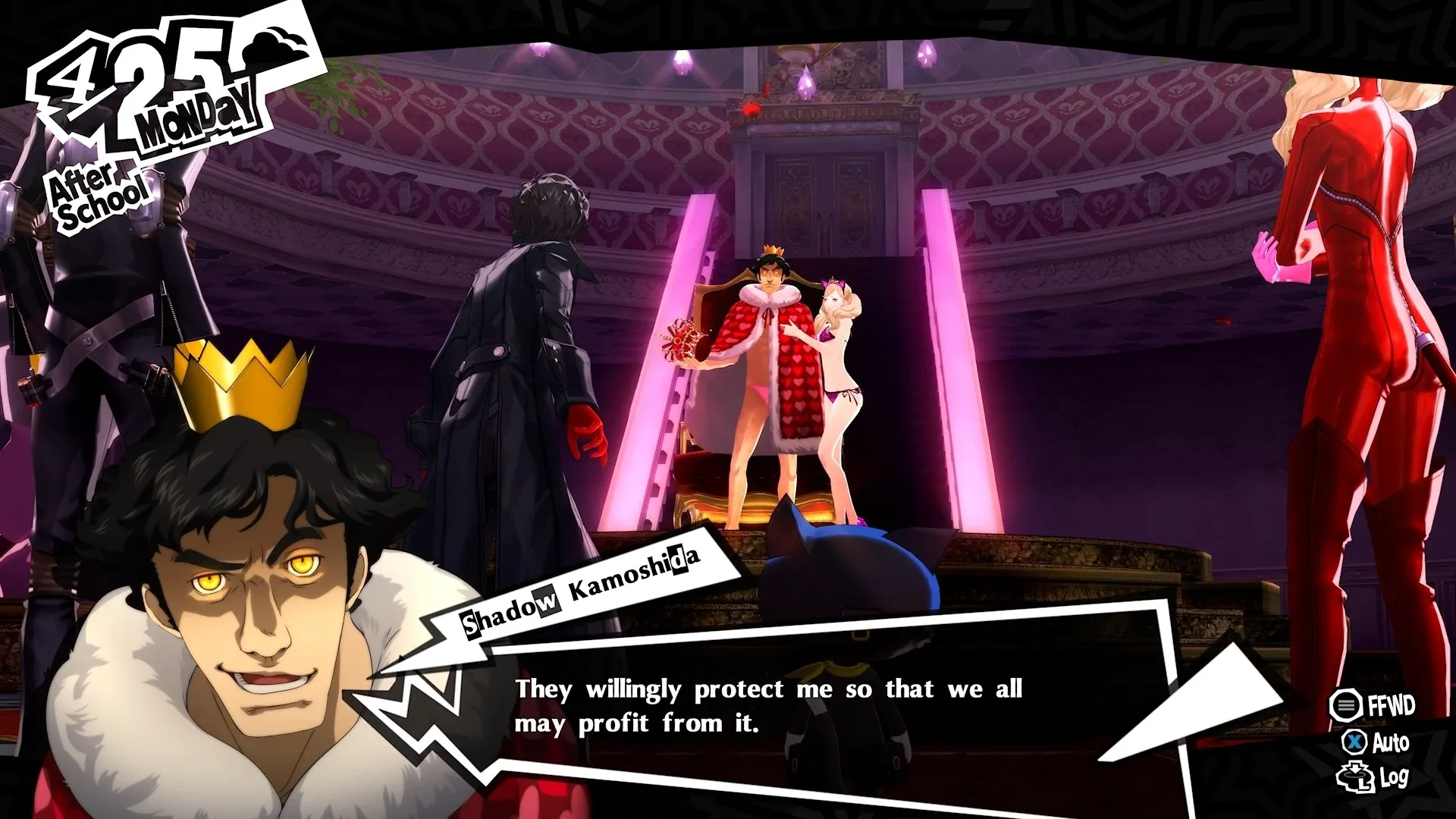
The One More System in Persona 5 Royal offers the best turn-based combat system in JRPGs. The first stage is to try to exploit an enemy's weak point to get another turn (that is, get another turn if you can get three or more additional turns) and chain that additional turn to another one to end up with a total of five turns. When you reach five chained turns, an enemy is held up while the player party surrounds him. At this point, the user has three choices: perform an All-Out Attack on the enemy, negotiate with the enemy, or demand items from the enemy. Each random battle becomes a puzzle: can you identify the weaknesses quickly enough to kill the enemy before they get a turn?
I believe what takes this formula from great to S-tier is how it interacts with every mechanic in the game. In particular, the relationships that you develop with Confidants (dating) in the JRPG side of the game apply directly to improving combat abilities. For example, Ryuji's Confidant rank determines his follow-up attack strength; Hifumi Togo allows you to change party members mid-battle. Additionally, since the protagonist is constantly evolving his toolkit through the Persona Fusion System, every battle is a chance to test out new builds. My first 120 hours of gameplay in the Xbox version were not spent feeling like I was grinding; each encounter was an opportunity to try out new Persona builds. In Royal, extending an action to a teammate through the Baton Pass system will also enhance that teammate's damage, allowing for creating combo chains that feel like you are leading an orchestra of destruction. Finally, the new Showtime Attacks added to Royal give pairs of characters unique finishers that will occur at random based on your relationship with that character. This fundamentally ties the life simulation and combat systems together. Lastly, new Boss Encounters in the third semester of Royal are among the toughest fights in the series and will force you to use all available tools.
2. Chrono Trigger — Dual and Triple Techs
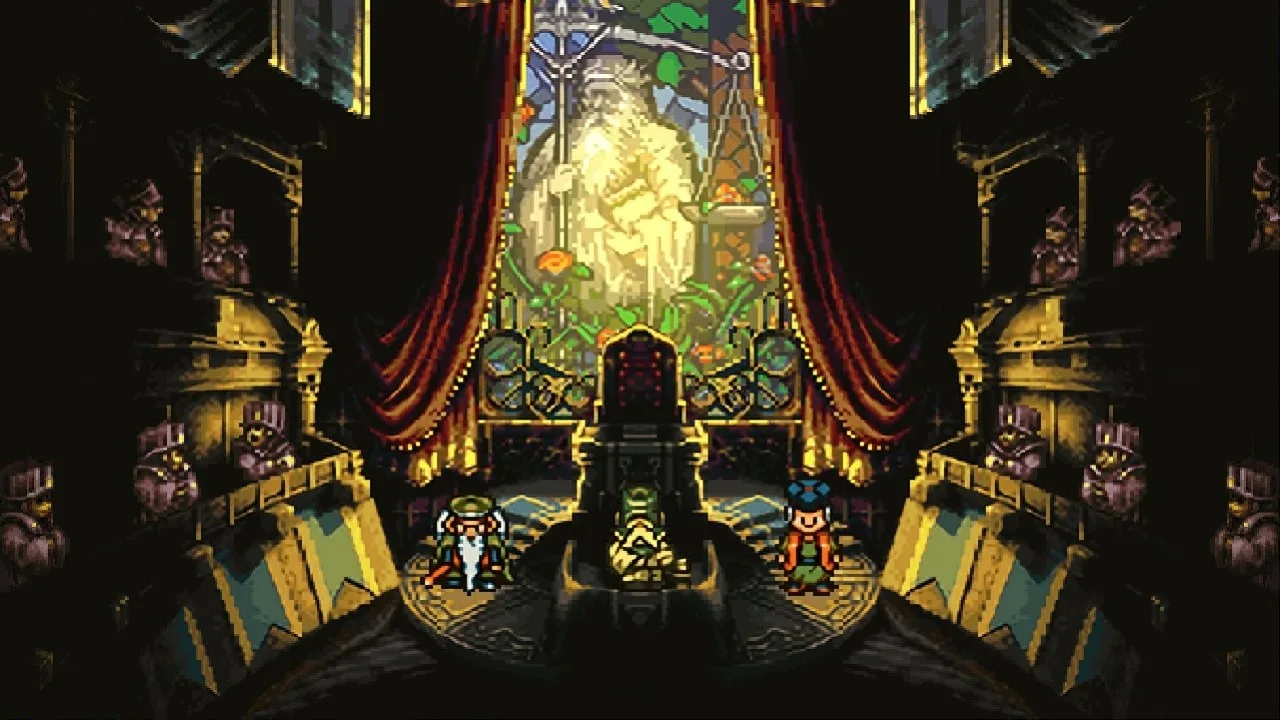
In 1995, the battle system of Chrono Trigger accomplished three feats that the genre still struggles to catch up to today. The random encounters in-game were removed as battles were visible on the map screen; characters had a unique position on battlefield which allowed certain characters the ability use techniques on certain characters. The last innovation of the Duel/Triple System is the reason why Chrono Trigger ranks 2nd as each party combination creates new tactical options rather than just stats. Crono and Frog repeat a technique called "X-Strike," but when Marle is added to the team delta force is available to them. All party combinations produce their own unique techniques with unique animations, damage types, and area of effect. I have played Chrono Trigger four times on both SNES and DS producing different combinations as yet again with each party combination new tech techniques that will produce new combinations have been found; JRPG's of today have no concept of producing this much incentive for experimentation via Skill Trees or otherwise.
Grandia II has the most underrated battle engine I have seen in the genre; I will debate to anyone who disagrees with this statement. "Initiative Point Timeline," a visible gauge that represents when each participant will act, changes the dynamics of each battle into a chess match; therefore, one could assess the point of when an enemy will utilize their greatest attack and provide an opportunity to use/execute a tool to bypass the execution of that "greatest" attack: For example, if you cancel an enemy attack it will reset its position on the Initiative Point Timeline and delay their turn; as an additional strategy, if you land a critical damage hit it would reset their position even further back to their original position on the Initiative Point Timeline. The beauty of this system is that status effects matter. With most JRPGs, I rarely use buff spells and go for pure groceries to do more work quickly than casting a buff spell; however, when using a speed buff on the healer, the difference between having your party wiped out or winning a fight against a boss will depend on whether or not you're able to get your healer to cast their spell before the boss uses its ultimate attack. Each and every boss battle in this game teaches players how to read the timeline, see who/what is currently threatening them, and use the tools available to them to do away with this threat. The system makes one feel much more like a tactician than a pure damage calculator. The entire Grandia franchise (which included the original Grandia on PS1) fits in this category, but Grandia II perfected the system. The Mana Egg System is cool to me because it gives players control over the elemental "coverage" of characters, and the Special Moves for each character also have “upgrade trees” that reward players for using them repeatedly. I've never played another JRPG where there is the same satisfaction from cancelling an enemy spell as there is from performing a Critical Hit; seeing how far back an enemy is knocked back in the timeline is just one of those design elements that makes everything work.
3. Grandia II — Initiative Point Timeline
Square Enix tried to combine the traditional turn-based/active combat system through the use of the Active Time Battle (ATB) gauge in Final Fantasy VII Remake, and they accomplished this for the most part. You have one character you control during real-time action combat while the gauge for the active battle system (ATB) fills up, which can then be spent on magic, abilities and items via a menu system that slows time (to a crawl). Therefore, while the combat may seem fast-paced and real-time from an external perspective, it maintains the strategic element of the traditional menu system underneath.
What I’ve found particularly intriguing is that all characters behave distinctly. Cloud is a rewards-type character who is more effective at close range, has a counter stance while using his Punisher Mode, and strikes his enemies with greater strength and speed than the rest of the group. Tifa’s approach to the game is to chain martial arts combos in order to build her stagger damage multiplier. Aeris uses an offensive approach to magic user, creates areas that will cause direct damage to her enemies through their use of spells, and can also heal and buff her entire party. Barret plays as a defensive ranged warrior, and physically stands between the opponent and the rest of the group while engaging in combat. Swapping characters in the middle of combat is not only recommended, but necessary, as the implementation of AI will not optimize the usage of ATB amongst the different characters that are engaged in combat as part of the same group. See the Ps1 guide.
4. Final Fantasy VII Remake — Hybrid ATB/Action
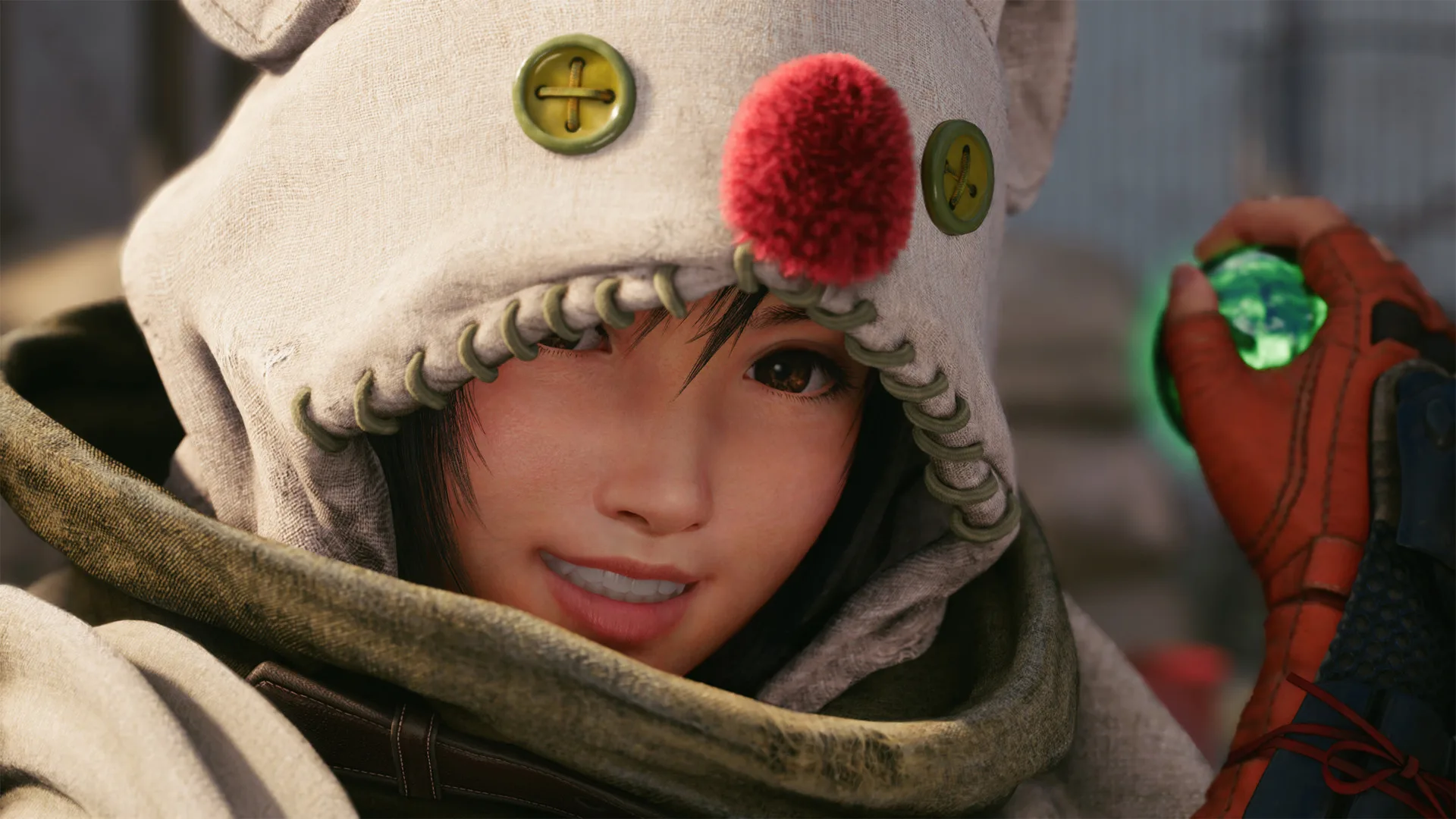
My experience with Intergrade (playing on PS5) and with the addition of the Yuffie DLC pushes the boundaries of this system, as it has shown that you do not have to choose between action or strategy. The stagger mechanic alone is an example; sustained pressure against an enemy, filling their stagger gauge, provides an overall rhythm to each fight, creates a single opportunity to capitalize on that rhythm, and rewards the player for implementing that strategy appropriately. In fact, Tifa serves as the group's stagger damage multiplier specialist; she is ultimately the determining factor as to whether a fight is resolved in 30 seconds or in 5 minutes after a prolonged battle. The Remake brings back the Materia System from the original and fits it neatly into the Remake's combat system, allowing for the customization of each character's spell list, summon and passive abilities.
In turn-based combat, the Break and Boost System in Octopath Traveler has been the most beneficial innovation since the weakness strategy from Persona. Enemies have a shield counter and a variety of weapon and elemental vulnerabilities. By targeting the vulnerabilities, you can break down the enemy's shield until it is gone. When the shield has been broken, the enemy will be stunned for an entire turn, take increased damage, and will lose their next turn. See the PS5.
5. Octopath Traveler — Break and Boost
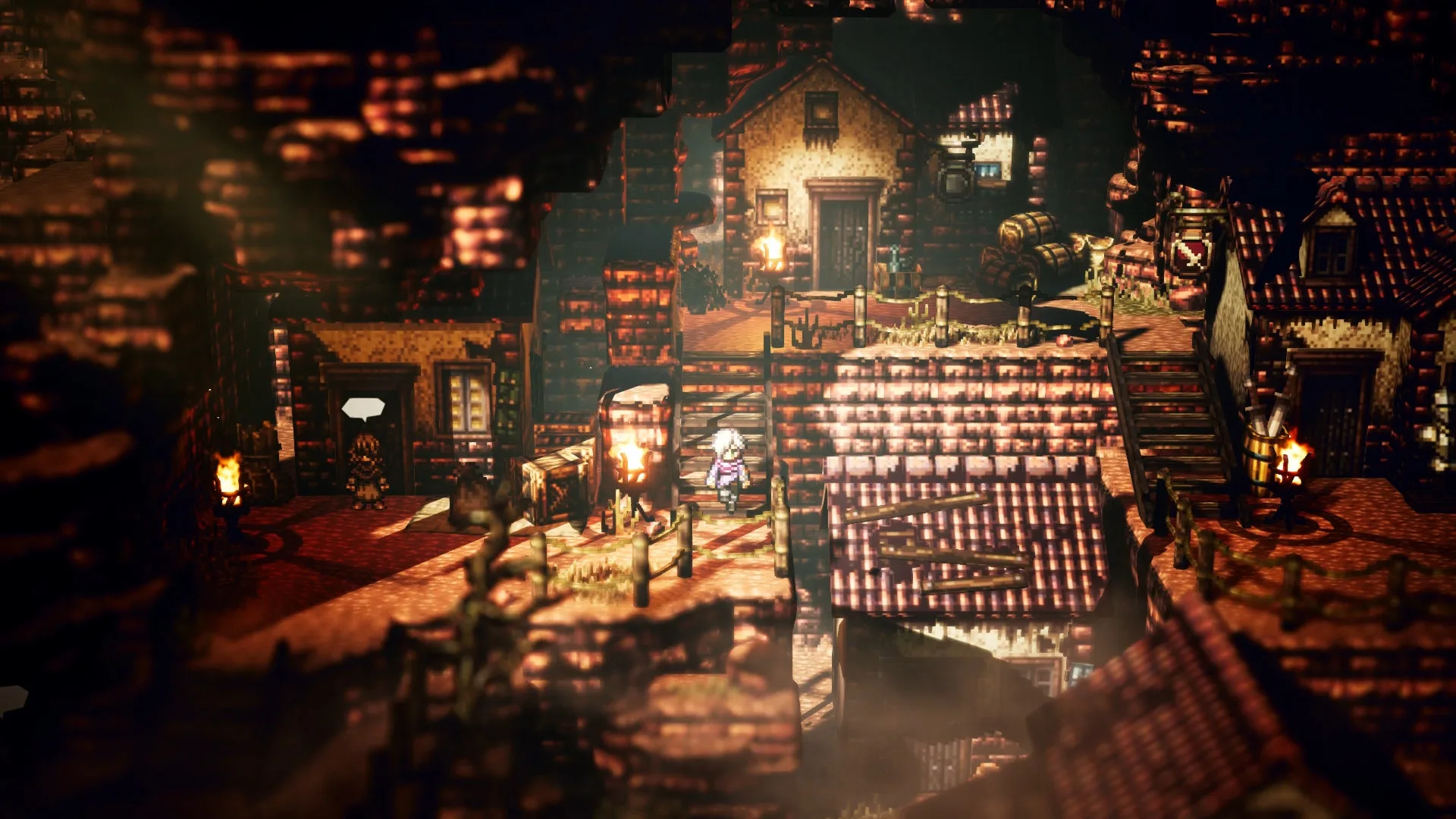
A large portion of the strategic depth comes from balancing the need to quickly break the enemy's shield and save the Boost Points so you can maximize damage when you finally break their shield. Are you going to spend three Boost Points now to break the boss, or save them for a big attack after the shield is broken? The push-pull between using Boost Points or breaking shields allows players to remain engaged for more than 80 hours across the two Octopath titles on the Switch. On top of this, the Job System further adds to the depth of the game's combat system by allowing you to assign a second job to the characters in order to expand the amount of weaknesses that your characters can exploit. Many people that I know that do not like turn-based combat have played the game and enjoyed it. Watching the Scholar class cast a fully Boosted Fire spell onto a broken enemy's shield for 30,000 damage is the type of moment that creates a fist pump in a turn-based game. Part II improves upon the existing formula with the addition of Latent Powers which trigger unique effects when a char's health falls below 50%, giving the game an additional comeback mechanic for utilizing aggressive tactics. That dopamine high of using weaknesses, maintaining the Boost economy, and timing your burst windows is what stands out so much about the Octopath combat system in comparison to other less developed turn-based combat systems that just auto-attack your way through battles.
Since 1995, the Tales series has been developing and improving its action gameplay combat mechanics, and Tales of Arise represents the culmination of the Linear Motion Battle System. Ground-based combos transition seamlessly from a ground-based combo into my own aerial juggling, Artes's chaining is determined by button assignment, and Boost strikes allow other players to be called in for a movie-esque finishing blow after an opponent has been stunned. It plays like a fighting game; just like Tekken, I can spend hours practicing my own combo routes.
6. Tales of Arise — Linear Motion / Boost Strike
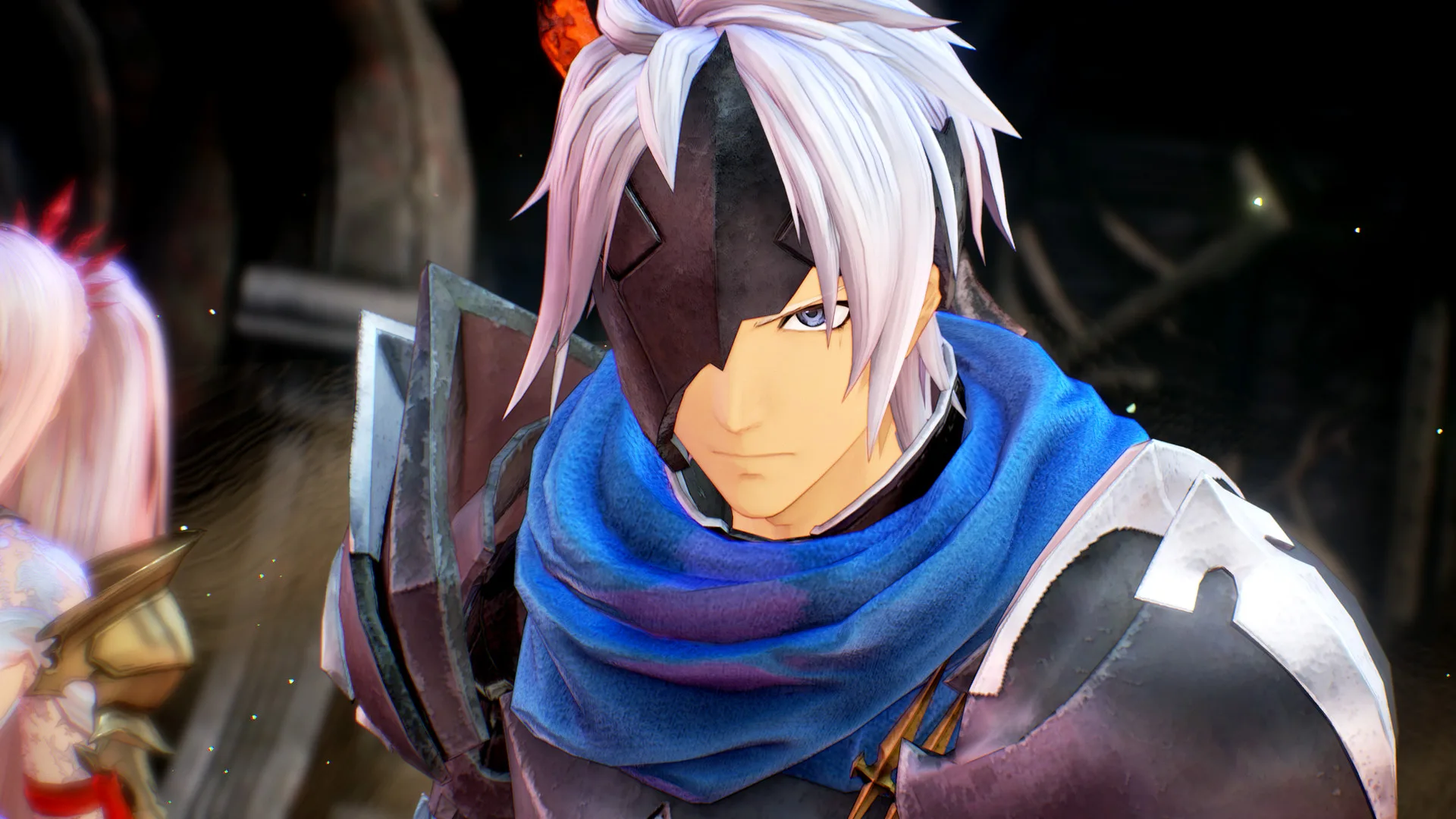
Arise surpasses past titles, like Graces f and Vesperia, in that it teaches the player its systems without giving them too much information too soon. The first 10 hours of gameplay introduce normal attacks, Artes, Boost Attacks, Boost Strikes, and Mystic Artes in a slow, progressive manner. By the time a player reaches the third region of the game, all of the training wheels have been removed and players are executing 200-hit combos on the boss while keeping track of their AG Gauge, dodging attacks that were telegraphed to them, and calling in assist attacks. Suitable for PS5, Xbox and Steam.
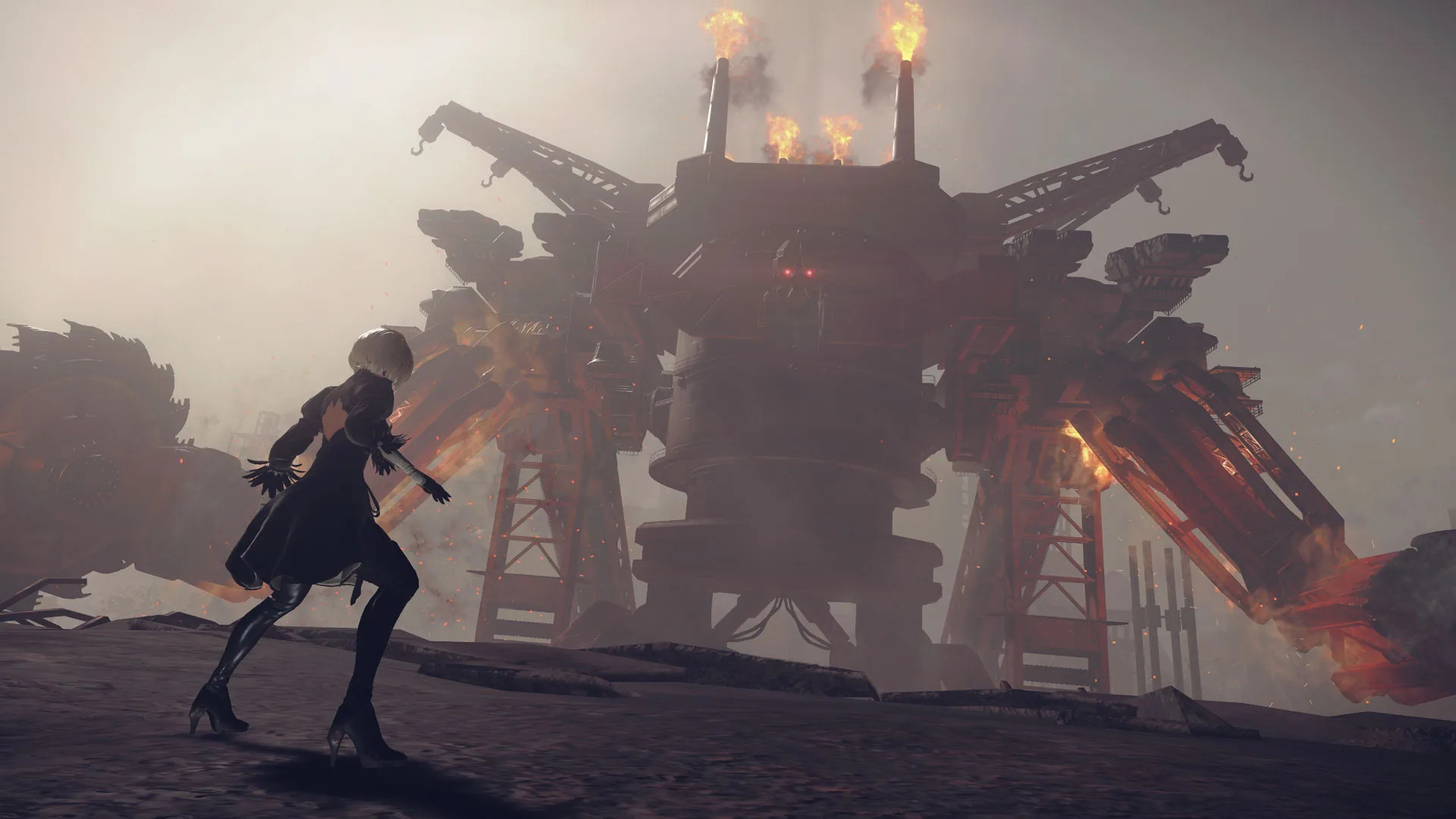
From a mechanical standpoint, the combat in NieR: Automata is the culmination of PlatinumGames doing what they do best in the most responsive, stylish and mechanically generous way possible: light attacks, heavy attacks, Pod Programs for long-range damage, and an invincibility frame dodge that rewards aggressive behaviour. 2B's build customisation via the Chip System is absurdly extensive; I can remove Heads-Up Display components, and re-allocate those Chip Slots into combat bonuses. There are no Action RPG games on this list that have Combat as Unique as Automata is, due to varying Combat styles across 3 Routes of Play. While Route A features Character Action-style combat, Route B uses a Hacking Minigame for the 9S character and provides him with Twin Stick Shooter (TS2) style gameplay; the last Route features A2 with her Berserk Mode that turns her into a "Glass Cannon" (weapons do massive damage to enemies while taking High Risks with Low Health). Throughout each Route, the overall Combat System was Reinvented three times with Consistency. Rarely do we see a game allow for so many different types of weapons while offering a variety of additional Lore tied to each weapon via Upgrade Paths/Increased Damage and available Combo Routes. Lastly, the Accessibility vs. Depth for this game is at its Peak; for difficulty levels Normal & Hard you can either use the game to button smash or utilize Perfect Dodge Timing, Chip Loadout Strategy, Weapon Matchup Knowledge, etc. More Information regarding why Nier Autonata had an S Tier Ranking was provided in the JRPG's Tier List.
7. NieR: Automata — PlatinumGames Action
Final Fantasy X moved away from the Active Time Battle System (ATB) that was associated with all six (Previous) Main Series FF games. However, the result of that Decision is that we have ever seen or produced FF5), but FFX introduced a New Combat System called Conditional Turn-Based (CTB). This New System provides Visible Turn Order on-screen for all Characters involved in Combat. Each Action taken changes the visible Turn order displayed on top of this screen. If a Haste spell is cast on a character, that character receives their next turn immediately. If you execute a Quick Hit, the next character to take a turn will now have taken their turn earlier than expected. Conversely if you cast a spell that is very slow and takes a long time for the Spell to execute, you will suffer from the loss of a Turn.
I like the Character Swap mechanic of FFX more than any other part of the game. There are no penalties for changing party members during battle, allowing encounters to be designed by combining the right player with the correct enemy type. For example, Wakka (who can deal with aerial opponents), Lulu (who can exploit elemental vulnerabilities), and Auron (who can break down tough enemies). This creates a rock-paper-scissors dynamic; therefore, noting how things are going on the battlefield and making a good choice is more important than just having high numerical statistics. The PlayStation 2 version of this game was my first exposure to strategic JRPG combat, and the addition of the Sphere Grid character development system adds depth to the ability to customize characters and assists in making this system enjoyable and easy to master, providing in excess of 60 hours of entertainment.
8. Final Fantasy X — Conditional Turn-Based
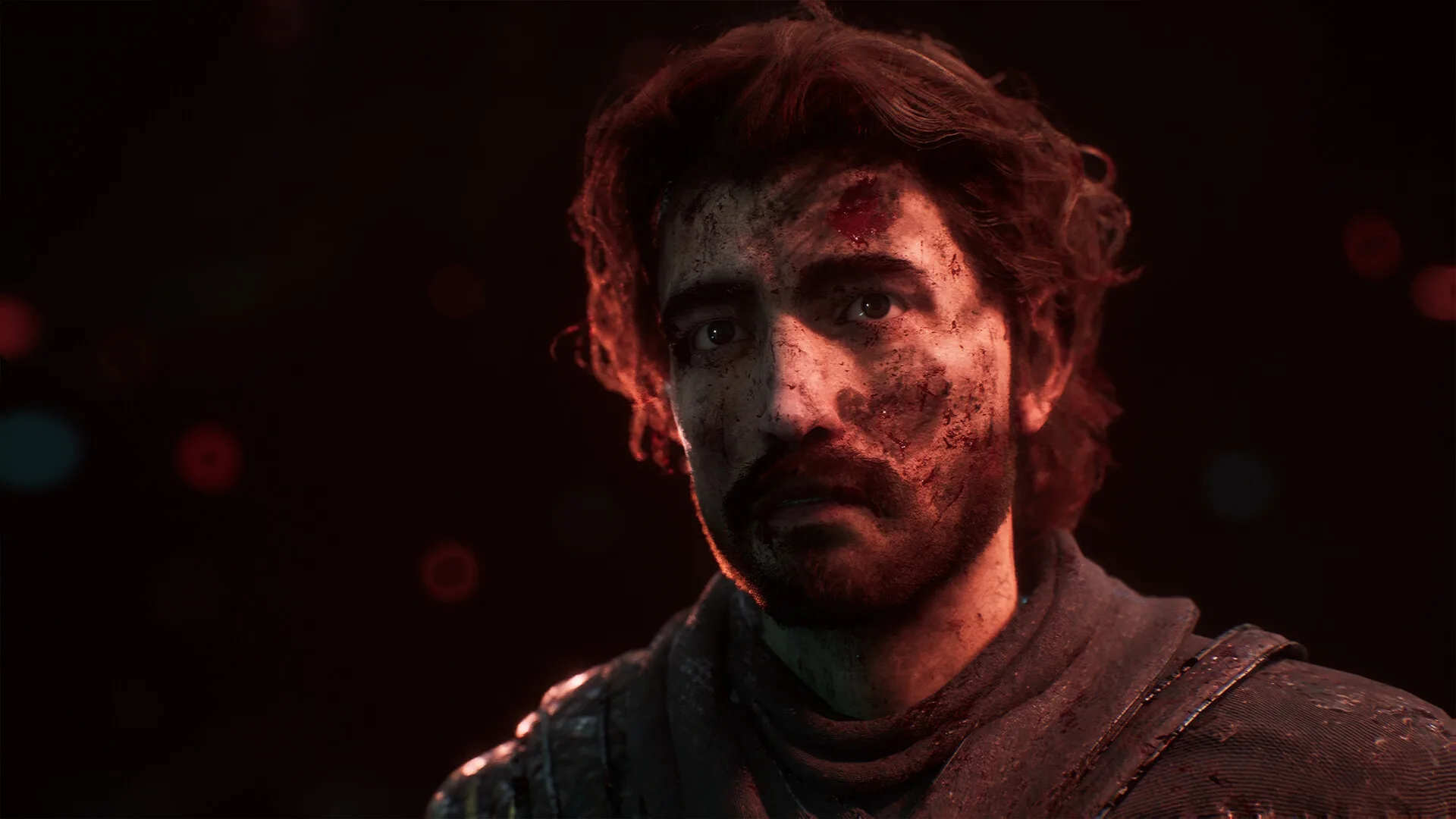
Clair Obscur has taken the traditional turn-based model of combat and supercharged it with speed. Each attack has a timed input aspect associated with it. Pressing the attack button during the proper moment in the attack animation will provide extra damage, while pressing the attack button during an enemy's attack may provide a reduction in damage received from that enemy. As a result, turn-based combat has been transformed from a menu selection activity to an activity that requires complete attention to detail. Throughout every encounter, your thumbs were not idle.
The encounter against The Paintress at the end of Chapter 4 was undoubtedly the best single encounter that I completed in 2025. Throughout the various phases, the timing for input changed as did the timing for the timing of all the different enemy attack patterns. Additionally, there was a mechanic introduced in the last phase of this encounter that broke every rule learned thus far throughout the game. Because of this combat system, I believe that The Paintress Encounter will be recognized as Game of the Year 2025, and I think that this system was a significant contributing factor to that designation. The game's 60fps Performance Mode on Xbox enables quick, accurate timing windows for each action taken during gameplay rather than causing unnecessary frustration; There has been some improvement in the player's ability to change classes by allowing for re-spec and therefore permitting new strategies for every boss you encounter as opposed to being locked into a class choice made 20 hours before the encounter occurs. In a sense, the game creates an interesting difficulty curve: early-game experiences teach the timing required for parrying basic attacks, mid-game teaches how to dodge projectiles, while late-game combines previously learned techniques from early/mid game experience into fights that require using all previously learned techniques at once. See the PS2.
9. Clair Obscur: Expedition 33 — Timed Input Turn-Based
Bravely Default's core gameplay mechanic is deceptively simple in nature. The player may choose to "Default" (defend) in order to save up/accumulate counter-action points for later use or selection of "Brave" action (use of counter-action points) during one round (an entire round being defined as having 1 turn). While this may allow up to 4 actions, if the player enters into a "turn debt," their character(s) will be rendered completely vulnerable and unable to act until they have cleared their "turn debt."
To build on top of this core gameplay mechanics is the "Job System;" the job system allows the Brave/Default mechanics of gameplay to be applied to all 24 jobs, which is the best implementation of a job system since FF V. For example, having 4 actions using ability called "Crescent Moon" as a Valkyrie would allow for easy clearing of an encounter; however, spending 2 turns in order to accumulate healing as a Spiritmaster prior to transition to boss would be a great way to follow/assure victory. Both the risk associated with using either or both strategy equals risk assessment/reward of each action taken by the player (planning ahead for the future = reward for good decision making; acting recklessly without proper planning/rethinking = punishment for poor decision making). While playing on 3DS was preferable, Bravely Default II transitioned to the Switch.
10. Bravely Default — Brave/Default Risk-Reward

Combining the best of both titles, Xenoblade Chronicles 3 has the most detailed real-time battle system to date. The player controls one character out of a party of seven while all others have automated actions performed with AI that performs auto-attack functions based on a timer. As you chain together your Arts in the right order to create Combo moves, there is another unique feature called the Chain Attack System that pauses the game for a set amount of time, with all members of the team chained together and inflicting massive damage on an enemy.
The ability to change classes inspires a new depth of gameplay that was not available in either of the previous games. All characters can assume the class(s) of their choice, as well the Hero System allows for guest characters, providing even more options for unique classes within your party. The tank was using a healer’s passive skill while one of the DPS had equipped an ability specific to the tank for generating aggro. The amount of customization within a build is astounding; based on my experience, the amount of time it would take to learn the combat mechanics was the longest of any title in this review, as it took me roughly 15hrs before I was able to use the Chain Attack System regularly, and I was still uncovering new Combo rotation possibilities over 80 hours later. The Interlink mechanic also introduces a fusion of characters into a single, larger character called an Ouroboros for a limited amount of time and helps create a third level of complexity to combat. Optimizing when to time Interlinks for maximum contribution to Chain Attacks allows players to prevent combat at the end of the game from stagnating. This combat system on the Switch is by far the best available today. See the 3Ds guide.
11. Xenoblade Chronicles 3 — Chain Attack Fusion
Valkyrie Profile allows every party member to be keyed to one of the four main face buttons of the controller, and allows players to make attacks in any order, combination, or timing they want. The result is many of the attacks made in Valkyrie Profile feel more like a quarter circle forward, punch, in a fighting game than an attack in a traditional JRPG. In addition to having different launch properties, juggle potential, and hit count, building up a hit counter to assist with a finishing move is accomplished by stringing together a series of combinations appropriately using a character's attacks.
The combo-building mechanics allow the player to create combos similar to how players create combos in their favourite fighting games. The player must determine which character should go first to initiate (launch) the attack on the enemy, which character should provide the next attack to build the combo meter (gauge), and which character should finish off the enemy to activate the finisher attack. It is worth noting that the systems in the game debuted several years before their inclusion in SaGa's formation system, and many of the systems used in the game perform even better than SaGa's. During the PSP playthrough of Lenneth, I spent many hours testing how all of the character combinations (party configurations) produced maximum damage through combos. I do not believe that any other RPG has a combat system that delivers this type of immediacy and control of what occurs in combat; the fact that this game was released in 1999 is even more amazing.
12. Valkyrie Profile — Combo-Based Multi-Character
In general, my criteria for ranking games is based on four main factors: (1) player agency—does the game provide players with options every turn, or are players just clicking the "attack" button and watching the number fly? (2) depth ceiling—can the game be played casually yet be optimised? The best systems support both types of play. (3) feedback clarity—does the game indicate to players why or why not a strategy worked? In this regard, the weak icon in Persona and the shields in Octopath work very well. (4) longevity—does combat continue to be enjoyable for 40, 60, or 80 hours?
I purposely steer clear of systems that are reliant on external guidance for game play. The top JRPG battle systems teach you how to play by playing rather than through the use of wiki pages. The Tech System from Chrono Trigger encourages players to experiment with their attacks as they try to figure out how to take down their foes. The way the weakness chart develops intuition over time in the Persona series. Grandia's timeline is easy to read at a glance. The best battle systems are those that have a wide enough gap between understanding and mastery to allow for an entire game to be played.
Battle System Mechanics That Define the Genre
All great JRPG battle systems have common design elements that have developed over the past 40 years. The difference between battle systems that feel tactical and fun versus ones that are boring and feel like simple menu navigation is the battle design elements used. This section describes the various design elements used in the top-ranked JRPG battle systems.
Tactical grid systems form the strategic-RPG branch that intersects with JRPG design. Final Fantasy Tactics was the first game to set the standard isometric grid design that has been used in all subsequent SRPG releases. Character positioning on a square grid determines attack range, modifiers from terrain elevation, and speed stats determine order of turns. Fire Emblem: Three Houses has weapon-triangle combat math and Tactics Ogre: Reborn adds the height-elevation system where attacking from above gives an accuracy bonus. The grid mechanism provides the tactical depth that sets the SRPG genre apart from traditional linear menu battles that are turn based. This design philosophy connects with the best JRPGs with job class systems where class-based progression intersects with grid-based positioning.
Positioning systems and row mechanics allow for some level of tactical consideration without having to manage a full grid. The first major row system was developed in Final Fantasy IV to VI, where front-row fighters deal and take double physical damage, while back-row fighters can only attack with ranged weapons. Bravely Default, ranked tenth, adopted this row system and expanded it with job-class interaction. This mechanic makes loadout decisions for each character as they assume front-line and back-line support roles, creating risk vs support spell roles. This design philosophy mirrors the best JRPG magic systems where spells have a defined range that can influence positioning in combat.
Brave Point, Default, and Risk and Reward mechanics are the defining system of the modern turn-based economy JRPG combat. Bravely Default, tenth on our list, was the first game to implement the BP system, allowing players to spend up to four turns to perform attack and leave them defenseless. Players could also choose to “Defend” to save BP for future combat. Octopath Traveler, though unranked, uses a similar Boost system mechanic where players can spend BP on stronger attacks. The risk vs reward systems create the tactical choices within the combat system that separates Bravely Default and Octopath Traveler from traditional turn based combat. This system works in conjunction with job class systems where Brave points can interact with ability locks.
The most powerful combat abilities in games with limit break/overdrive type mechanics are gated behind charge up requirements. These require players to play defensively or continue engaging in combat for long periods of time. Each entry in the series from Final Fantasy VII to Final Fantasy X uses limit breaks that fill up via damage taken or damage dealt. Final Fantasy X position eight specifically uses Overdrive variants where each character fills their overdrive meter via different conditions such as taking damage, healing, dealing a critical hit, or even defending. This type of system creates peak combat moments as strategically deciding whether or not to use a limit break charge during a boss fight can determine the outcome of the battle in your favor. Most modern releases including the best Square Enix JRPGs continue to use limit break concepts. For example, Persona 5 Royal position one utilizes the Showtime system, where animated finishers are the most powerful single target damage attacks in the game.
The most extreme version of exploiting an enemy's weakness to gain additional turns in combat are called Press Turn and One More systems. Shin Megami Tensei III Nocturne was the first game to use Press Turn, where hitting enemy weaknesses resulted in turn preservation and giving a turn to the enemy resulted in losing actions. Persona 5 Royal position one developed this idea even further with the One More system, whereby landing an enemy weakness gives you an extra turn in addition to the ability to trigger an All-Out Attack. Combat mechanics that require significant player skill to perform well are extremely rewarding, and identifying and exploiting enemy weaknesses has traditionally been the highest expression of skill in the genre. As a point of reference, each of the numbered Persona games covers the evolution of combat systems for the PS1 original series.
The real-time action combat hybrids develop JRPG features into action game dimensions. Tales of Arise at six, and NieR: Automata at seven, feature real-time combat and JRPG-style progression underneath. This hybridization expands the wider JRPG-action-RPG genre overlap that Final Fantasy XVI and Final Fantasy VII Rebirth have popularized, and the design ties to wider cluster trends seen in jrpgs with the best stories and where narrative ambition complements mechanical depth.
Honorable Mentions for JRPG Battle Design
The countdown above speaks to the battle systems that best combine mechanical depth, integration with the broader game design, and depth of influence on the genre. The list comprises ten of the best battle systems of all-time, though many more historically important systems are outside the ranking due to their exclusivity of platform or their more original design philosophy having been absorbed by newer titles already on the list.
Shin Megami Tensei III: Nocturne on PlayStation 2 deserves special mention for being the first game to implement what is now known as the Press Turn system, which is now widely regarded as one of the most important systems in JRPG history. Persona 5 Royal, which is ranked number one, is given the most credit for being the most recent example of this mechanic. Atlus’s original version of the mechanic established the weakness-exploitation combat philosophy that the entire SMT and Persona series is built upon, and so Nocturne HD Remaster is able to introduce the original mechanic to a new audience. The franchise legacy continues to influence modern day releases, including those featured in best pixel art JRPGs, as SMT's sprite-based combat backgrounds established visual conventions that have echoed down the years.
Wild ARMs 3 on PlayStation 2 featured the Force Point system, where members of the party share one resource pool for activating special abilities. This meant that players had to make tactical decisions about which character the team’s collective Force was spent on. The mechanic appeared in Wild ARMs 4 and 5 with refinements, and the franchise represents a distinct battle design lineage outside the Atlus and Squaresoft traditions. For broader franchise context, see every Final Fantasy ranked since Wild ARMs developer Sacnoth shared design veterans with Squaresoft battle system designers.
The Xbox 360's Lost Odyssey incorporated the Aim Ring system meaning players had to time real-time button presses to score damage bonuses in combat. This added an action-game skill layer on top of turn-based combat. Each attack in combat required real engagement due to this mechanic, especially when compared to the passive nature of simply selecting an option in the menu. The game is directed by Sakaguchi, and this mechanic reflects the design philosophy of other well known Squaresoft veterans discussed in best Square Enix JRPGs for further traditions.
On PlayStation 3, Resonance of Fate employed a wholly original method of unique three-character positional combat. Players had to move their characters to create Tri-Attack triangles for access to the strongest damage options. This mechanic required ongoing repositioning during combat which was real-time paused. This created a feeling that was a hybrid between action and tactics and was completely unique to this genre. The original release on PS3 remains the canonical experience for those who dislike the more refined modern battle systems seen in other titles like the Atelier/Persona series. Best JRPG crafting systems for adjacent design systems detail this phenomenon further.
The Etrian Odyssey series on Nintendo DS and 3DS featured row-based dungeon crawler combat. In this combat system, the position of each party member determines attack range and damage modifiers based on their placement in one of three rows. This mechanic can be seen throughout the entire franchise including the DS original games up to the re-released Origins Collection games. The series also intersects with the JRPG genre as seen in best JRPGs with multiple endings because of Etrian Odyssey IV’s guild-board commission gating that affects combat outcomes.
JRPGs with experimental battle systems show that the genre refuses to settle, even after Final Fantasy and Dragon Quest laid down the genre's core conventions. For battle system innovation enthusiasts, check out most anticipated JRPGs of 2027 to see upcoming games from designers with notable battle system legacies. For the evolution of battle systems in JRPGs from the NES to modern action hybrids, check out the history of JRPGs.
For broader genre context on related mechanical patterns, see every Persona game ranked.
What Makes a JRPG Battle System Great
To view recommendations for specific platforms, please check my guides for PS5, Xbox, Switch, Steam, PS4, Vita, 3DS, GBA, PS1, and PS2, which include the entire range of options available on those consoles. For those who are new to console gaming and wanna know where to start, the 2026 Recommendation Page has been divided by experience level for the beginner. For anyone who wants to see how these titles stack up against one another in relation to every category, including combat, the JRPG Tier List will provide that information.
For more guides, see battle systems, soundtracks, 2026 recommendations, upcoming releases, and the JRPG meaning guide.