
My journey into the Persona series started in 2009 when I played Persona 3 Portable on a borrowed PSP. I didn't get about 50% of what was going on such as why I would shoot myself to summon my persona, why I had to go to school when I had to go dungeon crawling, why I had a dog in my party. 60 hours into the game and I was crying at the ending. After that, I started my second run through the game. So after completing all the games in the series at least once, and usually twice, I spent countless hours of my life invested in them over the past fifteen years (for this reason, my rankings are not based on Metacritic averages or consensus among critics, but rather my own experience).
My rankings are primarily based on the core numbered series titles (Persona 1 - Persona 5) and their definitive editions as well as two additional spin-off titles that fit in. I don't consider any of the games as such because I don't want to spend too long explaining the differences between Persona 4 Arena and a fighting game with Persona paint. That discussion falls outside the scope of this post.
If you are searching for JRPG guides for a specific console, you are in luck, because I have compiled rankings for PS5, Switch, Steam, Xbox, PS4, PS2, PS1, SNES, PSP, GBA, DS, 3DS, and Vita. The JRPG tier list rates RPGs or JRPG type games on the rankings of their respective platforms. The other post is titled Best JRPGs of All Time and is just a set of rankings for the highest rated RPG and JRPG titles. The Persona Q series of video games showcases fan service through the character mix of several different Persona games; for example, Q2 uses characters from P3, P4 and P5 while Q1 uses characters from P3 and P4. The chibi/manga art style is excellent, and the use of a mapped navigation system via the bottom screen of the Nintendo 3DS is enjoyable for many players. However, in both cases without having the amazing character cameo in the game, they just feel like normal first-person dungeon crawlers without the major points of what is special about Persona (i.e., no social links, no daily life simulation, and no emotional connection). You could say these compare to dessert; they are very enjoyable desserts, but they are only just that. See the best RPGs of all time guide.
8. Persona Q / Persona Q2 (2014 / 2019)
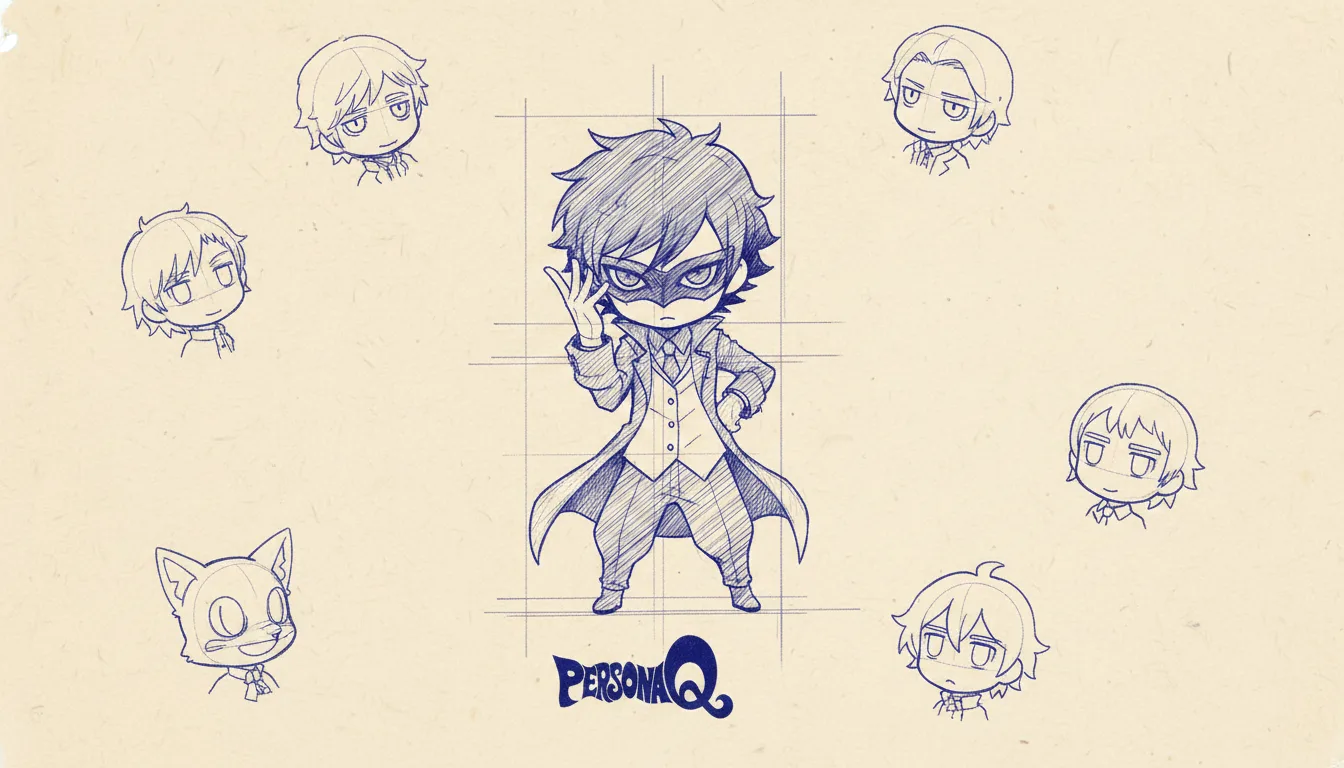
The Persona Q series transplants Persona 3-5 casts into Etrian Odyssey's dungeon-crawler framework. Persona Q (2014, 3DS) reunites P3 and P4 heroes in a labyrinth at Yasogami High School with a chibi art direction that signals the spin-off's lighter tone. Q2: New Cinema Labyrinth (2018 JP / 2019 EN) expands the cast to include P5's Phantom Thieves, producing the largest Persona character roster ever assembled in one game. Both releases are 3DS-exclusive — the limitation that ultimately capped their reach.
Combat uses Persona-summoning attacks layered onto Etrian Odyssey's grid-based party tactics. The sub-Persona system lets each character equip a secondary Persona for additional skill access — a depth layer that rewards system mastery. Map-drawing on the bottom touch screen carries over from Etrian Odyssey, and the dungeons demand more spatial puzzle thinking than mainline Persona's narrative-driven palace structure. Boss encounters scale appropriately for the larger party setups, with multi-phase fights that exploit the cross-game cast synergies.
What Q and Q2 deliver as fan-service crossover content, they sacrifice in core Persona identity: Social Links, calendar systems, and the social-sim daily-life loop are absent. The interactions reduce to occasional party dialogues during dungeon runs rather than the relationship-deepening Confidant arcs that define mainline Persona. For 3DS-owning Persona fans willing to play primarily as dungeon-crawlers, Q and Q2 are competent entries. For everyone else, they're optional historical fan service rather than essential franchise reading — which is why they place at #8 in this ranking.
7. Revelations: Persona / Persona 1 (1996)
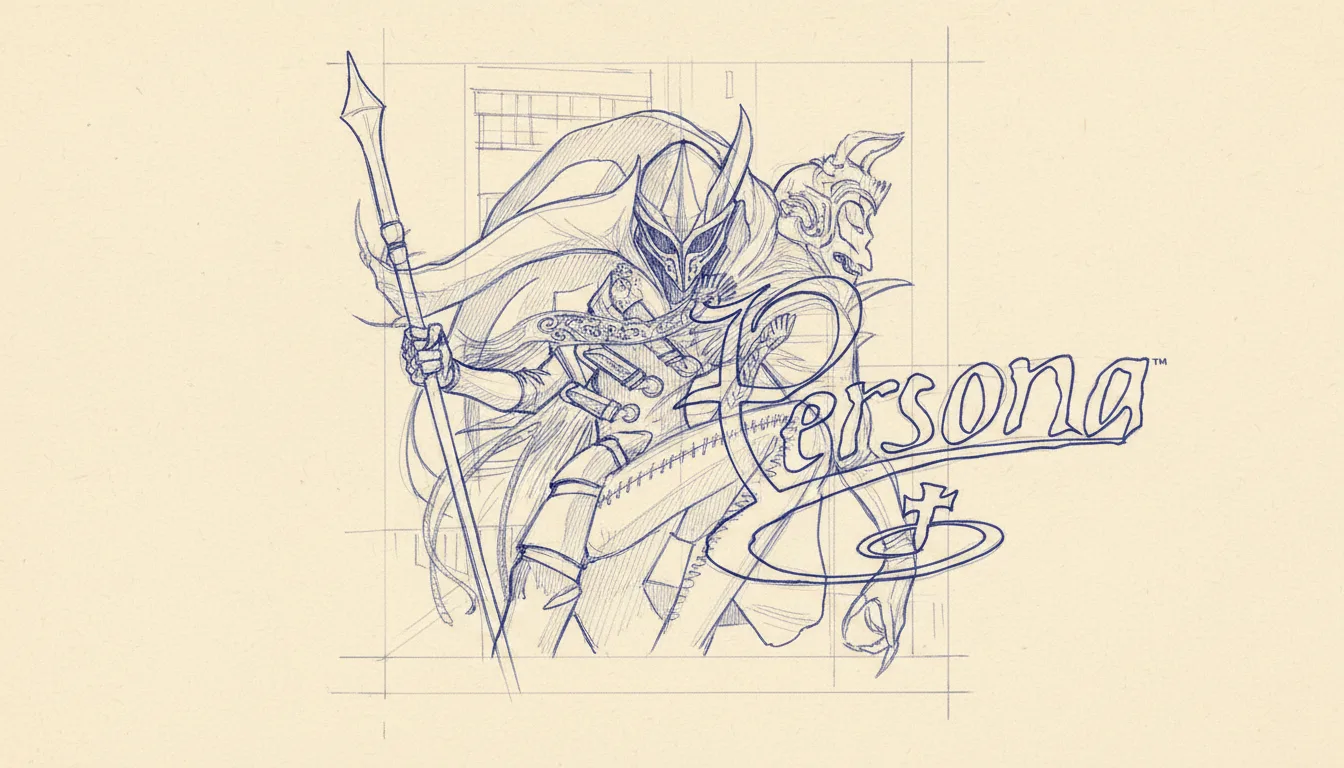
The original Persona launched in 1996 on PS1 as the Megami Tensei spin-off that established the franchise's school-setting + Persona-summoning identity. The 1996 English release as "Revelations: Persona" became infamous for one of the most notorious localizations in JRPG history: setting moved from Japan to a fictional American city (Lunarvale), several character names changed, the lead's Black character Mark was visually altered (skin lightened), and the entire Snow Queen subquest was cut from the Western release entirely.
The game's structure offers two divergent routes: the SEBEC main story (corporate conspiracy + reality-bending experiments) and the Snow Queen quest (folklore-tinged side narrative cut from the original Western release). First-person dungeon crawling carries over from Megami Tensei lineage — grid-based exploration, demon negotiation, Persona fusion via Velvet Room. The combat tempo and dungeon design feel closer to early Wizardry than to the modern Persona social-sim formula.
The 2009 PSP remaster (Shin Megami Tensei: Persona) restored Snow Queen quest, reverted character names and setting back to Japanese originals, and improved the localization quality dramatically. Modern accessibility remains limited though — first-person dungeon crawling and 1996-era combat pacing test contemporary player patience. Placement at #7 reflects historical importance (franchise foundation) weighed against the practical reality that most players today should start with P3 Reload, P4 Golden, or P5 Royal rather than the original. Recommended only for franchise historians and SMT-style dungeon-crawler purists.
6. Persona 2: Eternal Punishment (2000)
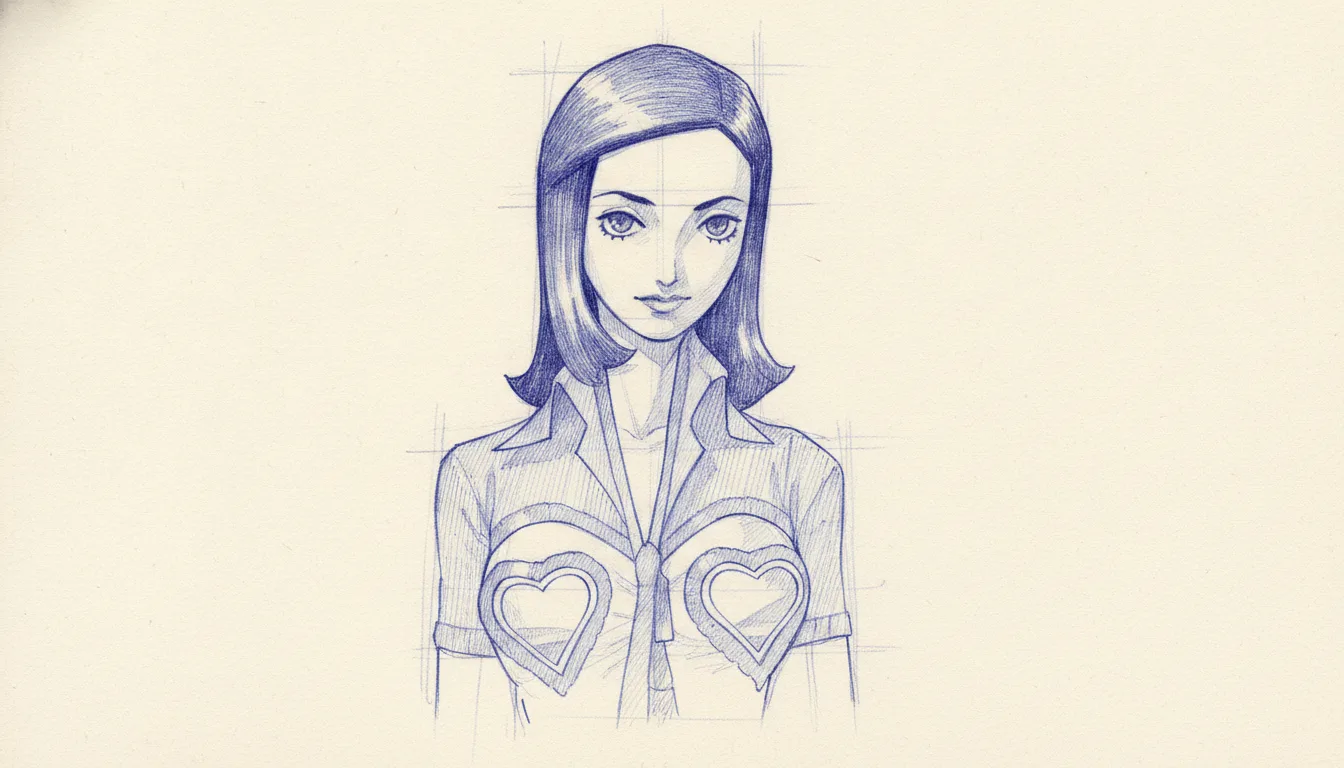
Eternal Punishment continues directly from Innocent Sin's catastrophic ending — the alternate timeline where Tatsuya's choice to save his friends locked Maya Amano into a parallel reality where she becomes the protagonist. The rumor system carries over from Innocent Sin but acquires new mechanical depth: collective belief reshapes the city around investigations led by an adult journalist cast working through the JOKER virus mystery. This sequel earned the broader Western audience because it shipped in English on PS1 originally (Innocent Sin only got proper English localization in 2011 via PSP).
Maya Amano leads a journalists-and-detectives ensemble that contrasts sharply with the high-school casts dominating later Persona entries. The protagonists are working adults navigating municipal corruption, occult conspiracies, and unresolved trauma from the Innocent Sin timeline. Tatsuya himself appears as a haunted side character carrying memories from the parallel reality — narrative ambition the franchise has rarely matched since. The mature framing remains the Persona 2 duology's signature against the school-life formula that defines P3-P5.
The PSP remaster (2012) repaired the original's gameplay friction: encounter rate, random battle fatigue, and clunky UI all improved while the localization preserved the dark tone. Combat still demands more system patience than P3-P5's streamlined design — Personas fuse based on Tarot, demon negotiation slows pacing, and dungeon design from 2000 doesn't compete with modern conveniences. But for narrative-driven JRPG fans willing to push through the older mechanics, Eternal Punishment delivers the most thematically mature Persona experience. Placement at #6 reflects gameplay friction against modern standards rather than narrative quality.
5. Persona 5 Strikers (2021)
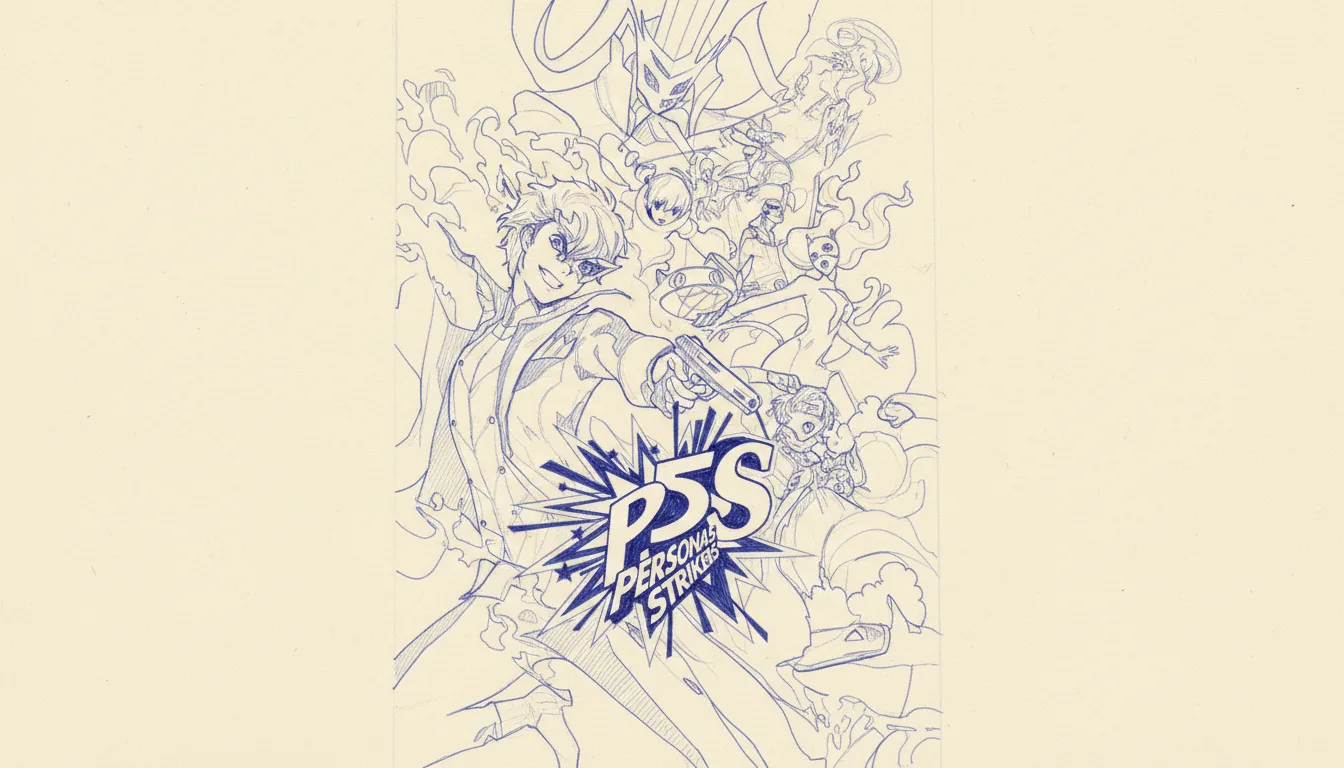
Persona 5 Strikers is the canonical sequel to Persona 5 Royal, co-developed by Atlus and Omega Force (Dynasty Warriors studio). The Phantom Thieves return for a summer road trip across Japan — Sendai, Sapporo, Osaka, Okinawa — investigating a new wave of cognitive distortion centered on app-driven manipulation. The Musou genre shift transforms combat from turn-based ATB into real-time action with crowd-clearing combos, while Persona-summoning mechanics carry over intact from P5.
Jails replace Palaces as the dungeon design unit. Each city's Jail explores the cognitive distortion of a local "king" — a new villain archetype distinct from P5's eight major confidants. Sophia and Zenkichi join the party as new characters: Sophia is an AI-companion with significant arc development, Zenkichi is a hardboiled detective whose backstory becomes the campaign's emotional spine. The 35-hour campaign moves faster than P5R's 110+ hour sprawl, with no Confidant social-link grinding.
What Strikers achieves as action-RPG and as fan service for Phantom Thieves devotees, it deliberately sacrifices in core Persona identity: no calendar system, no daily-life simulation, no relationship-deepening Confidants. Combat depth in the Musou framework is real but operates on different design assumptions than mainline Persona's tactical turn-based template. For players who finished P5 Royal wanting more time with the cast, Strikers delivers. Placement at #5 reflects spin-off quality genuinely earning a top-half ranking despite the genre shift.
4. Persona 2: Innocent Sin (1999)
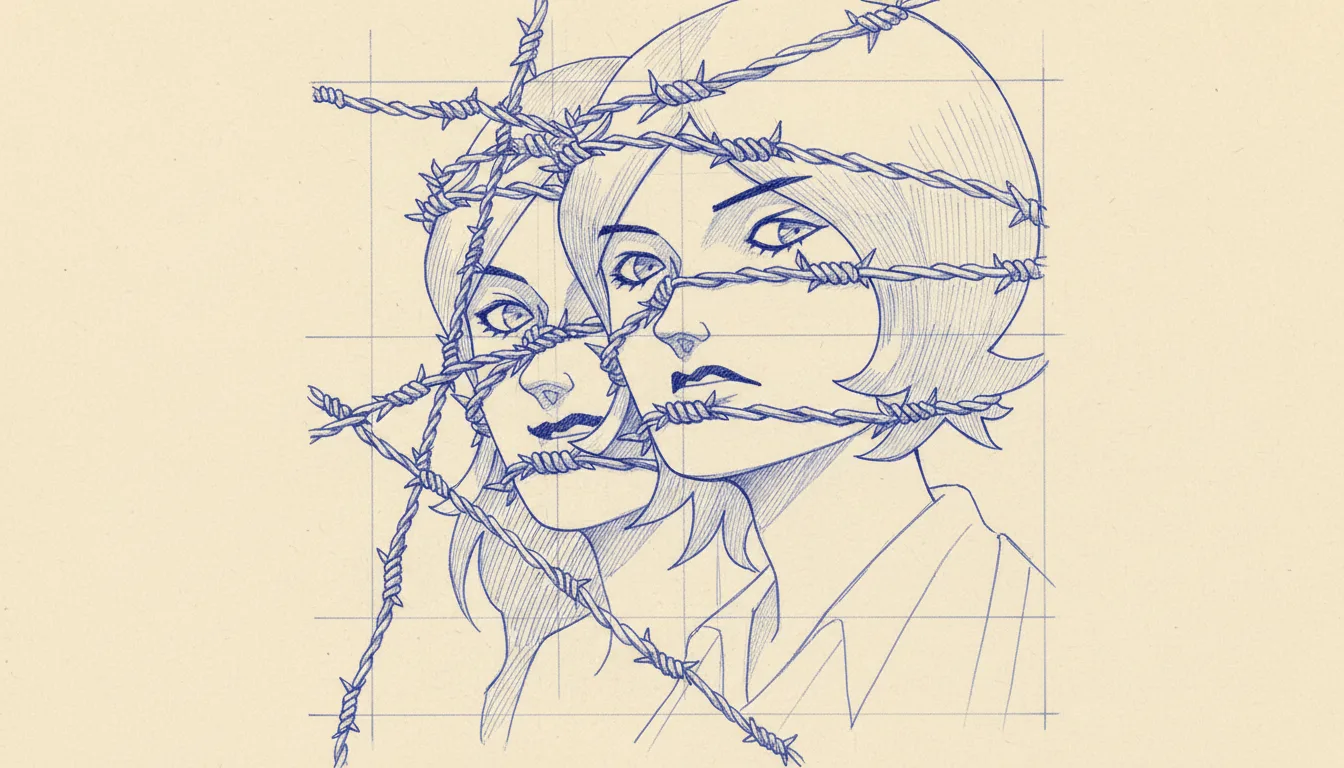
Innocent Sin founded the Persona 2 duology in 1999 with the rumor system that remains one of the most mechanically distinctive narrative devices in JRPG history. Whatever residents of Sumaru City widely believe becomes literal reality — spread the right rumor and shops change their stock, characters change their stories, even physical locations rearrange. This collective-belief-as-power system anchors a plot about the JOKER virus and rising cult activity, threading conspiracy through what feels like a much smaller, more intimate city than later Persona settings.
Tatsuya Suou leads an ensemble (Lisa, Eikichi, Maya, Jun) that treats its cast with more adult complexity than P3-P5's school-life formula allows. The Tatsuya-Jun relationship was unusually candid for 1999 Japanese gaming — a foundational moment for the franchise's willingness to engage with mature themes. Maya Amano emerges as the warmth-and-determination archetype Atlus would refine into Aigis, Naoto, and Makoto across later entries. Character writing depth here outpaces several mainline entries.
The original PS1 Innocent Sin never received an English localization in 1999 — Western fans waited until the 2011 PSP remaster for proper translation access. The PSP version repairs combat pacing (the worst friction in the original) while preserving the dark tone. Placement at #4 reflects the narrative depth and rumor system originality, weighted against gameplay friction that hasn't aged as gracefully as the storytelling. For franchise completists, Innocent Sin remains essential reading — the foundation Eternal Punishment builds directly upon.
3. Persona 3 Reload (2024)
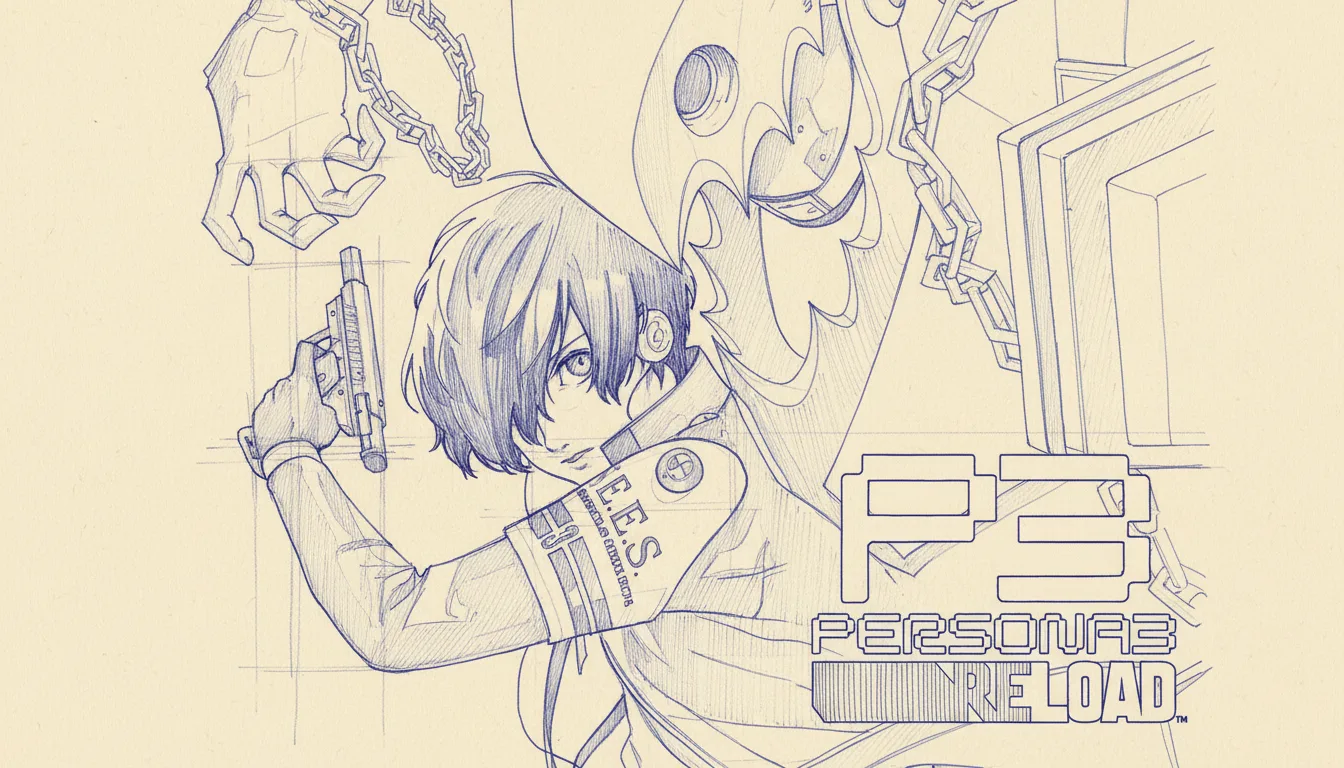
The Maruki arc was the best part of the 3rd semester of Royal; after 20 hours of gameplay, I found myself contemplating the rationale for being kind through the “assistance” he gave others. Kasumi is a smoothly incorporated new character, there are more Jazz Clubs than before, and all of the Social Links present during the 3rd semester are back in full force. There are so many ways that Royal is already a worthy game and proves its value as a Definitive Edition, that they all hold true to the foundation created by the majority of other published re-releases. So why is Royal not placed number one? The same reason P5R has an estimated total gameplay time of around 100 hours, about one-third (30+ hours) of which is spent in Social Situations that last too long to be considered acceptable, like the time spent during Okumura’s arc and Morgana’s arc of getting to the bus. There was too much of a dip in the pace of each character's arc, causing their inability to finish in the number one slot.
Persona 4 Golden is the smallest Persona game, which also makes it the best. Inaba, Japan is a sleepy little town with a sleepy little culture and nothing happens there until dead bodies start appearing hanging from power lines in the dark on foggy nights. The Investigation Team is not a group of rebels trying to overthrow a corrupt system (Persona 5) nor are they a team of survivors who are just dealing with their trauma (Persona 3). The Investigation Team comprises a group of high school students who want to solve the mystery of who has been killing people (the murder that is viewed by everyone) and having fun together along the way. Not just being in a party. Not just being friendly with each other. They are friends.
2. Persona 5 Royal (2019)
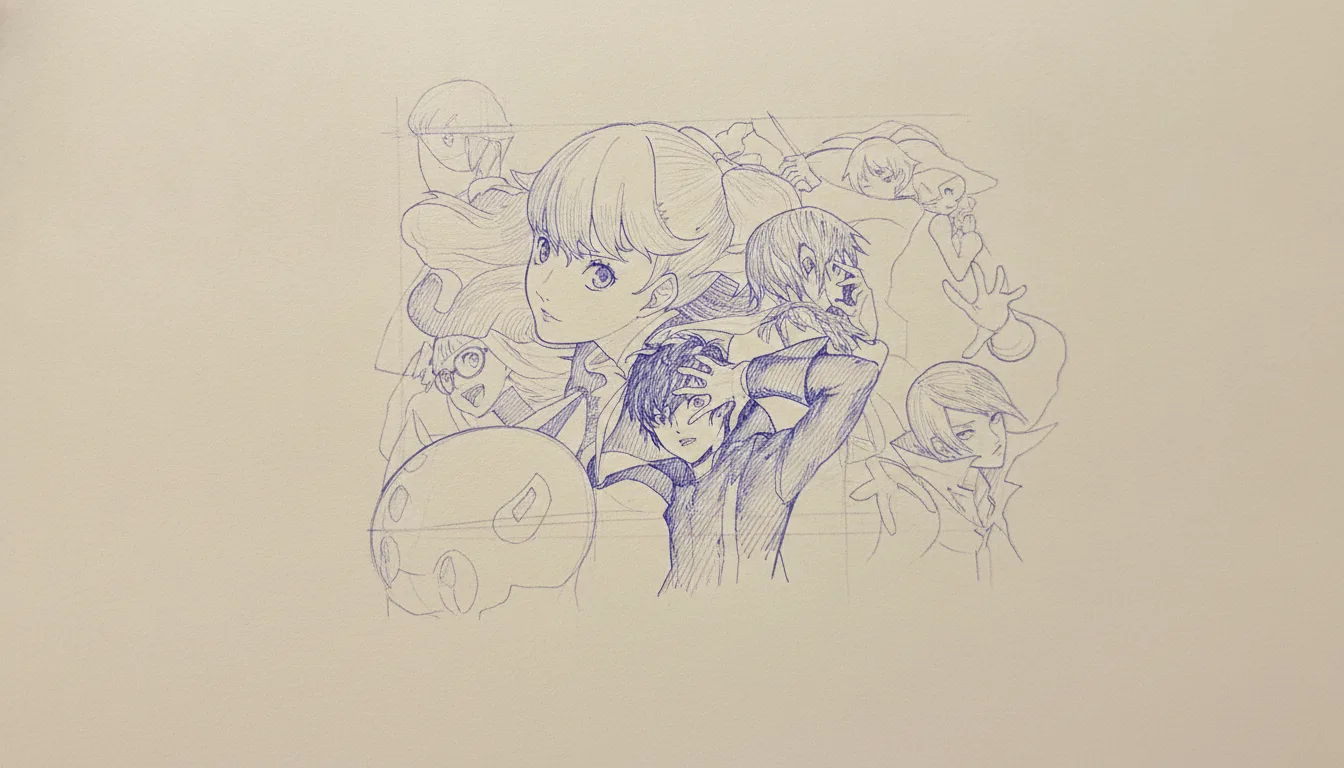
What makes social links in P4G the strongest in the series is that they are based on personal stakes; we see Kanji accept himself; Rise learns what she wants to pursue other than idol life; Dojima becomes more of a father's figure and less of a distant guardian; and we care about Nanako. If you have played P4G before, I do not need to elaborate further on how much you love Nanako. All of these personal relationships created by the murder mystery are maintaining an incredible level of momentum that is different from how you feel after grinding through the tower in P3 or the episodic format of the dungeons and palaces in P5 — you will always want to know what happens next.
Is P4G as stylish as P5? No. Is P5's dungeon design more interesting than P4G's? No. TV World dungeons have randomised repetition with no base-set tower elements in comparison to Reload and Royal. Still, while you might be playing for the long haul and not liking any of the JRPGs you’ve played, it comes back to something that bigger or flashier RPGs ignore: the reason you will play any JRPG for 100+ hours is not due to the battle system, nor the artistic direction but because of the individuals you experience life with. I’ve never formed more of an attachment with a JRPG cast than I did with the Investigation Team fully experiencing Chie’s horrible cooking on a rainy autumn day in Inaba. That was the feeling (warm, funny, bittersweet, earned) that describes what makes writing great, and that feeling is what sets apart P4G from everything else in the series - EVER. Check out the Best Rpgs Of All Time.
1. Persona 4 Golden (2012)
8. Persona Q/Q2; 7. Persona 1; 6. Persona 2: Eternal Punishment; 5. Persona 5 Strikers; 4. Persona 2: Innocent Sin; 3. Persona 3 Reload; 2. Persona 5 Royal; 1. Persona 4 Golden.
The unique aspect of Persona 4 Golden, which ranks as the best of all of the Persona games, lies in the fact that it captures the feeling of real friendship. Unlike other Persona games where the characters are driven to fulfill a preordained destiny or obligation to be heroes, in this title, the members of the Investigation Team are simply high school students who have chosen to take it upon themselves to investigate a murder mystery that happened within their community. Because of this voluntary element present in all of the events that occur during gameplay, the emotional weight of everything that happens afterwards is drastically different than in any other Persona game.
I have played Persona 4 Golden on the PlayStation Vita three times and on PC as well, and each time I replay the game, I appreciate the importance that Social Links play in the overall experience of the game. Interacting with Yosuke at the riverbank, supporting Kanji in his self-acceptance and witnessing Rise's evolution in developing confidence separating herself from her idol persona are not simply optional activities that the player may take part in. These activities ARE the game. The story of the murder mystery serves only as a framework to provide context for a player's character to form friendships with others throughout the course of gameplay.
The major difference between P4G and P5R is intimacy. P5R centres around the stylish act of rebelling against corrupt authority figures in Tokyo, whereas P4G centres around rainy afternoons in Inaba where your main dilemma is solving the problem of whether you should be studying for exams or spending time with friends at Junes. Because the intensity is considerably lower in P4G than in P5R, the emotional payout resulting from spending time with your friends during your play through of the game is magnified by the number of hours spent playing the game as opposed to the number of hours spent fighting alongside your friends throughout your play through of the game.
The true ending of Persona 4 Golden is one of only a handful of JRPG endings that have made me put down my controller and sit in silence for several minutes before resuming my normal activities. Upon the train departing from the Inaba train station and the Investigation Team running after the train, this is the moment that every second of the previous 100 hours or so was spent waiting for. Persona 4 Golden demonstrates that a JRPG does not need to incorporate a world-ending cataclysmic threat to make an emotional impact that will stand the test of time.
All images displayed are official images from their respective Persona games. The Persona franchise is owned by Atlus/Sega. All rights reserved. Release date: March 26, 2026. See the Best Rpgs Of All Time guide.
The Ranking at a Glance
The rankings of the “battle systems” are plot and character-centric while the rankings of soundtracks are story and character-centric. There are several historical JRPGs that provide insight into the roots of JRPGs and their foundations and which provide you with suggestions for JRPG titles that have shocked you in under 20 hours. The recommendations for 2026 include titles that would fit the criteria for someone who is new to gaming. For further insight into JRPGs, see the Best Jrpg Battle Systems Guide, Best Jrpg Soundtracks Guide, Must Play Short Jrpgs Guide, and Jrpg Recommendations 2026 Guide. See the Best Jrpgs On Ps5 guide.
For related context, see Best Social Link Systems and Best Atlus Games.