
Shin Megami Tensei is Atlus's flagship JRPG franchise — and the parent series that birthed Persona (now its own multi-million-selling sub-series). Where Persona broke mainstream awareness through stylish life-sim hybrid combat, SMT proper has remained the franchise's darker, more mature, more mechanically demanding side. Demon negotiation + Press Turn battle system + apocalyptic urban-fantasy settings define the SMT identity that distinguishes it from every other JRPG franchise — including its more famous Persona offspring. Icicle Disaster has reviewed and ranked over 250 JRPGs since 2017 (see our comprehensive JRPG rankings) — and the SMT mainline numbered entries represent some of the genre's most distinctive design tradition.
This is the definitive 2026 ranking of mainline Shin Megami Tensei entries + key Atlus megaten spin-offs. Shin Megami Tensei V Vengeance sits at #1 because the 2024 Switch-exclusive expanded version delivers the franchise's most refined Press Turn combat + most accessible demon negotiation + Canon of Vengeance route's 80+ hour new content. SMT III Nocturne HD Remaster earns #2 for the franchise's classic peak — the PS2-era release that defined modern SMT design. From there, the ranking reflects per-game quality + modern accessibility weight. Persona is covered separately in our Persona series ranking as it has evolved into its own distinct franchise tradition.
Every SMT Game Ranked — Top 10 Mainline + Key Spin-Offs
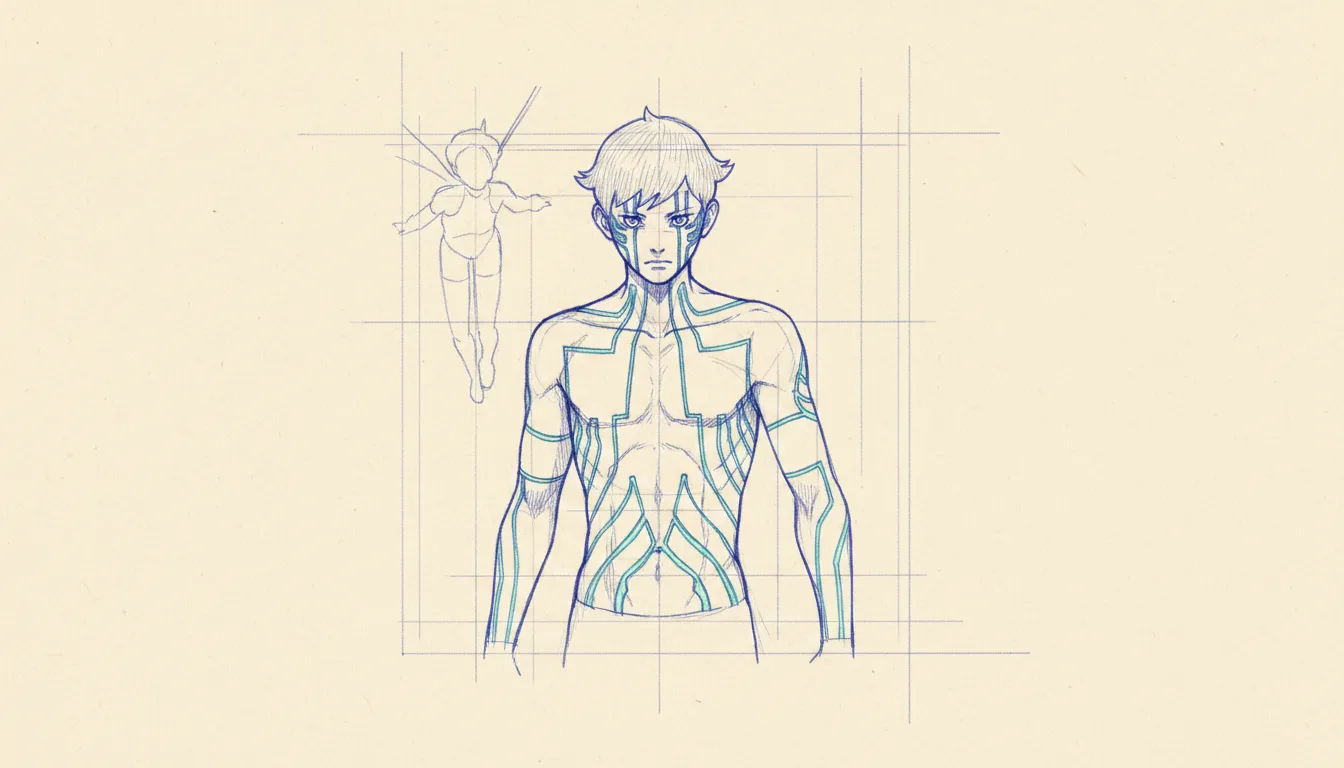
SMT's franchise pattern: each mainline entry features a young protagonist navigating a Tokyo-or-equivalent setting transformed by demonic apocalypse. Combat uses the Press Turn system (exploit enemy weaknesses to gain extra turns, get hit by your own weakness to lose turns) that defined modern SMT mechanics from SMT III onward. Demon negotiation lets you recruit enemies into your party through dialog choices. The franchise rewards mechanical depth — players who master Press Turn + Buff/Debuff timing + demon fusion can clear notoriously brutal boss encounters that defeat unprepared players. See our Switch JRPG ranking for SMT-specific Switch availability (SMT V Vengeance + SMT III Nocturne HD Remaster all Switch).
1. Shin Megami Tensei V Vengeance (2024)
SMT V Vengeance is the franchise's modern peak — Atlus's 2024 expanded re-release of SMT V (2021) adds the Canon of Vengeance route with 80+ hours of new content alongside the original Canon of Creation campaign. The expanded Tokyo da'at landscape + refined Press Turn combat + 270+ recruitable demons + Magatsuhi skills + new playable character Yoko Hiromine define the franchise's most accessible mainline entry while preserving SMT's signature mechanical depth. Switch-exclusive (PS4/PS5/Xbox/PC version confirmed for 2026 release) — see our Switch JRPG ranking where SMT V Vengeance ranks top-tier. Essential modern SMT starting point if you have Switch hardware. 80-100 hour completionist campaign per route × 2 routes = 160+ hours total for full Vengeance experience.
2. Shin Megami Tensei III: Nocturne HD Remaster (2003 / 2021)
SMT III: Nocturne is the franchise's classic peak — the 2003 PS2 entry that established the Press Turn combat system that defined every subsequent SMT mainline. The post-apocalyptic Tokyo Conception setting + the Demi-fiend protagonist's Magatama-equipping mechanic + Dante (and later Raidou Kuzunoha in updated versions) as Devil May Cry crossover character + Lucifer final boss combine into the most-cited "best classic SMT" pick among long-form fans. The 2021 HD Remaster (PS4/Switch/PC) makes Nocturne finally accessible without PS2-era friction — improved frame rate + suspend save + difficulty options for newcomers. Essential SMT canon for franchise historians + Press Turn combat purists.
3. Shin Megami Tensei IV (2013)
SMT IV opens the modern 3DS-era of mainline SMT — Flynn the Samurai's exploration of Tokyo's post-apocalyptic Eastern Kingdom of Mikado delivers the franchise's most narratively political mainline entry. The dual-Tokyo (Mikado/Tokyo modern) setting + multiple endings + extensive demon fusion depth + Yamato Perpetual Reactor antagonist make SMT IV the franchise's most-narratively-complete classic-era entry. 3DS-exclusive — no Switch port despite years of fan requests as of 2026. Recommended for franchise completionists with 3DS hardware. 60-80 hour campaign.
4. Shin Megami Tensei IV Apocalypse (2016)
SMT IV Apocalypse is the direct sequel to SMT IV — Nanashi's resurrection-via-Dagda arc continues the Mikado/Tokyo dual-setting with new protagonist + new demon roster + significantly streamlined difficulty curve vs SMT IV original. The Partner system + new ending paths + post-game content + cross-save data with SMT IV character cameos make Apocalypse essential for SMT IV completionists. 3DS-exclusive. 60-80 hour campaign + post-game superboss content.
5. Shin Megami Tensei V (2021 Original)
SMT V (original 2021 Switch release before 2024 Vengeance expansion) delivered the franchise's first true HD generation mainline entry — the da'at landscape + Press Turn combat + demon recruitment all rendered in the franchise's most visually striking presentation to date. The Canon of Creation route campaign (preserved + included in Vengeance edition) is the original SMT V experience. 80-100 hour campaign. In 2026, SMT V Vengeance supersedes original (Vengeance includes both routes). Original SMT V remains valid if you specifically want only the Canon of Creation experience without Vengeance route additions.
6. Shin Megami Tensei: Strange Journey Redux (2017)
Strange Journey Redux is the Antarctica-based spin-off mainline-quality SMT — the original 2009 DS release was Japan-only for years before 2017 3DS Redux added new content + English release. The first-person dungeon-crawl + Schwarzwelt antarctic anomaly setting + heavy moral-choice narrative make Strange Journey distinct from the Tokyo-centric mainline. Recommended for dungeon-crawler JRPG fans + SMT lore completionists. 50-70 hour campaign.
7. Shin Megami Tensei II (1994)
SMT II is the franchise's foundational sequel — Aleph the Messiah's quest through Tokyo Millennium post-apocalyptic setting introduced the Law/Chaos/Neutral alignment ending system that defined SMT mainline narrative structure. The 1994 SNES original (Japan-only originally) + GBA port (2002) + iOS port (2014) + Switch Online emulation (2023) all preserve the original. Mechanically dated by modern standards but essential historical context. 30-50 hour campaign.
8. Shin Megami Tensei I (1992)
The original Shin Megami Tensei is the franchise's foundational entry — protagonist Aleph (later renamed in SMT II), Tokyo apocalypse setting, demon negotiation + recruitment introduced. The 1992 SNES original (Japan-only) was the first JRPG to introduce moral alignment endings (Law/Chaos/Neutral) that influenced the broader JRPG genre's later narrative design. Switch Online emulation makes the original accessible in 2026 with English fan-translation officially supported. Pure historical interest — mechanics dated by post-Nocturne SMT standards.
9. Digital Devil Saga (2004) + Digital Devil Saga 2 (2005)
Digital Devil Saga is the franchise's PS2-era spin-off — Serph and the Tribe's transformation into Atma-powered demons across two interconnected campaigns. The combination of SMT Press Turn combat + party-based JRPG structure (vs mainline SMT's solo-protagonist focus) + cannibalism-as-combat-resource mechanic + Indian-religion-inspired worldbuilding (Hinduism Atma + samsara reincarnation themes) make DDS distinct from all other SMT entries. PS2-era only — no modern remaster despite years of fan demand. Collector market only in 2026.
10. Soul Hackers 2 (2022)
Soul Hackers 2 is the modern Devil Summoner sub-series entry — Ringo + Figue's cyber-investigation of a city-spanning apocalypse threat. The colorful neon-cyberpunk aesthetic + Press Turn-derived combat + Persona-influenced social-link mechanics + 50-60 hour campaign make Soul Hackers 2 the franchise's most-accessible modern entry for Persona-curious players who want SMT mechanical depth. Cross-platform: PS4, PS5, Switch, PC. Recommended for SMT-curious players wanting a modern entry point beyond SMT V Vengeance commitment.
SMT Franchise Strategic Context — Where to Start + Persona Differentiation
SMT and Persona are technically the same franchise (Persona = Megami Tensei sub-series) but evolved into distinct franchise traditions over 25+ years. SMT proper = darker tone + Press Turn combat + apocalyptic urban-fantasy + brutal difficulty + demon negotiation core mechanic. Persona = brighter tone + lifestyle-sim hybrid combat + school setting + accessible difficulty + Personas (your own demons) vs SMT's recruit-enemy demons. For Persona-specific recommendations see our Persona series ranking — Persona 5 Royal + Persona 3 Reload + Persona 4 Golden are the modern Persona peaks.
Strategic SMT recommendations based on player profile:
Modern SMT entry point: Shin Megami Tensei V Vengeance (2024 Switch). 80-100h per route. Most accessible modern mainline + canonical Switch-exclusive flagship. Switch hardware required.
Classic SMT entry point: Shin Megami Tensei III: Nocturne HD Remaster (2003/2021 PS4/Switch/PC). 60-80h campaign. Press Turn combat origin + franchise classic peak + modernized via HD Remaster QoL additions.
3DS-only collectors: Shin Megami Tensei IV + IV Apocalypse double-entry on 3DS. Both essential for 3DS-owning franchise completionists. No Switch port pending.
Persona-curious wanting SMT depth: Soul Hackers 2 (cross-platform) — most-accessible modern Devil Summoner entry, combat depth + social mechanics hybrid bridges Persona and mainline SMT design philosophies.
For broader Atlus JRPG cluster context: our Persona series ranking covers the SMT sub-series that broke mainstream awareness, our Radiant Historia review covers Atlus's underrated pre-Persona-5-era DS classic, our Final Fantasy series ranking covers the genre's defining JRPG franchise for comparison, and our Switch JRPG ranking covers Switch-specific JRPG availability (SMT V Vengeance + SMT III HD all Switch). SMT mainline is essential reading for any JRPG fan wanting to understand the genre's most mechanically demanding + tonally darkest design tradition.
Frequently Asked Questions
What is the best Shin Megami Tensei game ever made?
Shin Megami Tensei V Vengeance (2024 Switch) is the modern consensus #1 — Atlus's expanded re-release of SMT V (2021) adds Canon of Vengeance route's 80+ hours of new content while preserving original Canon of Creation campaign. Most accessible mainline entry + most refined Press Turn combat + 270+ recruitable demons. Strong classic-era runner-up: Shin Megami Tensei III: Nocturne HD Remaster (2021 PS4/Switch/PC) which defined modern Press Turn combat in 2003. 'Best SMT' depends on era: SMT V Vengeance for modern accessibility, Nocturne for classic franchise canon, SMT IV for narrative depth on 3DS.
Where should I start with Shin Megami Tensei in 2026?
Shin Megami Tensei V Vengeance (2024 Switch-exclusive, PS4/PS5/Xbox/PC 2026) is the consensus modern entry point — most accessible mainline + da'at landscape exploration + refined Press Turn combat. Alternative entry: Shin Megami Tensei III: Nocturne HD Remaster (PS4/Switch/PC since 2021) for classic franchise canon. Soul Hackers 2 (2022 cross-platform) for Persona-curious players wanting SMT mechanical depth with more accessible difficulty. Avoid starting with SMT I/II/Strange Journey (mechanically dated by post-Nocturne standards) or SMT IV (3DS-only, mechanically demanding for newcomers).
What's the difference between Shin Megami Tensei and Persona?
Persona is a Megami Tensei sub-series that evolved into its own distinct franchise tradition over 25+ years. SMT proper = darker tone + Press Turn combat + apocalyptic urban-fantasy setting + brutal difficulty + demon negotiation core mechanic (recruit enemy demons through dialog). Persona = brighter tone + lifestyle-sim hybrid combat + school setting + accessible difficulty + Personas (your own demons summoned from psyche) rather than recruit-enemy demons. Both are Atlus franchises but distinct design philosophies. SMT recommended for harder JRPG fans wanting mechanical depth; Persona for narrative-social-sim hybrid fans.
How does the Press Turn combat system work?
Press Turn is SMT's signature combat mechanic introduced in SMT III: Nocturne (2003) and used in all subsequent mainline entries. Each round you get base turns equal to party size. Exploiting enemy weaknesses + landing critical hits grants you additional half-turns (extending your offensive). Conversely getting hit by your weakness or having attacks blocked/reflected costs you full turns. The system creates extreme combat swings — well-prepared parties can chain extra turns to delete bosses; unprepared parties lose all turns and get wiped. Rewards mastery + party composition planning + enemy weakness identification. Most mechanically demanding turn-based combat system in mainstream JRPG genre.
Why is SMT V Vengeance Switch-exclusive in 2024?
Atlus released SMT V (2021) as Switch-exclusive and continued that arrangement for the 2024 Vengeance expansion. PS4/PS5/Xbox Series X|S/PC ports of SMT V Vengeance announced for mid-2026 release (after Switch-exclusivity window). For 2026 Switch owners: SMT V Vengeance is canonical Switch JRPG flagship. For non-Switch players waiting for cross-platform release: confirmed 2026 multi-platform release will deliver same Canon of Creation + Canon of Vengeance content as Switch version. SMT III: Nocturne HD Remaster + Soul Hackers 2 + Digital Devil Saga (PS2 collector market) are SMT options available outside Switch in 2026.
How long is Shin Megami Tensei V Vengeance?
80-100 hours per route (Canon of Creation OR Canon of Vengeance) for focused playthrough. 160-200 hours for completionist completion of BOTH routes + post-game content. Most other modern SMT mainline entries follow similar 60-100 hour range. SMT III: Nocturne HD Remaster: 60-80 hours focused. SMT IV: 60-80 hours. SMT IV Apocalypse: 50-70 hours. The franchise rewards completionist play with extensive demon fusion + alignment ending paths + superboss content — see our 100-hour completionist roundup for context on SMT's bracket positioning.