
I got hooked on JRPGs with the PlayStation 2. I'm not just a fan, I'm an addict. There's a big difference between the two. Fans play the popular games and then move on. Addicts, on the other hand, go all out - they import games from Japan, learn how to read menu kanji, and stay up late into the night grinding away, even on a school night. The PS2 had an amazing library of JRPGs, probably the best of any console out there. I don't think anyone would argue with that. Between 2000 and 2007, the PS2 had a ton of JRPGs, more than most platforms have in their entire lifetime. I've played over 40 PS2 JRPGs on the original hardware, through emulation, and with the HD remasters that brought these games to modern platforms. And out of all those, these 12 games are the ones that still hold up today. Whether you're playing them on the PS5, Steam, or tracking down the original copies, they're still really good. I've also made guides for other old platforms like the SNES, PS1, GBA, DS, 3DS, PSP, and Vita. And for the current-gen consoles, I've got guides for the Switch, Xbox, and PS4. There's also a JRPG tier list that ranks all the games across different platforms, and a guide that explains what JRPGs are all about. I updated this list in April 2026 with more analysis. Now, most of these games are available on modern platforms through HD remasters, so you can play them without needing old hardware. That means the PS2's legacy is more accessible than ever.
12. Phantom Brave
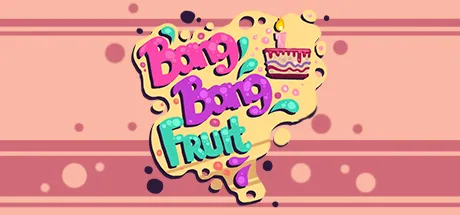
Phantom Brave is a game that really stands out from the crowd. It's a tactical RPG, but it doesn't have a grid, which is a pretty big deal. This unique approach to gameplay allows for a lot of freedom and creativity, making it a really interesting experience. The main character, Marona, is a Chroma who can summon phantoms and bind them to objects on the field. This means that things like trees, rocks, and even enemies can become part of your team. Each object has its own stats, which affect the phantom that's bound to it. This system is really cool because it adds a whole new layer of strategy to the game. You're not just limited to moving your characters around on a grid, you can use the environment to your advantage. I've played through Marona's story twice, once on the PS2 and again on the PC port. Her character is really compelling, and her optimism is inspiring, even when everyone around her is being hateful. The base-building aspect of the game, where you build and manage your own island, adds a whole new layer of depth to the game. It's not just about fighting battles, you also have to manage your resources and build your team. The story is also really emotional, which is surprising given how cute the game looks. One of the things that sets Phantom Brave apart from other tactical RPGs is its focus on creativity over min-maxing. You're not just trying to optimize your characters' stats, you're trying to come up with creative solutions to problems. This makes the game really rewarding, because you feel like you're actually accomplishing something. Unfortunately, Phantom Brave often gets overlooked because of the popularity of Disgaea, another game from the same developer. But if you're looking for a tactical RPG that's a little different, Phantom Brave is definitely worth checking out. The gridless system and item-based summoning make it a really unique experience that's worth playing.
Source: Nippon Ichi Software via PlayStation Store
11. Legend of Mana Remaster
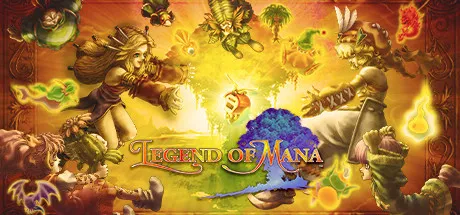
Legend of Mana is a game that really shouldn't be as good as it is. I mean, it doesn't have a traditional overworld, instead, you get to place locations on a map using these special artifacts, and the order you put them in actually changes the quests you can do and how hard the game is. And the backgrounds? Absolutely stunning - they're like beautiful pieces of pixel art that have been hand-painted. The combat is like a 2D beat-em-up, but it's got a lot of depth to it, so choosing the right weapon and raising your pets becomes a whole thing in itself. I've played through the game four times now, and each time I've followed a different story arc - the Jumi arc, in particular, really got to me emotionally. The remastered version has cleaned up the graphics, but it still looks like it was drawn by hand, and they've added a minimap, which makes it way less frustrating to navigate. Legend of Mana is one of those games that's a "cult classic" - it's got a small but super passionate fanbase that's kept it alive for over twenty years. You can get it on Switch and Steam, so if you haven't checked it out yet, you should definitely give it a try.
Source: Square Enix via Steam
10. Romancing SaGa: Minstrel Song Remastered

The SaGa series is like a complex movie - it's not always easy to understand, but it's worth taking the time to figure it out. One of the games in this series, Minstrel Song, has eight main characters, each with their own story to start with. The game doesn't follow a straight line, instead, what you do affects what happens next. When you're fighting, where your characters are standing matters, because it decides which special moves they can use. There's also something called the Glimmer system, which is really cool - it lets characters learn new moves right in the middle of a fight, which can be really surprising, even after playing for 40 hours. I've already finished three parts of the game, but I know there's still more to see. The new version of the game adds some new things, makes it easier to play, and looks a lot better than the old one. SaGa games aren't for everyone, but if you want a game that challenges you and doesn't tell you what to do all the time, this is a good place to start. The way the battles work is really special, and the Glimmer system is something that deserves more attention. See the battle systems.
Source: Square Enix via Steam
9. Grandia II HD Remaster
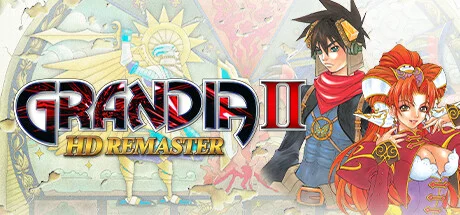
The combat system in Grandia is really something special - it's one of the best turn-based systems out there. What makes it so great is the IP gauge, which shows when characters and enemies will take their turns on a circular timeline. This means every battle is a thrilling race to stop enemies from attacking before they get the chance. When you time your combos just right, you can knock enemies back on the gauge, creating a rhythm that makes even random encounters feel exciting. The main character, Ryudo, is a mercenary who doesn't really care about anyone at first, but as the story goes on, he starts to develop feelings for his companions. His transformation from a reluctant bodyguard to a genuine hero is really well done. I actually wrote a full review of the game last year when I replayed it. One of the things that impressed me was how the story tackles tough topics like religious corruption and the difference between faith and institutional power. It's a lot more nuanced than what you usually see in JRPGs. The HD remaster on Steam runs really smoothly, and the combat is still perfect even twenty years later. In fact, no other franchise has been able to replicate the IP gauge system, which is a testament to how innovative it was. The soundtrack is also worth mentioning - Noriyuki Iwadare's music for the boss battles is some of the most intense out there.
Source: Game Arts / GungHo via Steam
8. Suikoden I & II HD Remaster
The old PS1 games are still amazing, and the HD Remaster collection has introduced them to a whole new generation of players. Suikoden II is especially incredible - it's one of the top five JRPGs ever made, in my opinion. The villain, Luca Blight, is seriously terrifying, and the fact that you can recruit 108 different characters, known as the Stars of Destiny, adds a whole new level of depth to the game. You can even build your own castle, which is a feature that no other game has been able to match. And let's not forget the war battles, which add a strategic element to the traditional JRPG formula. I've played Suikoden II three times, and the scene with Nanami still gets me every time. The story is a real tragedy, with a complex web of relationships between the protagonist, Jowy, and the Highland Kingdom - it's like a political thriller that would make even the great Matsuno proud. Suikoden I is a bit shorter and simpler, but it sets the stage for the rest of the series and has a really cool save transfer system that was way ahead of its time. The HD remaster has finally made these games easy to play, without having to track down expensive old PS1 discs. Honestly, Suikoden II deserves a spot on any list of the best RPGs of all time - it's a game that everyone should experience. Konami really outdid themselves with this one.
Source: Konami via Steam / PlayStation Store
7. Okami HD
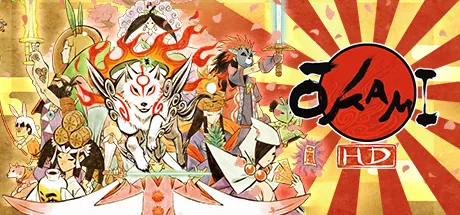
Okami is more than just an action-adventure game - it's an experience that will make you wonder why it's not on every JRPG list. You get to play as Amaterasu, the sun goddess, in her amazing wolf form, and the Celestial Brush mechanic is like nothing you've ever seen before. It lets you pause the game, paint on the screen, and solve puzzles, attack enemies, or even change the environment. The art style, which is inspired by sumi-e ink painting, is so unique that it's still the most visually distinctive thing in gaming history - there's just nothing like it. The people at Clover Studio did an incredible job creating a 40-hour game that never gets boring. It's got a progression structure that's similar to Zelda, but with all the good stuff you'd expect from a JRPG, like stat growth, equipment upgrades, and a bead system that lets you customize your combat. And the best part is, even when you think you've seen everything, the second half of the game is full of surprises. I've finished it twice, and both times I was blown away by how much content was still to come. One of the things that really makes the game stand out is Issun's commentary - it's funny, but not annoying, which is rare for a JRPG sidekick. And with the HD remaster in 4K, the brush strokes look even more stunning than they did in the original. If you're going to play one game on this list just for its art direction, make it Okami. Plus, it's available on Switch and Steam, so you've got no excuse not to give it a try.
Source: Capcom via Steam
6. .hack//G.U. Last Recode
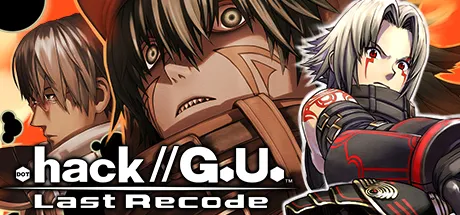
Imagine playing a game that's actually about playing another game - an online multiplayer game, to be exact. This idea was pretty mind-blowing back in 2006, and it's even more relatable now that online gaming has become such a big part of our culture. The .hack//G.U. series pulled it off amazingly well across three volumes. What's really cool is how the main character, Haseo, changes from a bit of a loner who likes to pick fights with other players to someone who learns to trust and work with others - it's like the game is commenting on how people interact with each other in real online games, and it feels like it was predicting the future. The combat system gets more complex and interesting as you go through the volumes - it starts out pretty simple, but by the third volume, you've got all these cool features like switching weapons, transforming into different avatars, and competing in tournaments. Each new volume builds on what you learned before, so the game never gets boring, even after 80 hours of playing. And then there's this whole other level of storytelling that happens through emails, forum posts, and news articles within the game world - it's like the game is commenting on itself, and it's really clever. I played through all three volumes, plus the bonus fourth one, and I was hooked the whole time - the mystery of what's going on with AIDA and how it connects to the original .hack series kept me guessing. The new version of the game bundles everything together at a pretty fair price, and it's got some new features that make the game run more smoothly. The fourth volume, Reconnection, ties up all the loose ends from the first three and adds a really satisfying ending that fans had been waiting for for years.
Source: Bandai Namco via Steam
5. Tales of Symphonia
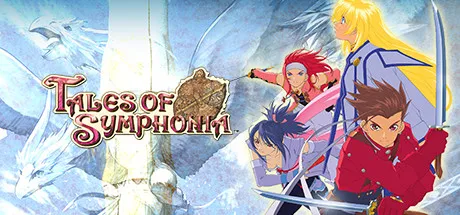
Symphonia is the game that really made the Tales series stand out for a lot of players. The battle system was finally deep enough to keep you engaged for over 60 hours, and Lloyd Irving's dual-sword fighting style feels amazing. But what really gets you is the twist about the two parallel worlds - it completely changes how you think about the first half of the game. I've played through it twice, once on GameCube and once on PS2, and I still get anxious about the choice you have to make in the Flanoir snow scene. The game also has a great relationship system that tracks how much your characters like each other, and the one you're closest to gets special cutscenes and dialogue that make the end of the game really emotional. And then there's the cooking system, which is simple but adds a whole new layer of strategy to exploring dungeons - you have to manage your resources carefully to make it through. The Summon Spirit temples are some of the best-designed dungeons in the game, testing your combat skills and your ability to think spatially. What's really impressive about Symphonia's dungeons is the puzzle design - they're like real puzzles, with blocks to move around and multi-room mechanisms to figure out. And the boss gateways require you to really understand the environment and use your wits. If you're a fan of romance in JRPGs, Symphonia has one of the best love triangles in the genre. And the best part? It's available on Steam, so you can play it whenever you want.
Source: Bandai Namco via Steam
4. Kingdom Hearts II
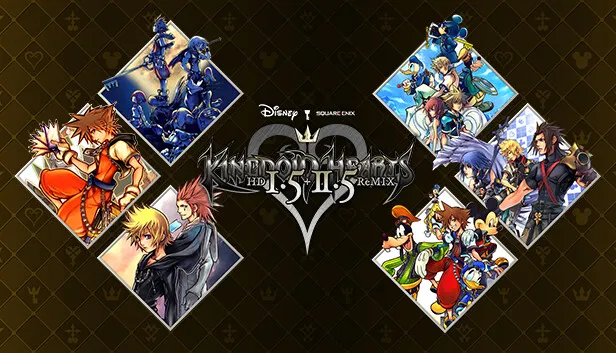
Kingdom Hearts II is a big improvement over the first game, making it one of the best action RPGs out there. The new Drive Forms feature is really cool, letting you switch between different modes like Valor, Wisdom, Master, and Final in the middle of a fight. Each mode plays differently, so you need to switch between them to suit the situation, making the combat really exciting. One of the most impressive parts of the game is the 1000 Heartless battle, where you fight a huge army and get to do some really cool cinematic moves. The story is also really good, with Sora's journey through the Organization XIII conflict being one of the best narratives in the series. I tried playing the game on Critical Mode and it was really tough - it took me over 50 attempts to beat the Lingering Will boss, which is one of the hardest fights in the series. The combat gets even better in the Final Mix version, where you have to master all the systems to win. You can play Kingdom Hearts II in the HD 2.5 Remix collection on PS5 and Steam.
Source: Square Enix / Disney via PlayStation Store
3. Shin Megami Tensei III: Nocturne HD Remaster
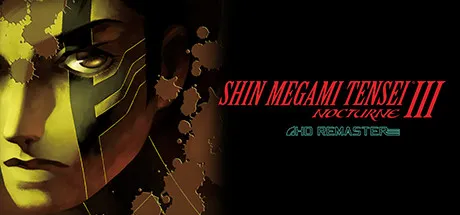
The game starts with a bang - actually, the world ends in the first five minutes. Tokyo is transformed into a sphere floating in the Amala universe, and you become the Demi-fiend, a being that's half human and half demon. Every faction wants you to choose their vision for the world's rebirth, so you've got a tough decision to make. One of the things that sets this game apart is the Press Turn system, which changed the face of turn-based combat. If you hit an enemy's weakness, you get extra turns, but if you miss or get reflected, you lose them. This creates a risk-reward dynamic that makes party composition way more important than levels. I've played through the game twice, and let me tell you, the True Demon path is no joke. The Labyrinth of Amala is one of the toughest and most rewarding endgame dungeons in any JRPG. The demon negotiation and fusion systems mean that your party is always evolving, and the Magatama equip system for the Demi-fiend gives you a ton of build variety - it's a system that Persona later simplified, but it's still super effective here. What I love about Nocturne is that it doesn't hold your hand or give you a map. If you're not careful, you can get killed on random encounters, and that's what makes it so great. You've got to be on your toes at all times. I remember dying to Matador twelve times before I figured out that buffing Sukukaja was non-negotiable. The game teaches you through failure, and every lesson you learn makes you a better player. The Press Turn system was a game-changer, and it set the foundation for every Atlus game that followed. It's a system that rewards strategy and skill, and it's a big part of what makes Nocturne so addictive. So, if you're up for a challenge, give Nocturne a try - just don't say I didn't warn you!
Source: Atlus / Sega via Steam
2. Persona 4 Golden
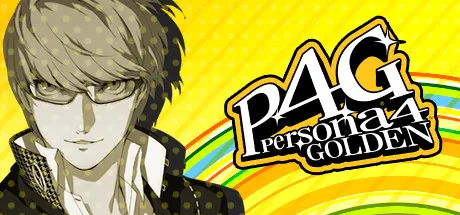
Persona 4 Golden is a game that originally started out on the PS2, but it wasn't until it was released on the Vita and PC that it got the special Golden treatment. If you look closely, you can still see the PS2 roots in the game - the way it's set up like a social sim, the dungeons that are like TV worlds, and the strong bonds between the Investigation Team members all came from what Persona 3 started. The town of Inaba is one of the most memorable settings in any JRPG from its time - it's a small, quiet town where nothing ever happens, until a serial killer shows up and your high school friends get pulled into a world inside TV sets. One of the best things about Persona 4 Golden is the Social Link system, which is warmer and funnier than the one in Persona 3. The characters, like Kanji, Rise, and Naoto, all have storylines that deal with figuring out who they are, and these storylines were way ahead of their time. I've spent over 100 hours playing Golden on both my Vita and Steam, and I can tell you that the murder mystery is full of surprises - it keeps you guessing with all the fake clues, and to get the true ending, you have to pay close attention and do specific things. The Hollow Forest and Marie's storyline in Golden add a lot of emotional depth that wasn't in the original PS2 version, which makes Golden the much better version. And let's not forget the music - the Persona 4 soundtrack, with songs like "Reach Out to the Truth" and "Your Affection," is still iconic today. You can play Persona 4 Golden on the Switch, Steam, and Xbox, so there are plenty of ways to experience it.
Source: Atlus / Sega via Steam
1. Final Fantasy X HD Remaster
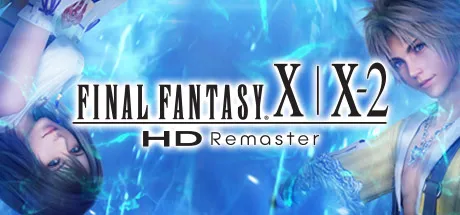
I think Final Fantasy X is the best JRPG on the PS2, and that's a big deal when you consider how great Persona 4 is. But what really sets FFX apart is how it made me feel - it's the first game that ever made me cry, and it wasn't just because of some cheap trick or sad death scene. It was because of the slow realization of what Yuna's pilgrimage really means, and the impossible choice she has to make between saving the world and losing the person she loves. The game's Sphere Grid system is also really innovative, giving you total control over your characters' progression while still making it feel like they have distinct roles. And Tidus, the main character, gets a bad rap - his English voice acting can be a bit rough, but his character development from a self-centered athlete to someone who's willing to sacrifice everything is one of the best in the series. There are so many iconic moments in this game, like the lake scene in Macalania Woods, which is still one of the most memorable moments in Final Fantasy history. I've played through FFX four times now, on the PS2, Vita, and HD Remaster, and each time I've found something new to love - like the Blitzball minigame, which is ridiculously addictive. The game's also got a ton of replay value, with the Via Purifico and the battle against Yunalesca being two of the most challenging and rewarding sequences I've ever played. And with the HD Remaster, you get all the International content, plus FFX-2, making it the complete package. The Monster Arena alone adds another 20 hours of content for completionists, and the Dark Aeons in the International version are some of the toughest optional bosses in the series - I spent 8 hours grinding just to have a chance against Dark Yojimbo. If you want to understand why JRPGs are so beloved, you should start with Final Fantasy X - it's available on PS5, Switch, Steam, and Xbox, so there's no excuse not to give it a try. And if you're looking for more great games to play after you finish FFX, be sure to check out the upcoming releases and 2026 recommendations for some inspiration.
Source: Square Enix via Steam (HD Remaster)
Honorable Mentions
The PS2 has a huge collection of games, and it's hard to pick just a few favorites. But some games really stand out. Like Dragon Quest VIII, which is an amazing game that many people would put in their top five. The unique graphics and the character Yangus make it worth playing. Then there's Xenosaga Episode III, which is the final part of a really ambitious sci-fi trilogy. Wild Arms 3 has some of the best puzzle-filled dungeons in any game. Star Ocean: Till the End of Time was a big deal because it changed the way combat worked in real-time, even if the plot surprised some fans. Rogue Galaxy is another game that deserves more attention for what it achieved. Valkyrie Profile 2 took the combat system from the original game and made it even better in 3D. Dark Cloud 2 is still one of the most innovative action RPGs on the PS2, because it combines exploring dungeons with building towns and taking pictures. If you're in the mood for something scarier, there are other horror JRPGs that cover different ground.
The PS2 era was something special because it had a lot of games and a lot of different types of games. You could play a really long game like Suikoden II, a weird and thought-provoking game like Nocturne, a fun action game like Kingdom Hearts 2, and a game that was like a murder mystery and a social simulation all at the same time like Persona 4. All of these games came out on the same console and around the same time. No other console has ever had such a wide range of games. The PS2 era showed that Japanese role-playing games could be popular outside of Japan. For example, Final Fantasy X sold over 8 million copies, Kingdom Hearts became really popular all over the world, and Persona 4 became popular through word of mouth, which helped Persona 5 become a mainstream hit. The PS2 used DVDs, which gave game developers more space to add voice acting, full-motion video cutscenes, and orchestral soundtracks, which the PS1 couldn't handle. A lot of these games helped shape what modern Japanese role-playing games look and sound like today. The PS2 era was a great time for gaming because it had something for everyone. You could play games that were light-hearted and fun, or games that were serious and thought-provoking. The PS2's ability to play DVDs also helped improve the overall quality of games. Many of the games from this era are still remembered and loved today, and they have had a lasting impact on the gaming industry.
For players exploring beyond PS2, I've built guides for every platform. The PS5, Xbox, Switch, and Steam guides cover current-gen. The PS1, SNES, PSP, GBA, DS, 3DS, and Vita guides cover retro. The JRPG tier list ranks games cross-platform, the battle systems ranking analyzes combat design, and the soundtracks ranking covers the music. For shorter RPGs, that guide has options under 20 hours.
The games listed here are all official, with images coming from the people who made them. We're talking about big names like Final Fantasy X, Legend of Mana, and Romancing SaGa from Square Enix. Then there's Persona 4 Golden and Shin Megami Tensei III from Atlus and Sega. Konami gave us Suikoden I and II, while Bandai Namco brought us Tales of Symphonia and .hack//G.U. Capcom is behind Okami, and Game Arts along with GungHo worked on Grandia II. Last but not least, Nippon Ichi Software made Phantom Brave. Every single one of these games was played all the way through, using the original PlayStation 2, emulators, or the newer HD versions. The thoughts and opinions shared come from playing these games extensively on the original hardware, using PCSX2 emulation, and checking out the modern HD remasters. This was first shared with the public on March 23, 2026, and the last update was on April 17, 2026.