
 Vita, SNES, PS1, PS2, PS5, PS4 , Switch, Steam and Xbox. My JRPG tier list organizes every title cross-platform, and my JRPG meaning guide tells a history of the genre.
12. Scarlet Nexus
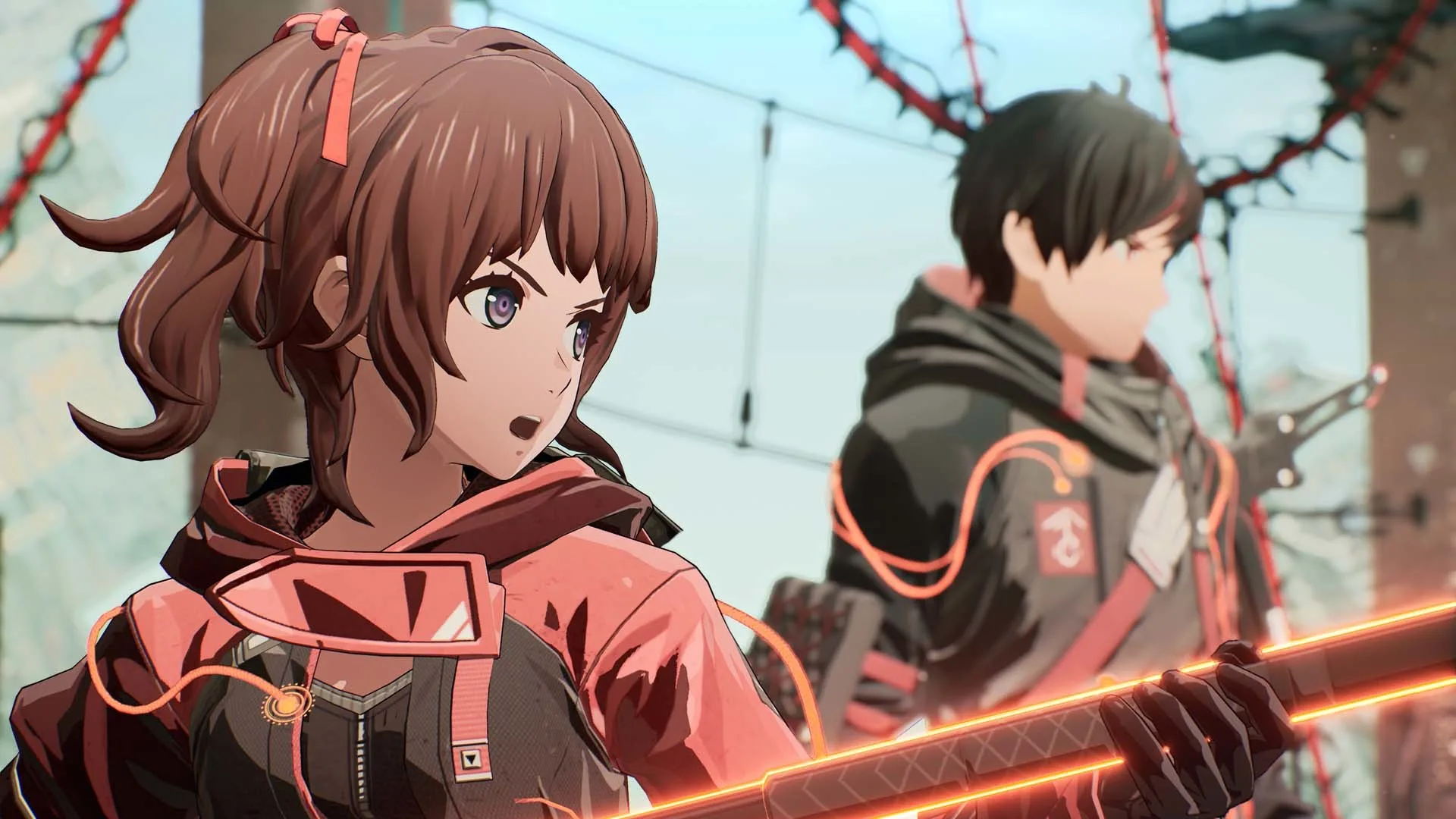
Scarlet Nexus is an action RPG developed by Bandai Namco that was released in June 2021. I bought the game during its first week after seeing a part in the demo where a parking meter was pulled from the ground and used as a weapon to throw at enemies. It took about three days for the part to leave my mind. There hasn't been much talk about this game, and according to the Metacritic aggregate score, it's been rated at around 75-76, and it seems to have been forgotten about a month after its release, based on general conversation.
I think this is a shame because the game's combat system based on psychic powers does what was promised from the demo, which is rare these days. This means that during combos, you can pick up objects mid combo and throw them at your enemies, you can chain different sword attacks, and you can "borrow" your other teammates' abilities through the SAS system, etc. The two distinct routes of the campaign each have about 25 hours of gameplay. Certain Narrative gaps were filled on Kasane's route, those gaps are in reference to the story of the game as Yuito's character has some missing pieces in the context of the story in Kasane's point of view. Both campaigns had an odd feeling to them visually because of the whole psychic vibe but the enemies were built well enough to keep that sense of unease while playing this. The middle of both campaign routes were fairly long and boring in spots, but there was enough motivation in the Combat mechanics to keep me continuing through them both. The campaign on PS4 took around three weeks to complete both campaigns. Compared to other games from that genre that are now obsolete this is not a bad time to complete a JRPG since not many fans of that type game remember the game.
11. Valkyria Chronicles Remastered
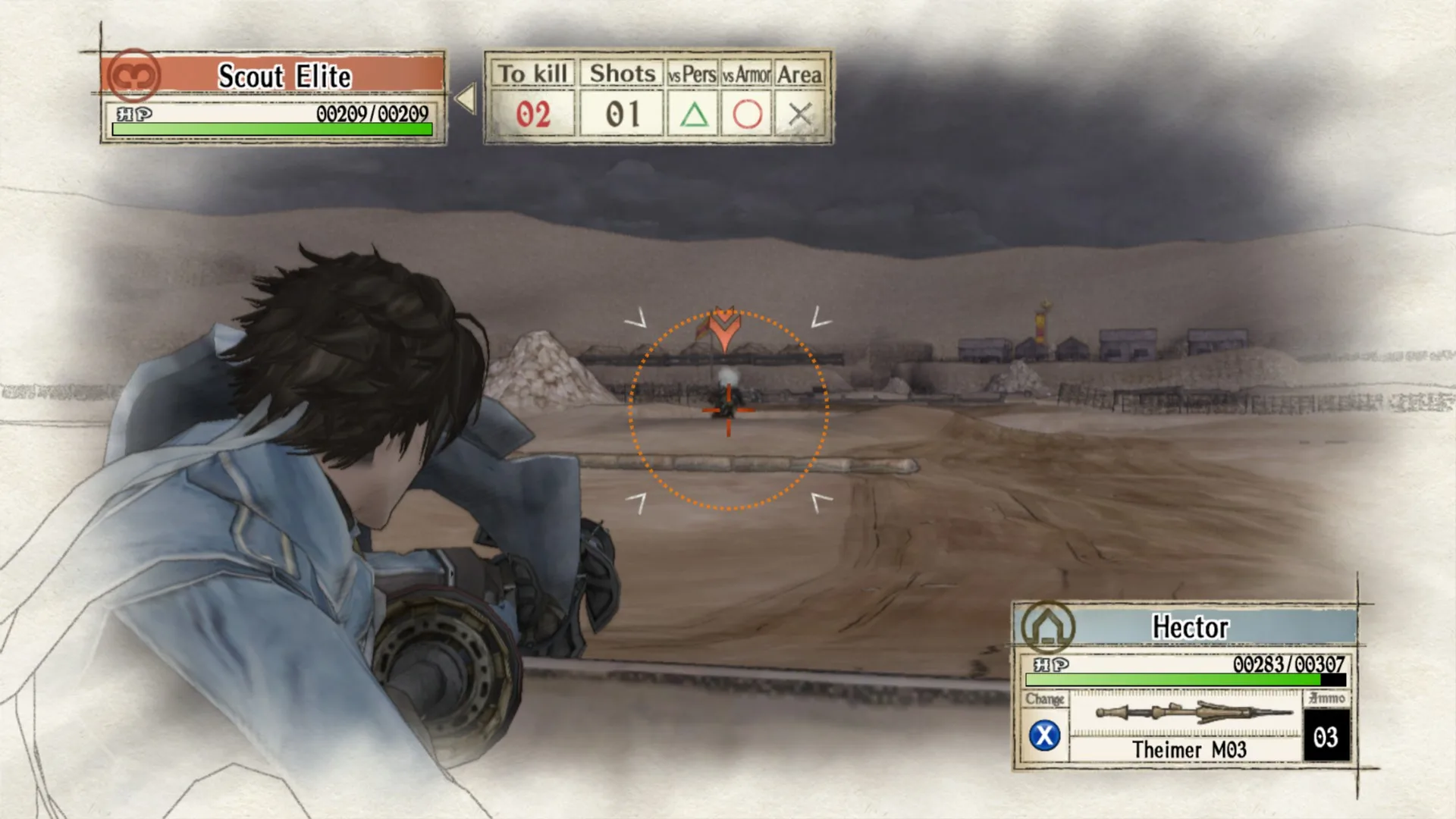
I am not bothered by the fact that this is a Remaster. I actually originally completed the game on PS3 in 2009, but I lost approx 30 hours of Save Data when my hard drive failed and the PS4 Remaster gave me the chance to finally complete the game this year. The visual representations of the CANVAS Engine in watercolor style are much more aesthetically pleasing from when the game originally released and have held up much better in the 7+ years since than most games visually trying for photorealism from the same time period. Most of the PS3 games trying for photorealism have not aged well visually while Valkyria Chronicles still looks similar to a painting.
The BLiTZ system is the best Tactical RPG mechanic I have used to date. Units are controlled from 3rd person over the shoulder; you must manually aim your shot; Action Point allocation is in real time. This game has a system similar to XCOM but has a much richer story. The story of Squad 7 has a high amount of emotional weight when experiencing various scenes such as...
10. Ni no Kuni: Wrath of the White Witch Remastered
- the collision of Welkin's idealistic view of the world and the cruel realities of war - Alicia's transformation from being a baker into leading troops on the battlefield - and Isara's subplot which will not be revealed here due to the desire to avoid "spoilers".
The first time I played through the scenario with the initial encounter of that particular scene, I had placed my controller down for approximately 10 minutes (to get a glass of water) before continuing to play. I remember the way that single scene had an impact on me in 2016 and even now I can recall that scene maybe once a month. There are very few video games that produce that level of impression. Back during the PlayStation 2 era, there were a few titles that were capable of producing that sort of emotional response, but none in recent memory could.
9. Ys VIII: Lacrimosa of Dana
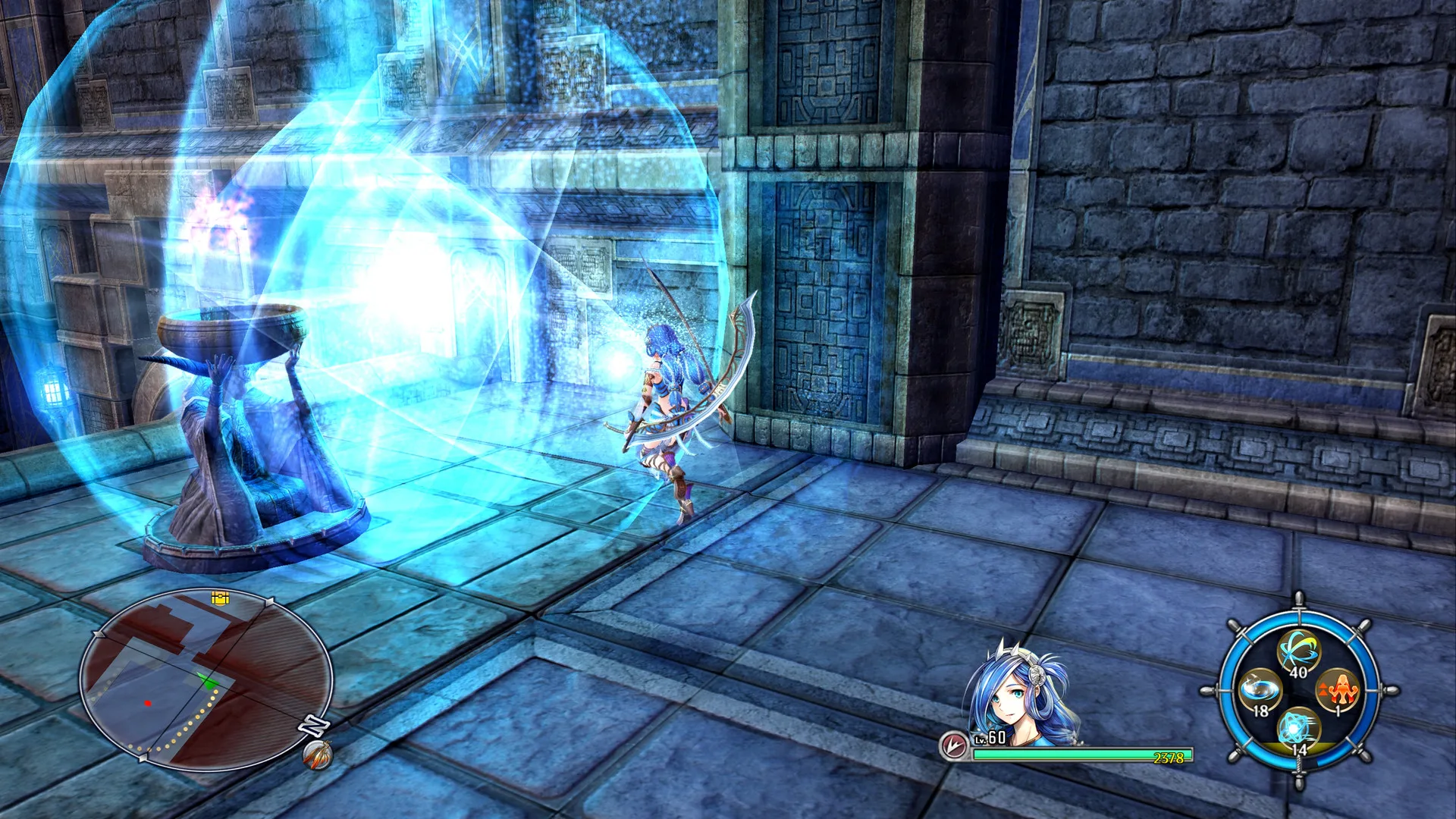
I still cannot believe that Studio Ghibli created the character designs for this game. Joe Hisaishi produced the music for the game, and Level 5 created the world of the game. I had expected that combination of talent listed on the back of the game to yield either:
1) a very impressive final product;
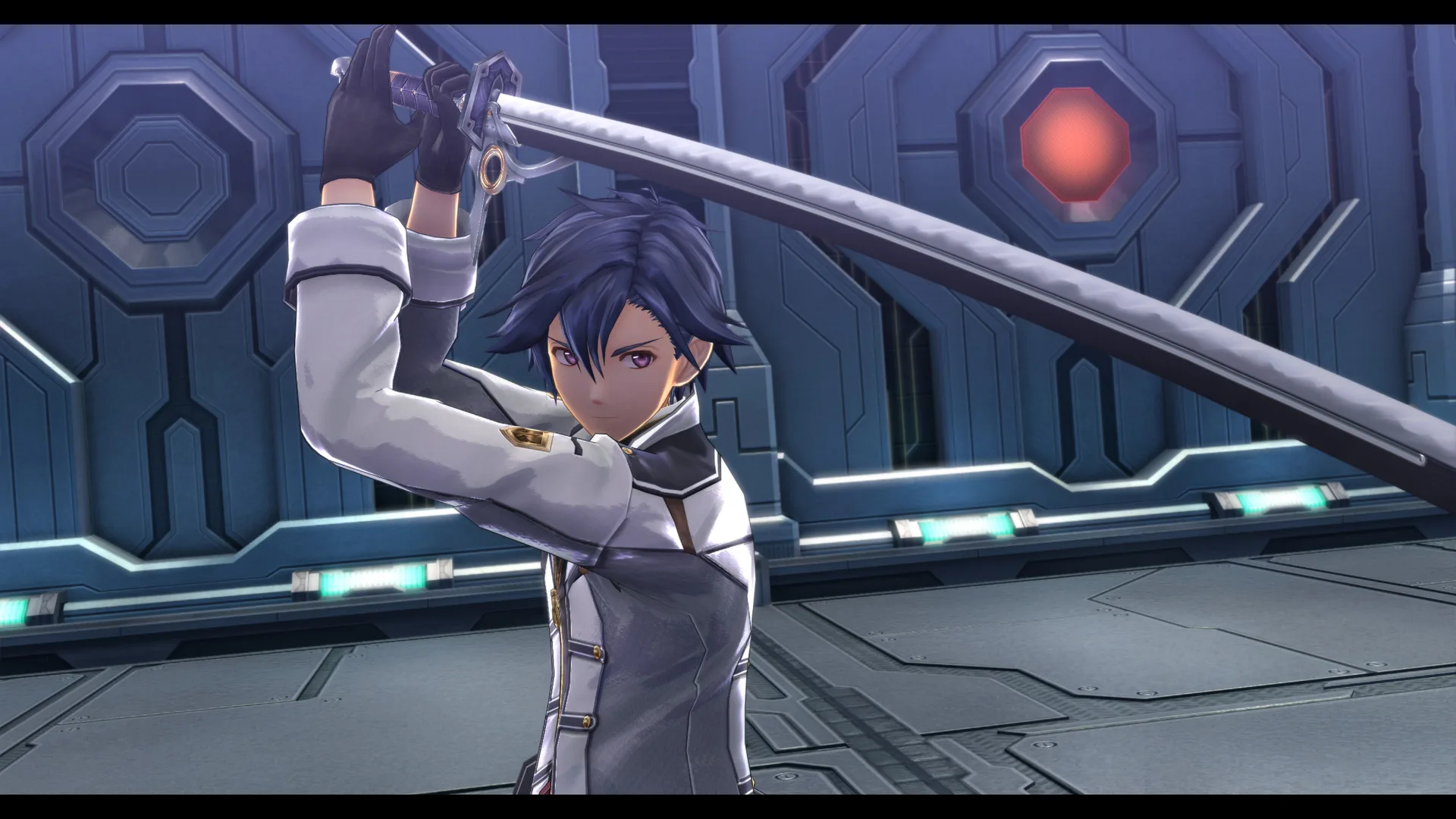
8. Trails of Cold Steel III
or
2) a branding product with bad gameplay underneath.
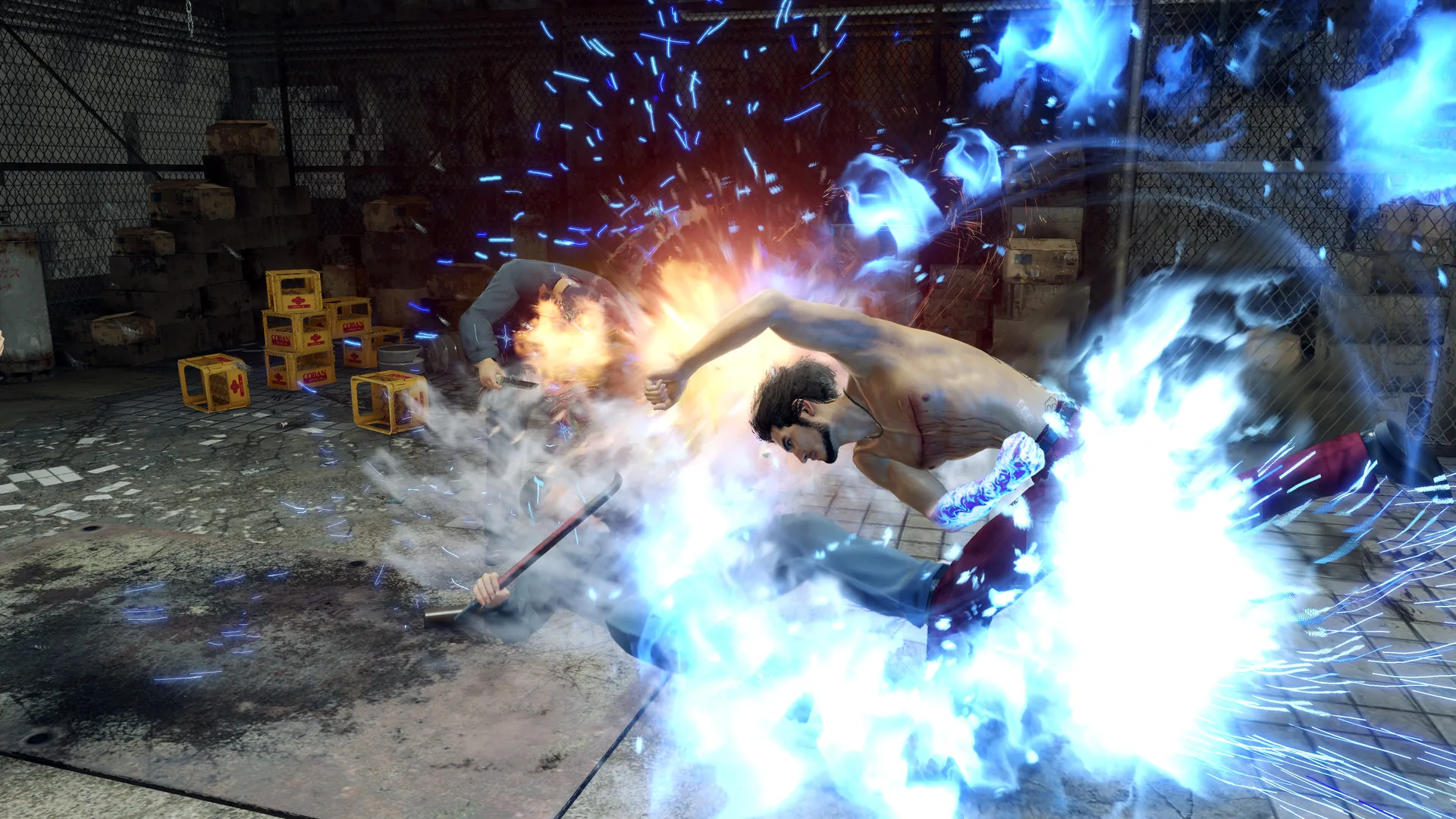
7. Yakuza: Like a Dragon
Unfortunately for Level-5, the final product fell somewhere in between these two extremes. Closer to the outstanding conclusion, but there are issues with games in this category and those issues involve monetary spending, as opposed to simple time based issues.
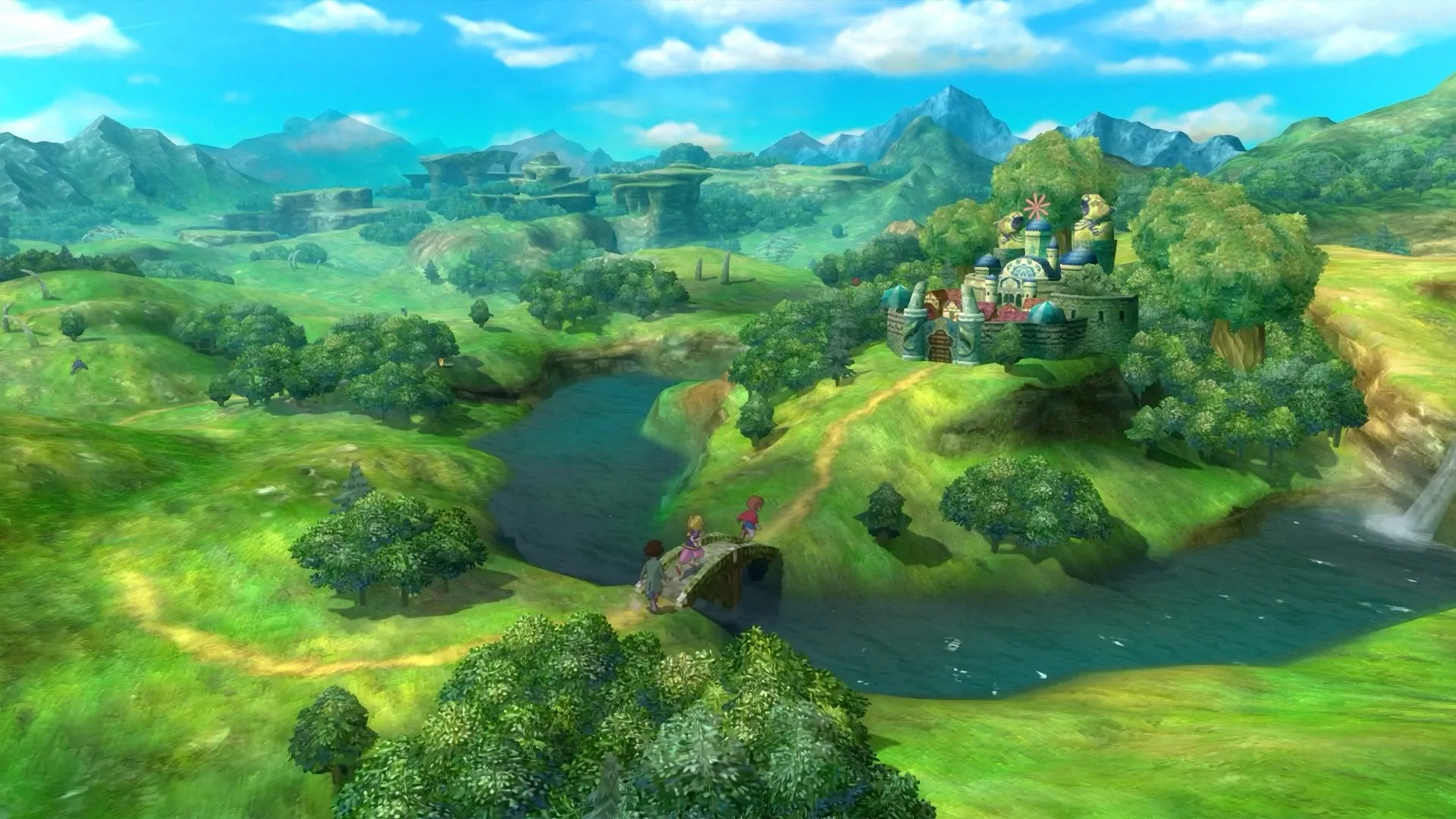
One of the primary components of Oliver's journey to find his mother is directed towards younger audiences, which may not be a negative at all. The game seems to want to meet the intended tone throughout the entire experience, but happens to fall short on more than one occasion. The Familiar System, which is actually a hybrid-type (Creature Catching) mechanic, created some frustration with the player. The AI members of Oliver's group were unable to keep up with the fast-paced battle action. In one fight with a Boss, I lost due to my active Familiar cast'ing a healing spell on itself when it should have been on the player character. I spent around one hour trying to understand how to feed the Familiar by reading tutorials on the wiki page. The size of the overwhelming world was nice and created for a lot of excitement. The Boss Fights were a lot of fun and required some solid strategic thought. The title played at 60 frames per second on a PS4 and visually can be compared to controlling a Miyazaki animated feature film. I was first introduced to this particular JRPG through my friend's 5-year-old daughter, and that was a wise move as I had never heard of it. See the best RPGs of all time.
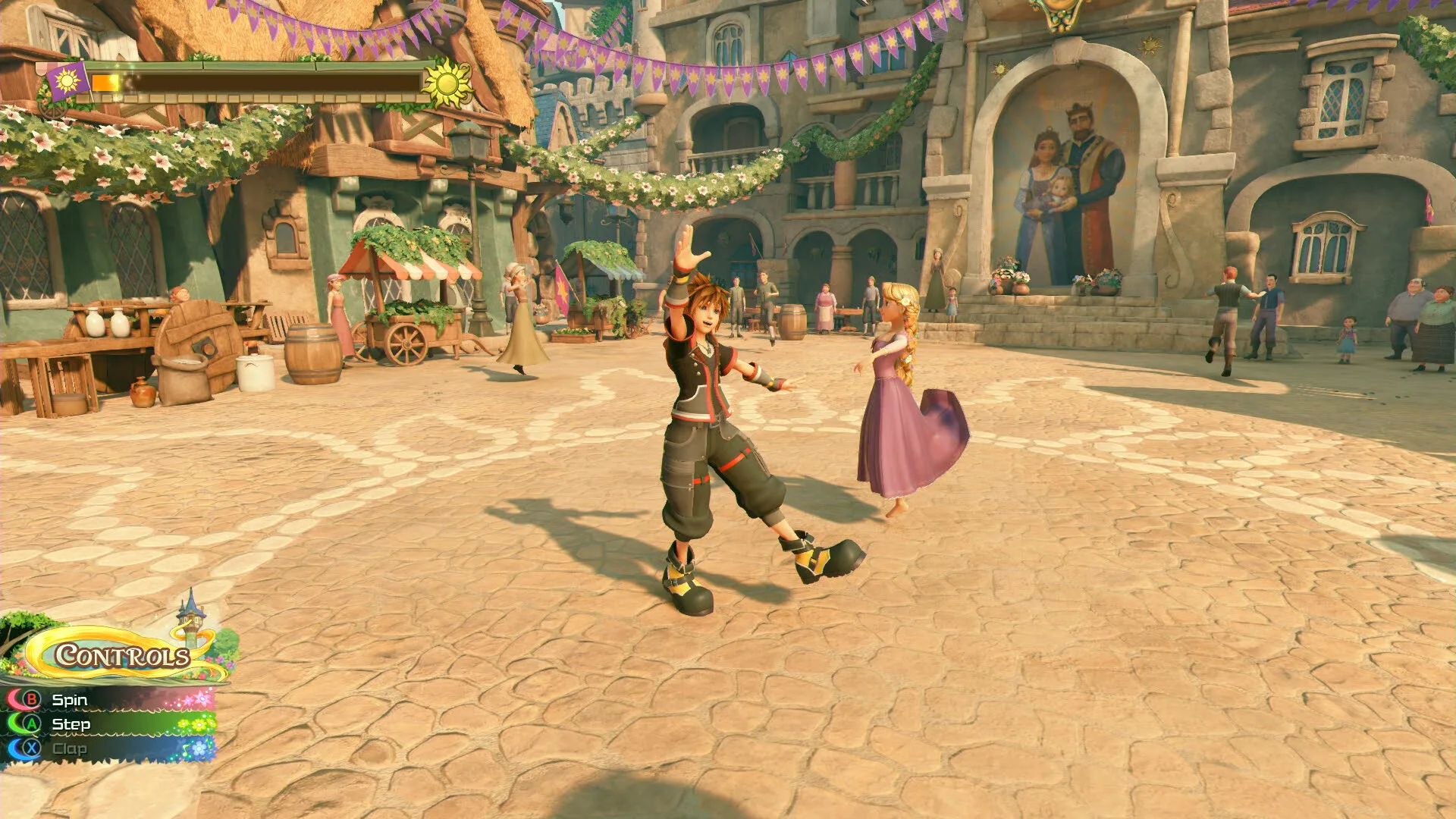
6. Kingdom Hearts III
However, I am unable to find anyone that I know that has played or owned the title. When I have mentioned the title to approximately 15 different people over several years, they all responded with the same confused facial expression. The developer, Falcom, does not have a large amount of marketing resources to promote their products. After they produced Ys VIII, their primary means of selling the product was through word-of-mouth recommendations. I believe that they sold enough copies of Ys VIII to have the series continue, which was all that would be needed; but would really like to see more sales through proper marketing efforts.
The game begins with the main character being shipwrecked on an island with numerous other castaways, subsequently builds a village complete with a marketplace, and continues to explore increasing dangerous area's as Dana's parallel storyline displays life in a prehistoric type civilization. The combat system is fast, utilizes 3-character swapping with Flash Guard and Flash Move timing windows and rewards good execution of such timing. However, the most memorable part of the entire game was the Castaway Village mechanic. The village came to life with the number of castaways that were saved and added to the village provided a sense of true survival to the storyline. The game took around 45 hours to complete (main story) and when I finished playing I would have to say that I was greatly disappointed it was over. Falcom has added some additional downloadable content through patches for the title, such as the Dana Chapters and the Luminous Stone Side Quest (adding around 5 hours of gameplay). For additional history information on the Ys franchinse, please reference my reviews of the handheld versions of the game which were originally posted on this blog. The series has been in continuous production since 1987, and I just siphoned through it for the first time in 2018; wished I would have had exposure to this product much sooner than that.
5. Tales of Berseria
The installment where I could finally tell Falcom began unleashing its full wrath. For anyone who has played Cold Steel I and II and has also experienced either Trails in the Sky or Crossbell, this is where all of the storylines start coming together. Rean Schwarzer has now taken on the role of a teacher. His students are just as fleshed out as the members of Class VII from the first two games. You will not have any doubt about this after about 40 hours of play and you will have developed an emotional connection to each of them.
New tactical depth through the Brave Order System was added beyond what already existed in the traditional turn-based battle system. When trying to trace the political intrigue back, it was necessary to use the Trails wiki to check a particular character's faction. I had initially thought a character belonged to one faction; I found out I was wrong a week later (it had taken one week to find out) and this caused me to be angry at that error. Crossbell, Erebonia and Liberl are three actual countries with histories of being established; they weren't made up for the sake of having a background in a video game. It has to be noted that this is one of the worst cliffhangers in the entire history of JRPGs; Cold Steel III was finished and Cold Steel IV was not yet released, I spent the next two weeks focused on what happened in the game, so please don't make the same mistake I did. The Steam ports of the past Trails games give new players the easiest route to catch up to the series. The Cold Steel games are available on PS4, but most would recommend the PC versions are the better choices for those titles.
4. NieR: Automata
Chris, one of my friend told me repeatedly that the franchise would die when they announced the transition from turn-based to turn-based combat system. Was he wrong? Ichiban Kasuga is now the new main character, while Kiryu has been replaced, and the combat has gone from beat-em-up-style to turn-based encounters that resemble those in Dragon Quest. Ichiban's view of the world is through the prism of JRPGs, as he was raised playing Dragon Quest, and therefore perceives the enemies in the game as monsters, and jobs as tangible items, and ultimately the absurdity of the game is treated as if it were completely serious.
The Job System is deeper than what many think it is. Changing professions from Freelancer to Breaker to Host and at least a dozen other classes completely changes the way you will play the game in combat, and many of which I am continuing to discover on my second playthrough that I began in January of 2024 and have yet to complete (my save file is still sitting here and will remain there indefinitely). The city of Yokohama has a lot of room to explore and has plenty of reward for doing so. Substories in this game are definitely the best humour I have seen in any of the games I have played in the series to date. The crawfish racing in mini-game form is enough to grab your attention. You really need to see it in action, as no amount of words can properly explain it. I texted three people pictures of the mini-game, and none of them could believe it was a real feature. The very next day, one of those people bought the game for himself. If you're looking for a full picture of how well this franchise stacks up overall, I wrote a separate article about the Top 10 Best RPG's of all-time that mentions this subject matter as well.
3. Dragon Quest XI S: Definitive Edition
This selection may be considered controversial by some. The plotline of this game will be completely incomprehensible to anyone who has never played through all of the previous entries in the franchise. This includes the mobile game, which I did not play. The Frozen world consists of ascending the same mountain three times. The Disney worlds feel like theme park rides, more than worlds visited in a video game. All of these issues will be noted upfront, yet, this title is still being placed at sixth overall.
The reasoning behind this location is the combat system/collision is amazing. Each of the keyblades has its own separate moveset with the Keyblade Transformations. For the first time since the original Kingdom Hearts game correctly utilized the Magic system, which I played on a hand-me-down PlayStation 2 around the calendar year 2003. The Toy Box world has fantastic mech-based combat encounters. The Caribbean world has ship-based battle encounters. The final gauntlet of Boss Battle Encounters. The thirteen-year wait between Kingdom Hearts III and Kingdom Hearts II is warranted when Kingdom Hearts III is functioning on all cylinders. The additional content of Re:Mind has included Data Battles that can stand toe-to-toe with the superbosses of Kingdom Hearts II Final Mix. My speedrunning friend for Kingdom Hearts II described the data battles in Re:Mind to be the best combat encounters that Square Enix has created in the last 15 years; therefore, it is more credible than any personal perspective that I could provide. As an aside: anyone going into Kingdom Hearts III with no prior knowledge should not try and read the story recap materials to fill in the gaps—the confusion is a given—focus has to be put onto the combat mechanics in order to deeply experience the game to its fullest capacity as has been experienced by many players.
2. Final Fantasy VII Remake
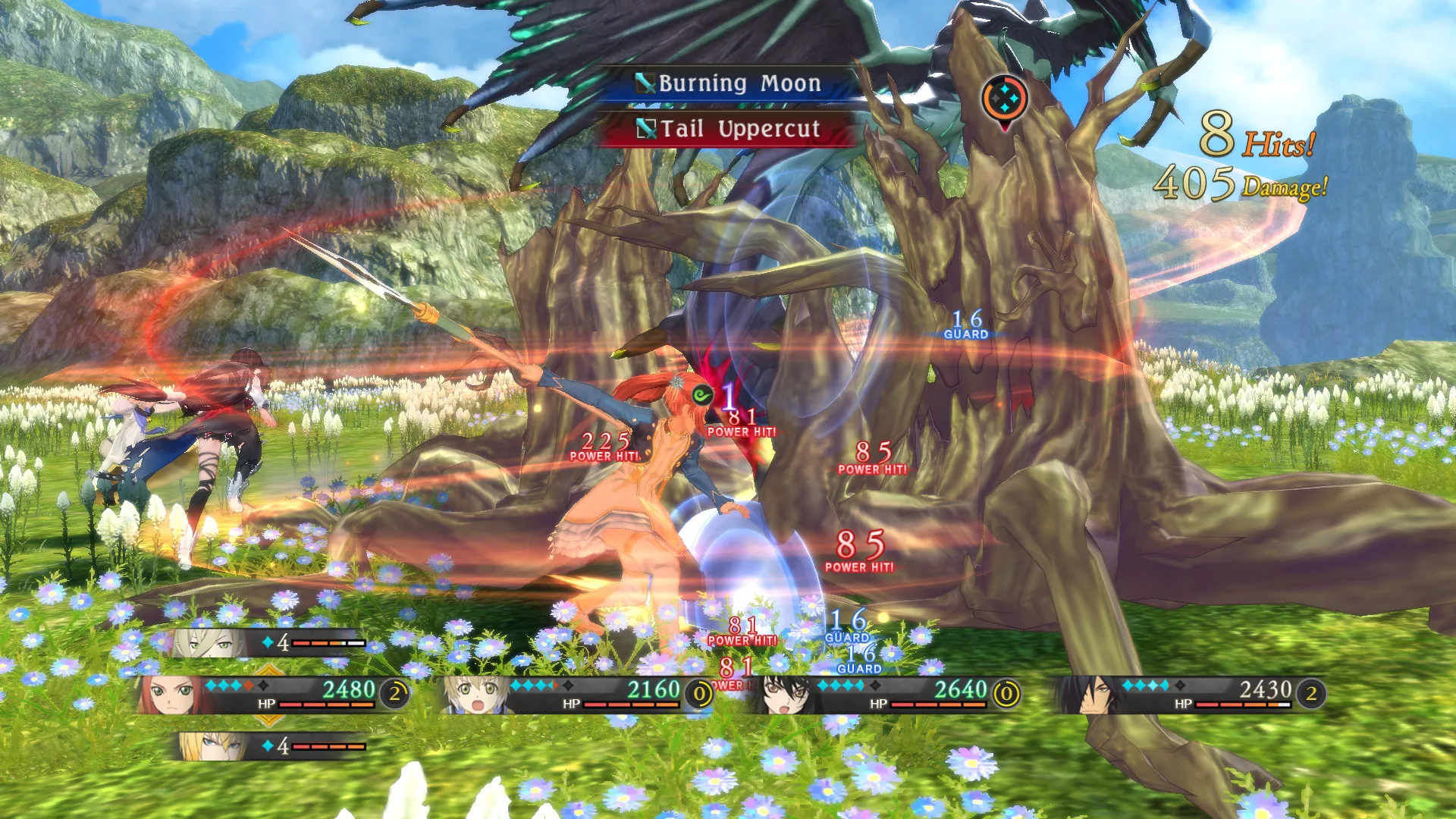
Berseria has given me faith in the Tales series again. This may not sound overly dramatic, but if you want to see how drastically different Berseria is than Zestiria, I would recommend finishing Zestiria first. Zestiria had its main character, Sorey, so unremarkable that there were two points in time during the writing of this paragraph that I couldn't remember his name. In contrast, Berseria has Velvet Crowe as the protagonist, who is an antihero driven by revenge and starts the game by eating a demon. Velvet does not lose that anger throughout the length of the game. The group's members all live outside society and are characterized as outcasts or criminals. The relationships between these characters have created a more cohesive group of characters in one situation than in any previous release in the franchise, including Vesperia.
The Soul Gauge has been implemented as an alternative to the traditional TP system that was previously implemented in all of the Tales games. The Soul Gauge will reward players that play aggressively by allowing them to earn Souls for damaging their opponents by using their weaknesses, and then using the earned Souls to attack with Combo Attacks. Compared to the other combat mechanics developed for previous Tales games, the combat developed using the Soul Gauge is vastly improved, and the development and release of this game occurred well after all of the main Tales titles were released after the original release of Symphonia for purchase on the GameCube in 2004. (This site's ranking of the Tales series can be seen for further examples and discussion.) Through the experience of 60 hours of gameplay, players are left to ponder the question, "What is an Evil Hero?"; Perhaps the best example of an Evil Hero would be the main character in Berseria, which has been earned through the Evil Hero Character in almost all of the playable main characters in all of the titles from the Tales franchise. I have completed the game twice on PlayStation 4 and played this game three different times at this point before I earned my Final Ending E.
1. Persona 5 Royal
Although full-length titles are not normally replayed, this seems to be a good example that says otherwise. Route A was played in March 2018, and Route B was played approximately two weeks after Route A was completed. Route C was left unplayed for around six months due to daily commitments and the continued narrative being forgotten about, which was an error. Before starting Route C, the last two hours of Route B need to be replayed. The combat systems across all three routes remained consistent with one another, which was unexpected. By the time the player completed Route C, most of the varied aspects of the title had become uninspiring; however, the combat system developed by PlatinumGames consistently provided a responsive experience.
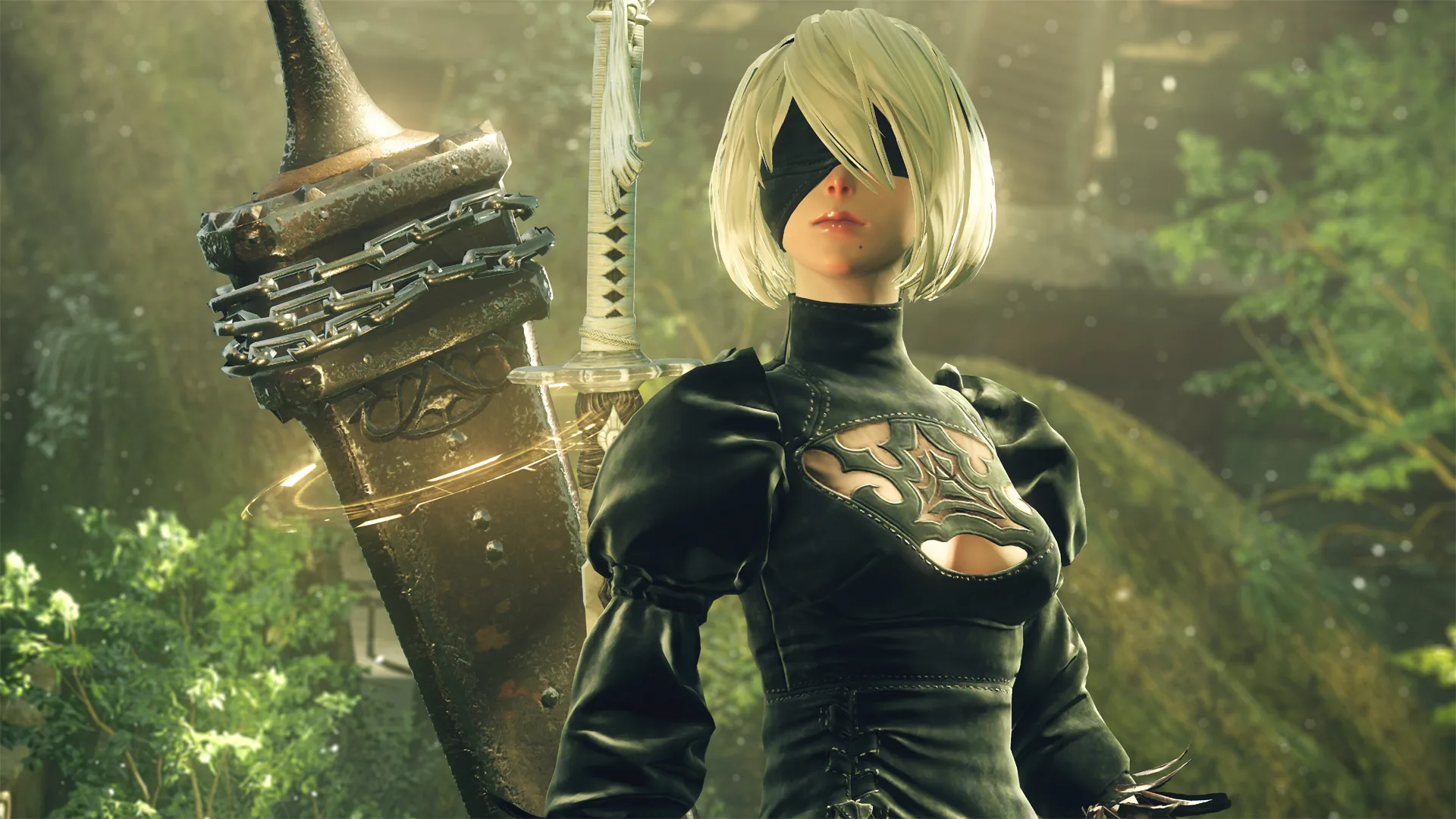
Yoko Taro (the director) created a game that examined existential themes and conscious thought, all while still being classified as an action game that also was classified as a bullet hell game, a side scrolling game, and at one point a text-based adventure game. Characters 2B, 9S, and A2 are some of the most well-defined characters in the modern JRPG genre. This title has one of the greatest musical scores ever created for a video game. The song "Weight of the World" and the three unique renditions created for each route will regularly create strong emotional responses. The last ending sequence includes a request for the player to make a personal sacrifice, and I considered this request for approximately five minutes before executing the decision. After I executed this decision, I am unable to provide additional specifics. It is necessary to complete the title an entire three times. This is not reported as an option. The folders of screenshots from 2018 were reviewed while writing this, and I found a blurry photo of the final credit sequence. I took this photo with a phone because I didn't know the way to take screenshots of PlayStation 4's at the time. That is the nature of this experience. Poorly taken photos of a TV are taken due to the desire to have a record of what I just experienced.
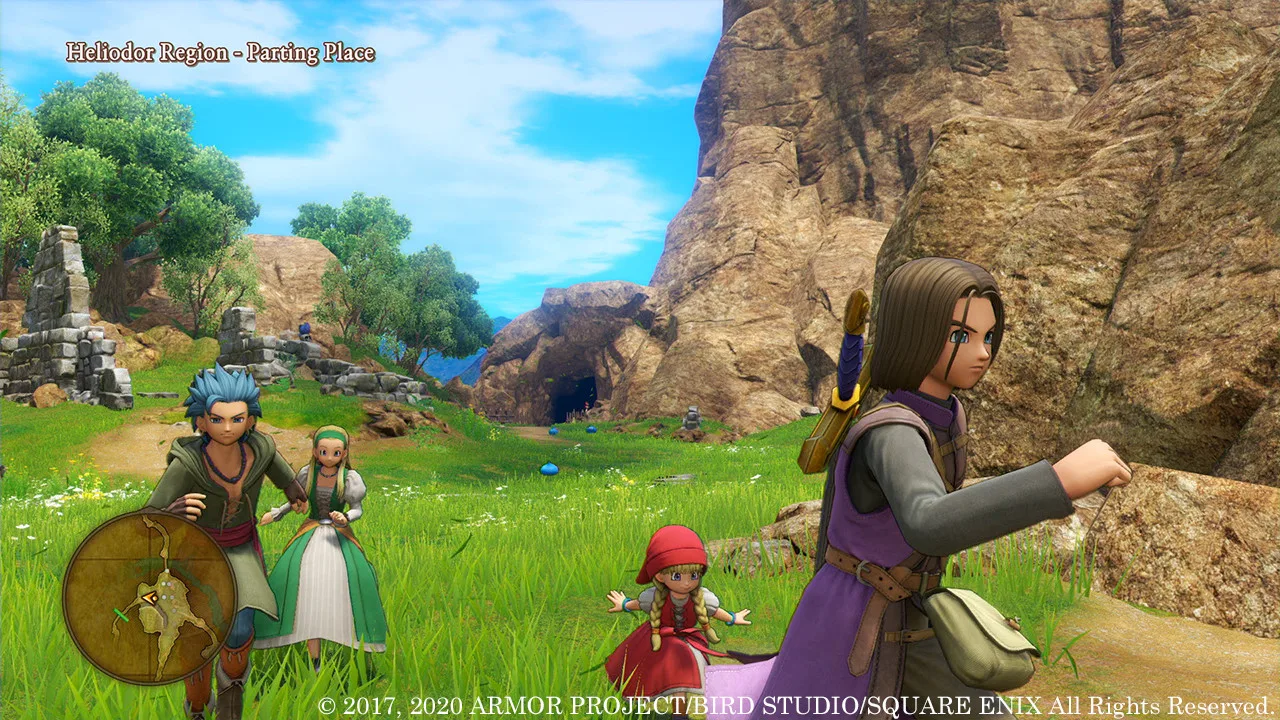
This title embodies a comforting dish that someone who is formally trained to cook has prepared for you to eat. Every part of Dragon Quest XI is built using tradition. Turn-based combat mechanics, a protagonist that does not speak, and a save-the-world themed narrative structure (among other things). These details have all been created using a standard of quality that exceeds any example within this subgenre of gaming. The amount of craftsmanship within each part of this game is vast. It feels like every town was created over several months of development. Each character's story arc has a resolution that provides closure without being predictable. I spent around eighty hours on my initial run, and thirty more hours completing everything in Act 3.
Honorable mentions
You should absolutely get the Definitive Edition version. The original game's music was synthesized in a way similar to a DVD menu from 2005. The Definitive Edition contains an orchestral score, which improved my level of enjoyment from "good" to "great." There is an additional twenty hours of gameplay associated with Act 3, which contains some of the best moments from the entire game. The Tickington side quests will bring back memories from older Dragon Quest titles, which is a great nod to fans of the series. The best reason to get this game is to meet Sylvando; he is by far the best character in the history of JRPG's. No counterarguments will be considered on this topic whatsoever. Additionally, the free-form party position mechanic during combat also adds an additional tactical layer to encounters, which wasn't recognized until very near players reached the 50-hour mark in their playtime. Player character can be repositioned in order to affect AOE ( Area of Effect ) abilities, and once the mechanic was realized, the new strategic options were available that had not been foreseen prior to discovering this mechanic. To confirm that no one had made up the mechanic, reference was made to an older GameFAQs discussion post and as there had been no imagination about this mechanic, they were correct.
How these titles were ranked
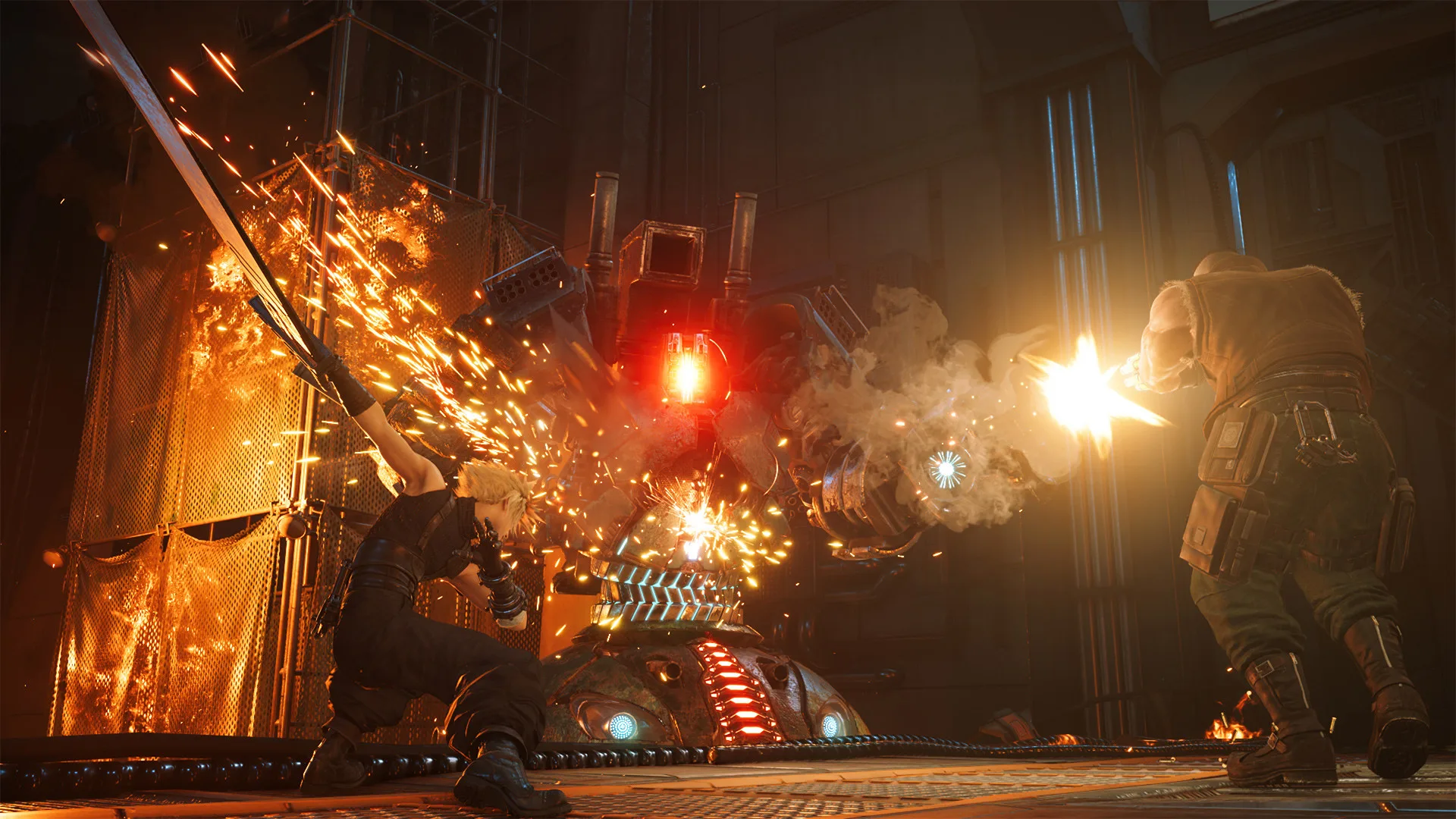
I first played the original Final Fantasy VII on a borrowed PlayStation 1 in 1998. I used a CRT television and a Memory Card with someone else's save-data on it that I accidently overwrote the save-data of (sorry Kevin). The Remake takes the original game's five hour Midgar section of gameplay and expands it to approximately 40 hours of gameplay, but at no point in this experience did it feel bloated. Midgar is presented in the remade game as a fully functioning city with districts filled with people and problems outside of anything that the Shinra Corporation was doing with the surrounding area.
ATB ( Active Time Battle ) timing mechanics and real-time combat were combined into one combat system. I believe - I never thought I would write this - the remade game represents the player characters of Cloud, Tifa, Barret and Aerith as more well developed in the remade version than they were in the original version. The chapters involving Wall Market; the chapter 14 resolutions; the motorcycle chase scene; the encounter with the Hell House; and the encounter with the Airbuster Boss were examples of spectacle executed at its best. There's also the ending of the game that many find to be quite divisive. When the credits rolled, my immediate thought was to start over and play all of both the original and the Remake versions again back-to-back (which I'm sure is what Square Enix was hoping for). Whether this is considered a stroke of genius or a travesty really depends on how much someone feels attached to the 1997 version. I personally think it qualifies as a stroke of genius; however, I can empathize with the opposing viewpoint.
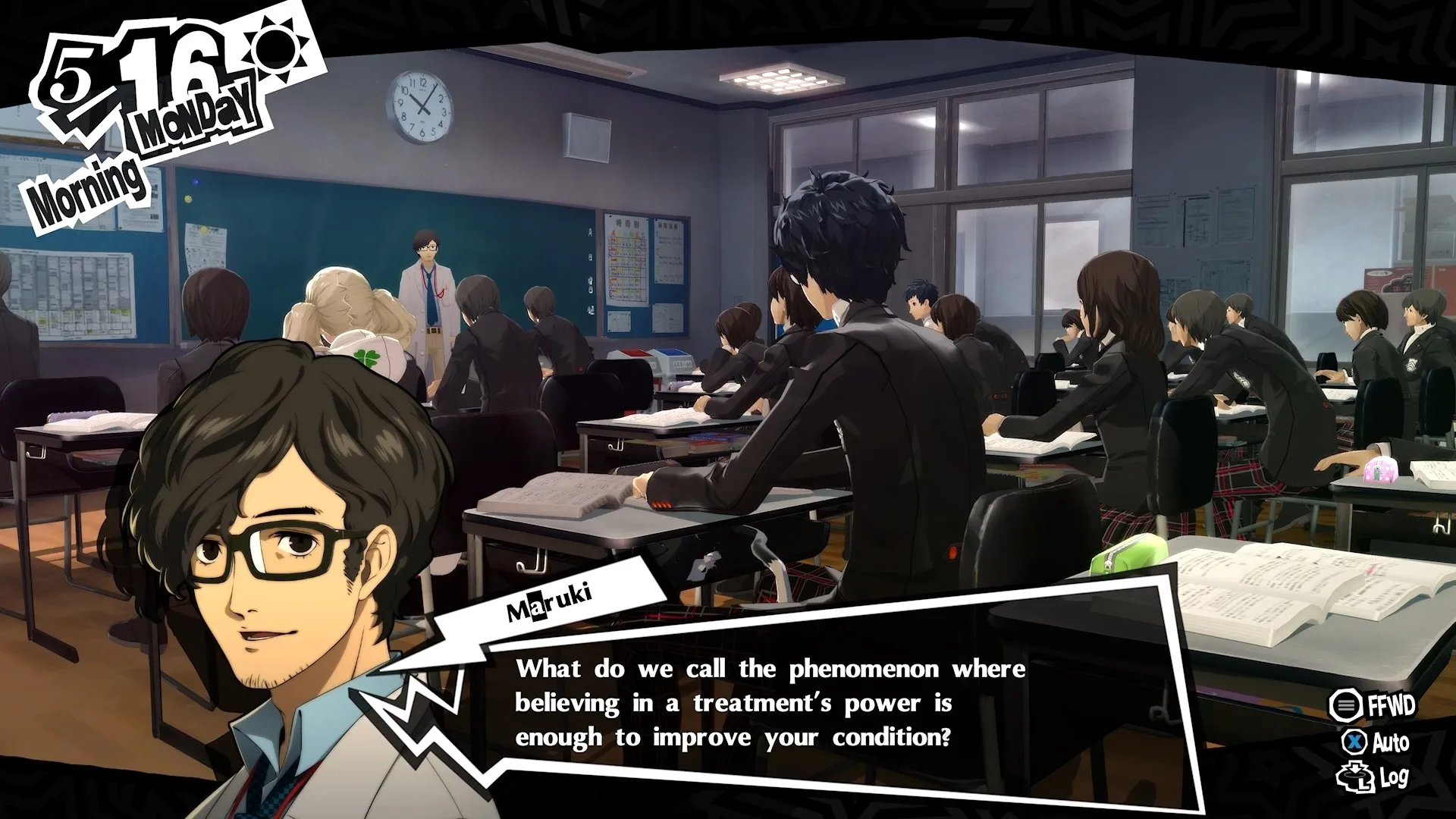
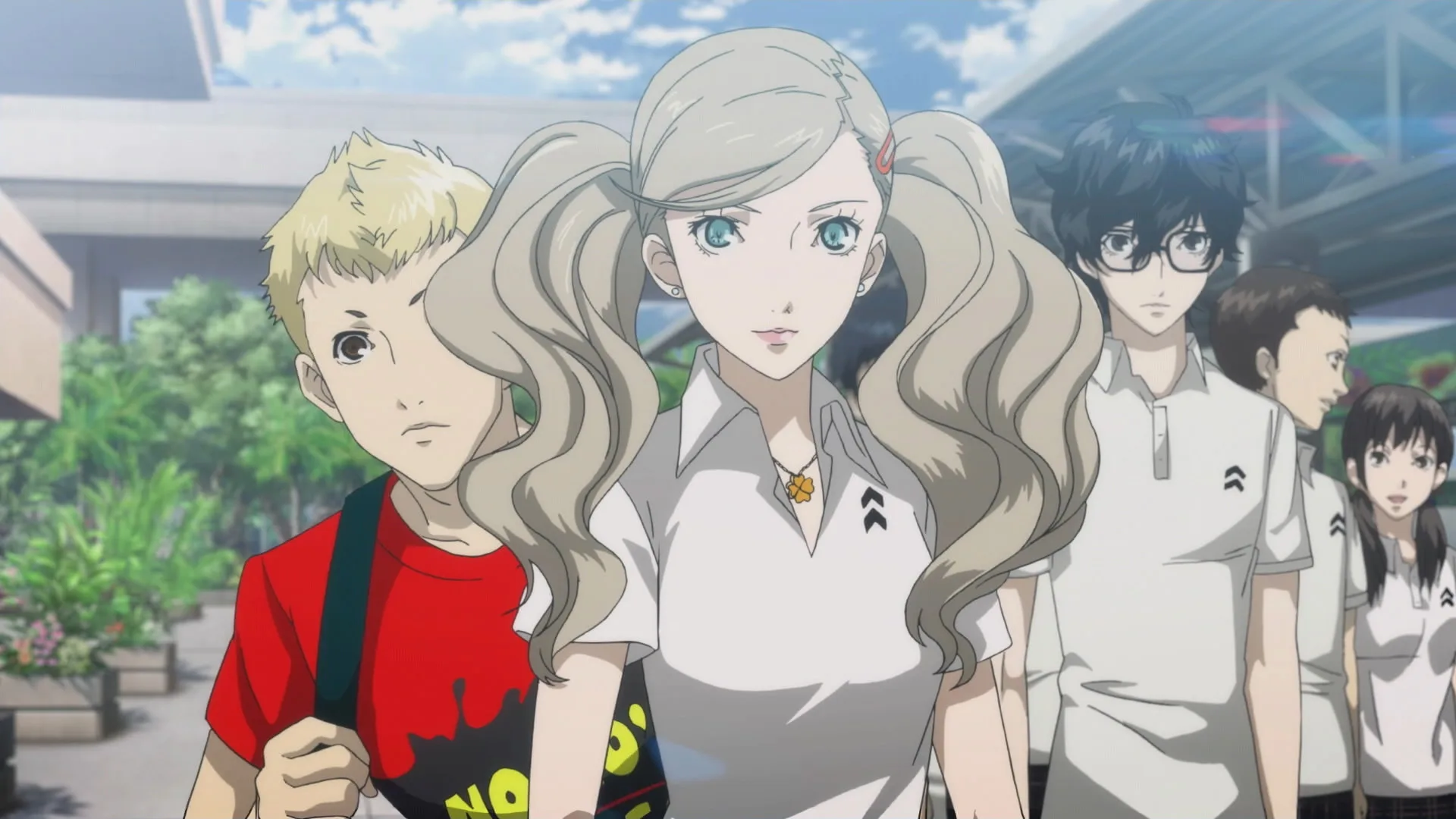
Altogether, I've put in 247 hours into this game, and I verified with Trophy timestamps. My first playthrough started in Nov. 2019 and was done in Jan. 2020. My second playthrough (with Royal content) went from March to May 2022. The Royal expansion added a third semester of philosophical content from Atlus, and includes Maruki's palace and a major moral dilemma. I paused during the final decision sequence of the game and brewed coffee because I needed several minutes to think before I was able to make a decision. Check upcoming releases for what's next. See short RPGs for quicker picks. See the best RPGs of all time.