
 3DS, PSP, Vita, SNES, PS1, PS2, PS5, PS4, Switch, Steam, Xbox which includes many RPGs across all platforms in one JRPG tier list. In addition, I have created a JRPG Meaning Guide which details the history of JRPG.
When I began playing Cyber Sleuth I had an idea that this would be a children’s game. After about 60 hours of gameplay, my thought was that I couldn't understand why the Digimon franchise kept this quality JRPG from being made until now. Media.Vision developed monster-collecting RGP (Role Playing Game) with the evolution system build off a predecessor virtual pet device, and this resulted in a role-playing game that has real depth. While Digimon evolve in a linear fashion, Digimon also branch, de-evolve then re-evolve (branch paths), creating an array of opportunity for a gamer to attempt different strategies instead of relying on grind.
12. Digimon Story: Cyber Sleuth
The detective-based storyline based in a cyberpunk around the future Tokyo follows more naturally than what would be expected. You, as the player character, receive a digital call to assist in solving cases, become a hybridized version of yourself (part human and part digitized) and must play multiple cases in both the real world and in cyberspace. The Virus/Data/Vaccination (rock, paper, scissors) methods of advantage and disadvantage systems are key throughout the fighting and combat situations. Building your team of 11 Digimon and having three of them on active duty at all times keeps your team constantly building and reconstructing itself. All Side Quests might not have been well executed, but Cyber Sleuth proved that Digimon could hold its own against Pokemon in substance, if not in sales, and that difference grew on Chapter 15.
When I played Soul Sacrifice Delta, I realized there was still potential for the Vita to produce experiences that the 3DS cannot provide. It’s an action RPG, based on a hunting model, wherein each of your choices involves a moral decision. You can either save the creature you just defeated and empower yourself with a defensive ability, or sacrifice the creature you just defeated for an offensive ability. The entire game hinges on this binary choice, and in doing so, profoundly alters the character development process with regard to its long-term and systemic impact.
11. Soul Sacrifice Delta
The aesthetic of Grimm’s Fairy Tales is what distinguishes this game from Monster Hunter’s ecological model. Just as the Boss Encounters feature cursed humans turned into grotesque creatures, each encounter with a Boss from the game has its own backstory recounted via the game’s Librom, which completely alters the scope of that battle. Delta is the next evolution of the original game and provides the new Grim faction along with the existing Save and Sacrifice factions; thus creating three separate narrative branches. I put over one hundred hours of my life into both versions of this game, almost entirely spent in co-op play with a friend who believed in sacrificing everything, contrary to my own belief in saving everything. The tension caused by having two players use opposite philosophical methods of gameplay is an experience that no other hunting game can recreate. The fact that Soul Sacrifice Delta is exclusive to Vita makes it one of very few reasons to still own a Vita today; there have been no ports, remasters, nor is it available on PC either. To experience this game means you will need a console, and any title of this calibre is sufficient reason to search for one!
Tales of Hearts R is an exclusive Tales title for the Vita that most western fans may not know about. Originally created as a DS title that featured 2D Sprite-based combat, the remake for the Vita was completely recreated in 3D using the same Linear Motion Battle System that serves as the basis for Xillia and Graces. The plot features Kor Meteor as he tries to put back together Kohaku's shattered Spiria; while it does use a fairly standard Tales plot structure, what deeply drives this game is the chemistry between the characters in your party.
10. Tales of Hearts R
I picked this game up during the PSN sale for only $12 back in 2015 and I got around forty hours of good gameplay from that price. The combat may not have been as refined as it was in Berseria or Vesperia; however, it is the ideal blend of easy-to-learn vs. deep enough to allow Tales games to be enjoyable on the go. Short dungeons, fast Save Points, and combat that lasts about two minutes rather than ten (like most console-based RPGs) indicate that during development, the team for Hearts R recognized that the pacing for a handheld title would be performed differently than that of a console-based game. With localized versions, some translations have been poorly executed (the game does not include an English dub and many translations have errors), but because its game-play loops are solid enough to provide the player value, those discrepancies do not detract from overall enjoyment.
Throughout my playthrough, I have always purchased Vanilliware's games based primarily on George Kamitani's artwork (his hand-painted sprite creation is phenomenal in every way; it looks exactly like an oil painting from a fantasy art book priced at approximately $80.00), and Dragon's Crown has exceeded my expectations. It offers all the elements of a side-scrolling beat-em-up game with RPG development, 6 character classes, and a loot system that gives reason for the player to continue playing long after completing the campaign quest.
9. Dragon's Crown
For my first playthrough (which had a run-time of about 60 hours as I continued to re-run dungeons for better equipment), I played as an Elf; my second character was a Wizard. Even though both classes seem very similar to each other in regard to how they perform in relation to their skills/abilities, the enjoyability of playing each class can vary greatly in contrast to the other. The Vita version runs at a lower resolution than the PS3 version, but because of the vivid colours produced by the OLED display, you quickly lose sight of the lower resolution. Between runs at the tavern, the AI companions that you resurrect when you locate their bones throughout the dungeons and the increasing difficulty of the Labyrinth of Chaos in Dragon's Crown all contribute to the game's "one more run" appeal, and I experienced it more times than I would care to admit. The decision to play through the Fighter class again for a third time, to compare the experience of melee fighting to that of ranged fighting, gave me clearly defined differences to do so. The fact that there are six character classes in Dragon's Crown, and each feel unique given the game's extreme replayability is a remarkable feat, particularly for a handheld device.
Another fantastic Vanillaware game that I would argue is the better out of the two. Muramasa Rebirth is a Wii port that has finally found its true home on the Vita; the mission-based nature of the game fits perfectly with the handheld format and the OLED display makes you want to stop and stare at Kamitani's version of Edo Japan in between combat encounters. Both playable characters (Kisuke and Momohime) each have their own campaign with unique storylines and the four DLC episodes introduce new characters with entirely unique combat systems/designs.
8. Muramasa Rebirth
I completed both main campaigns as well as all four DLC packs over the summer of 2014 and the sword forging system kept me engaged all summer long. The rhythm of creating Soul Blades through specific recipes, finding hidden blades in off-path locations and switching out between three colors during combos is what continues to set it apart from every other action role-playing game. The Boss Battles; especially the giant centipede in the Momohime path and the final Boss Battle DLC; to me, are without a doubt the best ever experienced on a handheld device.
The PS2 version of this game had major issues although it was gorgeous the game had issues with being playable due to an extremely low frame rate at times, but that is no longer the case with Leifthrasir as Vanillaware has completely rebuilt the combat system adding Skill Trees for each of the 5 playable characters, and also converting the frame-rate to a locked 60 frames/second via the Vita hardware. While I would have purchased Leifthrasir just for the frame-rate, Vanillaware has rebalanced every Boss Encounter in the game, added an increased number of locations (significantly expanding on each map), and introduced a recipe system to link character progression with exploration.
7. Odin Sphere Leifthrasir
During my forty-five hours of playing through the five separate character storylines back to back, I was amazed to see how all five narratives will cross through characters, locations, and events while being told from a different perspective building up to an apocalyptic ending. Gwendolyn's tragedy which leads to Cornilius being cursed, Mercedes going to war, Oswald's encounter with the dark world, and Velvet's grief filled journey; was unique at this level of JRPG.
The food system was incredibly addictive; I spent more time nurturing my Napple trees than any boss encounter. The Alchemy system added a big layer of management to the overall system (as I had to gather, combine and create materials to produce potions & attack items, etc.) helped maintain freshness to the gameplay throughout the entire 50+ hour experience. When compared to most of the full-price console game packages, Vanillaware's addition of content to the Vita cartridge is outstanding in comparison.
6. Ys: Memories of Celceta
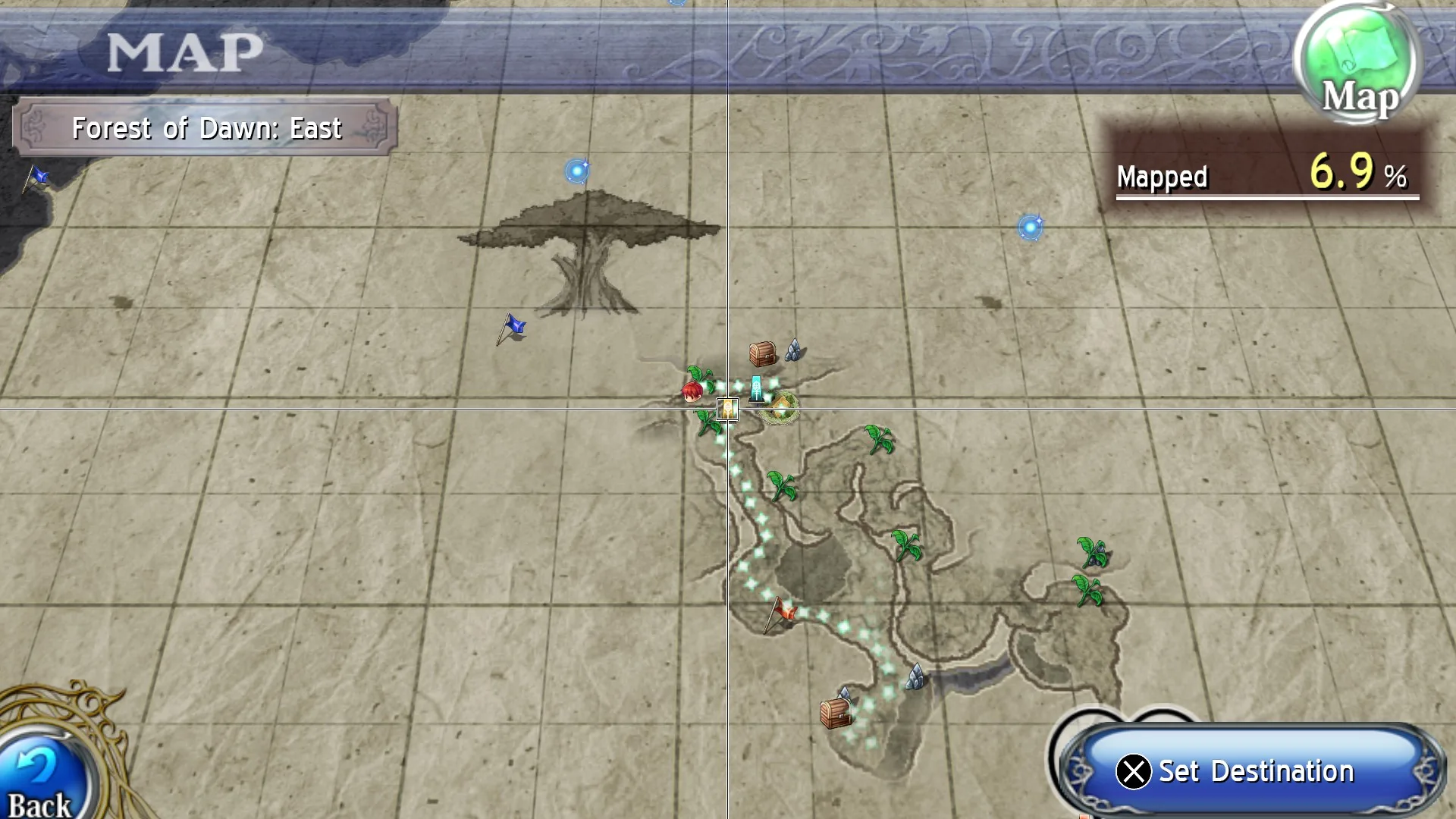
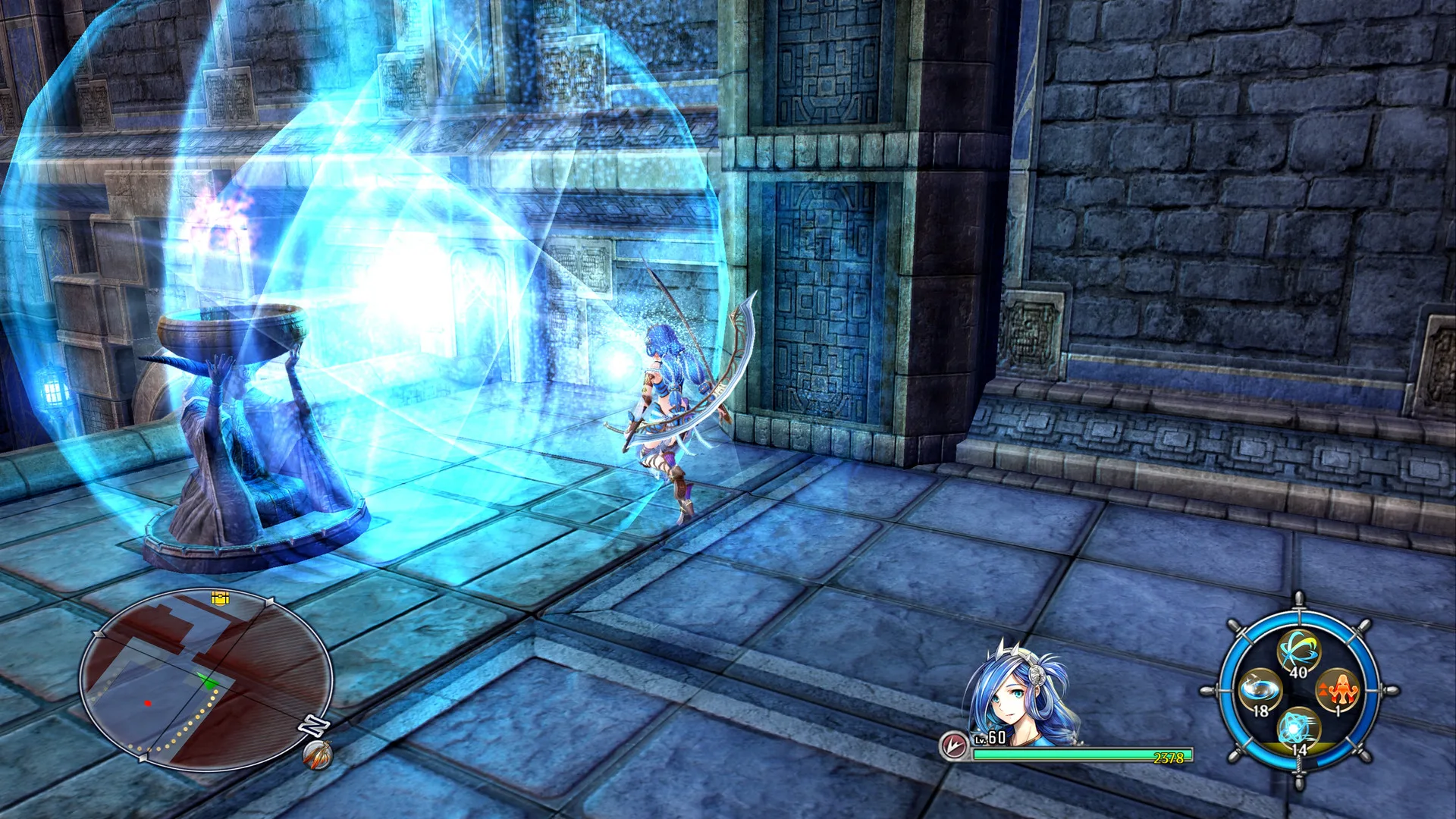
Memories of Celceta was designed by Falcom as a game for the Vita; it is apparent that this was their goal from the start. The overall design of the game is focused on exploration; for example, by using the percentage tracker of how much of the map has been discovered, players can fill in every square inch of the Great Forest. Additionally, by finding artifacts placed throughout the map while exploring, you will also find Lore pieces and Stats Bonuses that you will receive. The character Adol does not have any recollection of who he is at the start of the game; you are given several different locations to go to in order to regain your memory. Because you will travel to specific locations to regain your memories, exploring the world also gives you something to work towards and not just because you like to complete every task available in the game.
When I played Celceta for the first time on the Vita in 2013, it was my introduction to modern Ys, and it was through the use of a party combat system using 3 characters who you can switch out, with the Flash Guard and Flash Move abilities that the basis was established for what would later become Ys VIII and IX. I am forever a fan of the series due to my first experience with modern Ys while playing Celceta on the Vita in 2013. The boss battles are fast-paced and aggressive; for example, the boss of the Mining Village went through so many players' lives that I doubt it would be appropriate to discuss it; however, because you have a generous checkpoint system, you should never develop any frustration into resentment. For anyone that has played Ys VIII and wants to find out where it came from, it can be found in Celceta. The Ys version of Ys VIII has a lower performance level than the PS4 port; its resolution is lower, load times are longer, and, on occasion, certain areas of the game suffer from frame drops, particularly those with a lot of visual detail. Nevertheless, I personally completed the entire game on the Vita and would gladly do the same again without hesitation. The portability of the Vita is much better suited for the exploration loop than any setup that involves a TV screen. You wake up, you explore a segment of the island, you help a castaway, you upgrade your village, you have a boss encounter, save your progress, and you turn off your Vita. That same cycle was present for approximately 60 hours of playing time and never once did it feel like a chore.
5. Ys VIII: Lacrimosa of Dana
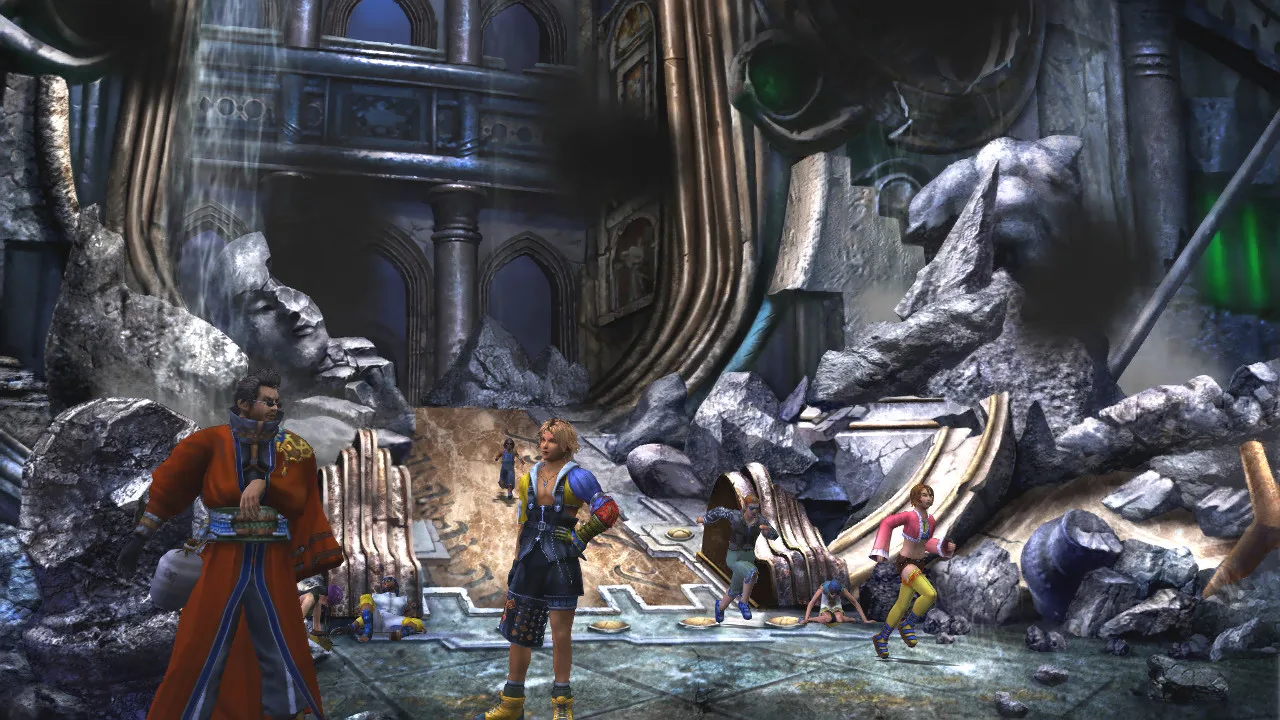
Dana's parallel story is emotionally much deeper during subsequent playthroughs when the importance of her timeline and how it relates to the island's history has been established. The Castaway Village system where rescued NPCs add a functional contribution to the basecamp adds another level of reward for exploration that can be counted as an item or experience point. A longer article on Ys on PSP has already been written, but the Ys franchise hit its peak with the release of VIII on the Vita. The 2018 localization patch has fixed the translation issues, so if you are playing this game during the 2026 calendar year, make sure you have the patched copy, and you should not have any concerns about the launch controversy. In 2002, I played FFX on PS2 for the first time, so having FFX on the Vita feels like I carry a part of my teenage years in my pocket. The HD Remaster of Final Fantasy X is the International Version; which means it has everything that was in the original download version of North America (Dark Aeons, Expert Sphere Grid, and all the extra stuff) that were not sold in any of those copies originally purchased by us. The screen itself cannot produce the same resolution of the version on PS4, however using an OLED screen makes the Macalania Woods appear to have more vibrant colors due to its much better contrast than what was produced with the PS2.
From what I have seen so far, the storyline told through Tidus has aged well. There is forward pacing to the game throughout just from the very nature of the pilgrimage structure. There is always something to walk to, and you can always feel yourself progressing to the end; this is an aspect that the current open world (or almost) JRPG games lack. As far as I am concerned, the Sphere Grid remains the best character progression system in any Final Fantasy game ever made. X-2 is provided as additional title to X, and even though it takes away from the dark tone that X created, the Dress Sphere Job System is easily the most fun combat system of any Final Fantasy game. You get two full games (two complete main-series titles) for only the price of a single game; on a handheld gaming system! About 90 hours was put into both versions of the game on the Vita, including a whole season of blitzball, and this was explained as a joke; however, this happened because of how addictive the recruiting system is. I don't know how you can't argue that this is also true for the year 2026.
4. Final Fantasy X/X-2 HD Remaster
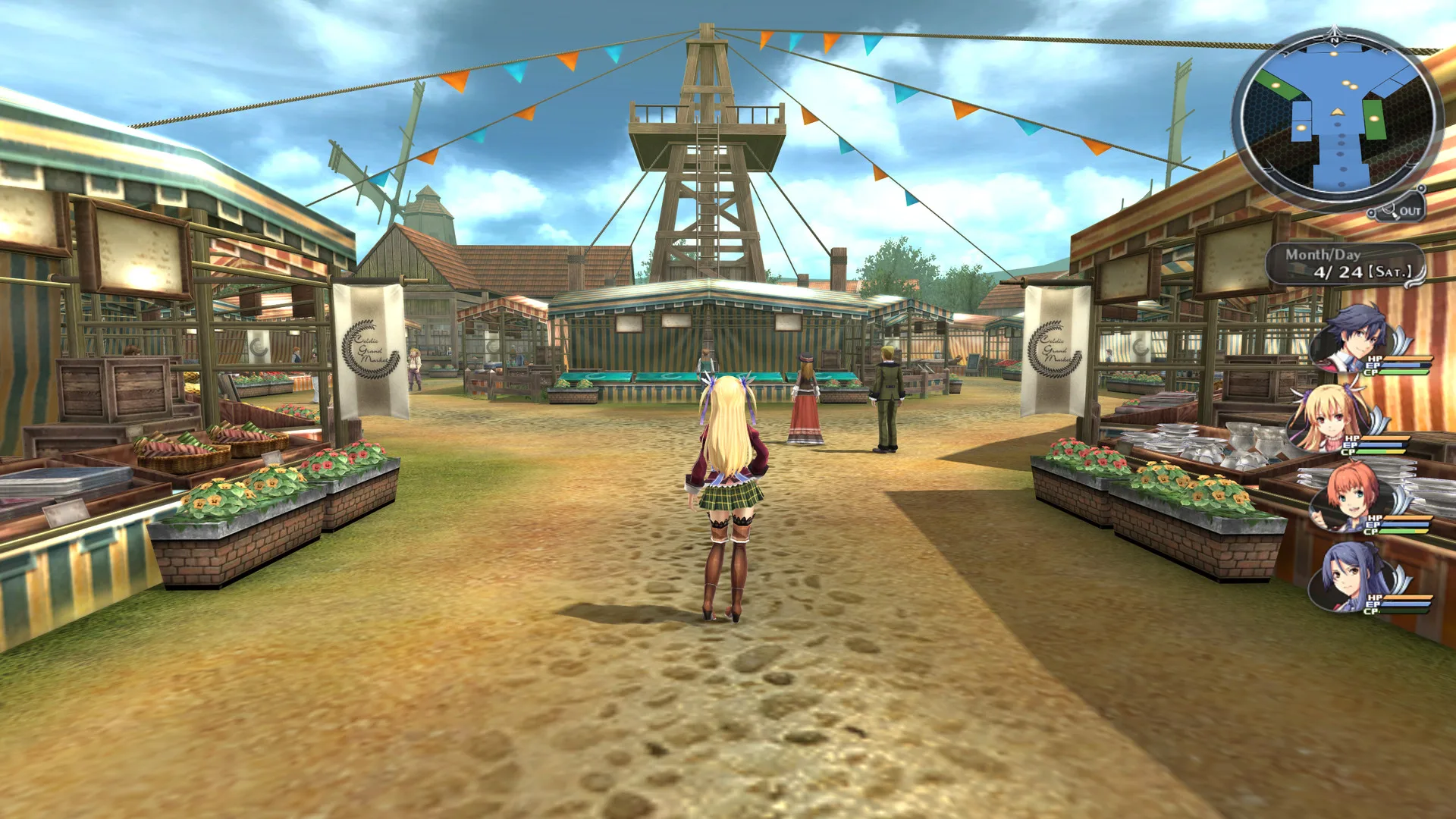
I started this series with Cold Steel I and have not been able to enjoy other JRPGs for about 6 months since then. The attention to detail, amount of time invested in creating the world in such an elaborate manner, and the fact that it takes almost 20 hours to set up the world until the story begins, make the gameplay feel so unique compared to anything else I have played at any point in time. These are 2 slow seasons of Rean and Class VII's first year at Thors, and there was an intentional academic feel to the way the Field Study was structured (1 per month); however, all of the NPCs will have new dialogue after every significant story event, and the political climate created by the tension between the Noble and Commoner factions will slowly build until breaking down in Chapter 6.
Cold Steel on Vita has longer load times than the PS3 or PC, but that didn't really matter to me; I was more concerned with playing the game during my daily commute. The slow pacing made it seem like it was normal and not just boring because of having to play in short spurts while riding the train, which matched perfectly with the chapter-based structure of the game. All of the combat is based on the Orbment System from previous Trails games; and the addition of a tactical aspect to the Link Attacks provides another reason to miss playing more turn-based JRPGs after returning from Cold Steel. If you've ever seen the Trails title but haven't had the desire to play it yet, Cold Steel for Vita would be an ideal place to start; however, please be prepared to purchase Cold Steel II immediately after you finish Cold Steel I (unfortunately). If I could yell at myself; I would say "don't pick up an RPG during a month with a busy work schedule" and "don't stay up until 3 AM three nights in a row because the person who designs the cliffhangers at Falcom has no regard for sleep schedules."
3. Trails of Cold Steel
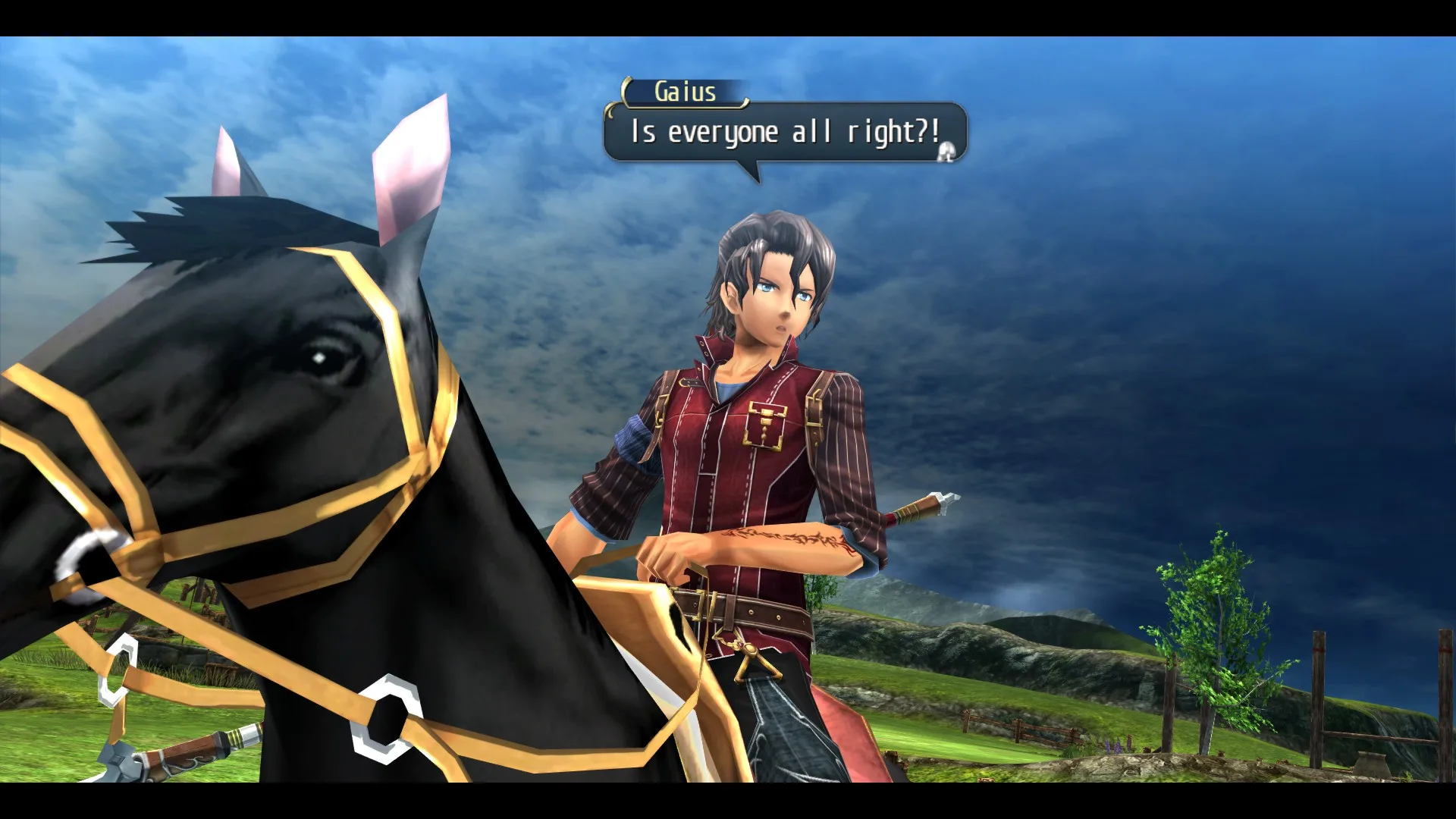
Cold Steel II picks up immediately after Cold Steel I ends with its cliffhanger, leaving the world of school behind and diving directly into a war narrative. Rean has a mech now (the Valimar Ashen Knight), and Class VII has now been split apart throughout Erebonia, which allows the player to pursue a non-linear path for recruiting Class VII. The change of tone within the story from a school drama to a story about a war is one of the most dramatic shifts I've ever experienced, because it's like watching a coming-of-age movie turn into a war movie halfway through the movie.
During a winter break, I played both Cold Steel games on the Vita, spending about 140 hours. By the time I completed the epilogue of Cold Steel II, I had formed opinions regarding the political factions in Erebonia that would be difficult to explain to anyone who hadn't played the games. There is also a new level of offense added to the combat mechanics, courtesy of the Overdrive System, and although the mech battles are less complex than those in the main combat system, they offer plenty of pacing variation between fights. The second Cold Steel game shows noticeably more problems with regard to performance than did the first (the final battle had massive frame drop problems), and the story was more than enough to keep me going during some unpolished technical moments. Completing Cold Steel II at midnight alone in my apartment on my Vita is one of my most memorable gaming experiences of the last decade.
2. Trails of Cold Steel II
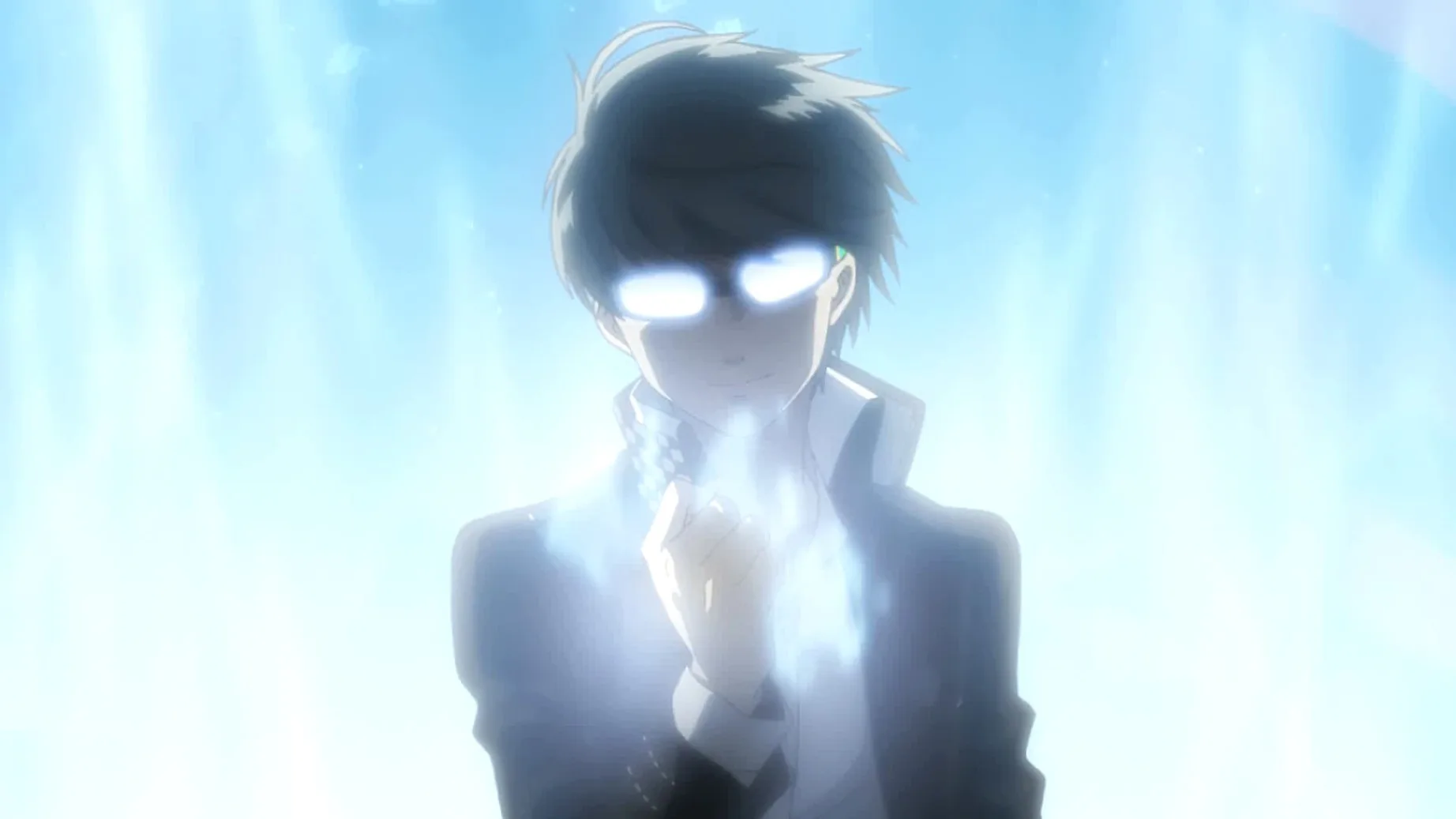
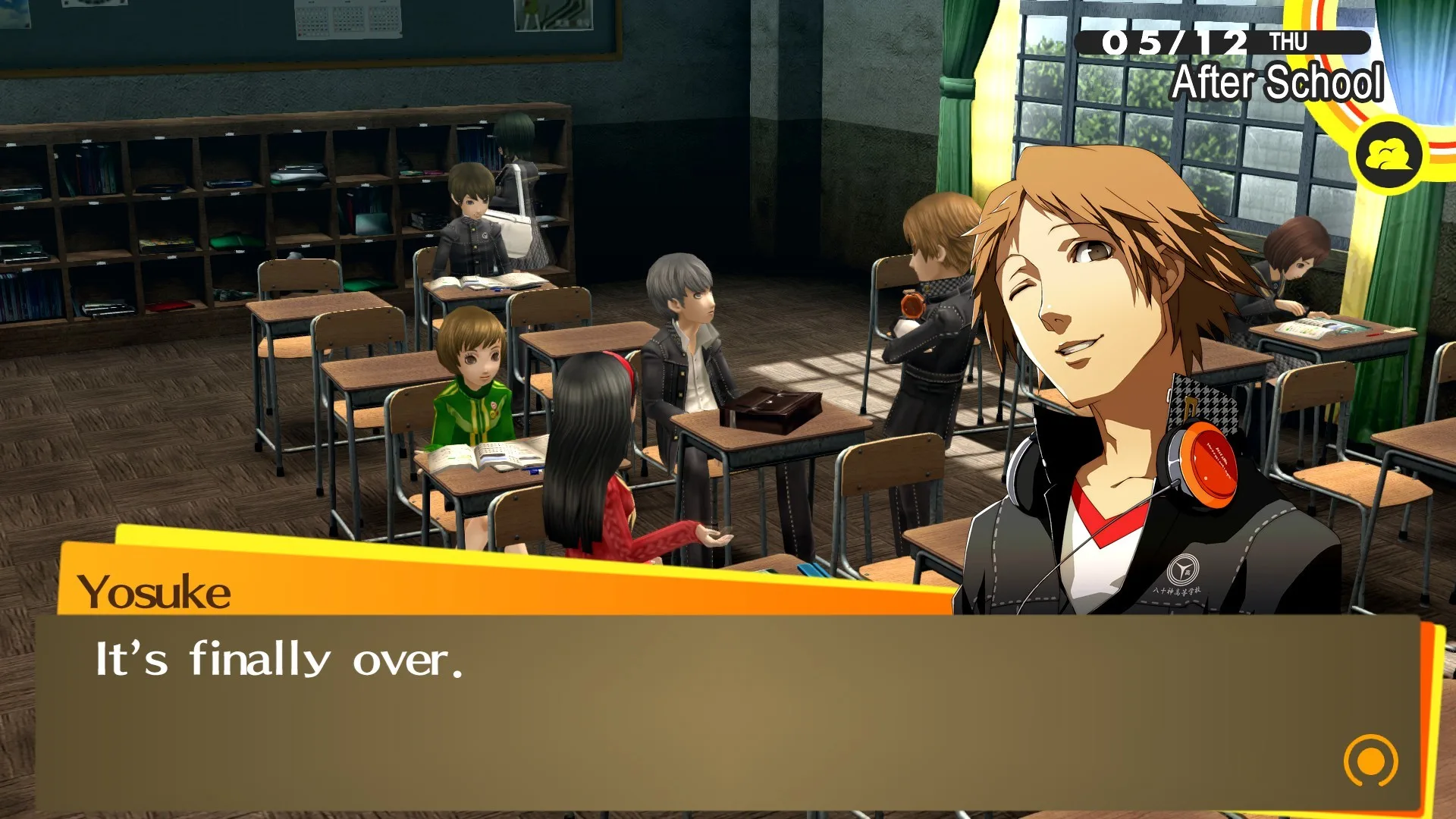
There is a reason many refer to the Vita as being the "Persona 4 Golden machine" — this one game provided countless people, myself included, with a reason to buy a Vita. I purchased my Vita in 2012, and I spent roughly 120 hours playing Persona 4 Golden during the first four months of ownership. The murder mystery plot set in the small, rural town of Inaba, Social Links, the TV World dungeons, and the weather-dependent event calendar all mesh seamlessly together to deliver a gaming experience that no other JRPG has been able to replicate in the twelve years since Persona 4 Golden was released. Golden contains Marie (a polarizing new character who has requested an extremely high dungeon), a new set of Social Links , a winter chapter, online rescue functionality, and countless improvements to experience beyond what was originally available to gamers on PS2 . Combat is absolutely the most well-defined "you" have been through the entirety of your time with the franchise. The usage of weaknesses (and finding them), the ability to have All-Out Attacks, and the ability to create new personas (which transforms every visit with the Velvet Room into a puzzle). Daily life simulation is deeply what makes Persona 4 Golden stand out from any other title in this list. This means that when playing you're choosing between doing something like studying for final examinations, a part-time job at your local hospital, joining a drama club (or any number of extracurricular activities), and spending time with your uncle - each day becomes important, and every day is never enough time to complete everything you would like! Therefore the daily priority creates a sense of importance/emotional investment, which is not replicated in any combat-driven role-playing game. The romance system in P4G helped define it as one of the Big Three Romantic RPGs alongside FFVIII and Trails in the Sky.
Subsequent to playing P4G on both PC and modern consoles, the game holds true to its greatness on both types of platforms and can continue to provide the same greatness that you would experience on a Sony PlayStation Vita (with headphones) while taking a long flight and experiencing the season changes of Inaba on the lovely OLED display; this experience is what jumps into my mind when I think of Persona 4 Golden. When you're playing through the story of the Investigation Team, the characters are much more realistic/relatable than you'll find in most fantasy JRPG's, such as Yosuke being insecure yet uses humor to measure it, Chie's aggressive yet loyal nature, Kanji having a tough "guy" facade yet having vulnerability under that hardness, and Rise attempting to overcome her identity outside of the public eye. Debating the value of the different Social Links with our friends was as important to us as the actual combat mechanics of Persona 4 Golden, as both activities took up about equal amounts of time. Persona 4 Golden helped shape the PS Vita's library, but more importantly, Persona 4 Golden helped to define an entire generation of JRPG players with respect to how they experienced JRPGs and their ability to find the themes of friendship, self-identity, and living in a small-town as prevalent in the JRPG genre as fighting to save the world.
1. Persona 4 Golden
The JRPG library for the PS Vita has a much bigger range than just 12 titles. Freedom Wars is a hunting-style RPG with a dystopian theme that was criminally underdeveloped as far as sequels go. World of Final Fantasy is a delightful monster/character hunting crossover that works far better on the handheld system than the console version. For players who need a break from saving the world, there are the Atelier Rorona Plus and the other Arland trilogy titles that deliver a cozy alchemy-style gameplay experience. Disgaea 4: A Promise Revisited is universally regarded as the best tactical game for the PS Vita outside of the Fire Emblem franchise. Lost Dimension is a severely overlooked title that utilizes a traitor mechanic that changes from one play to the next. And though neither Danganronpa 1 nor 2 would be commonly defined as JRPGs, they are both amongst the very best games available on the console, without question. In creating this list, I took into consideration three aspects: how well the game played as a portable experience (session times, save options, and performance), the quality of its combat and progression systems, and the lingering effects of its story. If a Vita JRPG runs better on PS4, it is listed lower in the rankings; this list is about the handheld console, not about games that just happened to have Vitaports. Each game in this list has been finished using only the Vita console, with most of the games played while the Vita was actively available between 2012 - 2019. Other people will have different rankings from this one, and that's okay. The Vita had enough good JRPGs that no matter which twelve you choose, somebody is getting left out.
The PS Vita sold about 15 million copies worldwide; this represents a commercial failure by Sony's standards and a mere fraction of the 76 million copies sold by the 3DS. However, the JRPG library on the Vita had more titles than any other handheld video game console ever made. Falcom treated it as the primary platform for their games development. Atlus made their best title available for the system. Vanillaware placed three visually stunning titles on it. And a multitude of other developers used it as an experiment to develop ideas that would be used on Switch and PS5. If you can find a working PS Vita that has a compatible Memory Card, the twelve games on this list will give you 500-plus hours of gameplay; this is without factoring in the catalog of PSP games that the Vita natively supports.
The battle system rank is for the design of the combat system, the soundtrack rank pertains to the music, the 2026 Recommendations page has recommendations for new players to the genre, and the Upcoming Releases page has future titles to be released. For games that take less than 20 hours to complete, there is a section for Short RPGs in the Guide to RPGs section. The Best RPGs of All Time section contains all-time high points for the genre.
Honorable Mentions
The Vita's JRPG catalog extends well beyond twelve titles. Freedom Wars is a hunting role-playing game with a dystopian premise that never received the sequel it deserved. World of Final Fantasy is a charming monster-catching crossover that functions more effectively as a portable title as compared to a console one. Atelier Rorona Plus and the rest of the Arland trilogy offer cozy alchemy-focused gameplay for those who require a break from the task of saving the world. Disgaea 4: A Promise Revisited is the finest portable tactics game outside of the Fire Emblem franchise. Lost Dimension is an underrated title with a traitor mechanic that changes with every playthrough. And Danganronpa 1 & 2; while not classifiable as JRPGs in the traditional definition; are two of the finest games available on the console, without qualification.
How I Ranked These
I weighted three factors for this list: how effectively the game functioned as a portable experience (session length, save flexibility, performance), the quality of the combat and progression systems, and the lasting impact of the narrative. A Vita JRPG that performs more effectively on PS4 was docked a position in the ranking; this is a selection about the handheld platform, not about games that happen to have Vita ports available. Every title included here is one that was completed on the Vita hardware itself, and the majority of them were played during the console's active years between 2012 and 2019. Other individuals' rankings will differ from this one, and they should. The Vita had a sufficient quantity of quality JRPGs that any selection of twelve titles will inevitably exclude someone's personal favorite.
The PS Vita sold approximately 15 million units on a worldwide basis; a commercial failure by Sony's standards and a fraction of the 76 million units achieved by the 3DS. However, on a per-unit basis, the Vita's JRPG library is denser as compared to any other handheld console ever produced. Falcom treated it as a primary development platform. Atlus provided it with one of their finest titles. Vanillaware placed three of their most visually impressive titles on it. And dozens of smaller studios utilized the Vita as a testing ground for concepts that later appeared on Switch and PS5. For anyone who is able to locate a functioning Vita with a Memory Card of adequate capacity, the twelve titles on this list will provide over five hundred hours of content. And that is before the PSP library that the Vita plays natively is taken into consideration.
For players exploring beyond Vita, the PS5, Switch, and Steam guides cover current-gen. Other handheld guides cover 3DS, PSP, GBA, and DS. The battle systems ranking analyzes combat, the soundtracks ranking covers the music, and the best RPGs of all time list covers the genre's peaks.