
Grief isn't a plot twist. It's not a boss fight you can level past or a quest you can complete. It's the thing that stays after the credits roll — the weight that doesn't lift because the game is over. The JRPGs on this list don't just feature sad moments. They're about grief as a process: the denial, the anger, the bargaining, and — sometimes — the letting go. Some of these games made me cry. All of them made me sit with feelings I'd rather have avoided. That's not comfortable. It's why they matter.
Lost Odyssey (2007) — A Thousand Years of Watching People Die
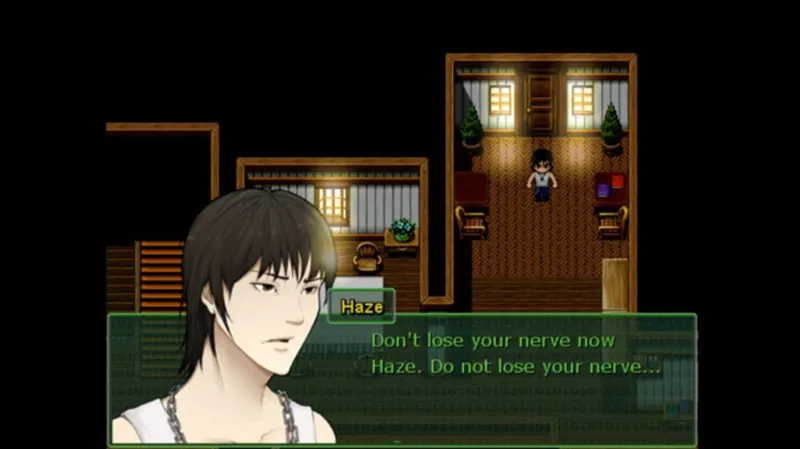
Kaim Argonar has lived for a thousand years. He cannot die. Everyone he has ever loved — every friend, every partner, every child — has aged and died while he remained. Lost Odyssey's combat is solid Final Fantasy-style turn-based, and the main plot about warring nations and magical energy is serviceable. But the reason this game exists is the Thousand Years of Dreams: short stories written by novelist Kiyoshi Shigematsu, presented as text vignettes between gameplay chapters.
Each Dream is a memory. A daughter Kaim watched grow old. A soldier he fought beside who forgot his name. A village he protected that no longer exists. They're written in spare, literary prose — no voice acting, no animation, just words on screen with ambient sound — and they're devastating. "Hanna's Departure" is about watching a loved one's mind deteriorate with age. "A Mother's Touch" is about a child Kaim couldn't save. These aren't gameplay. They're grief distilled into five-minute reading experiences, and they're the best writing in any JRPG. The immortality premise isn't a power fantasy — it's a curse, and Lost Odyssey never lets you forget that living forever means losing everyone, forever.
Final Fantasy XV (2016) — The Road Trip That Ends
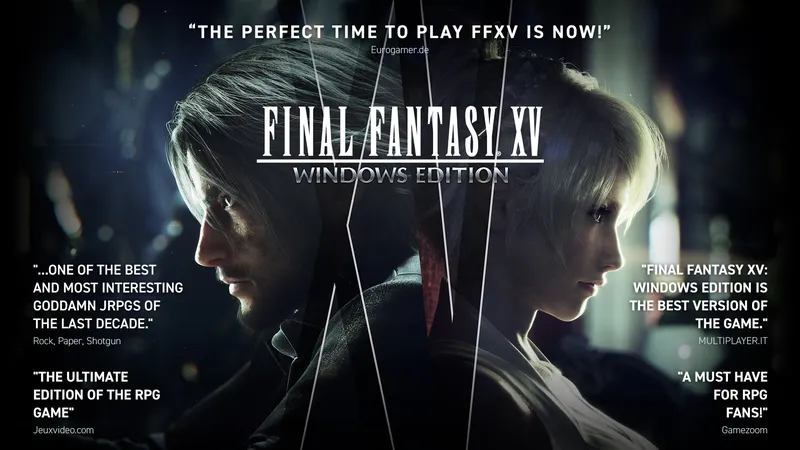
FFXV's development was a mess — ten years, a director swap, chopped content, DLC that was canceled — and the game that shipped reflects that unevenness. The open world is empty in spots. The story has gaps you could drive the Regalia through. Chapter 13 is a pacing disaster. None of that matters when "Stand By Me" plays over the title screen, and none of it matters when Noctis sits at the campfire for the last time and says, "You guys are the best."
FFXV is a game about four friends on a road trip, and it earns its ending by making you spend forty hours doing nothing important with them — fishing, cooking, taking photos, sleeping in motels, bickering about driving. The gameplay isn't about saving the world. It's about being together before the world takes that away. When the game finally demands its price — when Noctis has to give up everything, including the future he was promised — the loss isn't abstract. You've seen what he's losing. You ate Cup Noodles with those guys. Prompto took a photo of it. The camping system isn't a mechanic. It's the game teaching you what grief feels like before it gives you a reason to grieve.
Persona 3 Reload (2024) — Learning to Live by Accepting Death
Persona 3 doesn't save its grief for the ending — it's the operating system. Memento Mori. Remember that you will die. Every mechanic reinforces this: you summon Personas by putting a gun-shaped Evoker to your head and pulling the trigger. Tartarus, the dungeon, is a tower of death that rises from a coffin. The Dark Hour exists in the gap between one day and the next — the space where time stops and death walks. The game tells you what it's about in the first five minutes. It spends a hundred hours proving it means it.
What makes P3 a grief game rather than just a dark one is the Social Links. You spend months building relationships with people — a dying young man, an elderly couple losing their memories, a girl trying to outrun her family's expectations — and the game frames every connection as temporary. Not because something bad will happen, but because that's what life is. People come and go. Time passes. The protagonist's final choice isn't a sacrifice in the action-movie sense. It's an acceptance — of mortality, of impermanence, of the fact that a life lived fully is worth more than a life preserved indefinitely. The graduation scene afterward is the best ending in the Persona franchise because it doesn't try to undo the loss. It sits with it.
To the Moon (2011) — Rewriting a Life to Heal a Regret
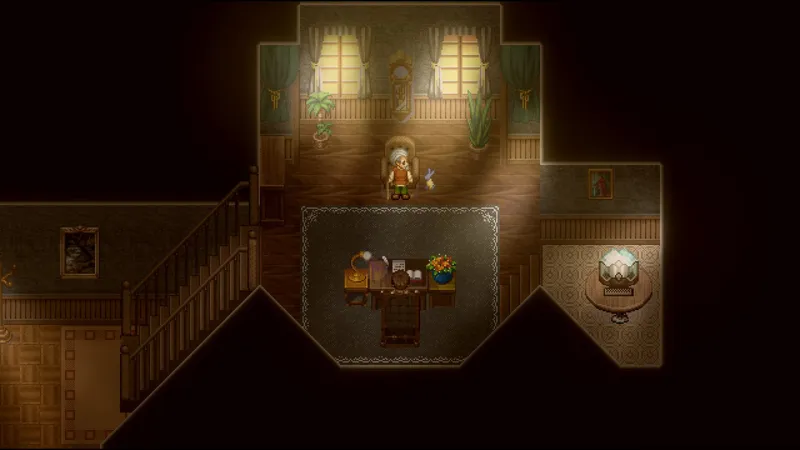
To the Moon isn't a traditional JRPG — there's no combat, no leveling, no party management. It's a four-hour narrative game made in RPG Maker about two doctors who enter a dying man's memories to fulfill his last wish: he wants to go to the moon, but he can't remember why. The game walks backward through Johnny's life — old age, middle age, young adulthood, childhood — unraveling a love story that's been colored by grief, autism, miscommunication, and a tragedy that neither partner could articulate to the other.
I'm not going to spoil why the moon matters. But I will say this: when the truth surfaces, it recontextualizes every scene you've walked through, and the emotional impact is disproportionate to the game's length. Four hours. No combat. Pixel art. A piano soundtrack by Kan Gao that I still listen to ten years later. To the Moon proves that grief doesn't need sixty hours of context to land — it needs honesty, and this game has more honest human emotion in its four hours than most AAA releases manage in forty.
OMORI (2020) — The Grief You Bury Alive

OMORI looks like a cheerful EarthBound-inspired RPG with pastel colors and cute party members. It is not. Sunny — the real-world protagonist — hasn't left his house in four years. His dreamworld counterpart, Omori, exists in a fantasy space called Headspace where everything is safe, bright, and nostalgic. The game lets you live in that comfort for hours before it starts asking why Sunny built it. What is he hiding from? What happened four years ago? Why does he dream about a door he can't open?
The answer, when it comes, is one of the most gutting reveals in indie gaming. OMORI is a game about suppressed grief — about building an entire internal world to avoid confronting something you did, something that can't be undone, something that destroyed the people you loved most. The turn-based combat is good. The Headspace exploration is charming. But OMORI's real design is psychological: it makes you complicit in Sunny's avoidance by letting you enjoy Headspace, and then it forces both of you to face what's underneath. The true ending is about choosing honesty over comfort — and the game makes clear that choosing honesty doesn't fix anything. It just means you've stopped running.
Valkyrie Profile (1999) — Death as the Starting Point

In Valkyrie Profile, you play as Lenneth — a valkyrie whose job is to collect the souls of dead warriors and send them to Valhalla for Ragnarok. Every recruitable character's introduction is their death scene. A knight betrayed by his kingdom. A mage who sacrificed herself for a child she barely knew. A thief executed for a crime he committed to feed his sister. The game opens each chapter by showing you someone's final moments — their life, their regrets, their failure — and then adding their soul to your party roster.
The grief in Valkyrie Profile isn't yours — it's Lenneth's, accumulating over dozens of death scenes until she begins to question whether collecting souls is service or cruelty. The game's best ending requires you to defy your orders, reject the divine hierarchy, and choose to feel something for the people you've been harvesting. It's a game where death isn't the enemy — indifference to death is. And the combat system — where each party member is mapped to a face button for combo attacks — makes every fighter feel physically present in a way that deepens the loss when you send them to Valhalla permanently. You trained them. You combo'd with them. Now they're gone. That's the point.
The World Ends with You (2007 / Final Remix 2018) — Seven Days to Earn Your Life Back
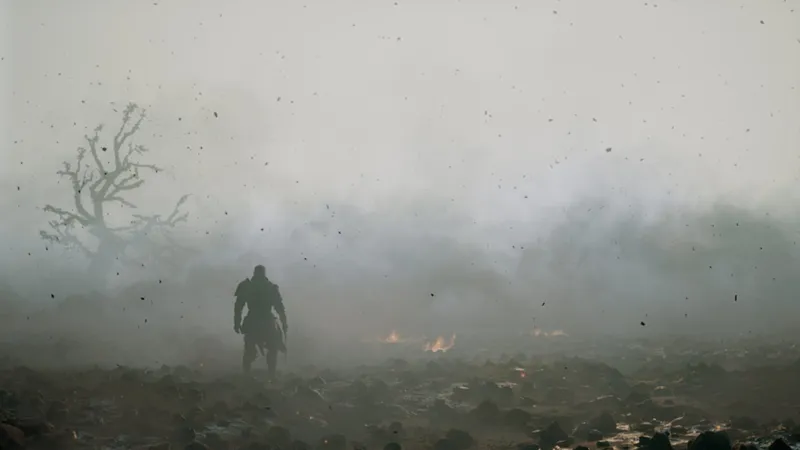
Neku Sakuraba is dead. He wakes up in Shibuya with no memory of how he died and is told he has seven days to complete the Reapers' Game — a supernatural competition where dead teenagers fight for a chance at resurrection. The catch: every mission requires a partner, and Neku hates people. He's a misanthropic loner who wears headphones to block out the world, and the game forces him to cooperate with strangers he'd normally ignore.
TWEWY is about grief in the most personal sense — the grief of a teenager who closed himself off from connection and then lost the life he was wasting. Each seven-day cycle (there are three) pairs Neku with a different partner, and each partnership cracks his isolation further. Shiki teaches him that insecurity isn't weakness. Joshua challenges everything he believes. Beat shows him that loyalty doesn't require sophistication. By the game's end, Neku's growth from "I don't need anyone" to "I want to understand people" is the most earned character arc on the DS. The pin combat system — where you're literally using the touchscreen to interact with the world Neku was ignoring — turns the mechanic into a metaphor. Grief isn't always about losing someone. Sometimes it's about realizing you wasted the time you had with them.
Spiritfarer (2020) — The Goodbye Simulator
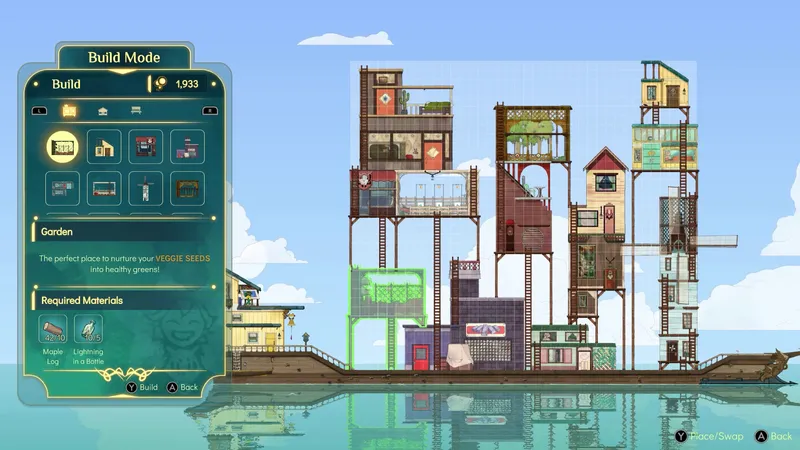
Spiritfarer isn't a JRPG in the traditional sense — it's a management game with platforming, crafting, and cooking. But it belongs on this list because no game has ever made the act of saying goodbye its primary mechanic. You play as Stella, a ferrymaster who cares for the spirits of the dead on her boat. You build them rooms. You cook their favorite meals. You hug them when they're sad (there's a dedicated hug button). And when they're ready — when their unfinished business is resolved and they've made peace — you take them to the Everdoor, and they leave forever.
Every passenger is someone Stella loved in life — the game gradually reveals that each spirit represents a person from her past, and each departure is a goodbye she never got to say properly. The first time a spirit tells you they're ready, you'll think you're prepared. You're not. Watching a character you've fed, housed, and hugged for hours dissolve into light while gentle music plays is a grief experience that no other game replicates. Spiritfarer doesn't ambush you with loss. It tells you it's coming, lets you sit with the dread, and then makes the goodbye as gentle and devastating as real goodbyes are. The hug button exists so you can hold on one more time before letting go. I used it every time.
Why Grief Works in Games
Other media can show you grief. Games can make you practice it. Lost Odyssey makes you read about loss while you're grinding — the mundane and the devastating existing side by side, the way they do in real life. FFXV makes you spend forty hours building something you know will end. OMORI lets you avoid grief for twenty hours and then confronts you with the cost of avoidance. Spiritfarer gives you a hug button and then takes away the person you're hugging. These aren't narrative tricks. They're mechanical designs built around the specific emotional experience of losing something and having to keep going.
That's what games can do that other media can't: they can make you participate in grief rather than observe it. You don't watch Stella say goodbye — you walk her to the Everdoor yourself. You don't watch Noctis sit at the campfire — you chose to camp there, every night, for forty hours. The interactivity isn't incidental. It's the grief itself. And if any of these games helped you process something real — something outside the screen — then they did exactly what they were designed to do.
All images are official screenshots from their respective publishers and developers. Published March 28, 2026.