
Every JRPG fan knows Final Fantasy, Persona, and Dragon Quest. Those franchises sell millions, dominate review aggregators, and fill Reddit threads that go on for pages. But the genre's best-kept secrets are the games that slip through the cracks — critically praised but commercially overlooked, beloved by the people who found them but invisible to everyone else. These are eight JRPGs that deserve bigger audiences than they got. I've played all of them, some more than once. If even one of these clicks for you, this list did its job.
For platform-specific JRPG guides, see PS5, Switch, Steam, Xbox, PS4, PS2, PS1, SNES, PSP, GBA, DS, 3DS, and Vita. The JRPG tier list ranks games cross-platform, and the best RPGs of all time covers the genre's peaks.
Lost Odyssey (2007) — The Final Fantasy That Wasn't
Hironobu Sakaguchi — the creator of Final Fantasy — left Square Enix and made the best Final Fantasy game of the Xbox 360 era, except it wasn't called Final Fantasy. Lost Odyssey is a turn-based JRPG about an immortal man named Kaim who has lived for a thousand years and can't die. The combat is classic — front row, back row, ring timing system — and feels like the natural evolution of FFX's battle design. Nobuo Uematsu composed the soundtrack. It looks, sounds, and plays like a mainline Final Fantasy.
But the real reason to play Lost Odyssey is the Thousand Years of Dreams — short stories written by Japanese novelist Kiyoshi Shigematsu, presented as text vignettes between gameplay sections. They're about Kaim's memories: a daughter he watched grow old and die, a village he defended that forgot him, a war he fought on both sides. These stories are some of the best writing in JRPG history, and they're trapped on an Xbox 360 exclusive that most PlayStation and Nintendo fans never touched. It's playable on Xbox Series X/S via backward compatibility. Find it.
Radiant Historia: Perfect Chronology (2010 / 3DS 2017)
Radiant Historia gives you a book that lets you travel between two parallel timelines and dozens of branching decision points. Make the wrong choice and the world ends — actually, the continent turns to sand. Make the right choice and you can return to the branch point, try the other path, and carry forward what you learned. It's Chrono Trigger's time-travel premise applied to a political war story, with consequences that actually matter.
The grid-based combat — where you push and pull enemies around a 3x3 field to stack them together for area attacks — is one of the most original turn-based systems I've played. The 3DS Perfect Chronology version added a third timeline and quality-of-life improvements. Radiant Historia sold modestly, got one enhanced rerelease, and then vanished. Atlus has never made a sequel. It deserves one.
Suikoden II (1998) — The $200 PS1 Disc
Suikoden II launched in 1999 in North America with almost zero marketing, a tiny print run, and a genre that was already dominated by Final Fantasy VIII. Used copies regularly sold for $150-$200 before the PSN rerelease made it affordable. The crime isn't the price — it's that one of the greatest JRPGs ever made nearly disappeared because Konami didn't believe in it.
The story is a war between two nations, told through the friendship between your silent protagonist and Jowy — a childhood friend on the opposing side. The 108 recruitable characters aren't padding; each one adds something to your castle headquarters, from blacksmiths to cooks to strategists. The army battles, the duels, the political betrayals — Suikoden II does "war is hell" better than any JRPG before or since. The HD Remaster collection (2023) finally made it accessible. If you skipped it, now's the time.
CrossCode (2018) — The Indie That Punches Above Its Weight
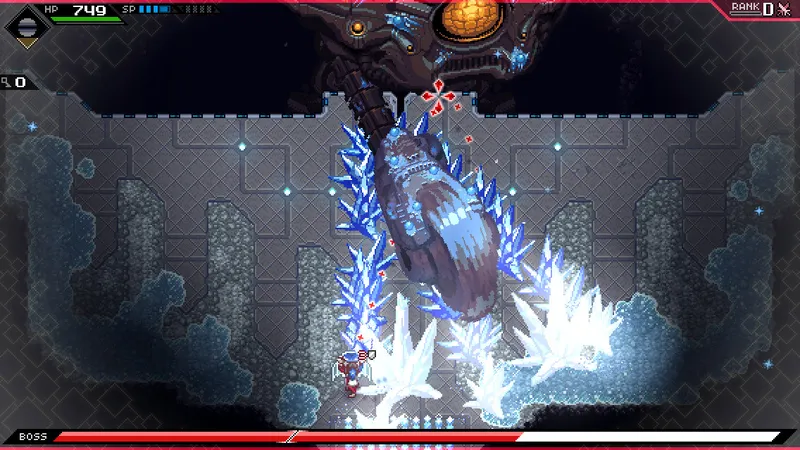
CrossCode is an action RPG set inside a fictional MMO, and it's one of the best-designed games I've played in any genre. Lea — a mute protagonist for narrative reasons, not lazy ones — explores a game-within-a-game world that's bursting with environmental puzzles, combat arenas, and secrets hidden behind platforming challenges. The dungeon design rivals 2D Zelda at its peak. The combat — melee, ranged, elemental switching — is fast, demanding, and deeply satisfying once the skill tree opens up.
Made by a tiny German studio (Radical Fish Games) over seven years, CrossCode has the content density of a game with ten times its budget. Forty hours for the main story, sixty with side content, and a DLC epilogue that wraps up the narrative perfectly. It's on Steam, Switch, and PlayStation. It costs twenty dollars. There is no excuse not to play this game.
The Legend of Dragoon (1999) — Sony's Forgotten Challenger
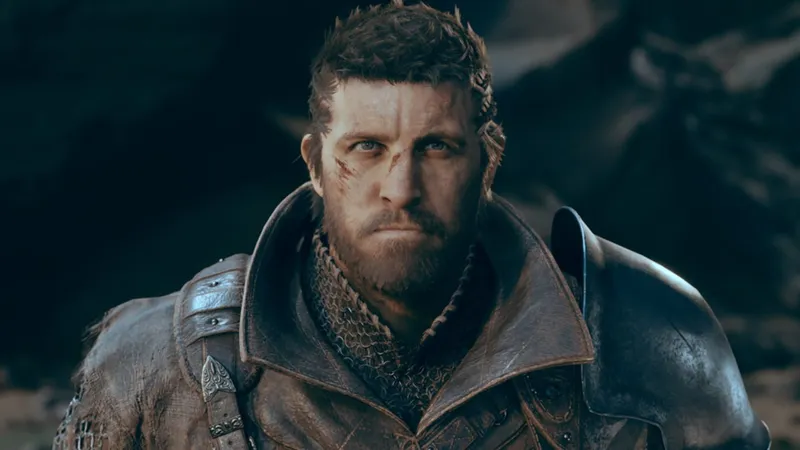
Sony tried to make their own Final Fantasy in 1999 and almost pulled it off. The Legend of Dragoon is a four-disc PS1 epic with a combat system built around "Additions" — timed button presses during attacks that turn basic strikes into extended combo sequences. Master the timing and combat becomes a rhythmic, skill-based experience unlike anything else on the PS1. The Dragoon transformations — where characters sprout wings and gain access to elemental magic — are pure spectacle.
The script is rough. The pacing drags in Disc 3. Some of the voice acting is charmingly terrible. But Dart's journey across four discs has a sincerity that modern JRPGs often lack, and the Addition system keeps random encounters engaging in ways that menu-based combat can't. Sony has never made a sequel or remake, despite fan petitions that have been circulating for twenty-five years. Play it on PS1, PS3 (PSN), or PS5 (PS Plus Premium). Hope with me that someday Sony remembers it exists.
Unicorn Overlord (2024) — Vanillaware's Tactical Masterpiece
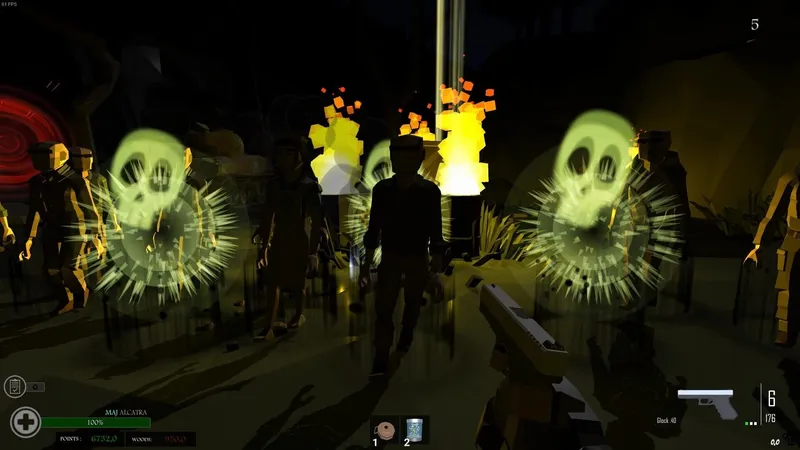
Unicorn Overlord isn't old enough to be forgotten — it launched in 2024 — but it was already being overshadowed by Final Fantasy VII Rebirth within weeks of release. That's a tragedy, because Unicorn Overlord is the best tactical RPG since Fire Emblem: Three Houses and one of the most visually stunning games Vanillaware has ever made (and Vanillaware's art direction is already in a class of its own).
The hook: you build battalions of characters with customizable AI tactics, then deploy them across real-time strategic maps. The combat resolves automatically based on the rules you've set — if enemy has shield, use armor-piercing first; if ally health drops below 50%, heal. It's programming-as-strategy, and the satisfaction of watching a perfectly configured unit dismantle a boss without your intervention is unlike anything else in the genre. The story is standard liberation-fantasy fare, but the systems are extraordinary. Play it before the discourse forgets it — it's on Switch, PS4/PS5, and Xbox.
Chained Echoes (2022) — One Developer, Zero Filler
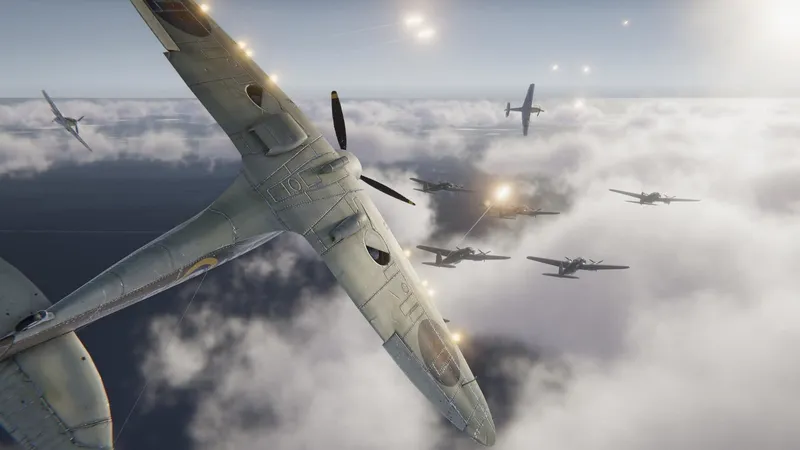
Chained Echoes was made almost entirely by one person — Matthias Linda — and it's better than most JRPGs made by teams of two hundred. A 16-bit aesthetic with mech combat, a political war story that doesn't waste your time, and a battle system built around an Overdrive gauge that rewards aggressive play and punishes passive grinding. Every fight matters. Every dungeon is the right length. Every boss teaches you something. In a genre plagued by padding, Chained Echoes respects your time with zero filler across its twenty-five-hour runtime.
The mech sections — where your party pilots giant robots with their own skill sets — are seamlessly integrated rather than feeling like a gimmick. The world-building is dense without being exposition-heavy. And the soundtrack, composed by Eddie Marianukroh, is one of the best in any indie JRPG. Chained Echoes won Best Debut Indie Game at The Game Awards 2022 and then disappeared from the conversation. It shouldn't have. It's on every platform. Play it.
Sea of Stars (2023) — Chrono Trigger's Spiritual Heir
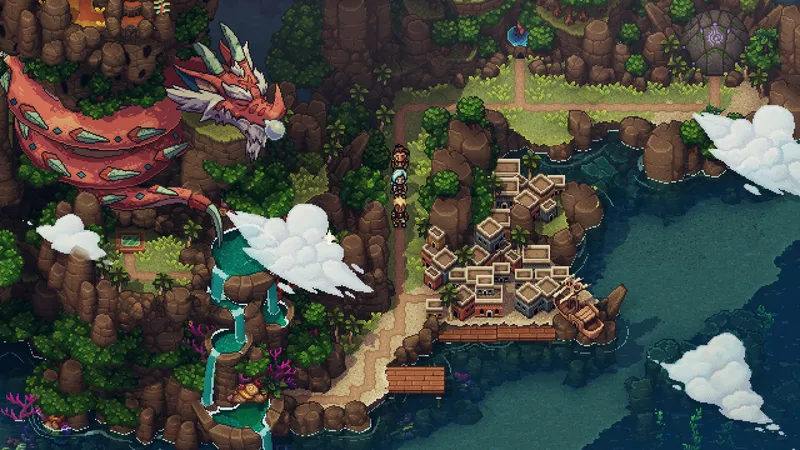
Sea of Stars wears its Chrono Trigger influence on its sleeve — timed hits during combat, combo attacks between party members, a world that moves between light and dark — and mostly earns the comparison. Sabotage Studio built a gorgeous pixel-art world with dynamic lighting, smooth animations, and environments that feel handcrafted rather than tiled. The combat is accessible without being shallow, and the cooking/fishing systems are the right kind of cozy between boss fights.
Is it as good as Chrono Trigger? No. The story lacks the temporal complexity that makes CT's plot legendary, and the characters — while likeable — don't reach the same emotional depth. But Sea of Stars doesn't need to match its inspiration. It needs to be a good JRPG in its own right, and it is. Twenty-five hours, no padding, and a post-game twist that recontextualizes the entire narrative. It sold well enough (over five million copies), but the conversation moved on fast. It deserves to be remembered alongside the best RPGs of its era.
Start With Any of These
The beauty of underrated games is that expectations are low. You're not walking in with a decade of hype. You're not comparing it to the "definitive" version. You're just playing a game that someone made with care, that didn't get the audience it deserved, and discovering it for yourself. Start anywhere on this list. CrossCode if you want action. Suikoden II if you want story. Chained Echoes if you want respect for your time. Lost Odyssey if you want to cry. They're all worth it.
All images are official screenshots from their respective publishers and developers. Published March 27, 2026.
The battle systems ranking analyzes combat design, the soundtracks ranking covers the music, and the JRPG meaning guide explains the genre's roots. For shorter RPGs under 20 hours, that guide has options. The 2026 recommendations page has fresh picks.