
Social links changed JRPGs forever. Before Persona 3, your party members were combat tools with backstories. After Persona 3, they became people you invested in — emotionally, mechanically, strategically. You chose who to spend your limited free time with, and those choices made you stronger in the dungeon. That feedback loop — relationship building as character progression — is now one of the defining mechanics of the genre.
This list isn't about romance. My dating sim mechanics article covers that. This is about the SYSTEMS — how games structure relationship building, what mechanical rewards they offer, and how well the bonds feel earned versus mandatory. Some of these systems are intimate and personal. Others track a hundred characters at once. All twelve made me care about fictional people more than is probably healthy. Ranked by system quality, not overall game quality. Updated March 2026.
For platform-specific JRPG guides, see PS5, Switch, Steam, Xbox, PS4, PS2, PS1, SNES, PSP, GBA, DS, 3DS, and Vita. The JRPG tier list ranks games cross-platform, and the best RPGs of all time covers the genre's peaks.
12. Lost Dimension — Trust and Betrayal
Lost Dimension flips the social link concept on its head: instead of building trust, you're identifying traitors. Each floor of the tower has a randomly selected betrayer among your party, and you have to figure out who it is through combat observations and "vision" events. The social system is built on suspicion rather than friendship — spending time with characters gives you information about their loyalty, and the group vote to eliminate one member per floor creates genuine tension. It's not as polished as other entries on this list, but the inversion of the social link formula is brilliant. Trust becomes a resource you're terrified to invest in, because the character you bonded with might be the one trying to kill everyone.
Source: Lancarse / FuRyu via Steam
11. Digimon Survive — Affinity and Karma
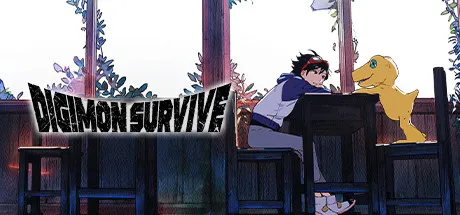
Digimon Survive is 70% visual novel and 30% tactical RPG, and that ratio bothered a lot of people. But for social link fans, it's exactly right. Your dialogue choices during the visual novel segments affect Karma (Moral, Harmony, or Wrathful) AND individual affinity with each party member. High affinity unlocks stronger Digimon evolutions for that character. Low affinity means their Digimon stays weak — or worse, certain characters can die permanently in later chapters if your bond isn't strong enough. The stakes are real: a character I neglected in my first playthrough died at the start of chapter 8, and it was entirely my fault. That hit harder than most JRPG deaths because the system explicitly told me I could have prevented it by spending more time with them.
Source: Hyde / Witchcraft / Bandai Namco via Steam
10. Tales of Vesperia: Definitive Edition — Skits
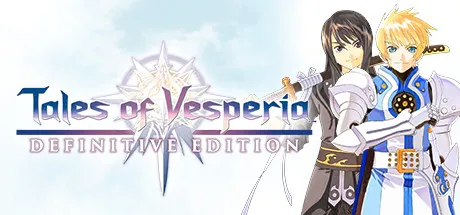
The Tales series invented "skits" — optional voiced conversations between party members that trigger based on location, story progress, and party composition. Vesperia has over 400 of them. That's not a typo. Four hundred optional scenes where your party argues about cooking, teases each other about embarrassing moments, processes the ethical implications of Yuri's vigilante justice, and generally behaves like a group of friends on a road trip. No other JRPG series captures the feeling of a traveling party this well. The skits don't give you stat bonuses or unlock abilities — they're pure character building, and the fact that they're optional means finding them feels like eavesdropping on genuine conversations. Yuri, Rita, Judith, and Raven have some of the sharpest dialogue writing in the genre.
Source: Bandai Namco via Steam
9. Star Ocean: The Second Story R — Private Actions
Private Actions are what happens when you let your party split up in town and go check on them individually. The system debuted in the first Star Ocean, but Second Story R perfected it. Each character has their own activities, conversations, and mini-events that trigger when you visit them during a PA. Your choices affect hidden relationship values between EVERY party member pair — not just protagonist-to-party, but party-to-party. That matrix of relationships produces 87 different endings. Eighty-seven. Some are romantic, some are friendship-based, and some are about characters you barely used resolving conflicts you didn't even know they had. No other system in JRPG history tracks inter-party relationships at this granularity.
Source: Gemdrops / Square Enix via Steam
8. Suikoden I & II — 108 Stars of Destiny
Suikoden doesn't have social links in the Persona sense — it has recruitment. 108 unique characters, each with their own recruitment quest, backstory, and role in your growing headquarters. Some join automatically. Some require you to beat them in a cooking contest, or solve their personal crisis, or just have the right party member in your group when you talk to them. The genius is that your castle changes as you recruit: a bar opens, a theater appears, a bathhouse gets built. Your relationships aren't measured in hearts or ranks — they're measured in the physical space you share. When Suikoden II forces you to fight friends from Suikoden I who joined the wrong side of a war, every battle feels personal because you recruited them yourself in the first game.
Source: Konami via Steam
7. Like a Dragon: Infinite Wealth — Drink Links
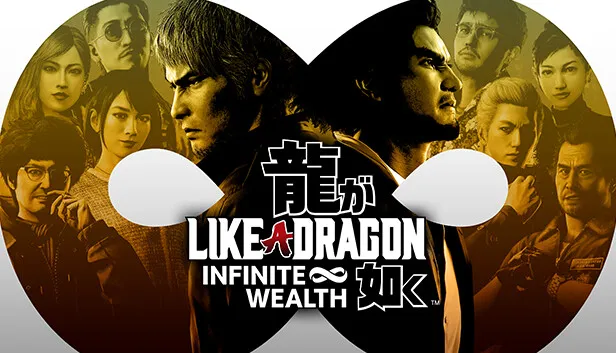
Drink Links are exactly what they sound like: Ichiban goes drinking with his party members and they talk about their lives. It's beautifully simple. Each character has five ranks, and each rank is a conversation at a bar that peels back another layer of who they are. Tomizawa's story about his daughter. Chitose's identity crisis. Eric's adjustment to a world that moved on without him. The mechanical payoff is substantial — higher Drink Link ranks unlock Tag Team attacks, party buffs, and Essence abilities — but the real reward is watching Ichiban's unconditional warmth crack open people who've been carrying their damage alone. It's the same emotional engine that makes Persona's Confidants work, stripped down to its purest form: two people drinking beer and being honest with each other.
Source: Ryu Ga Gotoku Studio / Sega via Steam
6. Xenoblade Chronicles 3 — Hero Quests and Affinity
Xenoblade 3's relationship system operates on two levels. The surface level is Hero recruitment — finding characters across Aionios, completing their questlines, and unlocking them as a seventh party member plus their unique class. The deeper level is the affinity chart between all six main party members AND their Interlink partners. Using characters together in battle raises affinity, which unlocks Heart-to-Hearts — private conversations at rest spots that reveal how these soldiers-bred-for-war are learning to be human. The Sena and Lanz discussion about what they'd do after the war ends. Mio and Eunie talking about fear. These moments are earned through gameplay, and they hit because Monolith Soft gave every relationship time to breathe across 100+ hours. The class inheritance system means your bonds have permanent mechanical impact.
Source: Monolith Soft / Nintendo via Steam
5. Fire Emblem Engage — Support Conversations and Bond Rings
Three Houses gets more attention for its social system, but Engage refined the mechanical side. Support ranks between adjacent units in combat unlock conversations AND stat bonuses that make specific unit pairings strategically optimal. The Bond Ring system — connecting modern characters to legacy Emblem heroes — adds a second layer of relationship progression that ties directly to skills and abilities. What makes Engage's system special is that it forces you to think about relationships tactically: "I need Chloe next to Louis for the defense buff, but Chloe's support with Yunaka unlocks a better skill." Your social choices become strategy decisions. The support conversations themselves are lighter than Three Houses — more comedic, less dramatic — but the mechanical integration is tighter.
Source: Intelligent Systems / Nintendo via Steam
4. Metaphor: ReFantazio — Follower Bonds and Royal Virtues
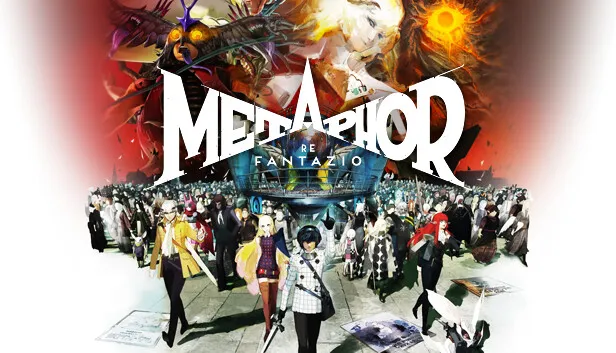
Studio Zero took the Persona Confidant template and evolved it. Follower Bonds in Metaphor work similarly — spend calendar days with your companions to raise bond levels and unlock story scenes. But two additions change everything. First, Royal Virtues: five personality stats (Courage, Wisdom, Tolerance, Eloquence, Imagination) that gate bond progression AND unlock new Archetypes. You can't just power through — you need the right virtue levels to deepen certain relationships, which forces you to balance social time with self-improvement. Second, your bond progress ties directly to the Archetype system: deeper bonds with specific Followers unlock advanced job classes for your entire party. It's the tightest integration of social mechanics and combat progression Atlus has ever designed.
Source: Atlus / Studio Zero / Sega via Steam
3. Persona 3 Reload — Social Links (The Original)
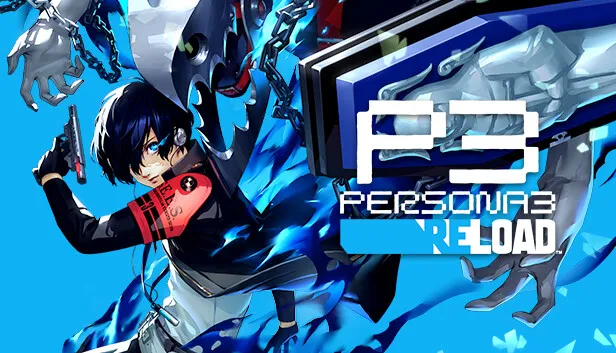
P3 invented social links. That alone earns a spot. But the Reload remake revealed something important: the original system was already more mature than its successors in one key way — the relationships feel less transactional. In P4 and P5, you're often saying what the other person wants to hear to rank up faster. In P3, the social links have genuine friction. Kenji's creepy crush on his teacher. Nozomi's cult involvement. The dying man at the shrine. These aren't wish-fulfillment power fantasies — they're messy, complicated human connections that sometimes make you uncomfortable. The mechanical foundation is simpler than P5's Confidants (fewer unique abilities per maxed link), but the emotional weight of forming bonds while actually counting down to the end of the world gives every social link an urgency that the later games never matched. The ending destroys you precisely because you spent 80 hours building connections you know are about to be tested.
Source: Atlus / Sega via Steam
2. Persona 4 Golden — Social Links (The Heart)
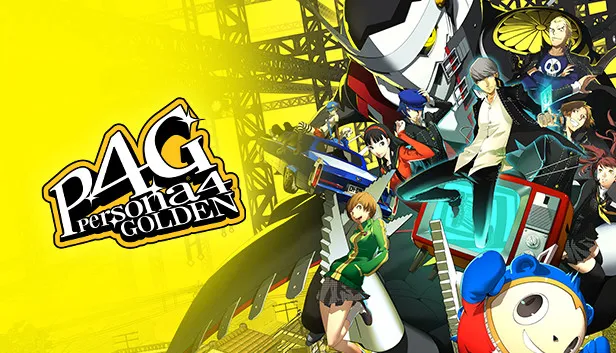
P3 invented social links. P5 perfected the mechanics. P4 nailed the emotional core. The Investigation Team in Inaba is the best party in JRPG history, and a huge part of that is because the social links make you feel like you actually belong to their group. Spending time with Dojima after work. Helping the old woman at the daycare. Tutoring Shu. Walking Naoki through his grief. Every social link in P4 is a story about someone in a small town trying to find meaning — and your role isn't to fix them, it's to be present while they fix themselves. The mechanical rewards are standard (Persona fusion bonuses, ultimate Personas at max rank), but they're almost secondary. I maxed social links in P4 because I cared about these people, not because I wanted better fusion results. That's the sign of a system working exactly as intended. The PS2 original started it; Golden on Steam is the definitive version.
Source: Atlus / Sega via Steam
1. Persona 5 Royal — Confidant System
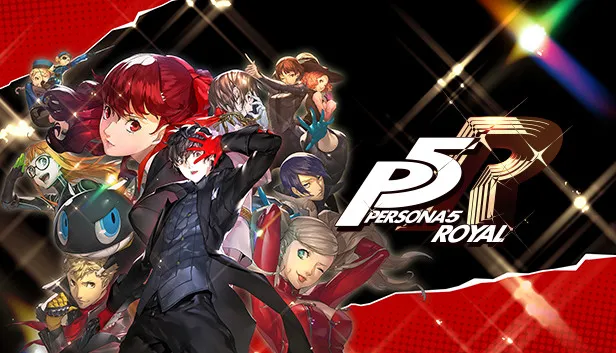
The Confidant system in P5 Royal is the gold standard. Twenty-one Confidants, each with a unique gameplay-affecting ability that unlocks as you rank up. Hifumi gives you mid-battle party swaps. Kawakami lets you use evenings after Metaverse trips. Chihaya reveals hidden Confidant boosters. Takemi sells you discounted healing items. Every single bond changes HOW you play — not just how strong your Personas are. That's the evolution from P3's "more XP when fusing" to P5's "your entire playstyle shifts based on who you invest time in." And the stories are exceptional. Futaba's social anxiety arc. Yoshida's political redemption. Maruki's devastating reframing of reality itself. The third semester that Royal adds — unlocked only by maxing specific Confidants — is the best content in the entire game. P5 Royal proved that the social link formula is not just a JRPG mechanic. It's a game design philosophy. Build it into dating sims, strategy games, action RPGs — everywhere it appears, it makes the game better. And nobody does it better than Atlus at their peak.
Source: Atlus / Sega via Steam
What Makes a Great Social Link System?
After ranking twelve of these systems, a pattern emerges. The best ones share three traits: your time is limited (forcing meaningful choices), bonds have mechanical weight (so relationships feel like investments, not just story), and the character arcs would work even without the gameplay hooks (because emotional investment is what keeps you coming back). Strip the Persona fusion bonuses out of P4 and people would still max Dojima's link because they want to see that man become a better father. That's the test. If you'd still do the social link without the reward, the system is working.
This list complements my romance JRPG recommendations and the dating sim mechanics list. If you want relationships as game mechanics, the genre has never been richer than it is right now.
All images are official promotional materials sourced from their respective publishers' Steam store pages. Persona 5 Royal, Persona 4 Golden, Persona 3 Reload, Metaphor: ReFantazio — Atlus / Sega. Fire Emblem Engage — Intelligent Systems / Nintendo. Xenoblade Chronicles 3 — Monolith Soft / Nintendo. Like a Dragon: Infinite Wealth — Ryu Ga Gotoku / Sega. Star Ocean: The Second Story R — Gemdrops / Square Enix. Tales of Vesperia — Bandai Namco. Suikoden I&II HD — Konami. Digimon Survive — Hyde / Bandai Namco. Lost Dimension — Lancarse / FuRyu. All trademarks belong to their respective owners. Published March 21, 2026. Last updated: March 21, 2026.
All images are official promotional materials sourced from their respective publishers' Steam store pages. Persona 5 Royal, Persona 4 Golden, Persona 3 Reload, Metaphor: ReFantazio — Atlus / Sega. Fire Emblem Engage — Intelligent Systems / Nintendo. Xenoblade Chronicles 3 — Monolith Soft / Nintendo. Like a Dragon: Infinite Wealth — Ryu Ga Gotoku / Sega. Star Ocean: The Second Story R — Gemdrops / Square Enix. Tales of Vesperia — Bandai Namco. Suikoden I&II HD — Konami. Digimon Survive — Hyde / Bandai Namco. Lost Dimension — Lancarse / FuRyu. All trademarks belong to their respective owners. Published March 21, 2026. Last updated: March 21, 2026.
The battle systems ranking analyzes combat design, the soundtracks ranking covers the music, and the JRPG meaning guide explains the genre's roots. For shorter RPGs under 20 hours, that guide has options. The 2026 recommendations page has fresh picks.