
No other gaming mechanic can replicate the tactical advantage given by permadeath in JRPGs. When a character dies in battle, and stays dead for the rest of the game, every action taken is a serious decision, and every in-game action must be performed with optimization and care. Players have to go beyond character stats and consider narrative value, player emotional attachment, resource management, and the overall recruitment economy. Modern games like Fire Emblem and older ones from the 1980s are designed with these same creative philosophies and will continue to do so through the year 2026.
This list is the first of its kind to cover every mainline JRPG with a focus on permadeath through the year 2026, and more will follow. What will be valued the most is the JRPGs where permadeath is a key component of the gameplay rather than being considered a punishment for using the save and load feature. Casual difficulty options, rewind features, and the ability to restart a chapter, are considered a part of the hardcore gaming experience for all of the listed games. Games with permadeath that play differently than the rest of the games with JRPG tradition will be included along with Fire Emblem games, tactical JRPGs that are not part of the Fire Emblem franchise, and modern HD-2D JRPGs that have introduced permadeath to a new audience.
The 10 Essentials
The ranking below moves from the lowest to the highest position, building toward the title most players agree defines this category. Each entry breaks down what makes the game work and what you should know before committing.
#10. Stranger of Sword City
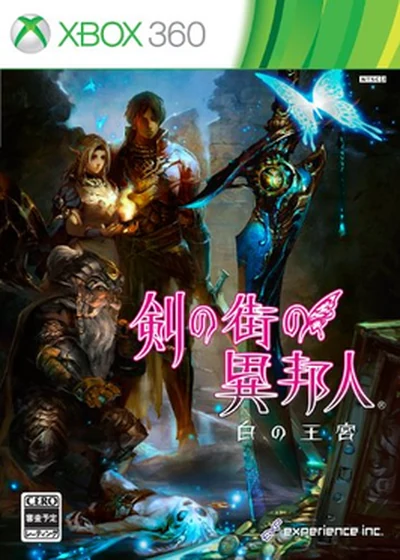
Each member of your party can permanently die on a run, but rather than removing the character from the game when the party member gets "aged," they get moved into an "aged" state. In this state, the character can be revived a limited number of times before losing them permanently. This can create risk vs reward decisions where players push through dangerous dungeons with party members who have aged rather than retreating to the hub to rebuild. As the developers of the game, Experience Inc, designed the game as a spiritual successor to their Demon Gaze titles, they used the permadeath feature to give a real sense of risk that pure dungeon grinding often lacks. The original game on PlayStation Vita got a sequel, Revisited, on Steam and Switch, which improved the aging mechanic and gave players more chances to revive. Because recruitment is statistically driven, losing good permanent deaths was a massive grind to level new recruits, and that commitment set the game apart from other dungeon crawlers on the system.
#9. Etrian Odyssey IV: Legends of the Titan
Etrian Odyssey IV implements a form of guild-based permadeath. If the entire party wipes before reaching a town, any character deaths during that dungeon run become permanent. This technique creates genuine tension during dungeon crawling, as players cannot retreat easily from dangerous floors. If a player has invested a lot into a party, they will not want to lose that investment, and will need to run away to safety tactically. The system created by Atlus requires time and effort in order to make replacement characters, and as a result, missing wipes truly creates a challenge that goes beyond saving and reloading. Some players wanted to enjoy the game's cartography exploration mechanic while not having to deal with this death spiral of a system, so the originators of the franchise provided a more relaxed experience by introducing a Casual difficulty mode that disables this permadeath feature. The Origins Collection, which came out in 2023 for the Switch and Steam, has kept the MDOS mechanic intact, meaning it is still the most true/only way to experience EO IV's design for those who want to experience the eternal death design.
#8. Triangle Strategy
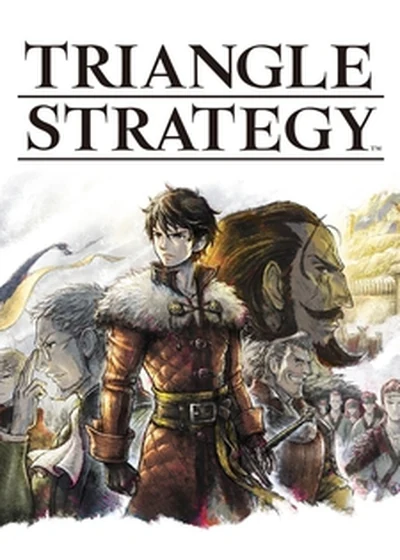
In position eight, Triangle Strategy uses classic mode permadeath, meaning any unit who dies in battle remains dead for the rest of the campaign. The game’s publisher, Square Enix, made the HD-2D tactical SRPG with multiple branching paths and moral choices. However, with the addition of permadeath, each player’s death adds a decision to an already complex narrative branching system. In Casual mode, units can retreat after suffering lethal damage, and are therefore recovered after the battle. Classic mode will require more thoughtful unit positioning to avoid the game's often harshly scripted enemy reinforcements, particularly given the chapter-based structure. Losing a pivotal unit in chapter ten could have serious impacts on the endgame. The genre ranks the game highly because the political choice system combined with the permadeath system creates complex layers of decision-making about which units to send into risky missions as determined by the player’s narrative choices.
#7. Unicorn Overlord
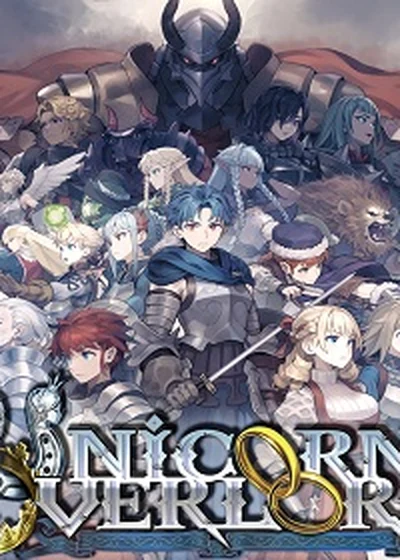
Position seven in Unicorn Overlord has a unique positional permadeath system, as units that leave the battlefield in low HP status (if they are not captured before the battle officially ends) can be lost for good. Vanillaware created the real-time tactical structure in such a way that with large-scale field battles, the loss of individual unit slots creates situations where it is a matter of life and death, and the permadeath system provides a balance of risk to retreat and chase during each combat engagement. The title was praised by critics for its deathly tactics, and the death system adds an ultra hardcore mode for those that want to play with the highest stakes. Casual mode removes permanent unit loss, but does allow units to flee, giving the mode to those that may struggle with the tactics. This is the first game to look beyond the Fire Emblem franchise to permit death systems.
#6. Tactics Ogre: Reborn
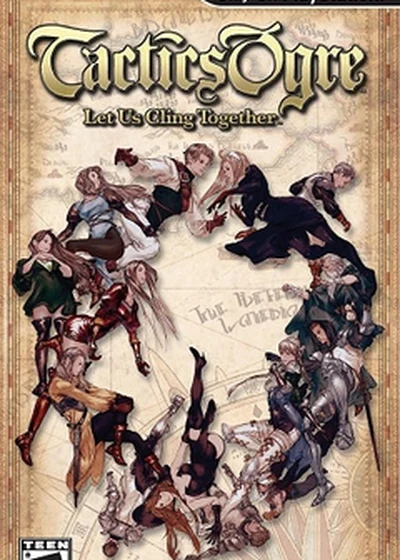
Tactics Ogre: Reborn is sixth in our list, and it also implements a unique mechanic, which is the ability to rewind individual turns in a battle. That means the only way a player can experience permadeath in Tactics Ogre: Reborn is if they are trying to do ironman runs where they would have to CHARIOT (the game’s turn-rewinding mechanic) be turned off. This gives diehard Tactics Ogre fans the opportunity to play how they want without having to face survival elements. Matsuno also favors this style of design, as it focuses on player agency and not having a singular experience for everyone. This also released on modern platforms like PC, PS5, PS4, Xbox One, and the Switch in 2022, alongside the optional ironman challenges, which are also widely used in the speedrunning/gameplay challenge community.
#5. Disgaea 5: Alliance of Vengeance
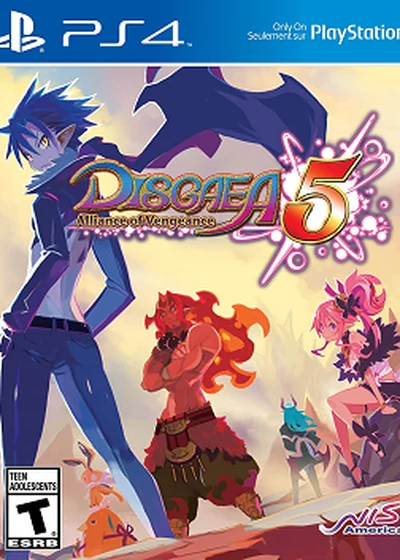
At number five, Disgaea 5 uses reincarnation as a sort of soft permadeath. While characters don’t die permanently in battles, the reincarnation system gives them the ability to retire fully leveled units in exchange for new starts at level one. Retiring a character comes with a permanent stat carryover, creating the Disgaea series’ definng meta-progression. In 100+ hour campaigns, characters are reset multiple times to build better stats, increasing the level cap. The Switch port made this reincarnation grinding more accessible, and the design philosophy crosses with hardcore challenge runs, where players are able to retire underperforming units and build new strategies. While it’s not true permadeath, the design encourages the same type of investment and rebuilding that classic permadeath JRPGs require.
#4. Valkyria Chronicles 4
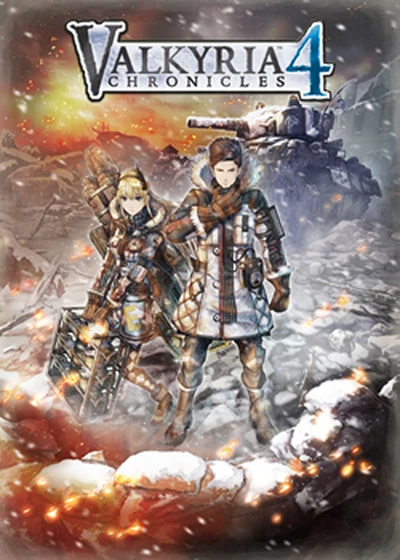
Valkyria Chronicles 4, which is ranked fourth, employs scenario-based permadeath, meaning that when individual soldiers die during missions, they leave the squad permanently. This mechanic is unique in that the developers designed loss of soldier mechanics around squad management and recruitment strategies. Losing a high-rank scout or shocktrooper in a mission can have numerous repercussions for your campaign. Because of the hybrid real-time tactical nature of the game, it is vital for players to consider the potential for death of their soldiers when making offensive decisions, as a large push can mean that many soldiers will need to be retreated after being wounded. The original PS4 game was ported to the Switch and PC along with the original core mechanics intact. The design philosophy of the game aligns with other tactical SRPGs while also being influenced by other games with a more distinct anime-art style.
#3. Fire Emblem Echoes: Shadows of Valentia
Fire Emblem Echoes brought the classic Fire Emblem Father mechanic to the 3DS with Mila's Turnwheel that allows for limited turn rewinds without removing the father mechanic. You can only turn back time a few times as the Turnwheel charges per battle, so you cannot just undo every mistake. The mechanic became the basis that future titles refined. Echoes also has two protagonist routes with different army compositions which means the permadeath consequences can differ across each route's final battles. The 3DS exclusive is also still the canonical way to experience the Gaiden remake, and the combination of Turnwheel and father mechanic shows the approach Intelligent Systems is taking to make the franchise more accessible without removing the core stakes.
#2. Fire Emblem: Awakening
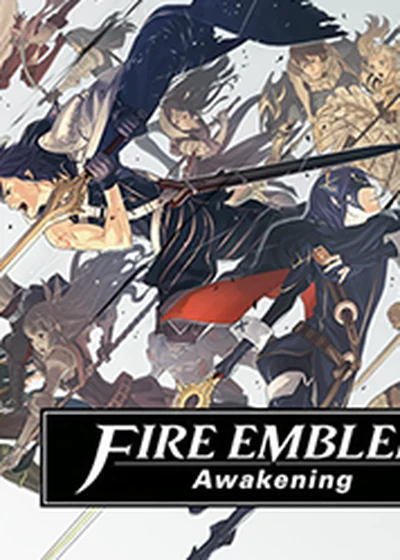
The second spot on this list belongs to the franchise’s modern revival as well as the game that brought permadeath mechanics to a more mainstream audience. Fire Emblem: Awakening was the first game to offer a non-permadeath experience with the introduction of a ‘Casual’ Mode. It also still has the ‘Classic’ Mode experience where you can have permadeath and your units will die. The game also introduced a system where you can ‘pair up’ units. This cemented the emotional weight to each death and created social bonds between the units. The game also introduced the mechanic where if one of the recruited post-game parents dies, their children will be impacted. The game’s success literally saved the franchise from being cancelled and set up the systems that they built on in Three Houses and Engage. Awakening is still only available on the 3DS and because of this, the legacy of its revival of permadeath mechanics will live on in every subsequent FE release for years to come.
#1. Fire Emblem: Three Houses
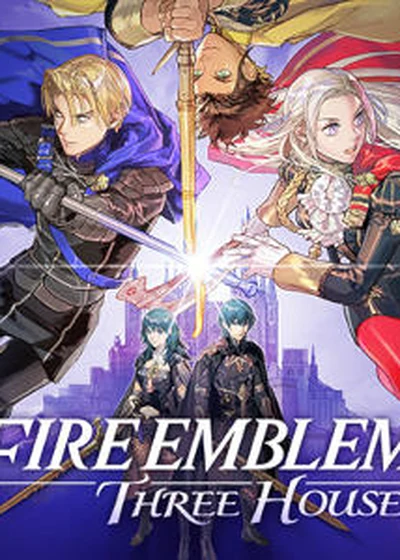
Fire Emblem: Three Houses is number one because it shows the best that modern JRPGs with permadeath mechanics can offer. Fire Emblem's Intelligent Systems spent resources developing four fully different routes: Black Eagles, Blue Lions, Golden Deer, and Church of Seiros. Each route has their own full campaign where permadeath works differently due to specific story events. The Divine Pulse system lets players go back turns and is an evolution of the Echoes Turnwheel system. This means you are able to go back more turns than in previous games which gives greater control and freedom about how many turns you can rewind in a single map. This system also combines with casual mode allowing people newer to the series more ways to play. The Monastery system allows you to create bonds (social links) with your fellow recruits which makes losing them to permadeath more heartbreaking. With the four route structure and the hardcore Classic mode, players can expect to invest 200 hours into the game. The game has sold 4 million copies which makes it the best selling game in the series. This proves the design philosophy of permadeath works.
How We Picked These and Where to Go Next
Rather than replacing the core design patterns for permadeath JRPGs, new iterations continue to refine them. For example, Fire Emblem Engage on Switch introduced the idea of retreating units while keeping permadeath mechanics intact, and upcoming Fire Emblem games are likely to continue using the Divine Pulse mechanic. More and more individual tactical SRPGs are adding optional permadeath features like Tactics Ogre Reborn, rather than using a classic Fire Emblem approach and locking the experience to a single mode.
For a wider look at the genre, best JRPGs with multiple endings includes games where the narrative splits combine with permadeath for a branching decision-tree design. The job class systems featured in best JRPGs with job class systems also include permadeath to create scarcity of investment in units which fosters strategic build choices. Depth of tactical positioning that best JRPG battle systems includes directly correlates with the management of permadeath because how units are placed in every battle determines who will die.
When looking at the development of permadeath from the early Famicom Fire Emblem games to the peak with Three Houses, the history of JRPGs gives us almost four decades of tracing the commercial trajectory of the franchise. The best pixel art JRPGs from the pixel era established a visual vocabulary that continues to be referenced by modern HD-2D tactical SRPGs. For the franchise-wide context, every Final Fantasy ranked addresses Square Enix titles outside the strict Fire Emblem lineage that incorporated permadeath mechanics, and every Persona game ranked looks at how modern dungeon-crawler RPG hybrids differ from tactical permadeath in the character loss mechanics. The best JRPG crafting systems that also integrate with permadeath since lost units take their crafted equipment with them often include crafting and equipment loss. The best JRPG magic systems contain specific magic builds that become irreplaceable mid-campaign. For those readers anticipating what comes next for JRPGs with permadeath, the most anticipated JRPGs of 2027 will include Fire Emblem titles and tactical SRPGs that may continue the current tradition of the genre's permadeath systems.