
Which of all JRPGs (Japanese Role-Playing Games) has the most memorable storyline? The answer lies with each player's experience concerning how they feel during their time spent playing those games. Throughout 20 plus years of gaming, I have experienced all types of role-playing games (RPG's) and compiled a list of the 25 best done RPG's based solely upon how well developed, fleshed out and engaging the stories were.
For platform-specific JRPG guides, see our lists for PS5, Nintendo Switch, Steam/PC, Xbox, PS4, PS2, PS1, SNES, PSP, GBA, DS, 3DS, and Vita. You can also check our JRPG tier list for cross-platform rankings, or browse the best RPGs of all time for genre-wide picks.
With regard to these rankings, it should be obvious that I am placing emphasis on story and not the quality of graphics or gameplay. This is not an indictment against games with large pixel counts or excellent gameplay mechanics; however, my goal is to produce a ranking based solely off how well the story was delivered from beginning to end. The rankings will include all aspects of storytelling, such as world-building, character development, pacing, and thematic depth.
For guidebooks dedicated to finding specific JRPG's for each major console platform (PS5, Nintendo Switch, Steam/PC, Xbox, PS4, PS2, PS1), please refer to the links to the different platforms below. Similarly, you may also review our JRPG's "Tier" list to view how each JRPG ranks overall as a Game. You can also find "Best RPG's Of All Time" lists to find non-JRPG's games within the RPG genre that have ranked very highly on these types of lists.
25. Mother 3
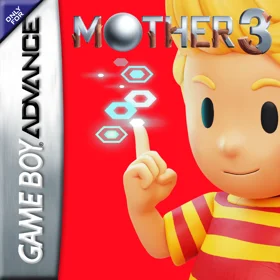
Mother 3 contains one of the most tragic stories in all of gaming, tucked in under a layer of bright, cartoony graphics and ridiculous humour. As the world continues to grow more capitalist and as technology continues to infiltrate the world, the Nowhere Islands slowly begin to lose their innocence — with the ill effects of capitalism, technology, and exploitation edging in — and the metaphor is as blunt an instrument as a freight train, yet it works because of the great care that the characters were written with.
As Lucas goes from being a child who is grieving to someone who can face the source of the corruption in his world, he is mirroring Shigesato Itoi's feelings about games and how they can make you cry and laugh at the same time. The final boss battle is not a challenge to your statistics; it is a test of your emotional state. No game in this genre has ever tried anything close to it.
24. Wild Arms
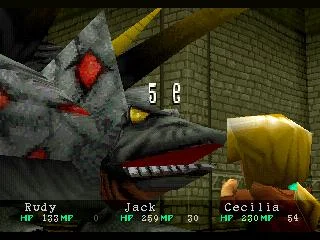
Wild Arms blends elements of traditional Japanese role-playing games (JRPG) with Western frontier themes, creating a unique hybrid of gameplay mechanics. The game's setting on the dying planet of Filgaia adds realism and immediacy to the mission to save the world; you aren’t just saving a world from evil but attempting to resurrect a planet that is virtually lifeless. The game features three main characters with unique but related motivations that allow them to have perspectives that connect without appearing contrived. The game's soundtrack by Michiko Naruke is one of the most underrated compositions within the genre.
23. Grandia
Of all the JRPGs that have been released, Grandia has most accurately reflected my feelings of what an adventurous childhood is like. As the main character advances from being an aspiring adventurer to becoming an accomplished hero, so too does this reflect his personal growth from child to adult. The game successfully communicates this sense of transition through creating a presence that applauds the exploration and wonder of the world around him.
The Wall of the World is one of the best representations of the metaphorical concept of growing up in video games. It represents the physical split between "the world we know" and "the world we don't know" with the expansion of the boundary presenting many potential dangers, beauty, and possibilities that Justin has long wished for. The act of crossing this boundary is not just another plot point, but instead an actual physical development in the evolution of Justin.
22. Shadow Hearts: Covenant
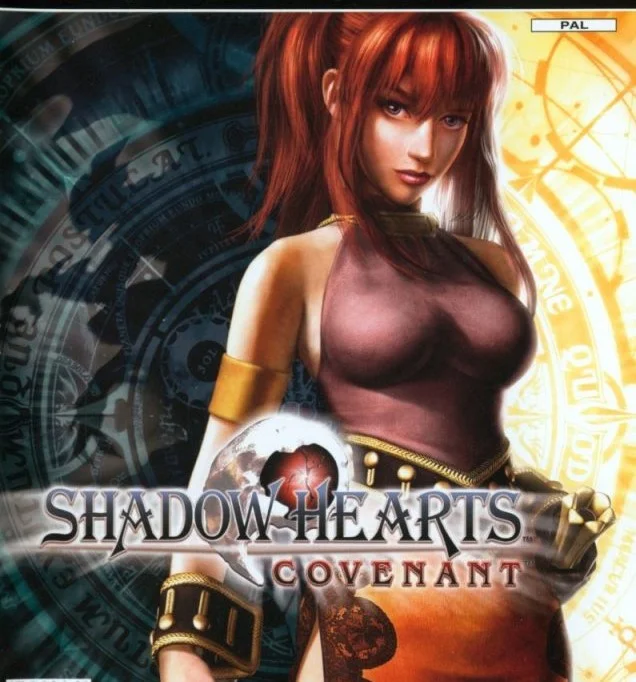
Shadow Hearts: Covenant achieves a balance between light and dark that no other role-playing game has ever achieved. One moment, you will be dealing with issues like war and demonic possession, the next, you will have a flamboyant vampire wrestler teaching you how to do new combo action moves; it shouldn't work, but it does; as the dark moments are made even darker by the humor, and the humor becomes even more necessary because of the dark moments.
The main character, Yuri Hyuga, is struggling to save the woman he loves and has demons living inside of him. The absurdity of the game makes an emotional attachment to these stories. The game combat system, the Judgment Ring, also represents Yuri's struggle against his own darkness as he fights through his dark moments.
21. Lunar: Silver Star Story
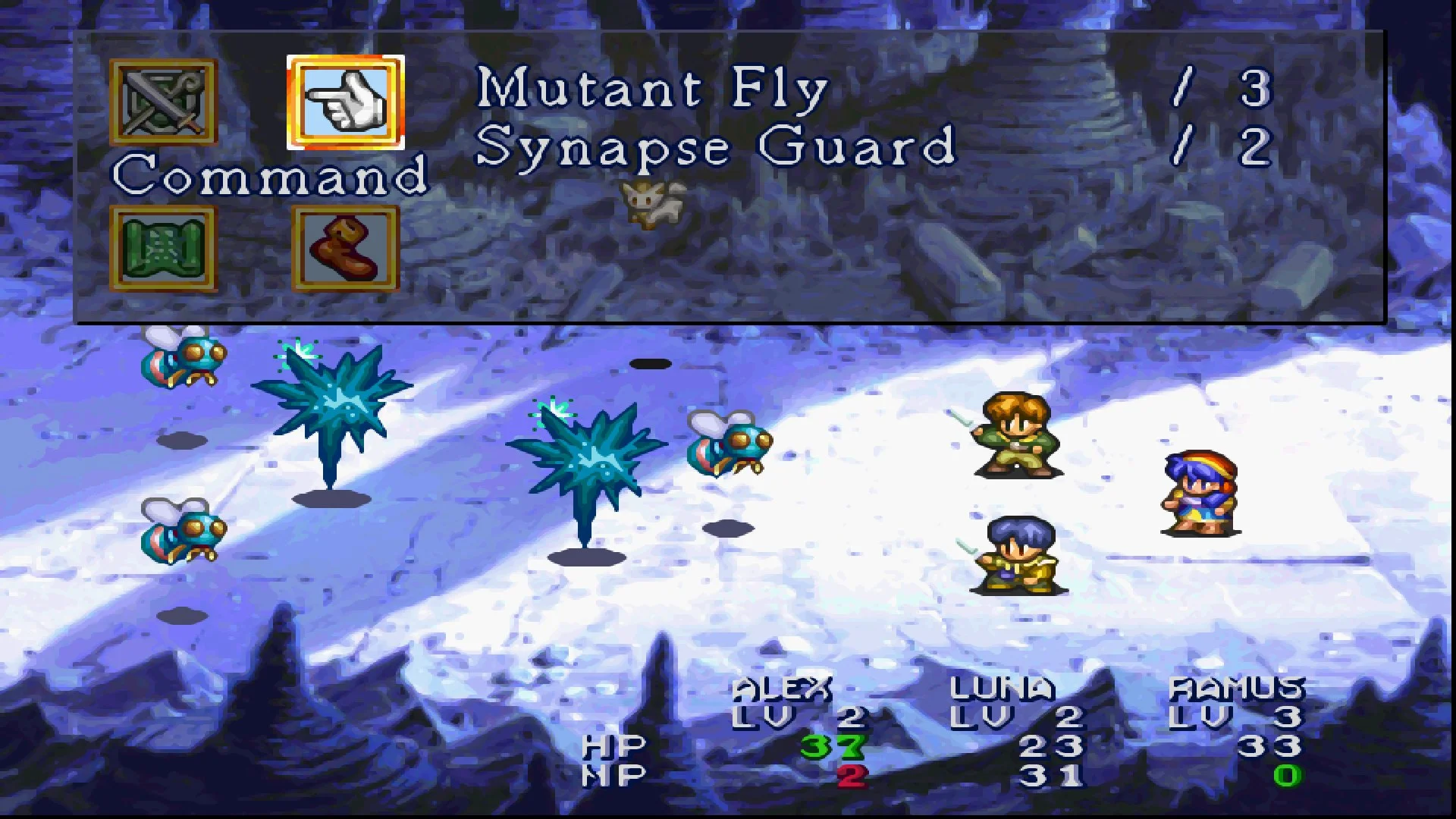
Lunar is a simple narrative because the JRPG genre tends to contain added complexity; however, the narrative is presented completely sincerely. Alex is trying to become a Dragonmaster, Luna is the girl he loves, and Ghaleon is the mentor who will falter in his attempt to parent Alex. There are no twists or subversions, only a classic structure executed well.
What sets Lunar apart is its sincerity, in addition to how the animation of the voice-over, the quality of the voice acting, and Working Designs' localization help create Lunar as a personality an average PS1 JRPG doesn't have the opportunity of developing. A story doesn't need to have an overly complex narrative in order to be engaging.
20. 13 Sentinels: Aegis Rim
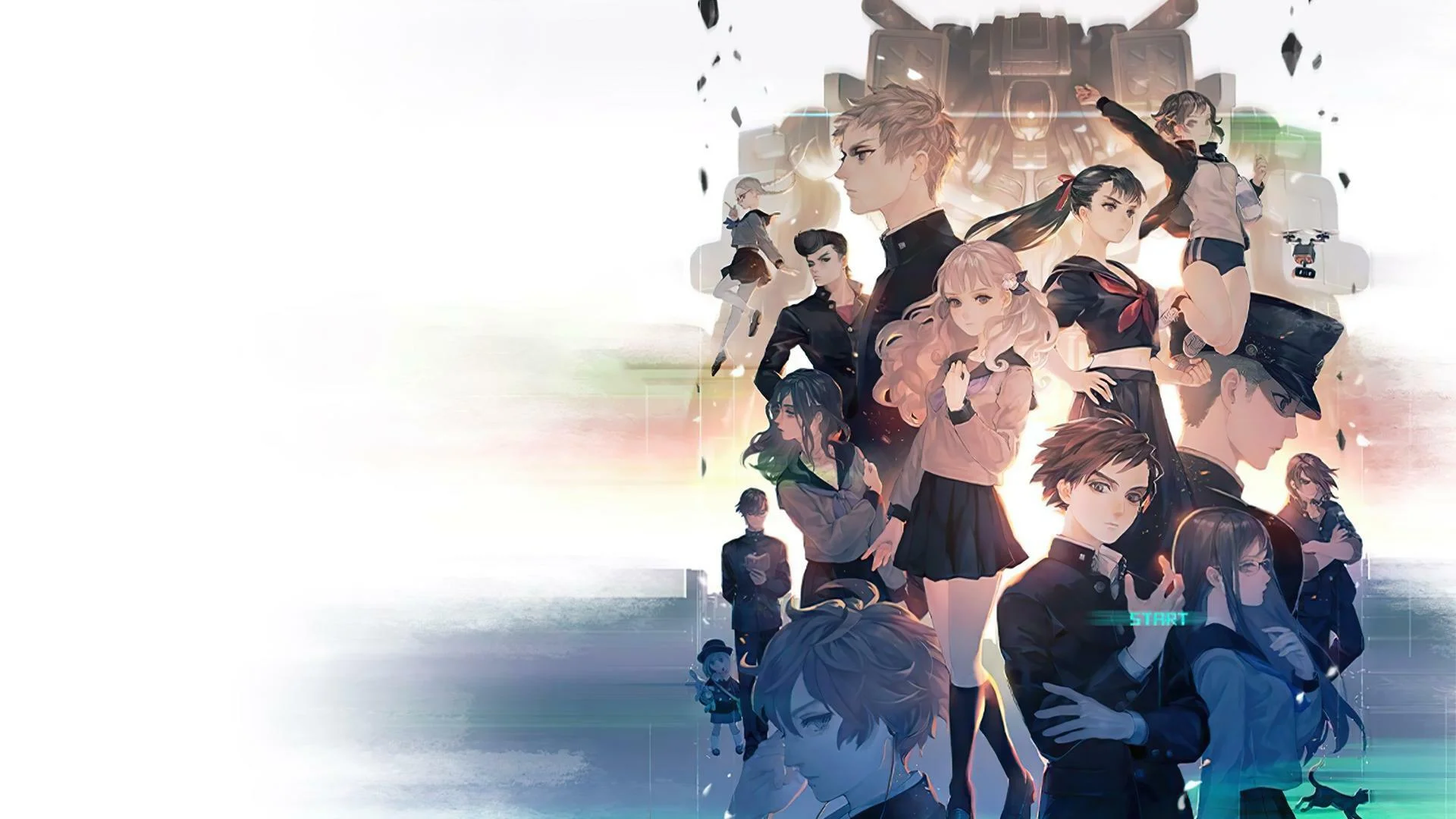
In 13 Sentinels, you start with 13 characters connected by a multi-layered world, set in different time zones, and have to uncover the truth of the story for yourself. The game has elements of both a visual novel and turn-based tactical RPG-style games; however, the twist on the typical RPG story-telling format is that each level of story progression builds towards unlocking evidence towards solving the mystery. There are multiple timelines within each character's story; therefore, characters from different timelines will come to meet each other at certain points. In addition, the game combines elements from multiple sources, such as kaiju films, time travel films/shows, and dystopias.
Vanillaware has a lot of faith in the player to work through the contradictions of the characters' stories and to develop the understanding of their stories as each new character becomes unlocked through gameplay. Ultimately, when you finally uncover the entire story, including character development, the satisfaction you receive from solving the mystery, is immense. 13 Sentinels is one of the best short-form JRPGs that you can finish in less than 30 hours of play time and has more narrative ambition than many other JRPGs that are three times in length of 13 Sentinels.
19. Radiant Historia
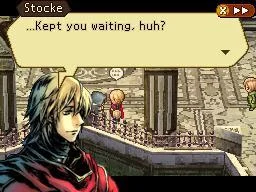
In Radiant Historia, time travel is integrated into the game in a way that affects how the story unfolds. Players are able to travel through two different timelines, allowing them to fix errors in one timeline using information gained from the other. Through exploring these two different timelines, players will learn significant lessons that are critical to completing the game.
Stocke (the protagonist) is a strongly developed character — a spy who relies on logic instead of emotions to guide him as he makes his choices. The tangled web of political intrigue created by the conflict between Alistel and Granorg lends itself to a sense of urgency and tension in the progression of the storyline, while the utilization of a node-based timeline map allows for visual representation of the narrative structure.
18. Valkyrie Profile
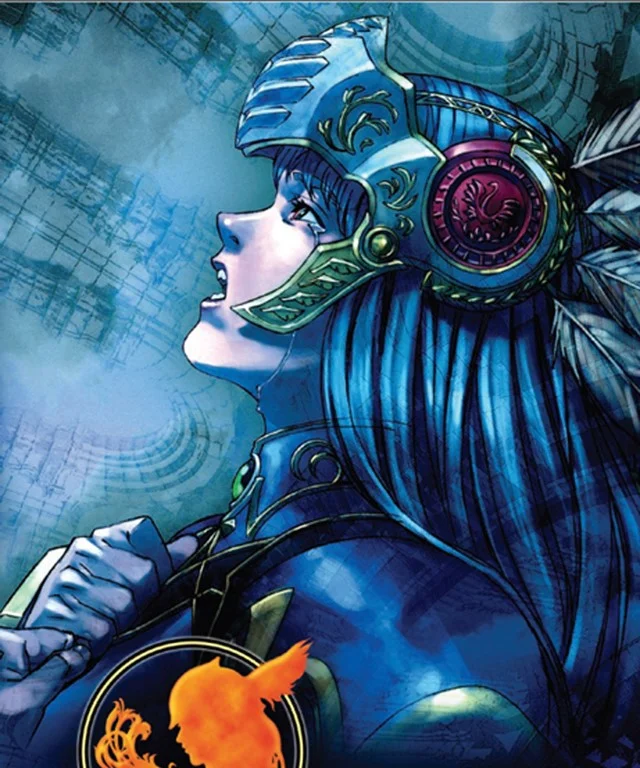
The narrative within Valkyrie Profile's gaming experience is delivered through death; more specifically, the death of each warrior that Lenneth recruits for the purpose of Ragnarök. Each einherjar's recruitment chapter is a self-contained tragedy that depicts how they have died, but also sends that einherjar to Valhalla and is, therefore, the loss of a member of your party that you have invested time in. This has resulted in a smooth integration between gameplay and narrative that few JRPGs have achieved.
After completing the game, the reader will find that the true ending provides information about Lenneth's existence, which recontextualizes everything that's happened thus far and will change what they thought was an episodic structure into something unexpectedly coherent.
17. Breath of Fire III
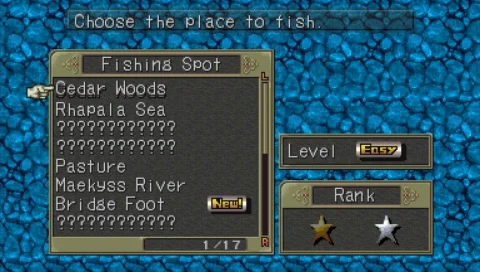
Breath of Fire III sees you helping Ryu grow from child to adulthood in a world where all dragons except him have been hunted almost to extinction. The first half of the game has kid adventurers; the second half jumps forward in time, presenting the same characters, but as adults dealing with grown-up issues and moral ambiguity.
In the end, when you face-off against Myria, you will have to confront a true philosophical question: Is it worth sacrificing your freedom for your safety? You'll be allowed to decide how to deal with her, but will have to deal with whatever consequences may arise thereafter.
16. Yakuza: Like a Dragon
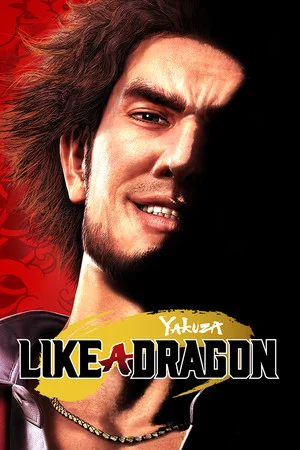
Ichiban Kasuga is the first JRPG hero to refer to himself as a heroic character in a JRPG. He sees all of those around him through Dragon Quest lenses, and the game will continue utilizing this perspective while telling a very realistic story — a story rooted in homelessness, loyalty, and second chances.
He has been imprisoned for 18 years for a crime he didn't commit. And after all of those years in prison, Ichiban still has faith in other humans. His optimism isn't naive, and it is a fundamental part of the story.
Each supporting character (Nanba, Adachi, Saeko) is also dealing with their own stories of failure leading to redemption that have some connection to Ichiban. The game's world and environment are very realistic; as a result, the stories and emotions presented in Yakuza: Like a Dragon provide the player with an immersive experience that does not come off as forced.
15. Final Fantasy X
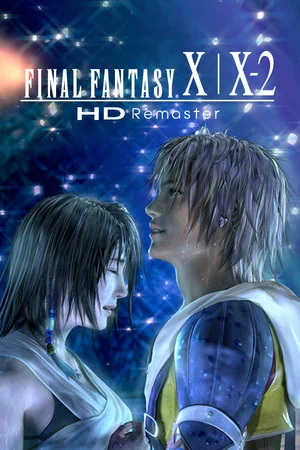
Final Fantasy X is an epic journey to discover love disguised as a religious pilgrimage. Tidus's and Yuna's travels through Spira are made poignant because the up to that point in the game, the player could not see the depth of the sacrifice that would come with Yuna's pilgrimage. Thus, the realization of her pending sacrifice turns past joyous events into bittersweet memories.
As I re-experienced the revelation of the relationship to Tidus at Zanarkand, the impact of that revelation has an even more profound effect after I know what the previous joyful moments masked (Tidus in fact was never alive; he was an illusion created by Yuna's memories of him). The world of Spira, with its perpetual cycle of death and rebirth brought on by Sin, is rich in world-building that causes a player to have an interest in understanding the religious/political aspects of an imaginary universe.
14. Lost Odyssey
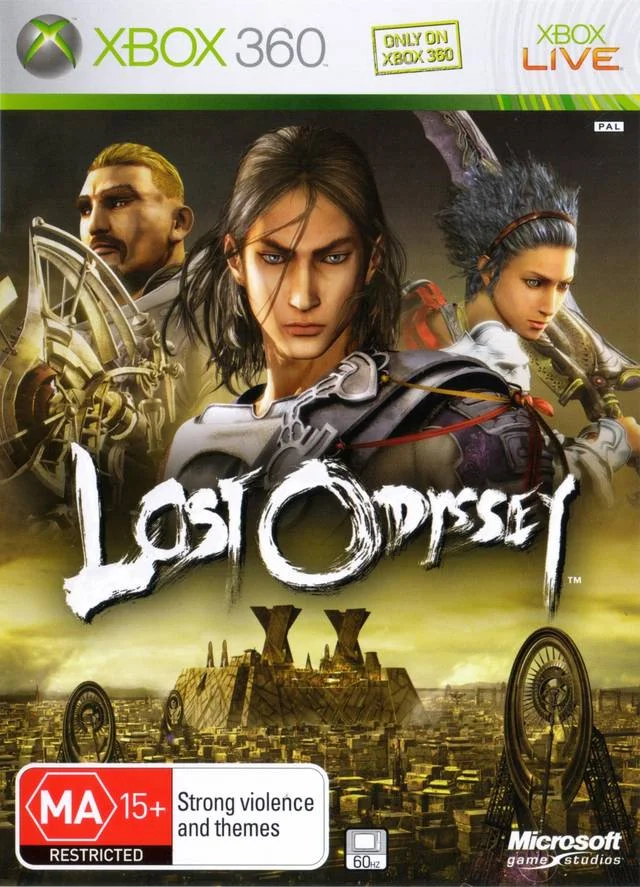
The primary plot of Lost Odyssey is very good, but not special. Its elevation to this list is due to a set of stories titled "Thousand Years of Dreams" that become available to the player as Kaim, the immortal hero, returns to consciousness and collects his memories. These vignettes are some of the greatest examples of literary prose I have ever seen in any video game.
In each of these dreams there is a very individual story dealing with subject matter such as love, loss and the burden of living forever while everyone else does not. They provide Kaim with more than just a generic ability to feel; they give him depth that makes it easy for players to relate to him as a person.
13. Persona 3 Reload
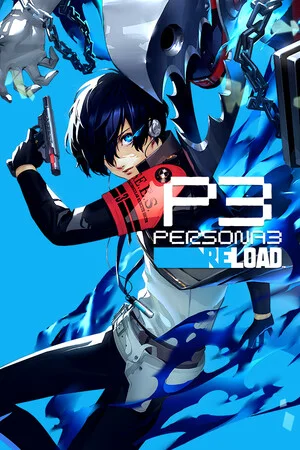
Throughout all aspects of the story in Persona 3, the main theme of the game is death. This is evidenced by many elements of the game including; The Dark Hour, Tartarus, and Memento Mori. The Reload Version refines these story elements using up-to-date graphics. All the characters in the game that you have a Social Link with, are going through some form of death or loss.
As for the ending; when you are asked to make a choice that most games never give you, you may be surprised at how the choice reflects sacrifice and the relationship between people. I don't want to spoil it, but if you cry at all, you will certainly have a good reason for doing so.
12. Trails in the Sky SC
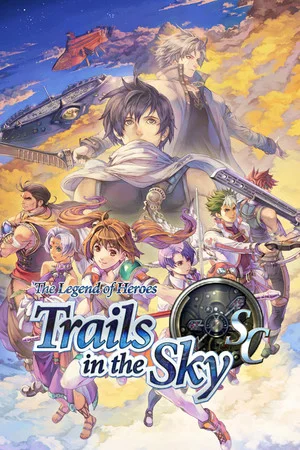
The Trails franchise is well known for its interconnected world-building. Second Chapter is where they made their big leap from just wanting to create a game that would build towards them. Through the love of the lead character Estelle and her love Andrew, the game creates an incredibly emotionally charged story about political intrigue and ancient societies, with an emphasis on the personal aspect of a girl travelling across a continent to find the love of her life.
All of the non-player characters within the entire world of Liberl are on their own time tables and have a story of their own that will change with you over time. Talking to the same vendors over 3 chapters will uncover family histories that will not be included in the main story of the game. The amount of storytelling via the background that is present in Liberl is unheard-of.
11. Tales of the Abyss
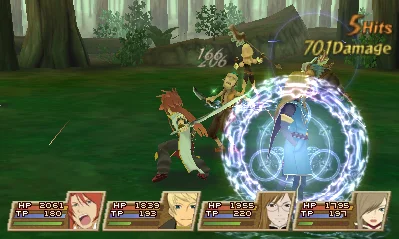
The protagonist of Tales of the Abyss is unappealing in his first third. He is spoiled, arrogant, and obnoxious. As a result of this development, Luke fon Fabre must abandon everything he knows and rebuild himself after learning of a harrowing event halfway through the game. This provides players with the opportunity to witness an excellent character arc as Luke transforms from an immature child to a selfless adult.
While the Score system serves to raise questions about whether our choices are predetermined or if we make our own decisions, and while many characters throughout the game can be seen to fit into either of those categories, none of them actually provide a definitive answer; as a result, all of the characters contribute in different ways to develop the central theme of the game.
10. Final Fantasy IX
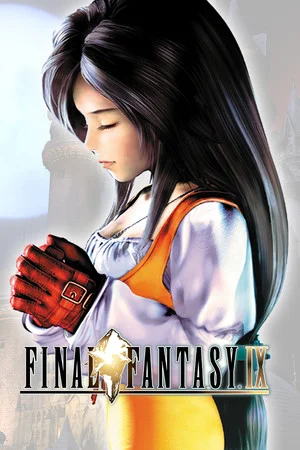
Final Fantasy IX is a love letter to Hironobu Sakaguchi about everything that has been Final Fantasy and it is also one of the series' most thematically consistent titles. Each character grapples with the same question — what does it mean to exist? — and they all arrive at their individual conclusions that feel honest vs preachy.
The crux of these characters' struggles is Vivi's existential crisis. When Vivi discovers that he is a black mage created with a predetermined life span and sees all the copies of himself being used as weapons, he wrestles with the weightiness of his situation but does so with such gentleness that it is even more profound. As for Zidane, he is charmingly roguish throughout the game but also has an identity crisis of his own which the game saves for the game's strongest reveal on the last scene.
The last scene — "I want to come home to you" — has a profound effect on me; that scene is a prime example of the type of quiet, intimate conclusions that JRPGs rarely have due to the fact that JRPGs usually focus on killing gods.
“Vivi's story is the emotional core that holds everything together. FFIX doesn't work without him.”
9. Suikoden II
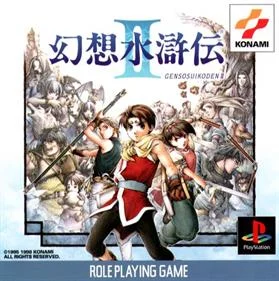
The character-driven narrative of Suikoden II revolves around the protagonist's deep and meaningful friendship with Jowy Atreides—one that is repeatedly destroyed through political intrigue and devastating war—culminating in an impossible choice for the protagonist to make. Exploring the Highland/Jowston War through Jowy's and the protagonist's opposing perspectives allows each of them to present their justifications for war and gives both nations legitimate reason for their actions in this conflict.
A completionist goal of recruiting all 108 Stars of Destiny isn't the only reason to complete this goal. Each of these characters adds at least a small piece of the overall story and helps make the game world feel more populated than just decorated. Participating in cooking competitions, theater performances, and castle upgrades help turn your headquarters from a base into a home.
Luca Blight, while perhaps no more or less than a villain, is one of the genre's scariest villains because he is such an uncomplicated evil character. He is just a villain who derives joy from being cruel and sadistic. His death scene, in which you must assemble three full parties in order to defeat him, represents some of the best examples of interactive storytelling in games.
“The Luca Blight fight is interactive storytelling at its absolute peak. Three parties, one monster. Unforgettable.”
8. Dragon Quest V
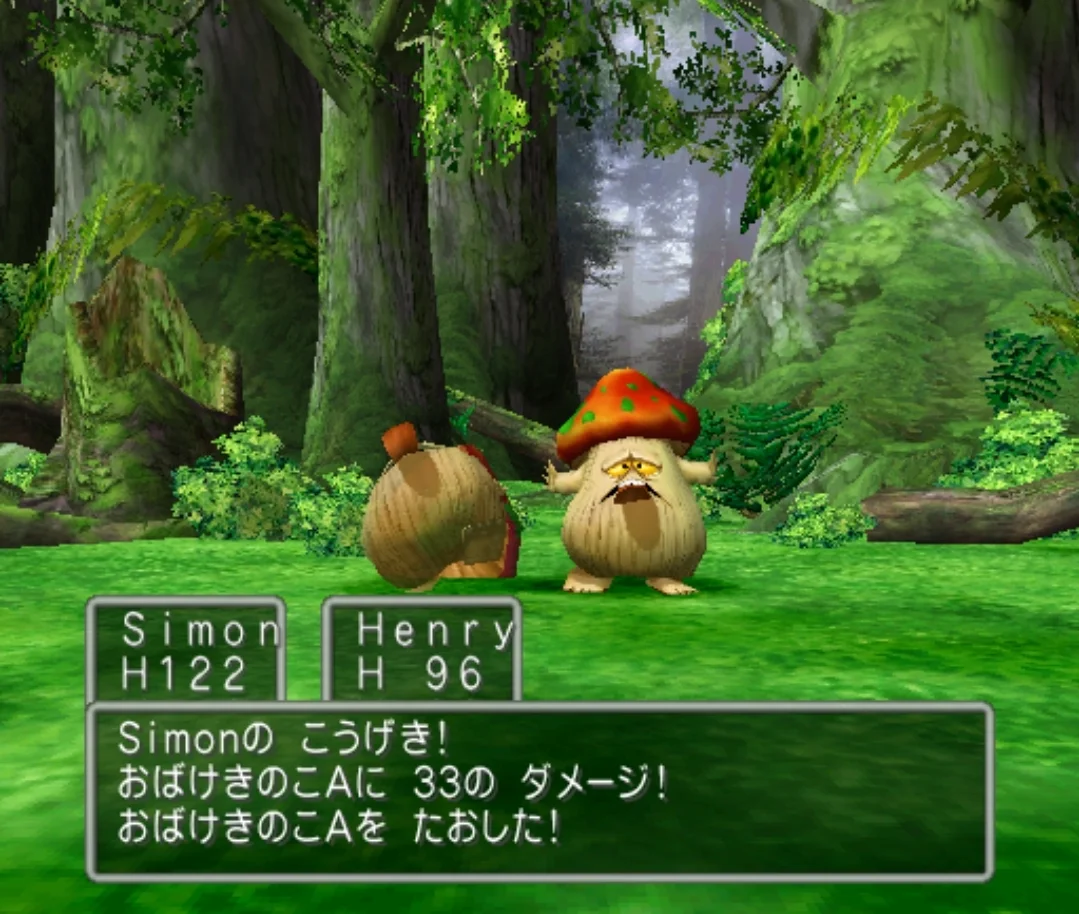
Whereas nearly all other JRPG games fail to parallel the whole arc in all the character experiences throughout a character's life, Dragon Quest V has found success. You start as a child looking upon the murder of your father, endure 10 years of captivity, have your first love affair, become a father, and eventually become an observer of your children becoming heroes.
Because of your time spent with both candidates for marriage you will make a choice, which is different than just comparing numbers. The each marriage candidate is someone you have formed a connection with through experience.
The brilliant part of DQ5 is that it provides you variety between sadness and happiness by providing a very contrasting visual set by Akira Toriyama by creating happy, fun drawings and then having horrible events occur to produce a horrible effect since they are coming from such an attractive thing.
“Following one character from childhood to fatherhood hits different than any other RPG structure. Pure emotional genius.”
7. Xenoblade Chronicles 3
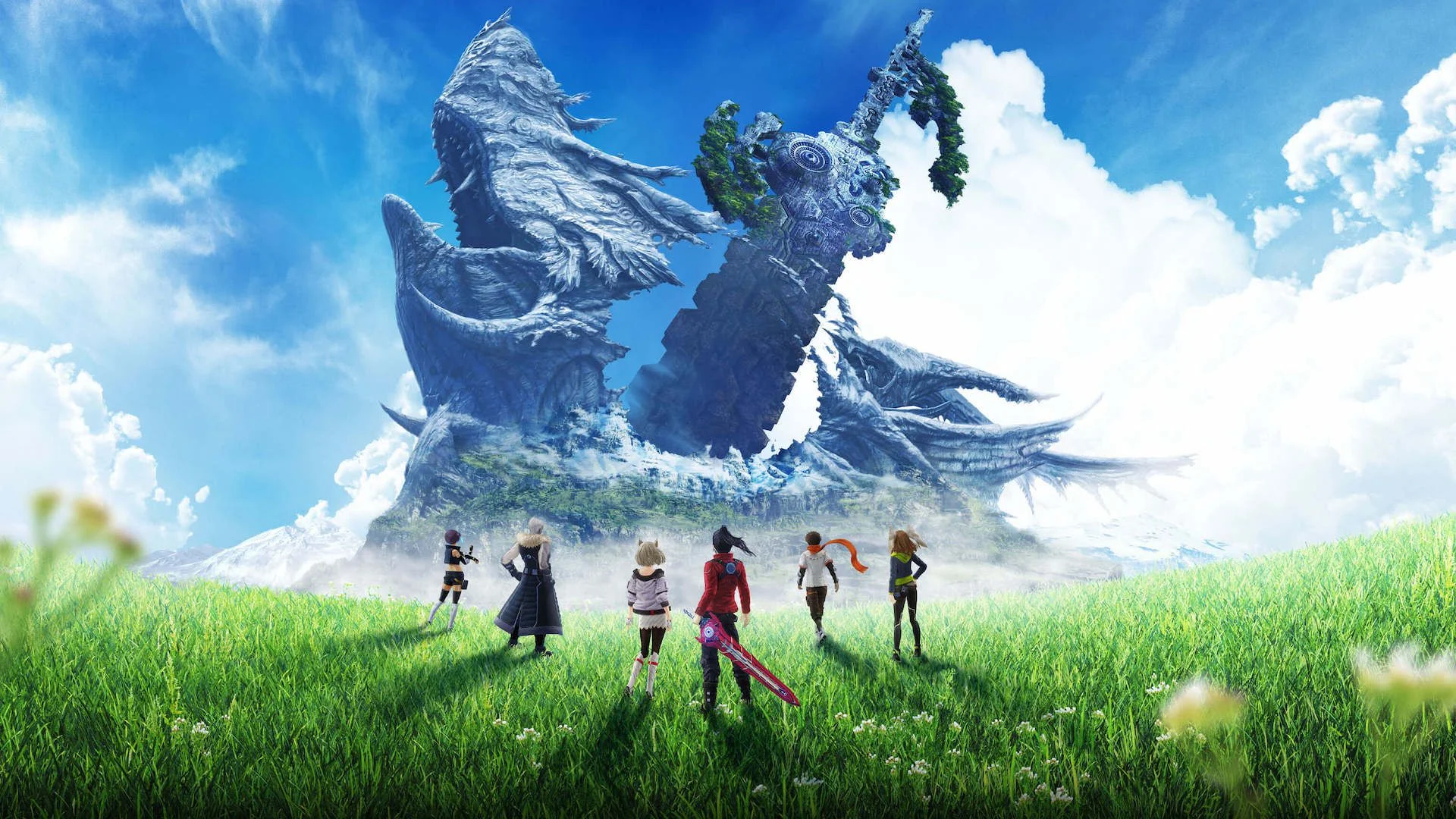
The beginning of the story in Xenoblade Chronicles 3 consists of children as soldiers engaged in an ongoing war between two factions but then ends up being one of the more uplifting stories of all time. The journey of Noah and Mio through Aionios takes them from facing death to gaining their freedom and questioning whether or not a short life, lived to the fullest, is better than living forever in a stagnant state.
The interlink system is an interesting mechanic that gives players the ability to join characters physically together, and it also serves as a means of storytelling to convey empathy between two people—having such a great connection to someone that they become part of you? For such a huge device to work it took a committed effort on the part of Monolith Soft to see through to fruition.
The completion of each hero quest not only builds up an additional layer in the game universe but also lends itself to delivering an epic adventure for all players (there is no filler in any of the hero quests). The Future Redeemed DLC ties the entire Xenoblade trilogy together in ways that will please even the most hardcore of players by rewarding their extensive world-building over the last three games!
“The most emotionally mature JRPG I've ever played. The ending had me in tears for a good twenty minutes.”
6. NieR Automata
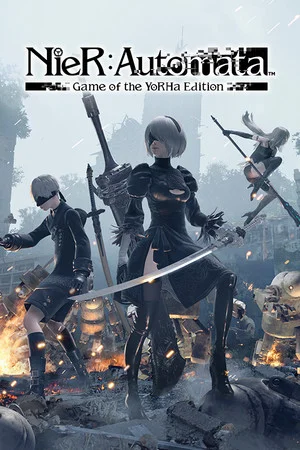
In a surprising turn of events, NieR Automata compels you to replay several cycles of events while still making those replays seem meaningful and worthwhile. Route A primarily provides an Action-RPG style gameplay experience; Route B recontextualizes the same story/game through another perspective; and Route C deconstructs the previous two routes and reflects on the meaning of all three routes.
Yoko Taro’s writing explores consciousness, meaning, and the cycle of violence through characters that are and/or have the characteristics of machines/robots, yet still feel emotions as a human would. One of the most disturbing parts of NieR Automata occurs when 9S begins to lose touch with reality; this is easily one of the most disturbing moments I’ve witnessed in gaming. At the end of the game (Route E), the game makes a statement about the medium itself to reinforce its emotional impact; I won’t spoil what that statement is, but I’ll never forget it.
The soundtrack of NieR Automata deserves co-authorship. The song "Weight of the World" plays during the credits sequence, and far from merely being a song that plays during the credits, “Weight of the World” is the emotional thesis of NieR Automata as a whole.
“Route C destroyed me. Yoko Taro is a madman and I mean that as the highest compliment.”
5. Final Fantasy Tactics
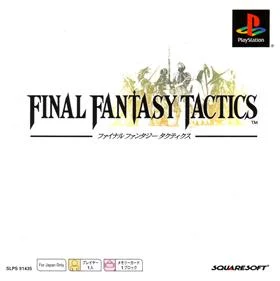
Final Fantasy Tactics features a political undertaking that is suitable for a medieval history course. Unlike many other video game narratives, the War of the Lions is based on power, class, and how historians tend to write about events when there are people involved who have gained power. The journey of Ramza Beoulve moving from being a nobleman with privileges to someone being branded a heretic resembles how many historically significant individuals were completely eliminated from the pages of history due to political fear of them and their potential.
To me, the dialogue of the game, particularly the retranslated version of the War of the Lions, reads as though it was written by Shakespeare, but through the cynical lens of Matsuno. Each character speaks in a highly layered and intentional way where every conversation has subtext. Delita's story, which parallels Ramza's, is that of a common man who uses manipulation to rise to the position of king. Where Ramza holds an idealistic viewpoint of life, Delita serves as a dark reflection of Ramza and his idealism.
I have referred this game to people who do not typically enjoy Japanese role-playing games, yet most of those individuals reported back that the story alone was enough to make the time spent playing worthwhile. The writing in this game is that strong.
“The only JRPG I've recommended to people who don't play JRPGs. The political writing is that strong.”
4. Persona 5 Royal
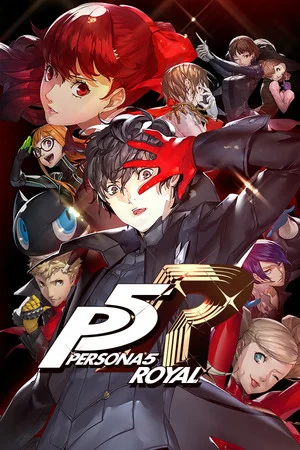
Persona 5 Royal successfully combines dungeon crawling and societal critique in a way that feels almost too relevant to society today. Each palace corresponds to a social structure that exists within today's society, such as professors that take advantage of their students, plagiarists, and corporations that take advantage of the worker. The actions of the phantom thieves to "steal their hearts" is at its core a metaphor for holding people in a position of power accountable for their actions.
However, it is the personal relationships that the player develops with the characters like Takemi, Sojiro, and Yoshizawa, that make the game world of Tokyo feel alive — it’s as though the player has built upon the main plot through the sub stories. These aren’t just optional quests to achieve some sort of bonus, they’re tale that exist within Japan’s culture that are told in parallel to the main story.
With the Royal expansion comes a unique palace belonging to Maruki that poses an uncomfortable moral question. What if someone could make anyone’s perfect world? Would you rather live in a gilded cage and be happy rather than experience an uncomfortable, heart-breaking reality? This is a question that continues to haunt the player long after they finish the game.
“Maruki's palace in Royal is the single best piece of JRPG storytelling from the past decade. Full stop.”
“Very easy to recommend. Looks good, plays well, and engaging all throughout.”
3. Chrono Trigger
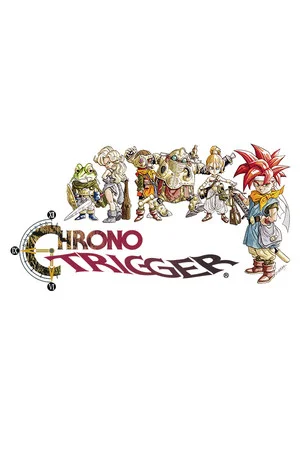
It's mundane to hear the word "masterpiece" thrown around so much, but it doesn't change the fact that there is a reason this title consistently finds itself in the very top spot of almost every single list of favorite games. The storytelling in the game is ruthless in its efficiency; every quest moves the main story along, develops a character, or widens the world... often all 3.
Time travel is a fundamental component of the narrative, and it isn't just a gimmick to say it is. Seeing how your actions in the year 600 ad have an impact on the year 1000 (ad) creates weight to your decisions that very few current games can duplicate. The finding of multiple endings (a total of thirteen) rewards curiosity by allowing players to experience the endings in a way that feels organic rather than forced.
I have played this game eight or nine times and have discovered new details each time. For example, something I had never seen was how Magus' villain arc morphs into a sympathetic character or the way the Kingdom of Zeal mirrors human and corporate hubris. There are so many story elements packed in such a short amount of gameplay, and Chrono Trigger does not disrespect your time while still creating a much more complete story than most 80-hour epics.
“Finished it nine times and still finding new dialogue triggers. The definition of timeless.”
“Twenty-five hours of zero filler. Every other JRPG should take notes on pacing.”
2. Final Fantasy VI
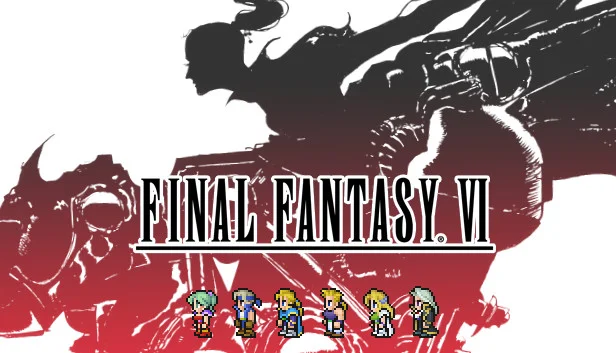
There is no one single main character in Final Fantasy VI; rather, there are 14 characters who each play an important role in the game created by Squaresoft. Moments from the game—such as Terra's struggles of finding who she is, Locke's continued grief over his wife, and Celes standing on the edge of a cliff wondering whether to commit suicide after the world had ended—will be remembered by a generation of gamers.
The storytelling aspect is what deeply sets FF VI apart from previous games. The game is divided into two parts: The World of Balance (where one is fighting against the empire) and The World of Ruin (where one is working with a villain that has already won). This division was unheard-of in any video game at the time. The villain—whose primary goal is to destroy everything—actually succeeds at accomplishing that goal in the second half of the game. Therefore, the story shifts focus to the characters' ability to find a reason to continue living when they have no hope.
The villain, Kefka, is an excellent example of the best-done writing in any video game. He is a clown (a nihilist) and has no desire to amass power (or wealth) for himself; however, he just wants everyone and everything to burn. It is this simplicity of being evil that makes him such an incredibly terrifying videogame villain.
“Celes on the cliff is still the most emotional moment in any game I've played. Thirty years later and it still gets me.”
“The World of Ruin is gaming's greatest narrative risk. Every JRPG since lives in its shadow.”
1. Xenogears
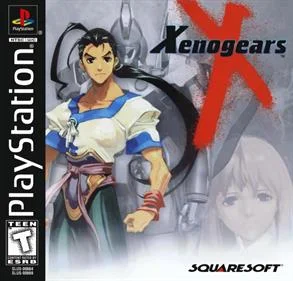
Xenogears combines mecha combat with thoughtful narratives unlike any other video game has since done so. The creator of this title, Tetsuya Takahashi (later known for the Xenoblade saga), weaves Jungian psychology, Nietzschean philosophy, and religious allegories throughout a 10,000 year old story. I borrowed a PS1 back in 2001 and it wasn’t until then that I learned of the Soylent system.
At first the game is quite simple: A small village and an amnesiac hero. But as each layer is peeled away you find yourself at a much larger level dealing with Intergalactic Conspiracy's, reincarnation cycles and a definition of God itself. Each character in your party is connected to the central story in a meaningful way and the love story between Fei and Elly provide a very personal relationship within a very cosmic environment.
The budget problems of disc 2 hit hard, with several entire dungeons reduced to narrated slideshows, but even a partially complete game like Xenogears creates much bigger stories than many fully complete games. If you can overlook the change in pacing the payoff is one of the most fulfilling conclusions in video games.
“The story hits different once you piece together the Zohar connections. A flawed masterpiece that deserves every bit of praise it gets.”
“Disc 2 is rough but the narrative payoff is worth every text-scrolling cutscene. Nothing else comes close to this level of ambition.”
Frequently Asked Questions
Which JRPG has the greatest narrative depth?
Most gamers would argue that Xenogears contains the most ambitious and philosophically significant narrative contained within a JRPG; however, both Chrono Trigger and Final Fantasy VI are both excellent alternative choices for those who enjoy more tightly constructed stories. "Best" can mean many things to different people; therefore, in deciding which JRPG has the best narrative you need to determine whether you value them more for their thematic complexity, character development or narrative proficiency.
Do WRPGs tell stories better than JRPGS?
JRPGs and WRPGs deal with storytelling in different ways. Japanese RPGs tend to use authored stories with predetermined character arcs, making for a more tightly paced emotional experience, while WRPG typically have a greater emphasis on the player's choice and personal consequences of their actions within the story. These two styles do not make either way better than the other, just different ways to create.
Is it necessary to play JRPGs in chronological order?
Most JRPG titles on this list stand-alone, although some series like Final Fantasy number their games and use similar themes and gameplay mechanics, but not a continuing plot between the games in the series. One exception is the Trails series in which it is highly recommended you play the games in chronological order because the storytelling in this series is continuing from game to game.
What distinguishes JRPG narrative styles from other styles of RPGs?
Typically narratively linear, feature a fixed main character, place an emphasis on the party's group dynamic, and use a series of story elements that escalate until reaching a climax, JRPG storytelling style draws heavily from the traditions found in anime storytelling (aka the narrative relates to the characters as people, the story depicts friendship, sacrifice, growing up, etc.), which give JRPGs a distinctively emotional quality compared to WRPG games style.
Finding Your Next Great JRPG Story
While this article's list contains some of the greatest works of JRPG storytelling, it is by no means the entire list of games that can capture your interest. If you appreciate complex weighty villains, check out our list of the best JRPG villains. If you want to read stories featuring moments that change everything about how you perceive narrative construction, you will find them on our list of the best JRPG plot twists. If you prefer to play through darker tales, the list of the darkest JRPG stories is for you.
We are also developing guides such as the history of JRPGs and how narrative construction evolved through various console generations, as well as additional guides to JRPG world-building and which games feature the most immersive world-building. A list of the best JRPG endings will be available shortly.
Whatever your next title will be, I wish it to have the ability to allow you to forget that you were even holding onto a game controller.
Game cover artwork and screenshots are property of their respective publishers and developers. Used under editorial fair use for review and commentary purposes. All game titles and trademarks are owned by their respective holders.