
People often ask me where to start when they find out I play JRPGs, and it's a perfectly valid question. I’ve played JRPGs for over twenty years and the vast library I’ve experienced encompasses four decades and hundreds of titles. If you’ve never stepped into a JRPG, it may seem foreign. Random encounters, grinding, job systems, social links, active time battles, turn order manipulation - just looking up the seep vocabulary, and learning how to explore a JRPG, can feel like you're learning a whole new language just to play.
With this guide, I hope to eliminate some of those barriers. Organized for your needs is what I hope to provide veteran players looking to fill a specific niche, casual players searching for their next game, and newcomers who don't even know the definition of a JRPG. I’ve played this genre obsessively since I was a teenager, and I’ve tried to distill my experience into less of a recommendation list and more of a refined guide to help you find a game that suits your taste.
Most modern JRPGs have branched out from the original menu based turn combat style, and more than just the spiky haired protagonist step into this genre. New age JRPGs include action RPGs set in an open world, tactical strategy RPGs, farming simulators with some social role play, RPG related murder mysteries, and just about every type of game you can think of. What ties all of these games together are worlds meant to be explored, and stories crafted with intention and rich character arcs that allow the player to progress through their journeys.
What Makes a JRPG Different?
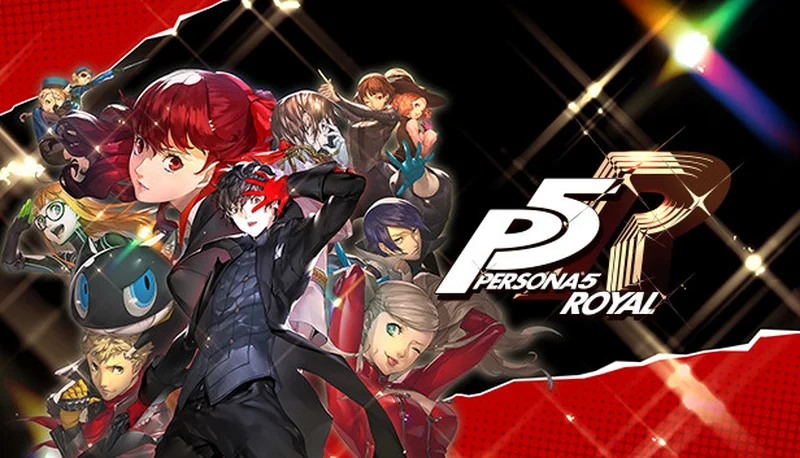 Image: Atlus / Sega via Steam
Although some distinctions of JRPGs and Western RPGs have become harder to notice these past 10 years, several differences remain. JRPGs usually have scripted stories, active character development, and predetermined protagonists. This means that the player does not have the freedom to shape the story or partake in the narrative however the player chooses. Unlike JRPGs, Western RPGs give the player the freedom to shape the story and take the narrative into their own hands, thus having player created stories.
JRPGs have a tendency to place restrictions on the player when it comes to character development. Character progression can only happen in certain, pre-defined ways. Players can level up their characters, improve skills, take on jobs, and more. Unlike in Western RPGs, where players can improve their characters' equipment as they see fit, in JRPGs, players have to settle for incremental improvements. Gainin incremental improvements can be very satisfying, as some gains can be the result of several hours of gameplay. Many players find diving into JRPGs for hours at a time to be very relaxing, even if the game they are playing has a storyline that is dark or distressing for many.
In JRPGs, you're likely to come across pure turn strategy based systems, real-time systems and hybrids of the two systems. There are diverse systems and tremendous replayability in the genre. If you're the type of player that enjoys the modern action aesthetics, strategic depth, and powerful turn based combat, then look no further than the variety the genre has to offer.
A main story run of a typical JRPG takes between 40 - 80 hours, while optional content can extend some games to over 200 hours. When this is done well, this length is not padding. When done well JRPGS give players the time necessary to create emotionally rewarding experiences, build worlds with internal consistency, and develop characters with depth.
JRPGS develop culturally from Japanese traditions of literature, anime, and manga. The characters are grouped into distinct archetypes, and they develop over the course of the game into a complete story. The highlight of the story is emotionally charged and is often the result of the player’s patience through a long story build. These games highlight characters as they undergo individual and collective transformations. These story elements are not random. They showcase the traditions and influences of the culture of JRPGS.
JRPGS games are not tempoed like a Western Open World game. In the first 30 minutes of a Western Open World game you are often given a horse and a map. In a JRPG you can spend over 3 hours just setting the game up before the main story begins. The pacing sets up the depth of gameplay that is to come. Players who understand this most often come from Western Open World games. They understand the overwhelming depth of the JRPG and the value of a slow to starting game.
Choosing Your First JRPG
 Image: Square Enix via Steam
A bad way to choose the first JRPG is to ask the internet for the greatest JRPG of all time and start there. Chrono Trigger, Final Fantasy VI, and Persona 5 Royal are spectacular games, but suggesting them to newcomers fails to consider the individual interests of newcomers. A more effective method is to align your current interests with the JRPG sub-genre that suits them.
If you come from action games and want responsive combat, trying Ys VIII and Tales of Arise would work. Both have fast, fluid combat that is similar to action games but also add mechanics that involve RPG-like progression systems. If you want story above all, then Persona 4 Golden and Trails in the Sky FC have character-driven stories that are as good as the best television dramas. If you enjoy tactical depth and the need for strategic thinking, Fire Emblem Three Houses and Unicorn Overlord are similar to XCOM but with anime aesthetics and relationship systems.
This beginner guide to JRPGs is designed to help you pinpoint the right game from the start without unnecessary trial and error. Your game needs to align with your existing tastes, not popular opinion. For example, someone who enjoys tactical shooters is not going to have a good time with a highly rated 60 hour turn based RPG. It's not about ranking, it's about fitting. I think your first JRPG should take at least ten hours. I know that's a big commitment, but JRPGs are designed to have a slow start and take time to introduce the gameplay hooks that make them addictive. If after ten hours you still don't feel engaged, the game likely isn't for you. But usually if it clicks you will have a new obsession. Recommendation lists often ignore the importance of platform. People who primarily game on PC should know which JRPG ports run well to avoid frustration. Guides linked on this page will help you avoid wasting time on a list of games that don't include what you prefer to play on.
Budget is another practical factor that JRPG recommendation lists often overlook. These games offer great value per hour, but do realy need to be full price? Steam sales offer JRPGs for 50-75% off within a year of release and console digital stores have sales to make JRPGs affordable. These games also allow you to be patient. Customers who wish list shop throughout multiple platforms can earn the right to a wide range of JRPGs without paying full price for any.
The Major JRPG Franchises
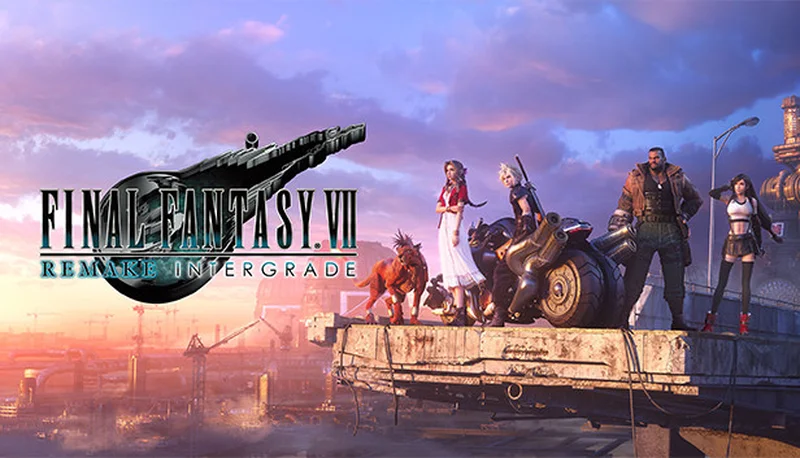 Image: Square Enix via Steam
Five franchises dominate the JRPG conversation, and each one offers something distinct that the others do not.
Final Fantasy is the most recognizable name in JRPGs and the most varied. Sixteen mainline entries, each with different worlds, characters, and combat systems. No two Final Fantasy games play the same way. The franchise has reinvented itself repeatedly across forty years, which means there is a Final Fantasy game for virtually every type of player. The downside is choice paralysis. Sixteen games with no shared continuity is a lot to find your way through without guidance.
Dragon Quest is the franchise that has been the most influential in defining the genre and has stayed remarkably consistent. Where Final Fantasy reinvents, DQ refines. Each entry delivers a hero's journey through a charming, hand-drawn world with turn-based combat and warm humor. The best entry point for newcomers is Dragon Quest XI. It is long, beautiful, and confident in its traditions. The complete Dragon Quest ranking breaks down every mainline entry for readers who want to explore more.
Persona melds turn-based dungeon crawling with social simulation in a way that no other franchise has been able to replicate. You go to school, make friends, and combat supernatural threats. The life sim parts feel like a slice of life anime and the dungeon parts feel like a thriller. The most refined entry is Persona 5 Royal, while the best mystery is in Persona 4 Golden.
If real time battles, strong character writing, and anime style story telling is what you want, the Tales series is for you. The most modern and best entry point is Tales of Arise.
Xenoblade Chronicles has massive, open world environments, a layered combat system, and an astounding operatic story. It dwarfs most open world games in every way. The scope and ambition of the franchise is covered in the ranked pages for every entry in Xenoblade.
Smaller franchises also offer unique experiences outside what The Big Five franchises do. For example, Falcom's Trails series spans an entire continent, creating narratives over a dozen games. In the case of the Ys series, they offer pure, satisfying combat action. Their Atelier series focuses on relationships and crafting. Rather than a world ending the stakes are lower.
These smaller series all have fans who are dedicated to the series and have their personal favorite as the best of the genre. For those fans maybe they're right. The ranking guides linked on this page will help you focus on the major and minor franchises and help you explore outside the obvious starting points.
JRPG differ most significantly in how combat is handled. Understanding the categories will help you identify which games best fits your playstyle.
Understanding JRPG Combat Systems
 Image: Atlus / Sega via Steam
Turn-based combat is the oldest and most traditional form of JRPG combat. Players and enemies take turns selecting actions from a menu. The appeal is the depth of strategy. Without a time constrain players can analyze all the options, measure risks, and develop a of series of actions to implement. The Dragon Quest, Persona, and Bravely Default games are quintessential of this style.
In real-time action combat, players have direct control over a character's movements, attacks, and dodges, and therefore need to have good reflexes as well as a solid plan. Examples of this style include titles in the Ys, Tales series, and the newer Final Fantasy games (FFVI Remake, FFXVI). Action JRPGs draw in gamers looking for the extensive RPG progression system, but also want a more engaging combat system.
In tactical combat, players have control over a grid-based system and need to manage the positioning of their combat units, the surrounding terrain, and the number of turns available. This style of combat is used in Fire Emblem, Tactics Ogre, and Unicorn Overlord. This style appeals to gamers looking for something more brain engaging and enjoyable.
The combat system in a JRPG can include an almost infinite number of systems and combat options in addition to the primary styles. The systems used to perform magic can be vastly different and overly complicated. Rather than focusing on a singular system that limits spells, some games develop complex progression systems that center on the magical ability trees. "The guide to JRPG magic systems" collects and organizes the plethora of ideas creators have used in the genre.
A blending of styles has become the norm in JRPGs, especially those released in the last few years. An example is Final Fantasy VII Remake, which requires real-time positioning and dodging to be successful, but also requires players to input commands. This is a death from the previous method in which games used automated positioning, the management of ability cool-downs, and therefore, auto-attacks. The best games released in the last few years strive to provide players with the ability to create their own strategies through a mixture of turn-based and real-time systems.
When you're thinking about what computer or console role-playing games (also known RPGs) to buy, what are some factors that may influence your decision? Think about old-school RPGs like Dragon Quest, where character movement and combat are turn-based, allowing for a more tactical approach to battles. On the contrary, do you enjoy games that are more fast-paced like and constant battles like Ys IX? When thinking about different battle system and combat preferences, keep in mind that there are RPGs that cater to both play styles and preferences. Each of these RPG guides is categorized to for you to find RPGs based off combat system preferences and collect these games for RPG guides so you don't waste your time and for your benefit.
Do you enjoy classic role-playing games (RPGs)? Do you enjoy modern RPGs? Did you know that there is a growing number of modern adaptations to classic RPGs? Did you know that there are so many classic RPGs that many adaptations to modern technology have been created, resulting in the increased demand for modern adaptations to classic RPGs? The classic RPG Dragon Quest has a newly released title called Dragon Quest VII Reimagined, Bravely Default HD Remaster, The Trails in the Sky Remake, and many and more RPG games of old have been remastered. However, there isn't a question whether you can play the old classic role-playing games (RPGs) in updated new formats. The real question is which RPG's adapted to modern formats should you buy to ensure that you get the best classic RPG gaming experience?
Remakes, Remasters, and the Best Way to Play Classics
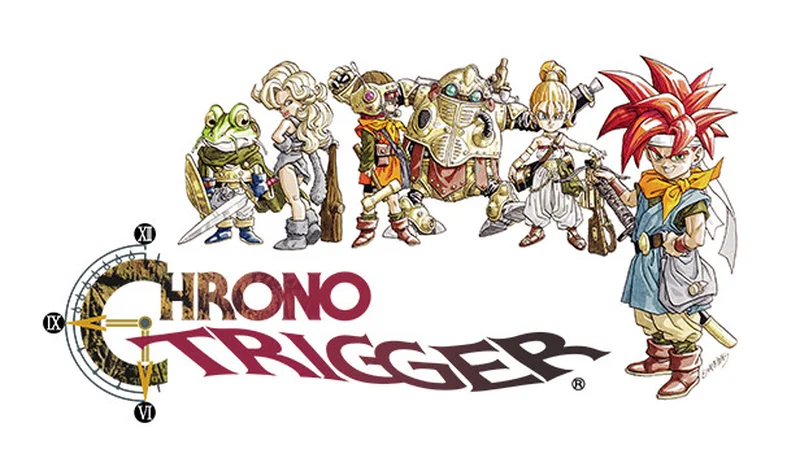 Image: Square Enix via Steam
Several of the remakes that have been released over the years are different from one another. For example, The Final Fantasy Pixel Remaster is a newer version that is said to be a more improved and more enjoyable version of the original and is one of the better remakes of this older RPG. For these reasons, several are better than others so that users can know what to play, and what to avoid and make decisions about which remakes of the old RPGs modern adaptations that are released to the older RPGs to spend that are worth the time and effort to play.
For a player wanting to learn this genre’s history, remakes are the easiest option. One-and done stories, characters, and design innovations, that defined JRPGs, can now be played without the hassle of vintage hardware or the headache of emulation. A teenager in 2026 will be able to play Chrono Trigger, Final Fantasy VI, and Persona 3. With modern quality-of-life improvements, these games will feel contemporary without losing what made them great.
Games such as Triangle Strategy, Live A Live Remake, and Dragon Quest III HD-2D Remake use the new HD-2D art style that Square Enix pioneered with Octopath Traveler. This new art style has its own language for classic JRPG aesthetics on modern-day hardware. With modern art styles they preserve the charm of pixel characters while adding depth, lighting, and environmental details that make games feel modern.
Emulation, while it has variable legal considerations, is also another option for older JRPGS, and dedicated emulation handhelds like the Anbernic RG35XX have made the retro JRPG library portable in a way that would not have been possible five years ago. Official remakes, subscription service libraries, and emulation have made the history of JRPGs accessible like never before.
Classic JRPGs have some of the worst gameplay mechanics you can find in gaming. Yet with some very real exceptions, they have some of the best, if not the best, characters. With 20-30+ hours of gameplay, there better be good characters, or else the player is not going to have fun. All of the major JRPGs, with very few exceptions, have iconic characters. To see why that is look at any of the major JRPGs, or any major JRPG spinoff. See how they tell their stories.
Memorable Characters and Why They Matter
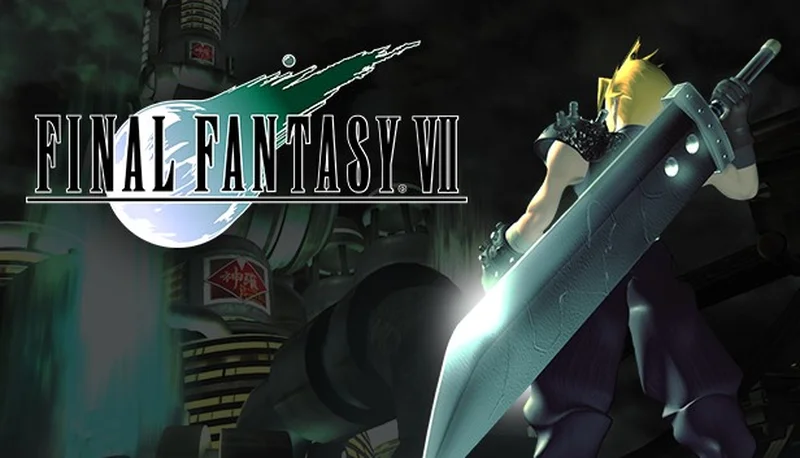 Image: Square Enix via Steam
Taking your time with any major JRPG will give players large character arcs for each of their characters. Small games have little to no time to build these character arcs, and therefore build this player attachment. These games will give you little time to build these small character arcs. This character arc that you are going to build will be the game’s story.
Some notable characters that come to mind are Cloud Strife, Joker, and Shulk. Their voice acting and character designs do help. But the major factor that contributes to their legacies is the payoff of their story.
Great JRPGs have great antagonists. These antagonists are usually what players view as the RPG’s soul. Great antagonist examples are Sephiroth, Luca Blight, and Kefka. These characters are great, and they are not great for their goals. Their goals do not justify their means.
In far more areas than just the visual aspects do character designs in JRPGs play a part in the various aspects like the battle role or personality arc, that the character might play; or even the relationship dynamics that the character might have within the group. Some of the best party members do multiple of these roles all at once. They are combat units that have clear mechanical identities. They are narrative voices that give meaning to a theme of the story. And, they are emotional anchors that give a reason to fight for a cause. If all three of these functions are designed to do just one of these elements mentioned, then you will most likely remember that character long after the game is completed.
The bond that exists between party members is many times equally as important as any one character's story. The JRPG found-family creation is better than any other form of media, and it allows relationship bonds that have been built and earned; after having been witnessed and formed throughout an extensive collection of hours of collaborative efforts. That particular emotional feeling that is created through the experience of surrounding yourself with a collection of fictional characters, and simultaneously being involved in the story for an extended period of time is very unique to JRPGs, and is the leading factor to the extreme loyalty and attachment that audiences develop to these games.
Not all JRPGs have a story and purpose that involves saving the planet from a grand, existential calamity. There is a large sub-genre of cozy JRPGs that offer games that are all about relaxation and include features like crafting, farming, cooking, and even community building. They still give the same joy and satisfaction that comes from progressing the game that is associated with normal JRPGs, but with the combat mechanics that can cause stress, as well as the urgency that are associated with the story.
Cozy JRPGs and the Relaxation Factor
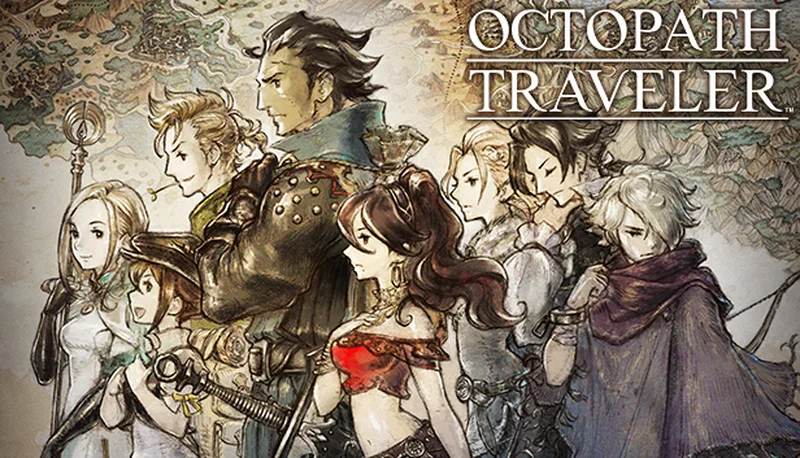 Image: Square Enix via Steam
In cozy JRPGs, player emersion is emphasized through gameplay features like alchemy, item crafting, and relationship building. The Atelier series has led the charge in this style. Rune Factory's unique combination of cozy dungeon crawling and dungeon crawling is a unique combination, while Stardew Valley (also cozy) has a setting and gameplay focus more directly based on American design philosophies. In what is called 'The Great Indie Cozy JRPG Boom', a direct Valley-inspired design philosophy has influence over numerous generation.
For this style of JRPG, JRPGs like the Atelier series have serve this use case well based on their catalog's depth and breadth. Cozy JRPGs support relaxation, whether from the stresses of day-to-day life or from the elimination of high-stakes JRPGs from settings equally apocalyptic.
The relaxation JRPG provided in recent years in growing numbers and in clear recognition of the variety of player preferences. Games fulfilling the unique player desires of blending social gameplay (fostering relationships with NPCs, created through gardening, potion brewing (rather than world-ending narratives and high-stakes plotting) while allowing for exploration of a whimsical, animated world.
What cozy JRPGs have in common with their more high-intensity cousins is the core gameplay loop. You do an activity, you get better at it, you get new options, and you do it all again, but this time with new tools. Whether it be defeating monsters or harvesting crops, the feeling is very similar. The joy you get from the number going up and the collection filling out is the same regardless of whether you’re doing it in a battlefield or in a garden. The cozy JRPGs demonstrate that the appeal in the genre is in the gameplay loops and not the theme of the game.
Plenty of JRPGs are made with the intention of players playing the game long after the credits have rolled. Postgame content isncluding optional bosses, hidden dungeons, challenge modes, and narrative epilogues can double or even triple the time players have spent in the game. Some players say that this is the real game.
Beyond the Main Story: Postgame and Replayability
 Image: Atlus / Sega via Steam
Disgaea, Dragon Quest IX, and Persona 5 Royal are titles that are well known for the extensive postgame. The superbosses that guard the deepest dungeons test your mastery of the combat system in ways the main story never does. The hidden character interactions that only unlock after narrative completion add layers to the story and reward players for their work.
Several endings also represent further player engagement through replaying the game with different choices. Games like Chrono Trigger, Shin Megami Tensei, and Star Ocean have different endings and conclusions. In the Guide to JRPGs with Multiple Endings, the games that give the greatest rewards for second and third playthroughs are listed. Additionally, for players who like to experiment with builds and optimize their equipment, the Guide to JRPG Postgame Content shows the games with the most complex endgame systems.
Another JRPG tradition that gives replay value is New Game Plus modes. These modes allow you to restart the game and carry over your levels and equipment, which is different from other modes that only allow you to carry over weapons. From the Chrono Trigger New Game Plus feature, dozens of other games have adopted this. The endgame equipment from the first playthrough equips you to face the foes the first playthrough concealed, and changes the design details.
For completionists, JRPGs have optional objectives that span hundreds of hours. These activities extend engagement far beyond the credits roll, and for some customers, the most satisfying content are found in the maze of achievement hunting, bestiary completion, equipment collecting, skill mastering, hidden boss discovering. The best games provide the most content for those predicated to finishing the entire game.
Crafting in JRPGs involves more than just forging equipment. The best systems include intricate and deep crafting mechanics that give a sense of satisfaction that rivals combat systems. Different systems include Atelier's alchemy, Star Ocean's item creation, monster Hunter's material farming, and Trails' quartz system. All of these systems give players the ability to customize what their characters use, rather than just relying on what they loot.
Crafting Systems and the Joy of Making Things
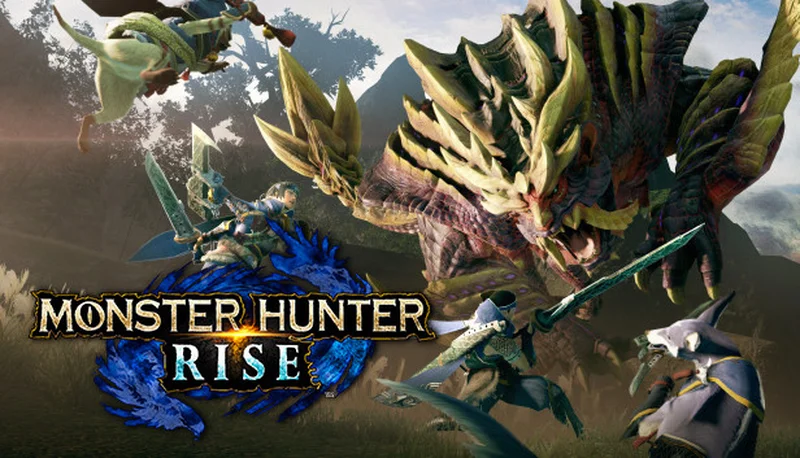 Image: Capcom via Steam
Great JRPG crafting systems integrate with other gameplay elements such as combat and narrative. Crafting should feel essential, which is possible when the system connects the player with the environment as well as the combat system. Exploring dungeons gets you crafting materials, and defeating enemies drops the crafting items you need to tackle the challenges the game presents. Game engagement can last longer than combat encounters, which can grow tedious and familiar.
In particular, JRPG crafting systems are for players who value optimization and enjoy the experimentation associated with those elements. Crafting as a core system gets associated titles the attention they deserve as the other RPG titles divert focus from the strategic aspects.
Loot drop satisfaction is different from crafting satisfaction in many ways. When you create an item, you have ownership that you do not get from randomly generated drops. This ownership creates a sense of agency, meaning that when you defeat a boss, the victory is yours to have. Crafting satisfaction also comes from the hours of material farming that you must do. If your boss fighting reward system is not crafted items, then your crafted item ownership will only satisfy once you are out of loot drops. When crafting satisfaction runs out, farming materials for crafted items will satisfy once you are out of loot drops. When the satisfaction from loot drops and the ownership satisfaction from crafting run out, the victory from defeating a boss using an item you crafted will be yours.
In the contemporary JRPGs, crafting systems have advanced from a process centered around recipe input to a fully fledged creative system. In the Atelier games, players must consider the quality of ingredients, traits, and strategies to optimize multi-step synthesis. In Creature Hunter, players can track their progress by hunting certain monsters since each weapon can be tied to a specific monster. In the Trails series, players can optimize loadouts as a pursuit to make combat more engaging as their quartz system is integrated into combat. It's more rewarding to give players the opportunity to make their own things than to give them things that have already been made.
This page is the starting point to explore the JRPG genre. Each section is linked to a guide which goes into more detail. If there is a specific topic going to that guide is the best choice, otherwise just pick a section that interests you and follow the links.
How to Use This Guide
Each guide is designed to be read on its own. You can pick guides at random. A player interested in crafting systems doesn’t need to read the beginner’s guide. A series fan heading to the Dragon Quest ranking doesn’t need to skip any pages to the magic systems guide. Each guide contributes to a whole and covers the genre from every angle.
I adjust these guides every time new games and updates come out in order to stay on top of evolving trends. If something is missing, or if there is a outdated recommendations, that is on me, and I will gladly update it. My goal is to provide value to the reader and not overwhelm them with unnecessary information. It is easy to see which games I have played based on the recommendations I have provided. I have spent more time researching (playing) these games than the average person because I have been passionate about the genre for more than 20 years.