
Why Party Members Define the JRPG Genre
The outstanding characters that JRPGs consist of are the reason that they are so memorable, even years after the initial playthrough. While the combat system and the story may be interchangeable among the games, the characters are the ones that always stand out, whether they are the ones making jokes during the cutscenes, or you are crying when they leave. They are the ones that are always going to be on your mind. The characters that stand out the most in the JRPG genre, make an impact on the gaming industry as a whole, and this is something that most genres can not do.
With that said, this is not a list of best protagonists, best villains, or best antagonists. This is a compilation of some of the best party members in JRPGs that I think have made the mo0st of the genre's unique storytelling. The interactivity in the long games that give you a chance to play with these characters for around 60 to 100 hours, while also giving you the chance to build intimacy with them, is something that is unique to this genre of games and can not really be found anywhere else.
How This List Works
There are three main criteria when establishing my criteria. One, the character must be a playable main character during their game. So, sorry Sephiroth, Kefka, and Lavos, you're for a different list. Two, the character must have a lasting cultural impact. In simple terms, the character has to be someone the JRPG community talks about, cosplays as, and references multiple times after the game's release. Three, the character must utilize JRPG genre's narrative tools. Things like: long-form character growth, narrative-mechanical integration, party dynamics, and intimacy that comes from games that are 60+ hours long.
I made sure to include a wide array of diversity in different time periods (1995 to 2019), different companies (Square, Atlus, PlatinumGames, Bandai Namco, Falcom), and different character types (protagonist, antagonist, healer, mage, mentor, philosopher, etc.). The rankings are very subjective and I intended every entry to be a 9 or 10 out of 10 character. The numbers are intended to show how influential or representative each character is to the character catalog of the genre rather than how good each character is.
10. Yuri Lowell — Tales of Vesperia DE (2008 / DE: 2019)
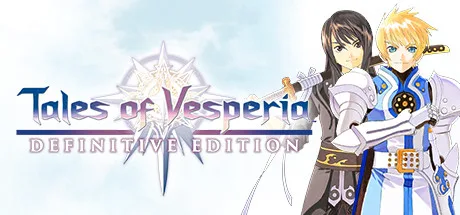
Yuri Lowell is the answer to the question, ''What if a Tales protagonist actually removed someone?'' Most Tales heroes have a very simplistic moral compass. That's bad, and that's good, and the resolution includes a friendship and a big bad final boss battle at the end. Tales of Vesperia begins like that but over time shows that Yuri is willing to perform an execute when the system of justice fails. He removes a fallen council member, and he removes a noble who defends a serial executor. The game makes you do these things and it doesn't give you the option to redeem yourself.
What makes Yuri work is that he is not alone in this. He has party members around him, his best friend Flynn, a knight of the law, is actively engaged in the game in an attempt to justify Yuri's actions and redirect him to the lawful side. The game doesn't solve the problem by making Yuri give up his ways or by making Flynn stop being a knight of the law, it allows them to coexist as 2 people who have fundamentally incompatible conceptions of how to do good in a broken world. Yuri is the proof that JRPGs can do moral complexity at the protagonist level and not just the villain level. Since then, Tales has tried to capture that same energy but has not succeeded.
9. Auron — Final Fantasy X (2001 / HD: 2013)
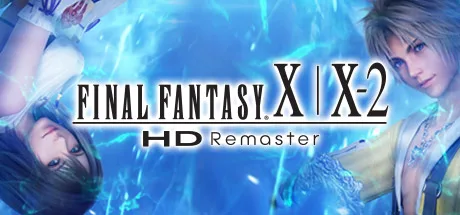
Auron is one of the best mentor characters in the genre. In Final Fantasy X, Auron is introduced as a guardian of the previous pilgrimage. He is older than the rest of the characters, is quiet, and has a weathered look about him. He is also the most secretive character and is very selective about what he decides to tell the party. The writers utilize every possible storytelling tool to make the player know that Auron is the wise, old mentor character.
What makes Auron even more interesting is that the developers build a mystery around Auron and eventually reveal that Auron has been keeping a secret, and that secret changes everything about what he has said throughout the entire game. This revelation not only serves as the ultimate payoff for the mystery surrounding Auron, it also serves to deepen the tragedy of Final Fantasy X. His final moments are some of the most impressive in the entire franchise. At a point in the story, Tidus is finally able to take control of the party and Auron says “This is your story”. This is a classic mentor character moment. Most JRPG mentor characters die early in the game to allow the protagonist to grow. Auron is able to live long enough to truly mentor, which is something that does not happen nearly as often as it should.
8. Estelle Bright — Trails in the Sky FC (2004 / Steam: 2014)
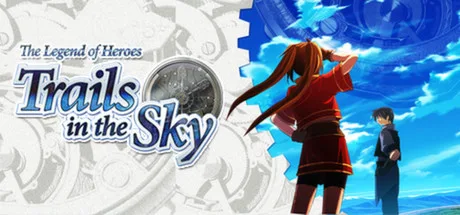
Estelle Bright is a central character in the Trails series, one of the longest running JRPG sagas. It has a total of twelve mainline games with spans of twenty real world years, twenty years of in-universe game time, and takes place on three different continents. Estelle is also the sol protagonist of the Trails in the Sky FC and SC games, and her characterisation is the basis for the rest of the Trails series, which has been described as “politically dense, character driven, emotionally generous, and slow to start."
As a game party member, Estelle is a very positive character and serves as a foils in a game that is very negative to growing optimism in institutions. The universe of Trails has many incompetent governments, corrupt nobles, and shadowy conspiracies. Despite the overwhelming negativity, Estelle demonstrates neutral optimism and keeps moving. By Trails in the Sky SC, Estelle really shows off all the traits of a developed character. Young Bracers with mature moral conviction and clarity. No matter the rest of the cast, they all trust her to get the job done. She isn't a character that has a huge responsibility, but one that is expected of her. Despite having been a franchise for twenty years, many Trails fans still return to Estelle as the emotional centre.
7. Velvet Crowe — Tales of Berseria (2016)
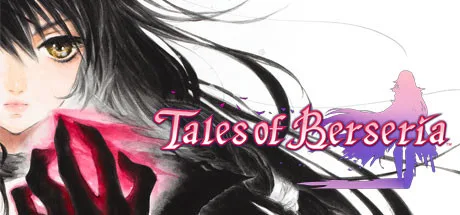
Velvet Crowe is the best example of a JRPG anti-hero to date and is the strongest protagonist the Tales series has had to offer. At the start of Tales of Berseria, she is a bystander to a gruesome ritual sacrifice that her younger brother is a victim of, and she is powerless to intervene because she is still a child and the villagers are using their suspicious authority to dictate the actions of the community and place the sacrifice in what they believe to be the correct cult ritual. At the start of the game, she awakens as a survivor, a being that consumes other daemons, and she spends the entirety of the game systematically destroying the lives of every person who was involved in her brother's sacrifice.
Velvet is a unique character and her motivation and actions are not softened as the game progresses. She is not given a moment of reflection where she thinks of the consequences of her actions. She does not make amends with her enemies and in fact does the opposite. She carries out her revenge to the fullest extent. Most Tales series anti-heroes are given a redeeming story arc but in Velvet's case, she has no such thing. She walks off the edge fully aware of her decision and the player simply has to support her. This is a unique story in this genre.
6. 2B (YoRHa No.2 Type B) — NieR: Automata (2017)
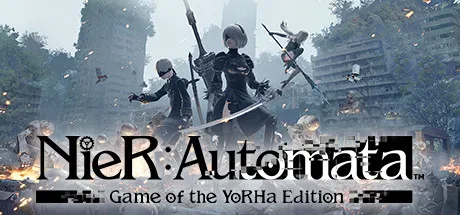
2B is what would happen if a JRPG character was designed by a writer seriously engaging with philosophy. She shouldn’t work as a long-form character – she’s an unfeeling military android, equipped to combat an endless war against her own kind on a post-apocalyptic Earth with no humanity. No emotive growth arcs or anything like that. The game begins with her removing her own partner – it’s a regulatory thing.
But the game, like, really wants to change that. It goes to some astonishing lengths, both mechanically and narratively, to start giving her some inner life. Combat as characterization is a bold move, but it works here (and for 2B in particular). She pauses, she moves differently, she responds differently to her comrades, and their dialogue. The structure mandates (and incentivizes) multiple playthroughs from different narrative points, and each one of those is designed to help the player strip back some of 2B’s blank, military, face and reveal what’s going on underneath. The culmination of all of that is that she ends up being one of the most well-realized characters in the genre, and it’s that philosophical legacy of asking the player about consciousness, purpose, and action without hope that keeps NieR: Automata relevant to the cultural conversation a decade after it was released.
5. Joker (Ren Amamiya) — Persona 5 Royal (2019 / Royal: 2020)
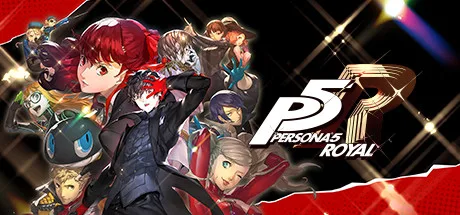
Joker holds the title of main character in Persona 5 Royal and sets the standard for modern JRPG protagonists. Like Cloud, he's designed to be iconic — the leader of Phantom Thieves, masked figure in promotional art, second-most-popular Smash Bros. DLC character. Like Cloud, he's a quiet teen facing way too much: wrongful imprisonment, parent issues, and a one-way ticket to the creepy coffee shop run by a man who tries too hard to be friendly.
The brilliance of Joker as a member of the party stems from the social-sim aspect. Most JRPG protagonists are centered around battles and story cutscenes. Joker is based on who the player ends up hanging out with more during the evening because most of the action is like a dating sim. Each relationship with a character, whether it be Ryuji, Ann, Yusuke, or Makoto, or even the new characters added in Royal changes what kind of person Joker becomes by the end of the story. As the game progresses, Joker will not be a bland character with stat boosts. Through the small choices of the player, Joker will be set apart from the rest of the JRPG protagonists. This is the JRPG genre's greatest trait, the ability to create a character through the small interactions rather than through grandiose moments.
4. Aerith Gainsborough — Final Fantasy VII (1997 / Remake: 2020)
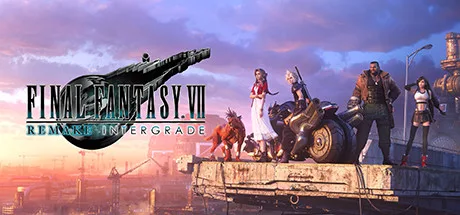
No other character in gaming history felt like they could be as important as Aerith Gainsborough. In the history of JRPGs, which have been very story-driven until that point, it was assumed that the characters in the story that were important would never leave the party, because the other characters in the party are not important to the story. Until the original Final Fantasy 7 game, the assumption was that critically important characters like Aerith would never leave. Then in the middle of the disk, it breaks the story and breaks the game in a stunner moment. She never comes back. She doesn't die, and there are no resurrection quests, and there are no resurrection characters added in a patch to play in a new game plus. She leaves the game, and the rest of the party has to continue the game without her because she is gone.
Aerith is more than just a death scene. She is a flower seller who has quiet strength to stand up to organized crime and ask questions that other players have about the main protagonist, Cloud, and then she just disappears and leaves a gaping void in the party because the players know she is a powerful character. The developers of the Remake and Rebirth have changed Aerith so that she is once again at the emotional center of the party because they know that the players have been emotionally traumatized by Aerith for 25 years, and this makes her one of the most powerful characters in the history of video games.
3. Magus — Chrono Trigger (1995)
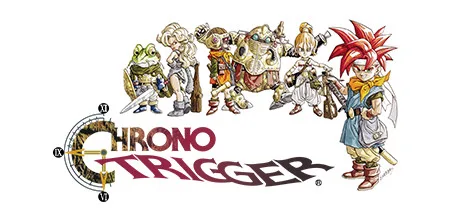
Magus shows that the villain-to-ally trope can be executed in JRPGs without feeling like a cheap narrative turn. At the beginning of Chrono Trigger, he serves as the main antagonist — a powerful sorcerer who is leading an army to fight against the human kingdoms in 600 AD. You battle him at his castle. He nearly takes you out. Later, the game shifts focus to his story, creating an internal tragedy that no longer offers a strong moral justification for his actions, or the work he has done.
Bringing him in the party is optional, but many players do this. However, the game does not let the previous ‘hostile’ actions of Magus change with his new status. The rest of the characters in the game have a long history of distrust, which is reflected in their dialogue. The feeling of watching him fight is also distinct from the rest of the party because he was the danger. Magus is unique in that he has not character development. He does not say he is sorry. He does not change his primary beliefs. The only thing that changes is his recognition that the war he was participating in was the wrong one — and the new one was worse. Most JRPGs have shied away from that kind of honesty.
2. Vivi Ornitier — Final Fantasy IX (2000)
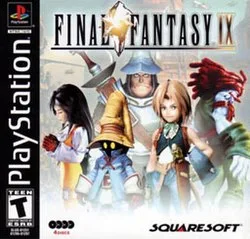
In fan polls for the most adored JRPG character, Vivi Ornitier, stands on top of the list. He is characterized as a black mage in Final Fantasy IX. His design is a tribute to the black mage class featured in some of the earliest Final Fantasy games. His character model has a pointy hat, a face that has glowing eyes (and is also invisible). The character model has no visible features, a face that is concealed, and in the final scene of the game he is seen to be departing and also gets a huge emotional farewell. The game is an average of 60 hours, and depicts this character as a game class avatar, but then you slowly uncover that this is a character that has much more to offer. In this game, the character Vivi has to deal with some of the hardest existential dilemmas that any of the final fantasy characters have had to deal with. He has a set purpose, he was born to fight a war, and he is expected to die after 1 year of service, but no one truly knows why he exists or what the purpose of his fight is.
The game does not exploit his existential dread for cheap emotional effect. His story arc ending is one of the most crushing, devastating, and disheartening in the entire JRPG genre. The ending of his story arc is a fantastic culmination to the character that the game has built up, and when that moment is reached it is likely to be one of the biggest surprises to most players. Most players will shortly realize that Vivi is the center and strength of the argument in favor of the genre being more than a power fantasy. The entire genre of JRPGs wants to be more than just games centered around combat and leveling up, and because of Vivi, we realize that this genre can be something more.
1. Cloud Strife — Final Fantasy VII (1997 / Remake: 2020)
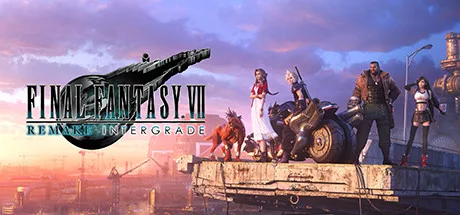
Cloud Strife is the face of JRPG protagonists. In the original Final Fantasy 7, he is introduced as a brooding unemotional mercenary that wields a ridiculously oversized sword and is living in some kind of fantasy world. However, players soon learn that Cloud is not a true member of SOLDIER and is a fraud in both the memories he claims to have and his experiences. The story of Cloud and these unique character choices made by Square Enix are so revolutionary that all reluctant hero JRPG protagonists that came after FF7 are caricatures of Cloud Strife.
The Remake and Rebirth games are fundamentally about re-examining Cloud Strife from a contemporary lens, as we have spent 25 years critiquing and analyzing his character. Cloud is cognizant of the fact that he is a video game character, and has to grapple with that. Many younger players will be introduced to Cloud as a character for the first time, and older players will be able to witness how he has reacted to so much of the fan base's interpretations over the years. Every JRPG protagonist that has been released since Final Fantasy 7 has either strived to meet the lukewarm brooding mercenary standard set by Cloud or to distinguish themselves against the Cloud Strife character model.
Honorable Mentions: Characters That Almost Made It
The list has only ten names, but the JRPG genre has produced countless potential party members, only cut for limitations. Here are a few near misses.
Tifa Lockhart from Final Fantasy VII is the supportive protagonist who has half the emotional load of the original game and got an even better treatment in the Remake. Tidus from Final Fantasy X, whose “this is my story” framing remains one of the genre’s most intentional uses of unreliable narration, makes the cut. Even better, Zidane Tribal from Final Fantasy IX slips through as a thief with depth that far outmatches Cloud’s brooding from the surface. Edgar Roni Figaro from Final Fantasy VI is the King who runs his desert kingdom while also being a Returner sympathizer. Crono Trigger’s Chrono is a silent protagonist but his animation and the party’s reactions somehow create an overwhelming amount of personality. Finally, for the Ys series, Adol Christin is the one redheaded protagonist with twenty games worth of adventures, and astonishingly, he never outgrows his appeal.
Now looking at the modern lineup: Ramza Beoulve from Final Fantasy Tactics, Yu Narukami from Persona 4, Edelgard from Fire Emblem Three Houses, Rean Schwarzer from Trails of Cold Steel, Rita Mordio from Tales of Vesperia, Frey from Forspoken, and Dunban from Xenoblade Chronicles. Each of them could easily fill this list. The fact that they are not included simply shows that the genre is producing wonderful characters at an alarming rate, outpacing the ability of any single article to rank them.
Where to Meet These Characters Yourself
Having great party members is what makes JRPGs feel special. In an action game, you are given control. In a strategy game, you're given systems to utilize. JRPGs give you a small band of companions for sixty hours. And, most importantly, players grow attached to these companions, and some stay with you for decades after the game is done. This gives a sense of nostalgia for players with JRPGs and is the reasoning behind why new JRPGs are constantly coming out with new characters.
JRPGs are all about unique characters and great stories. Our best JRPGs for beginners list showcases some of the best JRPGs to start off with. For Persona 5 Royal you will get to meet Joker and the Phantom Thieves. In Dragon Quest XI S, you will get to meet the characters Erik, Veronica, and Serena. Once you complete the first JRPG, the rest of the genre will be open to you. For all the characters mentioned, you can find a ton of more JRPGs like the complete Dragon Quest franchise ranking and our ultimate JRPG guide. The list of characters in the last forty years of JRPGs can be compared to the best literary works in the history of the medium. Each game in our list is a book that contains a myriad of characters and stories waiting for you.