
This comprehensive 2026 ranking covers the postgame content that every good JRPG must have to distinguish itself from the rest of the title's in the genre. While the main story may take over sixty hours to complete, the truly outstanding games grant the unparalleled experience of additional challenges, sometimes even exceeding one hundred hours. These challenges include: superbosses that may take the perfect party composition to beat? And hidden dungeons that may require you to rethink the entire story? Additionally, don't forget to check out the new Game+ modes that give the same story new perceptions. These games have led the redefining charge of what postgame content actually means in the world of JRPGs.

Here, in this list, lie the ten JRPGs that have earned their postgame content the highest regard of the series fanbase. With Final Fantasy X taking the crown, where the most extreme endgame Square has produced, the Dark Aeons and Penance await. Persona 5 Royal also stands out, the latest edition with an entire third semester that deepens what is already considered to be one of the best postgame content pieces in the genre. Not to be outdone, Xenoblade Chronicles 2 is one of the now few games that has a New Game+ and 100 additional hours worth of side quests. As such, each title was assessed on a set of three criteria: postgame challenge depth, narrative payoff, and most importantly, total time investment.

If you are a completionist of JRPGs, look no further than the games elaborated upon here. These are the games where the player has the best time, not just playing the game prior to finishing the credits. In fact, this is one of the titles where playing past the credits is almost a victory lap, or at the very least a start to many more hours of play to come. The games featured on this list typically provide at least 100 hours of optional content to each player.

How We Ranked the Best JRPG Postgame Content

Our editor's curated methodology measures JRPG post game content needs three key areas to be established. First and foremost is the mechanical depth. A post game content that challenges the player to comprehend and master the combat system is ideal. For instance in Final Fantasy X, players need to master the Sphere Grid, make use of certain status anomalies, and perfect their counter-attack and summon timing in order to best the dark aeons. Yiazmat in Final Fantasy XII is arguably the hardest battle in gaming, and the best part is that it is a single combat encounter lasting 50 hours. This battle will test your gambit programming and your ability to manage your resources. The best post game content is the one that rewards the players for learning the combat system, and not for additional grinding to level up their characters.

Almost as important is the narrative payoff. In the original version of Persona 5, the story ends on a pretty cliche note. However, the new, additional, semester, and especially the new final boss is a game changer. It causes a complete philosophical breakdown of the story. New Game+ of Chrono Trigger also has 13 different endings and the final boss of the game is one of the best reward. The best post game content has meaning. Its existence is not solely defined by the number of battles that you have fought.

The final key element is the player investment. A really great post game will reward the players for the hours of gaming that have gone into the game. Meaningful milestones will be set instead of mindless, unending in the run to the finish combat. In the Wheel of Harma trials of Dragon Quest XI, players can clearly see a separate set of 5 challenges in each tier of increasing difficulty. In Bravely Default gaining mastery of all the jobs is a clearly defined goal that players can see in order to give them measurable progress. For a complete overview of the JRPG genre, see our ultimate JRPG guide. It details the history of the genre and how it has led to the development of these philosophies. Read our ultimate JRPG guide for the full primer.

10. Pokémon Black 2 / White 2 (2012)
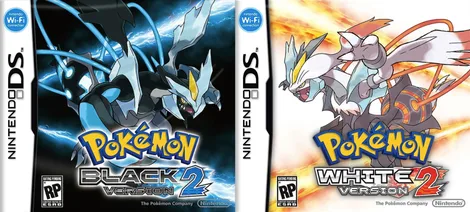
Pokémon Black 2 / White 2 cover art
Pokémon Black 2 / White 2 box art
PWT + BLACK TOWER
★★★★☆8.4/10
GamePokémon Black 2 / White 2
Year2012
DeveloperGame Freak
PlatformDS · 3DS · Wii U Virtual Console
SubgenreMonster-Collector JRPG · Postgame Tower
StatusAvailable · ranked above
8.4
The only direct sequels in the core Pokemon franchise are Pokemon Black 2 and White 2 which came out in 2012. They provided players with the most extensive post-game content at the time, and set the bar for future installments. With the PWT, players could battle Brock, Cynthia, Lance, and Brad from Black and White and other champions from other Pokemon generations. Players would battle other players in elimination tournaments which tested their team building skills versus other players in thousands of matches. Managing your items and resources in the Black Tower and White Treehollow was a game in and of itself with steam restoration items only available between the 10-floors that you had to fight trainers on.

The rest of the post-game story content has features that the franchise has not done again. The Unova region has the Hidden Grottoes that have pkmn with Hidden Abilities. These Grottoes required players to explore. Players who used Memory Link from the original Black and White were able to unlock special cutscenes that provided just the extra character development that some players were looking for. The social hub at the end of the game was another first for Pokemon, and it provided the players a lot of freedom to develop and customize their own town. The impressive content from this 2012 DS game extends to 2026 giving it the bottomest of the bottom placements on this list.

9. Tales of Symphonia (2003)
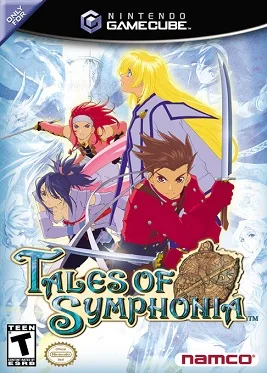
Tales of Symphonia cover art
Tales of Symphonia box art
NIFLHEIM + ABYSSION
★★★★☆8.6/10
GameTales of Symphonia
Year2003
DeveloperNamco Tales Studio
PlatformGameCube · PS2 · PS3 · PC · Switch
SubgenreAction JRPG · 100% Completion
StatusAvailable · ranked above
8.6
In 2003 Tales Symphonia made its way to Gamecube as an entry in the Tales Series by Namco. As some of the first 3D RPGs during its time, some completionists found the postgame content satisfactory enough to go for completionist runs as part of their JRPG collection. One such postgame area, Niflheim, features 50 floors with each one becoming more difficult than the one that came before it. In order to win, you must have a perfect party composition as well as the right cooking to achieve the result you want and a good grasp of the battle system. Once you reach the bottom you encounter the final superboss in the game, Abyssion, who happens to be the strongest in all of the Tales Series. He comes with his own equipment requirements that you have to fulfill by obtaining the Devil's Arms from the Devil's Arms questline, which you have to complete the majority of the main story for.

Many players found the completionist route just as satisfying as going for Niflheim. The game tracks every achievement from mastered cooking recipes to collecting every Devil's Arms to being a fan of all the optional cutscenes. Most completionists play Tales of Symphonia more than once, and sometimes even multiple times because some of the JRPGs character endings have mutually exclusive requirements. Depending on which endings you complete, players may find missing skits and ending cut-scenes. The game was re-released on Switch and PS3 with minor updates that made the game a tad easier to navigate. For fans of Symphonia, the postgame and its superboss are why the game is worth revisiting every few years to scratch that completionists itch. Tales Symphonia is a prime example of a game that leads players into its most desirable postgame content.

8. Chrono Trigger (1995)
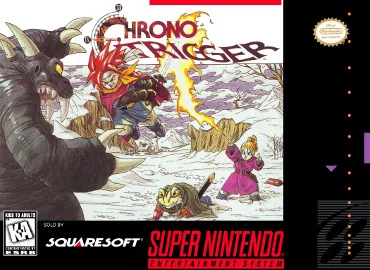
Chrono Trigger cover art
Chrono Trigger box art
13 ENDINGS + NEW GAME+
★★★★★9.3/10
GameChrono Trigger
Year1995
DeveloperSquare
PlatformSNES · DS · iOS · Switch · PC
SubgenreTime-Travel JRPG · Multiple Endings
StatusAvailable · ranked above
9.3
In 1995, Chrono Trigger was released, and considered a trailblazer for innovative postgame content within the realm of SNES gaming. One of the unique features was the New Game Plus option that allowed players to then keep characters, equipment, and Tech abilities to challenge Lavos at any point in the story. Additionally, players could unlock 1 of 13 endings by defeating Lavos at different points in the story, ranging from the good canonical ending to alternate timelines where the characters never meet, Magus takes over for Crono, or a timeline where the Reptite civilization survives alongside humanity.

Chrono Trigger was the first JRPG to pave the way for the multiple endings systems seen later in games like the Persona series and Tactics Ogre. With the Remastered DS version of Chrono Trigger, the developers added two new postgame dungeons to tie the story into Chrono Cross. However, the thirteen endings system is still the most unique and influential postgame content. Every postgame content from games like Final Fantasy or Tales has relied heavily on the systems the developers of Chrono Trigger created, and that will still persist with the Pixel Remaster version that is slated for 2026.

7. Octopath Traveler II (2023)
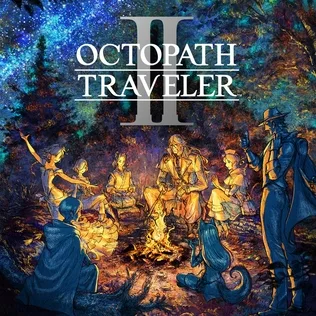
Octopath Traveler II cover art
Octopath Traveler II box art
GALDERA TIER + VIDE
★★★★☆8.7/10
GameOctopath Traveler II
Year2023
DeveloperSquare Enix · Acquire
PlatformPS5 · PS4 · PC · Switch
SubgenreHD-2D JRPG · Hidden Final Boss
StatusAvailable · ranked above
8.7
For every title on the Octopath Traveler II release date, this one is the most limited when it comes to calling the implementation of the technology and artistry involved with creating the suitably characterized and independently developed RPGs. After finishing each of the pagination of stories involving the various characters, along with finishing the additional optional crossover chapter, and the optional crossover chapter, you earn the postgame bonus of the Galdera tier. What you receive is the ability to engage in multi-party combat where you would need to select 8 characters and divide them into 4 characters, and 4 characters, in order to engage in combat with 4 powerful optional bosses. The most dominant and powerful of them is the hidden optional final boss Vide. She is the archetypical superboss because of the requirements of certain class licenses, creating the correct Path Action arrangement, dominance of breaks and boosts, and the ability to endure and fight through a battle that lasts 60 minutes or longer.

Restraint is the postgame design philosophy. Octopath II doesn't pad the runtime with infinite grinding; the postgame is an intense and focused gauntlet of escalating combat challenges that test out the majority of the underlying mechanics of the game. Combined with the ability to think creatively to solve Path Action puzzles outside of combat, the optional second class licenses dramatically expanded the build customizations. By having 8 characters, they were all able to provide post-campaign challenges that can all strategically make or break the outcome of an encounter with the boss. From the postgame, we can draw the impressive evidence that we can crown Octopath Traveler II because it also provides the best evidence in support of the various combinations of classes compartmentalized into distinct roles one of the best contemporary combat systems in the genre. Our best JRPG magic systems guide examines the legacy of the licensed class system, and we include the broader lineage of the system here.

6. Bravely Default (2012)
Bravely Default cover art
Bravely Default box art
ALL-JOBS MASTERY + OUROBOROS
★★★★☆8.8/10
GameBravely Default
Year2012
DeveloperSquare Enix
Platform3DS · iOS · Switch (BD2)
SubgenreModern Job-Class JRPG
StatusAvailable · ranked above
8.8
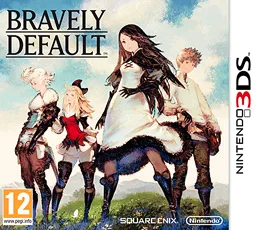
The 2012 release of Bravely Default for 3DS came with one of the deepest postgame systems of the time for the genre with a focus on mastering jobs. There are 24 jobs available in the campaign, and the main story unlocks all of the jobs, but mastering each of them requires extensive play after the main story. Each job has 14 levels, and mastering all 24 jobs for each of the 4 party members is a 100 hour plus task, creating lots of new build configurations. Having access to multiple mastered jobs and their skills makes the Brave default mechanic way more interesting.

The postgame also has the Ouroboros fight, which is a true ending battle and is broken down into multiple stages. It definitely changes the way you look at the main quest and has some job-specific requirements to beat as well. In order to achieve the true ending, you’re going to have to engage with the side content of the Eternia Council and make job-specific choices in the different chapters of the cycle. Bravely Default 2 on Switch and the sequel Bravely Second improved on the postgame format but kept the 3DS postgame structure. For fans of the franchise, the postgame shows the job-class formula at its best. A true ending and a mastery grind combined is what made the postgame an example of what a postgame experience should look like in the entire gaming genre.

5. Dragon Quest XI S: Echoes of an Elusive Age (2017)
Dragon Quest XI S: Echoes of an Elusive Age cover art
Dragon Quest XI S: Echoes of an Elusive Age box art
WHEEL OF HARMA + DRACONIAN
★★★★★9.1/10
GameDragon Quest XI S: Echoes of an Elusive Age
Year2017
DeveloperSquare Enix
PlatformPS4 · PC · Switch · Xbox · 3DS (orig)
SubgenreClassic Turn-Based JRPG
StatusAvailable · ranked above
9.1
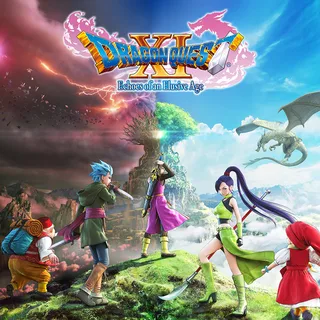
The Switch port of Dragon Quest XI S: Echoes of an Elusive Age (2017) added postgame activities that almost doubled the length of the original PS4 campaign. One of these activities is the Wheel of Harma, which consists of postgame trials that are divided into five tiers. Each tier implements restrictions such as sudden-death, items, and magic. Successfully completing all five trials of the Wheel of Harma requires you to master several game mechanics such as Pep, accessor crafting, and battle rotations, and be prepared to fight for thirty minutes in each of the highest-tier trials.

The Definitive Edition also added a new mode called Draconian Quests, which you can activate during a fresh New Game+ playthrough. With the Draconian Quests mode, players have the option to apply difficulty modifiers such as stronger monsters, no shopping, and even party wipes if your lead character dies, making for a punishing experience. In addition to the new mode, the Definitive Edition also allows players to experience the entire campaign in 2D mode as a second playthrough option. For the generous addition of the Switch postgame content, Dragon Quest XI S is included in this year's Game Awards. The combination of the Wheel of Harma, Draconian Quests, and the 2D mode alone offers hundreds of completionist hours.

4. Final Fantasy XII: The Zodiac Age (2017)
Final Fantasy XII: The Zodiac Age cover art
Final Fantasy XII: The Zodiac Age box art
HUNT CLUB + YIAZMAT 50H
★★★★★9.2/10
GameFinal Fantasy XII: The Zodiac Age
Year2017
DeveloperSquare Enix
PlatformPS4 · PC · Switch · Xbox
SubgenreOpen-World JRPG · Superboss Hunt
StatusAvailable · ranked above
9.2
Zodiac Age is a 2017 remaster of Final Fantasy XII from 2006. One of the hardest challenges we see in all of JRPG history is the Hunt Club. This is a post-game superboss challenge. Hunt Club is a guild system where players take contracts to hunt down Evicerator-level Espers, who are scattered across Ivalice. Each contract needs a special strategy, down to the equipment and set-up on the License Board. After all that preparation, players can trigger the time-consuming battle. One of the last bosses in the game, Yiazmat, is a dragon with 50 million health points that has been documented to take 3-5 real hours of play time to slay.

The Hunt Club challenge is not the only challenge in the game. With the remaster, a new challenge called Trial Mode was added. This is a 100 stage challenge where each stage has a party composition or environmental challenge. In the last stage, Trial Mode mixes it up by having players take on an enemy set that requires full command over the Quickening system. Trial Mode and Yiazmat challenge the end game and combine to give Zodiak Age the prestigious honorable mention that it has. The post game challenges in the game give value to the time players put in. The system set up in Hunt Club as well as the gambit system rewards the players who put in the work and treat the game as a puzzle, instead of running the post-game content multiple times.

3. Xenoblade Chronicles 2 (2017)
Xenoblade Chronicles 2 cover art
Xenoblade Chronicles 2 box art
NG+ + 100 SIDEQUESTS + DLC
★★★★★9.3/10
GameXenoblade Chronicles 2
Year2017
DeveloperMonolith Soft
PlatformSwitch
SubgenreOpen-World JRPG · Massive Postgame
StatusAvailable · ranked above
9.3
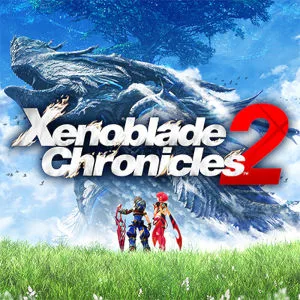
Xenoblade Chronicles 2 came out in 2017 for Switch and features probably the most ambitious side content of any modern JRPG. With the main story clocking in at about seventy hours and side content that adds another sixty to a hundred hours depending on any given player’s completion goals, this game is MASSIVE. In the world of Alrest, there are over a hundred side quests that include everything from fetch quests to multi-chapter character development storylines that involve both party members and even random NPCs. Not to mention optional cutscenes in certain locations called Heart-to-Hearts that provide hours of content.

Xenoblade Chronicles 2 has a post-game that features a New Game Plus mode, which introduces new Rare Blades that can’t be obtained in the first playthrough. Some of these blades include Elma from Xenoblade Chronicles X and crossover postgame additions like Shulk and Fiora from the original Xenoblade Chronicles. Also the expansion titled Torna ~ The Golden Country added a standalone postgame campaign that’s a prequel to the main story and has its own unique combat system. This postgame content is a campaign that by itself adds about twenty hours. Overall, the postgame content for Xenoblade Chronicles 2 and the Torna expansion exceeds the playtime of a lot of standalone JRPGs. For more information, check out our complete Xenoblade ranking for the context in the franchise. No other modern JRPG can offer the scale, quality, and narrative integration of postgame content that Xenoblade 2 can. This is why it earned such a high spot in our ranking.

2. Persona 5 Royal (2019)
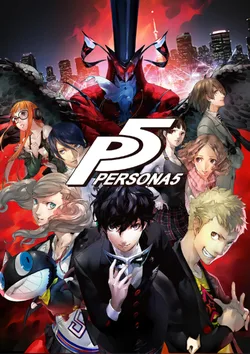
Persona 5 Royal cover art
Persona 5 Royal box art
MARUKI PALACE + WILL SEEKERS
★★★★★9.6/10
GamePersona 5 Royal
Year2019
DeveloperAtlus
PlatformPS4 · PS5 · PC · Switch · Xbox
SubgenreModern JRPG · Third Semester Expansion
StatusAvailable · ranked above
9.6
Persona 5 Royal came out in 2019 with new content and a new story for the original game's postgame. This third semester changes the way we view postgames in the genre by being massively important in the narrative of the game and in JRPG's overall. The third semester starts after the final palace and the new antagonist we have to contend with is Takuto Maruki. In order to get to the Maruki palace, players have to spend at least 8-12 focused hours to finish the entire dungeon, as it is one of the bigger ones in the series.

The postgame has a few more optional big bosses that require a lot of mastery in the systems to beat. The bosses of the Will Seekers are each themed after a Confidant, and mastering the Social Links is a must if you ever want to have a shot at beating them. Finally, the Velvet Room opens up for the Twin Warden bosses and if you want a true endgame test of the system, then look no further. The third semester is worth the 2nd overall spot because it offers what no postgame content ever gives us. An entire new chapter full of story and meaning, in addition to all of the gameplay mechanics and challenges you have come to expect. Maruki's confrontation is the icing on the cake and even elevates original game's themes to new levels for the series.

1. Final Fantasy X (2001)
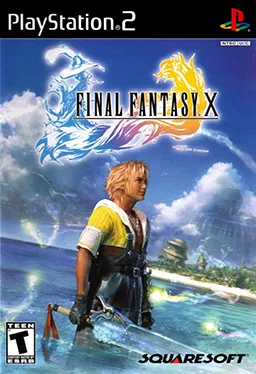
Final Fantasy X cover art
Final Fantasy X box art
DARK AEONS + PENANCE + MONSTER ARENA
★★★★★9.7/10
GameFinal Fantasy X
Year2001
DeveloperSquare
PlatformPS2 · PS3 · PS4 · PC · Switch · Xbox
SubgenreDefinitive JRPG Postgame
StatusAvailable · ranked above
9.7
Final Fantasy X was released in 2001 and continues to be held as the benchmark in the genre for all JRPGs on how to do postgame content 25 years later. The postgame content includes the Monster Arena, a complete monster collection and capture center for every enemy in the game, and unlocks specific superboss battles designed to challenge the player’s mastery over Sphere Grid customization, summoning strategy, and status effect timing. Each monster capture category has its own unique boss with unique mechanics which require the player to strategize and manage resources to come up with a viable party composition to defeat the boss. Dark Aeons and Penance are the zenith of superbosses in the game. The seven Dark Aeons are the evil counterparts to the game’s seven story summons and are set up as overworld roaming superbosses. Each of the Dark Aeons has the capacity to completely wipe the party with a single attack. If a player manages to defeat all 7 Dark Aeons, they are rewarded with the opportunity to challenge the Penance superboss. The Penance superboss requires the player to have maximized Sphere Grids crafted weapons and armor as well as mastered the timing strategy of auto-life to defeat Penance. The Dark Aeons and Penance superbosses were originally exclusive to the International and PAL versions of the game until the HD Remaster brought them accessible to all players in 2014. For all of these reasons, Final Fantasy X stands above the rest, and continues to set a benchmark for all JRPGs for postgame content with respect for player mastery and the level of detail put into worldbuilding, narrative, and Spira designed to be fully integrated.

The JRPG Postgame Renaissance Continues

The commonality between the ten chosen games — featured in our JRPG magic systems and cozy JRPGs sister rankings — is the philosophy that the ending credits are not the conclusion to the journey, but rather they indicate the beginning of a challenge. The best postgame content for JRPGs that requires the most player engagement provides them with the opportunity to achieve something meaningful, rather than requiring them to engage in repetitive tasks endlessly, and the existence of the postgame content is justified by the addition of either true depth from gameplay mechanics, a narrative conclusion, or the addition of both. The Dark Aeons from Final Fantasy X are the best example because they check off all three boxes: they offer a challenge to Master the game, they offer a challenge with a narrative contribution to the world of Spira, and they offer challenges with clear, incremental, and progressive goals to achieve. As a JRPG completionist postgame, your options are clear. Begin with Final Fantasy X since it set the standard for the genre. Then Persona 5 Royal for the most modern addition of another full story chapter. Then Xenoblade Chronicles 2 for the most unstructured and highest quantity of optional things. Then Chrono Trigger for the game that invented the New Game Plus feature. Then Octopath Traveler II for the best modern HD-2D game. The remaining entries will satisfy your need for having the most in-demand postgame mechanics once you've figured out what specific postgame mechanics you appreciate most. For the best context, check out our JRPG Magic Systems guide for the best systems that outline the combat fundamentals. The best Cozy JRPGs guide addresses the relaxing subgenre that is the opposite of the demanding postgame focus of this list.