
The first few turns of a Tactics Ogre battle are uneventful. Wizards and Clerics are empty on Mana and must jog in place or throw potions. Heavy melee classes can't reach the enemy on turn one, or turn two, or sometimes even three. The battlefield is quiet, units slowly closing distance across elevation tiles while archers lob speculative shots from hilltops. Then someone dies. Not a dramatic death — just a miscalculation, a flanked unit that took two hits instead of one, a Cleric who couldn't heal in time. And suddenly every subsequent turn matters desperately. That slow buildup is Tactics Ogre's design philosophy: patience rewarded with consequence.
The Tarot System and Class Depth
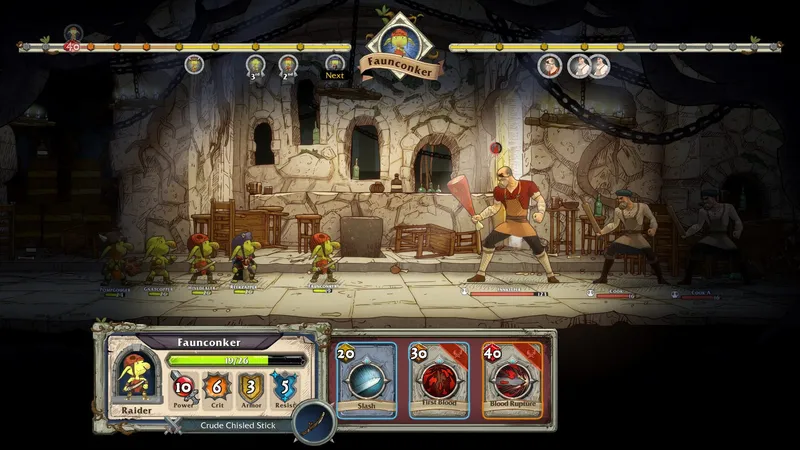
Classes in Tactics Ogre aren't just stat templates. A Knight isn't interchangeable with a Berserker even though both swing swords — the Knight absorbs damage and protects adjacent allies, while the Berserker trades defense for devastating counterattacks. Archers dominate elevation advantages. Wizards need three turns of mana accumulation before they can contribute, but when they do, area spells reshape the battlefield. The Tarot card system adds another layer: cards dropped by fallen units provide temporary buffs that reward aggressive positioning. Every class has a role, every role has a counter, and the slow pace ensures you feel every decision. Recruiting enemy units mid-battle — persuading a wounded Knight to switch sides — is one of the most satisfying mechanics in tactical RPGs.
The Story: Where Every Choice Stains Your Hands
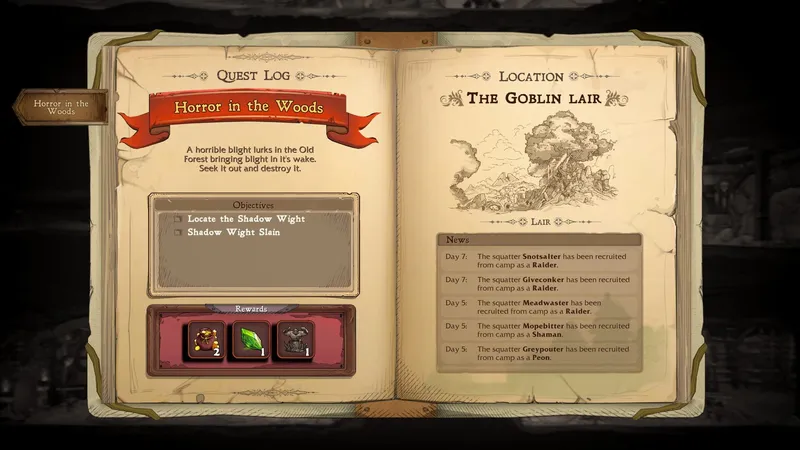
Matsuno wrote Tactics Ogre as a war story where nobody wins cleanly. The branching narrative asks you to make decisions that don't have right answers — only different kinds of wrong. Order a massacre to unite your people through shared guilt, or refuse and watch your allies fracture? The game doesn't judge your choice. It shows you the consequences and lets the weight settle. Characters you recruited might leave. Allies become enemies. The "victory" ending feels less like triumph and more like surviving something terrible. If Final Fantasy Tactics asks what power corrupts, Tactics Ogre asks what it costs to resist corruption — and whether resistance is even possible when the system itself is broken.
The Reborn Remake: Streamlined but Divisive
Tactics Ogre: Reborn (2022) overhauled the PSP version with full voice acting, rebalanced combat, AI improvements, and a controversial unit-level system that replaced the original's class-level progression. Purists hate the change — it means grinding individual units rather than entire classes. The AI improvements are genuine, though: enemies flank intelligently, focus healers, and retreat when wounded. The voice acting ranges from excellent (Denam, Catiua) to serviceable (minor NPCs), and the reorchestrated soundtrack by Hitoshi Sakimoto is gorgeous. Play Reborn if you want the most accessible version. Play the PSP original if you want the class-level system that the community considers superior.
The CHARIOT System: Time Travel for the Indecisive
The PSP version introduced the CHARIOT system — the ability to rewind turns mid-battle. Lost a unit to an unlucky critical? Rewind three turns and reposition. Missed a critical spell timing? Go back and try again. It sounds like it would trivialize the combat, and for some players it does. But for me, CHARIOT transformed Tactics Ogre from "save-scum every bad outcome" to "experiment freely and learn from mistakes." The system acknowledges what tactical RPG players actually do — reload saves when things go wrong — and integrates it as a mechanic rather than pretending players don't do it. Reborn kept CHARIOT and it remains the best quality-of-life feature in the genre. Every tactical RPG should steal this idea.
The World Tarot: Why Replay Matters
After completing the game, the World Tarot system lets you jump to any story branching point and take the other path without starting over. This is how Tactics Ogre handles its multiple routes — not through New Game Plus, but through a narrative time machine that lets you see what would have happened if you'd made different choices. The feature is brilliant because it respects the player's time while preserving the weight of initial choices. Your first playthrough's decisions still feel heavy because you experienced them in the moment. The World Tarot just lets you see the road not taken afterward, and discovering that the other path was equally terrible — that there was no "good" choice, only different kinds of compromise — is Matsuno's final thematic statement. In a game about the impossibility of clean hands in war, the World Tarot proves it by showing you that every alternative leads to different victims, not fewer ones.
The Soundtrack: Hitoshi Sakimoto's Battlefield Requiem
Hitoshi Sakimoto composed the Tactics Ogre soundtrack, and it's as much a character as Denam or Catiua. The battle themes carry a weight that matches the moral gravity of the decisions you're making — not heroic fanfares but somber, determined marches that sound like funeral processions with swords drawn. The recruitment theme, which plays when enemy units join your cause, manages to be both triumphant and melancholy — you've gained an ally, but only because you killed everyone they were fighting alongside. The Reborn re-orchestration elevates the score with full orchestral arrangements, and the result is one of the finest tactical RPG soundtracks ever recorded. Sakimoto would later compose Final Fantasy XII and Valkyria Chronicles, both excellent scores, but Tactics Ogre remains his most emotionally devastating work.
The Verdict: Slow, Painful, and Unforgettable
Tactics Ogre already sits near my heart, and it pierces it a second later with an arrow and the premature pain of "victory." The battles start slow and end devastating. The story offers choices that haunt rather than reward. The class system has depth that reveals itself across hundreds of hours of replays. It's not a game that makes you feel powerful — it's a game that makes you feel complicit, and that distinction is what separates Matsuno's work from every tactical RPG that followed. Play it on PSP or as Reborn on Steam. Either way, the slow turns will test your patience and the story will test your conscience.
All images are official screenshots from their respective publishers. Updated March 31, 2026.
1 Comment
Good review. I never played many tactical RPGs until PS2 and beyond. I'd usually say I didn't have time to put 100 hours into a game only to later realize I was wrong about that.
Comments are closed.