
JRPGs have a reputation for colorful heroes, friendship speeches, and power-of-love finales. That reputation is earned — most of them do exactly that, and it works. But the genre's darkest corners go places that Western RPGs rarely touch: religious deconstruction, systemic corruption presented without solutions, cannibalism as metaphor, and endings where nobody wins. These aren't games that are dark for shock value. They're games that use darkness to say something true about power, belief, and what people do to survive. Eight JRPGs with stories that stay with you for the wrong reasons — in the best way.
Shin Megami Tensei III: Nocturne (2003 / HD 2021)
Nocturne opens with the end of the world. Not a metaphor — Tokyo is physically inverted inside-out in an event called the Conception, killing every human except you. A parasitic demon merges with your body, transforming you into the Demi-fiend — half-human, half-demon, the only being capable of choosing what comes next. The Vortex World that remains is a desert of ruins populated by demons, philosophical factions, and former friends who've each decided what the new world should look like. Your job isn't to save the old world. It's to pick a philosophy and impose it on reality.
What makes Nocturne dark isn't the post-apocalypse — it's the options. Every alignment path asks you to endorse a worldview that sacrifices something fundamental. Shijima wants order at the cost of individuality. Musubi wants isolation at the cost of connection. Yosuga wants power at the cost of compassion. And the True Demon ending — the one where you side with Lucifer against God — leads to an eternal war that rejects all human meaning entirely. Nocturne doesn't give you a "good" ending. It gives you six flavors of moral compromise and makes you pick one. The Press Turn combat punishes mistakes with death, and the atmosphere is lonelier than any RPG I've played.
Final Fantasy Tactics (1997) — Power Corrupts Everything
Yasumi Matsuno wrote Final Fantasy Tactics as a story about two friends destroyed by class warfare — and then wrapped it in a conspiracy where the church manipulates a civil war to resurrect demons using magical stones. Ramza, the noble who rejects his privilege, fights the real threat and is erased from history. Delita, the commoner who plays the political game, becomes king and gets the credit. The game opens by telling you that the official history is a lie and that Ramza's story was buried. Then it makes you play through sixty hours of watching how truth gets murdered by institutions.
The darkness in FFT isn't demons or violence — it's systems. The aristocracy uses commoners as cannon fodder. The church weaponizes faith for political control. Delita manipulates everyone, including the people who trust him, because he learned that sincerity is a weakness in a corrupt world. Ramza does the right thing at every turn and gets nothing for it — no recognition, no statue, no legacy. FFT is the most cynical game in the Final Fantasy franchise, and Matsuno never flinches from showing you what power does to the people who seek it and the people who oppose it.
Tactics Ogre: Reborn (1995 / 2022)
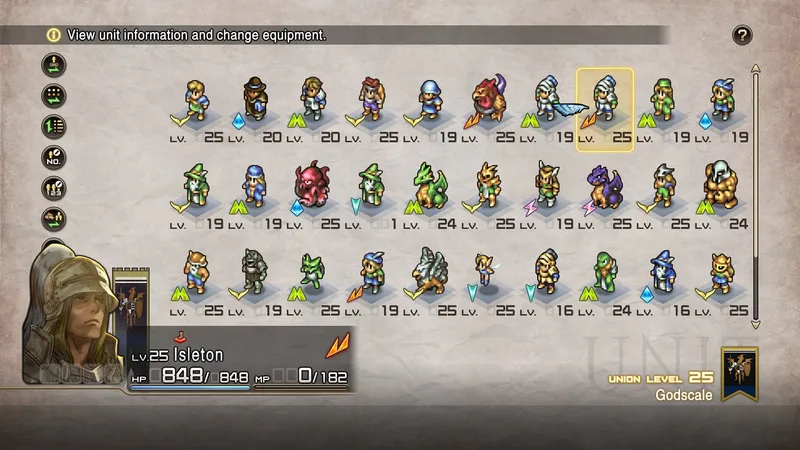
If Final Fantasy Tactics asks "what does power corrupt?", Tactics Ogre asks "what would you do to win a war?" Denam Pavel is a resistance fighter in an ethnic conflict between three nations, and early in the game you're given a choice that defines everything: massacre a town full of your own people to frame the enemy and rally public support for your cause, or refuse and watch your rebellion crumble. Neither option is presented as correct. Both have consequences that ripple through the remaining forty hours. The game has branching routes based on these moral decisions, and every path leads somewhere ugly.
The Reborn remaster (2022) rebuilt the combat and added quality-of-life features, but the story is untouched — and it didn't need changing. Tactics Ogre treats war as a machine that grinds down everyone who participates, regardless of their intentions. Characters you trust will betray you. Characters who seem evil will have legitimate grievances. The "best" ending still requires compromise that feels like failure. It's the most morally serious tactical RPG ever made, and it earns that weight by refusing to give you a clean conscience.
Digital Devil Saga (2004-2005) — Eat or Be Eaten

Digital Devil Saga's premise is this: six tribes in a post-apocalyptic wasteland called the Junkyard are suddenly transformed into demons with an uncontrollable hunger for human flesh. The only way to grow stronger is to devour your enemies — not just defeat them, consume them. If you don't eat, you go insane. The game makes cannibalism a core mechanic: devouring enemies in combat grants you ability points for new skills. It's an Atlus game, so the combat is excellent, but the context turns every battle into something viscerally uncomfortable.
The duology's second game, Digital Devil Saga 2, expands the story into something genuinely philosophical — Hindu mythology, the nature of consciousness, whether identity survives transformation — but the first game's raw brutality is what makes DDS unforgettable. Serph's tribe, the Embryon, trying to maintain their humanity while being forced to eat people to survive. The quiet horror of party members discussing what their enemies tasted. The reveal of what the Junkyard actually is. Atlus has made darker individual moments (Persona 3's January, SMT IV's Apocalypse), but no Atlus game sustains its darkness as relentlessly as Digital Devil Saga.
Tales of Berseria (2016) — Revenge Without Redemption
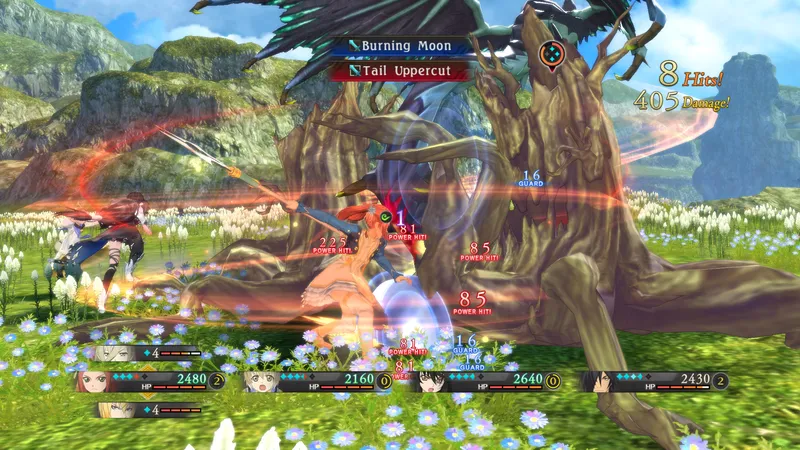
Berseria is the darkest game in the Tales franchise by a significant margin. Velvet Crowe isn't a hero — she's a prisoner who ate a demon, broke out of jail, and is hunting down the man who murdered her brother and used his sacrifice to become a messiah figure. The villain, Artorius, genuinely believes he's saving the world by suppressing human emotion. The game never fully disagrees with him. Velvet's rage is justified, but the game doesn't pretend that rage-fueled vengeance is heroic. It just shows you what it costs.
The party — a pirate, a demon swordfighter, a witch, and a child malak who doesn't understand why everyone is fighting — are all broken people using each other for temporary advantage. Nobody trusts anyone. Alliances are transactional. Magilou's comedy masks genuine nihilism. Eizen's curse is slowly killing him. And Laphicet, the child, is the moral center of a story that keeps testing whether innocence can survive in a world run by people who've decided that feeling nothing is better than feeling pain. Berseria's ending is bittersweet in the truest sense — something is lost that can't be recovered, and the game lets you sit with that.
Xenogears (1998) — God Is the Final Boss (and That's Not the Dark Part)
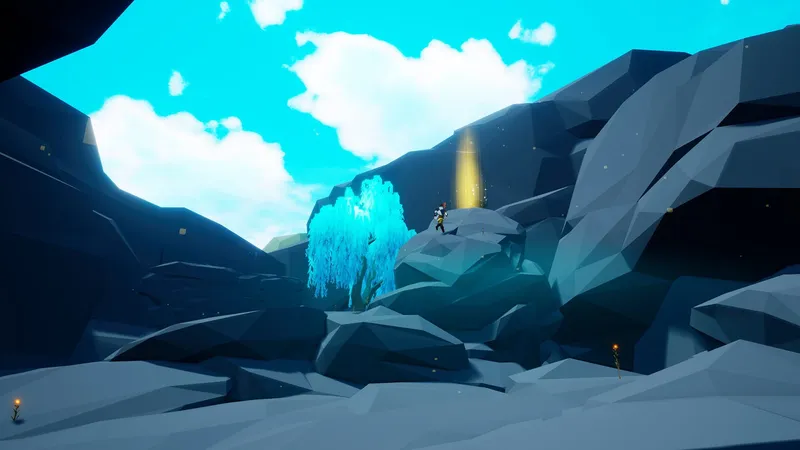
Xenogears is a game where the protagonist has dissociative identity disorder caused by childhood trauma so severe that his psyche fractured into three separate personalities — one of which committed genocide. The church is a front for an alien parasite that's been manipulating human evolution for ten thousand years to turn humanity into biological fuel for a planet-sized weapon. The "god" you fight at the end isn't divine — it's a broken machine running corrupted code, and the religion built around it is a control mechanism designed to keep people compliant until they're consumed.
Tetsuya Takahashi crammed more dark ideas into Xenogears than most studios put into an entire franchise: Soylent Green-style food supply, child experimentation, government-sanctioned ethnic cleansing, and a love story that spans reincarnation cycles where one incarnation always dies. The unfinished second disc means some of these themes are delivered through narration rather than gameplay, but the ideas land regardless. Xenogears doesn't just go dark — it goes so far into religious and psychological deconstruction that it makes Final Fantasy's crystal-based theology look like a bedtime story.
Drakengard 3 (2013) — Yoko Taro's Cruelest Game
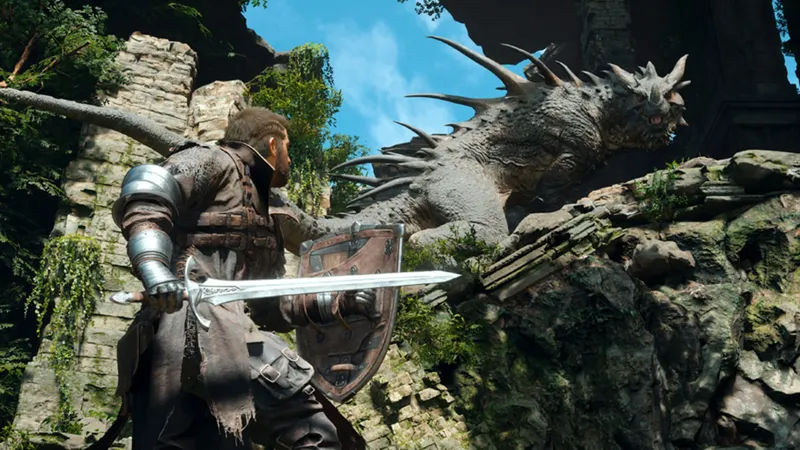
Before NieR, before Automata, Yoko Taro made Drakengard — a series where the "heroes" are worse than the villains, where every ending is a different flavor of catastrophe, and where the tone oscillates between pitch-black comedy and genuine horror. Drakengard 3 is the most concentrated dose of Taro's sensibility: Zero, the protagonist, is trying to murder her five sisters (the Intoners) because their goddess-like powers will eventually destroy the world. She's vulgar, violent, and completely aware that she's the monster in her own story.
The game is mechanically rough — the combat is repetitive, the frame rate on PS3 is criminal, and the final boss is a rhythm game that's been cited as one of the most frustrating sequences in gaming history. But the story goes places that NieR wouldn't dare: body horror, weaponized sexuality, characters who are conscious of being trapped in a game with multiple timelines, and an ending (Branch D) that directly leads to the first NieR game's apocalypse. Drakengard 3 is Yoko Taro at his most unfiltered — a game that actively punishes you for playing it, and means it.
Vagrant Story (2000) — The Interrogation Chamber
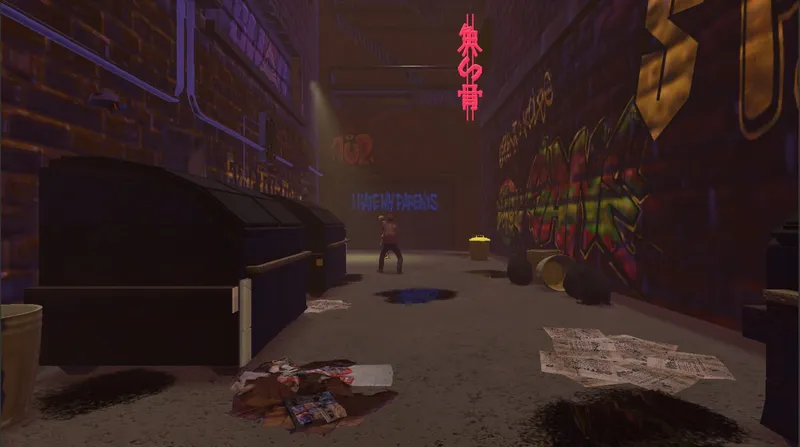
Vagrant Story takes place over a single night in Leá Monde — a cursed, abandoned city where the dead don't stay dead and the walls remember everything that happened within them. Ashley Riot is a Riskbreaker (elite agent) sent to retrieve a cult leader, but the game is really about memory, manipulation, and whether you can trust anything your own mind tells you. Matsuno's script treats every conversation as an interrogation — characters constantly test each other, withhold information, and reframe events to serve their own agenda.
The darkness in Vagrant Story is atmospheric rather than visceral. Leá Monde is a city built on centuries of suffering — torture chambers, plague pits, catacombs where the architecture itself is made from human remains. The story reveals that Ashley's memories may have been fabricated, that the mission he's on serves interests he doesn't understand, and that the "power" he's been absorbing from the city is changing him into something he can't control. It's a political thriller wrapped in a dungeon crawler, and the final revelation about who Ashley really is turns the entire game inside out. Twenty-six years later, nothing in JRPGs feels quite like walking through Leá Monde at night.
What Makes "Dark" Work in JRPGs
The difference between a dark game and a try-hard edgy one is earned context. Nocturne's moral horror works because the combat is punishing enough to make every choice feel consequential. FFT's political cynicism works because you spend sixty hours watching good people get crushed by systems they can't change. Berseria's revenge works because the villain has a point and the game doesn't hide that from you. Darkness in JRPGs isn't about blood or shock — it's about putting you in a world where the rules are rigged and asking what you'd do about it. These eight games asked. I'm still thinking about the answer.
All images are official screenshots from their respective publishers and developers. Published March 28, 2026.