
The JRPG remake wave has been generous. Final Fantasy VII got a trilogy. Dragon Quest III got the HD-2D treatment. Star Ocean 2 came back looking better than anyone expected. But for every game that gets a second life, a dozen more sit in licensing purgatory, trapped on dead hardware, waiting for a publisher to remember they exist. These are eight JRPGs that deserve full remakes — not ports, not remasters with smoothed textures and a "classic" label. Actual remakes that bring them to modern audiences the way FF7 Remake brought Midgar back. I've played all of them on their original hardware. They deserve better than emulation.
Xenogears (1998) — The Greatest Game Ever Half-Finished
Xenogears is the most frustrating masterpiece in JRPG history. Disc 1 is a forty-hour epic — giant mech combat, a plot that weaves religion, psychology, and political conspiracy into something genuinely ambitious, and a cast led by Fei Fong Wong whose identity crisis drives one of the genre's most complex character arcs. Then Disc 2 happens. Budget ran out. The second half of the game is mostly characters sitting in chairs narrating plot points that should have been playable, with occasional boss fights between the exposition dumps.
A Xenogears remake wouldn't just be a visual upgrade — it would be a chance to finish the game. Give Disc 2 the full gameplay treatment it was denied in 1998. Let players actually walk through Solaris, fight through the Merkabah, experience the Zohar reveal in real-time instead of through a character monologue. The story is already there. Tetsuya Takahashi wrote it all — they just couldn't build it. Square Enix owns the IP. The demand exists. The tragedy is that it probably never happens because Takahashi is at Monolith Soft making Xenoblade now, and nobody else at Square understands what Xenogears was trying to be.
Vagrant Story (2000) — Matsuno's Other Masterpiece
Yasumi Matsuno made Final Fantasy Tactics and then immediately made Vagrant Story — a dungeon-crawling action RPG set in the same Ivalice universe, with a weapon crafting system so deep that most players bounced off it before understanding what it was doing. You don't level up in Vagrant Story. You craft. Every weapon has elemental affinities, enemy-type bonuses, and material properties that interact in ways the game barely explains. Using a sword against dragons makes it better against dragons and worse against everything else. It's a system that demands commitment, and the PS1 couldn't display enough information to make it intuitive.
A modern remake could fix that with proper UI — tooltips, visual affinity charts, crafting previews that show you what combining two weapons will produce before you commit. The story — Ashley Riot infiltrating a cult-held city in a single night, unraveling political conspiracy and memory manipulation — is Matsuno at his most confident. Twenty-five years later, nothing plays like Vagrant Story. A remake with modern action combat and readable crafting menus would turn a cult classic into a mainstream hit.
Shadow Hearts: Covenant (2004) — The PS2's Best-Kept Secret
Shadow Hearts: Covenant is set in an alternate World War I where demons are real, a vampire wrestler is in your party, and the combat system revolves around a spinning ring where you have to hit timed zones to execute attacks. The Judgment Ring is one of the most original combat mechanics ever designed — every action, from basic attacks to item use to magic, requires physical timing skill. It turns turn-based combat into something that feels active without abandoning strategic party management.
The tone is what makes Shadow Hearts impossible to replicate: it's simultaneously a horror game, a comedy, a political thriller, and a love story. Yuri Hyuga — a harmonixer who fuses with demons — is one of the most underrated JRPG protagonists ever written. The series died because Midway (the publisher) went bankrupt and the IP vanished into a rights-ownership black hole. A remake would need someone to untangle that legal mess first. But if they did, Covenant has everything a modern audience wants: style, substance, and a combat system that no one has successfully copied in twenty-two years.
Chrono Cross (1999) — The Remake the Remaster Wasn't
The Radical Dreamers Edition remaster in 2022 was a disappointment — upscaled backgrounds, a few quality-of-life toggles, and frame rate issues that the PS1 original didn't have. Chrono Cross deserves more than that. It deserves the full remake treatment: rebuilt environments that capture the Caribbean-tropical beauty of El Nido, a combat system with modern pacing (the original's stamina system is clever but slow), and — critically — a story presentation that helps players understand what the game is actually about.
Because Chrono Cross's biggest problem isn't quality — it's communication. The parallel-worlds plot, the forty-five recruitable characters (most underdeveloped), and the Chrono Trigger connections that the game deliberately obscures all combine to create a game that's easy to admire and hard to follow. A remake could trim the roster to twenty meaningful characters, expand the Dead Sea and Chronopolis sequences, and let the themes of fate, identity, and ecological collapse land with the weight they deserve. The soundtrack — Yasunori Mitsuda's finest work, and that's saying something — wouldn't need to change a note.
Breath of Fire III (1997) — Capcom's Abandoned Child
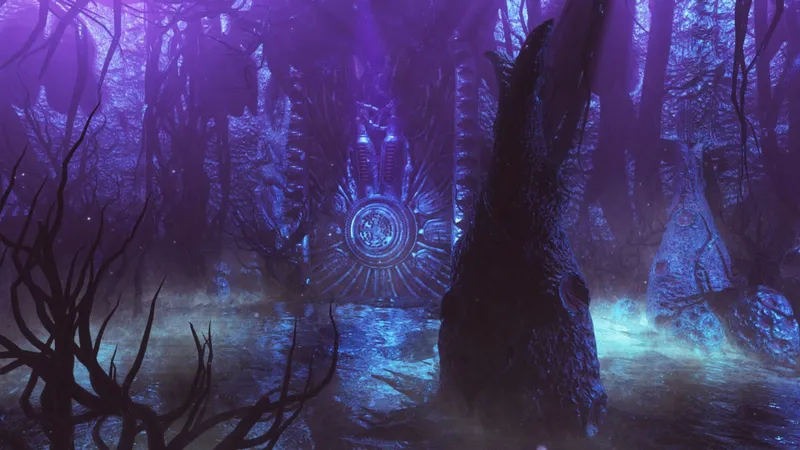
Capcom killed Breath of Fire so quietly that most fans didn't notice until it was too late. Dragon Quarter (2002) was a radical reinvention that alienated the fanbase. Breath of Fire 6 (2016) was a mobile game that nobody asked for. And the series that gave us BoF3 — a game where you literally grow up from a child to an adult mid-story, with a dragon gene-splicing system that let you fuse transformation forms — has been dormant since.
BoF3's structure is what makes it special. The first half is a coming-of-age story — Ryu as a child, exploring the world with friends, learning to control his dragon powers. Then the game time-skips, your party grows up, and the tone shifts from adventure to existential questioning. The desert crossing sequence — hours of walking through empty sand with dwindling supplies — is either brilliant or miserable depending on your tolerance, but it's unforgettable either way. A remake could smooth the pacing, rebuild the dragon gene system with modern visual feedback, and give Capcom a franchise worth reviving. They won't. But they should.
Skies of Arcadia (2000) — The Dreamcast's Last Gift
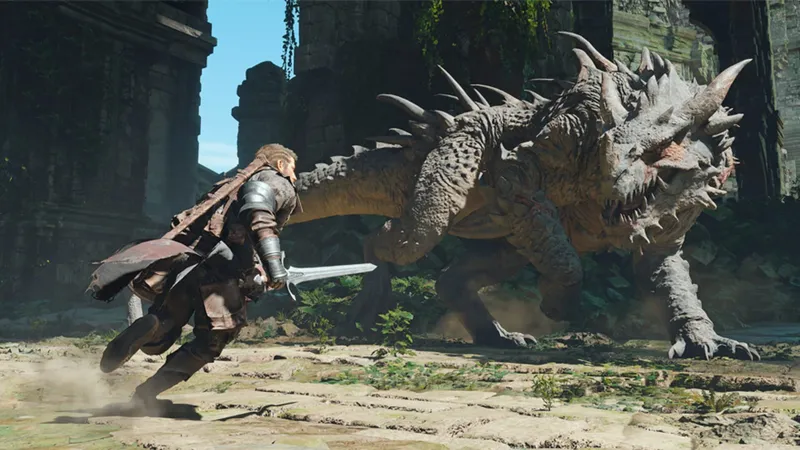
Skies of Arcadia is the most joyful JRPG ever made. Vyse is a sky pirate who wants to explore the world. Aika is his best friend who's along for the adventure. Fina is the mysterious girl from the Silver Civilization. The plot is straightforward — collect magical Moon Crystals, fight an evil empire, discover new continents — and the game executes it with an enthusiasm that makes every discovery feel like a gift. Finding new landmarks and reporting them to the Sailors' Guild. Building your own pirate island base. Ship-to-ship combat against rival crews. Skies of Arcadia makes exploration feel heroic in a way that modern open-world games, with their map markers and waypoints, have forgotten how to do.
The Dreamcast version is the purest experience; the GameCube Legends port added content but compressed the music. Neither version is easily accessible in 2026 without emulation or expensive used copies. A full remake — modern graphics, orchestral soundtrack, ship combat with real-time elements — would be an instant classic. Sega has shown zero interest. The fanbase has never stopped asking. Someday.
Parasite Eve (1998) — Square's Horror RPG That Time Forgot
Parasite Eve is a survival-horror JRPG set in New York City during Christmas, where NYPD officer Aya Brea fights mitochondria-mutated creatures in an opera house, a museum, a hospital, and the Statue of Liberty. The premise alone deserves a remake. The combat — real-time movement with ATB-timed attacks and Parasite Energy abilities — was ahead of its time, blending RPG progression with survival horror resource management in ways that Resident Evil wouldn't attempt until RE4.
The 3rd Birthday (2010) killed the franchise by turning Aya into someone unrecognizable, but the original Parasite Eve's DNA is perfect for a modern comeback. A remake with RE Engine-quality visuals, a snow-covered Manhattan rendered at the level of detail that modern hardware allows, and Aya Brea restored to her original characterization — competent, professional, human — would fill a gap in the market that nothing else currently occupies: a cinematic JRPG that's also genuinely scary. Square Enix trademarked "Parasite Eve" again in 2024. Maybe they're thinking about it. They should be.
Wild Arms 3 (2002) — The Western JRPG Nobody Continued
The Wild Arms series is the only JRPG franchise set in a Western — cowboys, desert towns, train robberies, and six-shooters — and Wild Arms 3 is the peak. Four playable characters, each with their own ARM (gun), navigating a dying planet called Filgaia through puzzle-filled dungeons and a turn-based combat system built around Force Points that build during battle and unlock powerful abilities. The cel-shaded art style aged better than most PS2 games, and the soundtrack — Michiko Naruke's whistling themes and acoustic guitar — is one of the genre's most distinctive.
Wild Arms died after the fifth entry (2006) because Sony stopped funding niche JRPG development on PlayStation. The IP sits with Sony, untouched, while the audience for stylish turn-based JRPGs has never been larger. A Wild Arms 3 remake with modern cel-shading (think Guilty Gear Strive's renderer applied to a turn-based RPG), expanded puzzle dungeons, and Naruke's soundtrack re-recorded with live instruments would be the western-themed JRPG that nobody else is making. Because nobody else ever has.
The Pattern: It's Always Rights and Money
Every game on this list shares the same problem: the people who made them either left the company, the company went bankrupt, or the IP holder doesn't believe a remake would sell. Xenogears? Takahashi's at Monolith Soft. Shadow Hearts? Rights are lost in Midway's dissolution. Skies of Arcadia? Sega won't fund it. Parasite Eve? Square sat on it for fifteen years. The talent exists. The demand exists. The willingness to invest doesn't — not when Final Fantasy and Dragon Quest remakes are guaranteed money.
But every now and then, something breaks through. Nobody expected Star Ocean 2 to get the HD-2D treatment. Nobody expected Live A Live to leave Japan. The JRPG remake wave isn't over. If even one game on this list gets announced, this article will have been worth writing. And if none of them do — at least you know they existed, and they were brilliant. Play them however you can.
All images are official screenshots from their respective publishers and developers. Published March 27, 2026.