
Menu-based combat has its place. I wrote an entire article about the best turn-based JRPGs and meant every word. But sometimes you don't want to think. Sometimes you want to mash buttons, dodge through a boss's attack pattern by muscle memory, and chain a 47-hit combo that sends enemies ragdolling across the screen. Action JRPGs scratch that itch — the RPG progression of leveling up, building a party, and watching numbers go up, combined with combat where your reflexes matter as much as your stats.
This list focuses on games where the real-time combat IS the experience. Not hybrid systems, not ATB gauges that pause when you breathe — pure action where you control every swing, dodge, and spell in real time. Some of these are button mashers that reward pattern recognition. Others are technical masterpieces that rival character action games. All twelve prove that JRPGs can be adrenaline-pumping without sacrificing the story and progression that define the genre. Updated March 2026.
For platform-specific JRPG guides, see PS5, Switch, Steam, Xbox, PS4, PS2, PS1, SNES, PSP, GBA, DS, 3DS, and Vita. The JRPG tier list ranks games cross-platform, and the best RPGs of all time covers the genre's peaks.
12. Dragon Star Varnir
Compile Heart doesn't make action JRPGs — they make turn-based games with elaborate combat gimmicks. Dragon Star Varnir breaks that pattern. The three-tier aerial battle system means you're managing combat across ground, mid-air, and sky positions simultaneously. It's more strategic than most action JRPGs on this list, but the real-time positioning and the rush of diving between layers to intercept a dragon's attack gives it an action feel that pure menu combat never achieves. The story about witches who must eat dragon flesh to survive is darker than anything Compile Heart usually attempts, and the branching paths based on which characters you choose to save or sacrifice add genuine weight to every encounter.
Source: Compile Heart / Idea Factory via Steam
11. Ni no Kuni II: Revenant Kingdom
Level-5 ditched the familiar system from the first game and went full action for the sequel. Evan's combat is fast and flashy — sword combos, ranged magic, and the Higgledies (little elemental spirits that provide support) create a chaotic battlefield that's more fun than it has any right to be. The kingdom building mode adds a strategy layer that most action JRPGs don't bother with. Build your kingdom, recruit citizens with unique skills, and fund research that unlocks new abilities. It's lighter than the first Ni no Kuni in story, but the action combat and kingdom management loop kept me playing long after the credits rolled. The Prince's Edition DLC is worth it for the post-game dungeon alone.
Source: Level-5 / Bandai Namco via Steam
10. Xenoblade Chronicles: Definitive Edition
Xenoblade's combat is an MMO in single-player clothing. Auto-attacks, cooldown-based Arts, chain attacks, positioning for bonus damage — it sounds complicated because it is. But once the system clicks (around hour 8-10 for most people), there's nothing else like it. Shulk's Monado visions — seeing the future and acting to prevent it — turn every major battle into a puzzle where timing and party management are everything. The combat carried me through 80 hours, but the real reason to play is the story. Shulk's journey across the body of a fallen god is one of the most imaginative settings in JRPG history. The Definitive Edition adds "Future Connected," an epilogue that sets up Xenoblade 2. Covered this on my Switch list for good reason.
Source: Monolith Soft / Nintendo via Steam
9. Star Ocean: The Divine Force
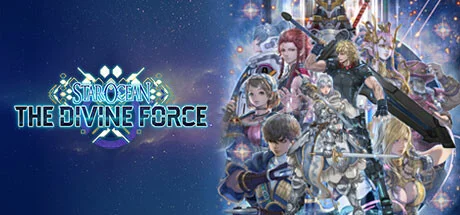
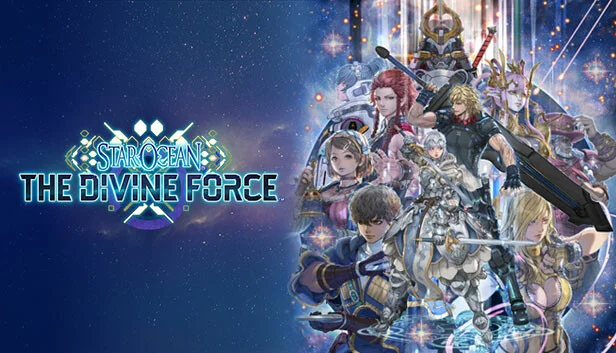
Star Ocean's combat has always been real-time, but Divine Force adds the D.U.M.A. — a combat drone that lets you fly across the battlefield, chain aerial attacks, and blindside enemies for massive damage. The freedom of movement changes everything. Instead of standing on a flat plane trading hits, you're launching into the air, diving behind enemies, and connecting combos that flow between ground and sky. Two playable protagonists (Raymond and Laeticia) offer different story perspectives and combat styles. The story is classic Star Ocean — sci-fi meets medieval fantasy, prime directive violations, and an increasingly bonkers third act. tri-Ace finally remembered what made their combat fun.
Source: tri-Ace / Square Enix via Steam
8. Trials of Mana (2020 Remake)
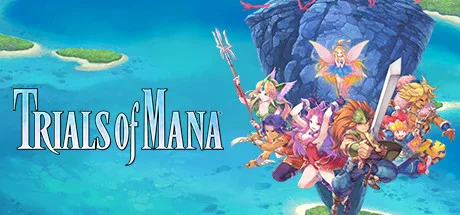
The 2020 remake took a SNES classic and rebuilt it as a proper 3D action RPG. Three-character parties, real-time combat with dodge rolls and class abilities, and a branching story based on which protagonist you choose. The class change system is the star — four tiers of classes per character, each fundamentally changing their moveset and role. Kevin as a brawler plays completely differently than Kevin as a healer, and the game encourages replays to experiment. It's not as deep as the harder entries on this list, but the 20-hour runtime is perfectly paced, and the post-game class 4 boss rush is legitimately challenging. If you want an action JRPG that respects your time, Trials of Mana is it.
Source: Square Enix via Steam
7. Final Fantasy XV Royal Edition
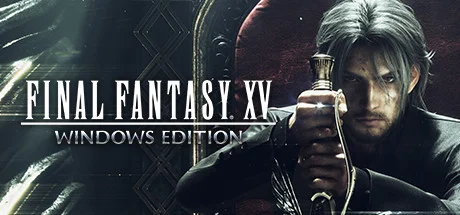
FFXV's combat got a bad reputation at launch. Hold circle to win, people said. They weren't entirely wrong — but the Royal Edition adds enough depth to elevate it. Warp-striking across a battlefield, phasing through attacks, switching between four weapon types mid-combo, and managing your three AI companions' Techniques creates a combat flow that feels cinematic when it clicks. The real magic is in the spectacle — summoning Ramuh to obliterate everything on screen, or linking attacks with Ignis and Gladio for devastating team moves. The road trip with four friends driving across a fantasy continent hits emotional notes that no other FF game attempts. Chapter 13 is still rough. But that ending — four friends around a campfire, knowing what's coming — destroyed me.
Source: Square Enix via Steam
6. Ys IX: Monstrum Nox
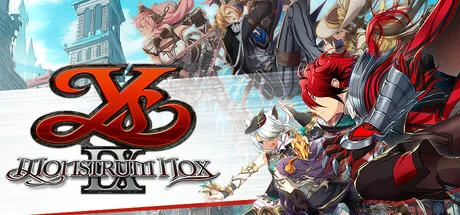
If Ys VIII is Falcom's best overall game, IX is their most interesting combat experiment. Each Monstrum has a unique exploration ability — Crimson King can sprint vertically up walls, White Cat can glide, Hawk can fly to grapple points — and these abilities double as combat tools. Adol (as the Crimson King) fights differently than Doll or Raging Bull, and swapping between six party members mid-fight to exploit weaknesses while chaining Flash Guard parries is intoxicating once you're in the zone. The prison city Balduq is a more focused setting than VIII's island, which bothered some fans but gave the story a noir detective atmosphere that works. The Grimwald Nox raids — horde defense sequences — are the weakest element, but the moment-to-moment combat carries everything.
Source: Nihon Falcom / NIS America via Steam
5. Final Fantasy XVI
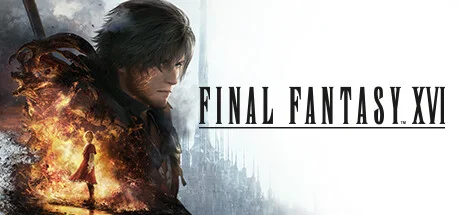
Square Enix hired the combat designer from Devil May Cry 5 and told him to make a Final Fantasy game. The result is the most mechanically demanding mainline FF ever. Clive's combat starts simple — square, square, triangle — and becomes increasingly complex as you unlock Eikon abilities. Stacking Phoenix's Rising Flames with Garuda's Deadly Embrace with Odin's Zantetsuken creates combo strings that would feel at home in a character action game. The Eikon-versus-Eikon battles are the most visually spectacular sequences in JRPG history — Ifrit vs Bahamut is a 20-minute setpiece that made my jaw drop. The RPG elements are lighter than traditional FF (no party management, linear progression), but the combat alone justifies the 40 hours. The PS5 and PC versions both run beautifully.
Source: Square Enix Creative Business Unit III via Steam
4. Tales of Berseria
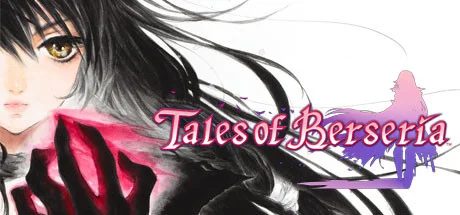
Berseria took the Tales combat formula and injected it with rage. Velvet Crowe isn't a hero — she's a woman consumed by revenge, and her combat reflects that. The Liberation-LMBS lets you assign any Arte to any button, creating custom combo strings that feel uniquely yours. The Soul Gauge system rewards aggressive play: the more enemies you break, the more Souls you absorb, the longer your combos can extend. Playing defensively is punished. Berseria wants you to be reckless. The party banter during combat — screaming attack names, teasing each other mid-combo, arguing about strategy — gives every fight personality. And Velvet's character arc from pure vengeance to something more complex is the best in the Tales series. The game ran on PS3 hardware and looks it, but the combat transcends the graphics.
Source: Bandai Namco via Steam
3. Final Fantasy VII Remake Intergrade
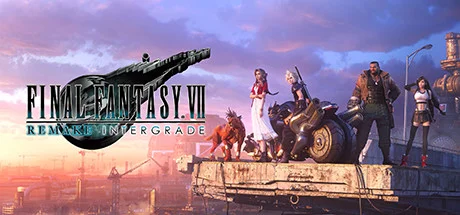
The Remake reimagined FF7's turn-based combat as an action system where basic attacks build ATB gauge, and ATB gauge is spent on spells, abilities, and items. It's a hybrid, technically — but in practice, it plays like an action game with strategic pauses. Switching between Cloud's melee aggression, Barret's ranged suppression, Tifa's martial arts speed, and Aerith's magic artillery mid-fight creates a party management rhythm that's unlike anything else in the genre. The boss fights are extraordinary — the Airbuster, Hell House, and Sephiroth encounters are designed around the action system's strengths. Hard Mode (unlocked after the first playthrough) transforms the game into a resource management puzzle where every materia choice matters. PS5 expanded on this even further, but Intergrade is where the foundation was perfected.
Source: Square Enix via Steam
2. Ys VIII: Lacrimosa of Dana

Ys VIII is why I'm an action JRPG evangelist. The combat is blisteringly fast — three attack types (slash, strike, pierce), Flash Guard for frame-perfect blocks, Flash Move for invincibility dodges, and EXTRA Skills that devastate bosses when timed correctly. The game wants you to learn every enemy's tells and punish them with perfectly timed reactions. The island survival setting — mapping an uncharted island, rescuing castaways, building a base camp — gives the exploration a purpose that most action JRPGs lack. And Dana's parallel storyline adds emotional weight that elevates a great action game into a great JRPG. I wrote a review of Ys Seven that praised Falcom's combat design — VIII is the perfection of everything Seven started. Fifty hours, zero filler, combat that never gets old.
Source: Nihon Falcom / NIS America via Steam
1. Final Fantasy VII Rebirth
Rebirth takes Remake's already excellent combat and adds Synergy Abilities — dual-character attacks that create new tactical options without slowing the action down. Cloud and Tifa's coordinated strikes. Barret and Red XIII's combo burst. Aerith and Yuffie's ranged devastation. Each party pair has unique Synergy moves, which means your team composition actually changes how combat flows. The Folio system replaces linear skill trees with a web of abilities that lets you specialize characters in wildly different directions. And the boss design is unmatched — every major fight introduces new mechanics that force you to adapt your strategy in real time. The open world exploration between combat encounters is the weakest element (some regions have too much filler), but when Rebirth puts you in a fight, it's the best action combat in JRPG history. The PS5 is still the gold standard, but the PC port runs well. If you only play one action JRPG, make it this one.
Source: Square Enix via Steam
What Makes Action JRPGs Different?
The best action JRPGs aren't just action games with leveling. They're games where the RPG systems and the combat systems feed each other. Leveling up in Ys VIII doesn't just make your numbers bigger — it unlocks new skills that change how you approach fights. Building your kingdom in Ni no Kuni II directly impacts your combat capabilities. Choosing a class in Trials of Mana actually changes your moveset. That loop — explore, fight, grow, fight better — is what separates a great action JRPG from a regular action game with XP bars.
If you prefer the strategic side of JRPG combat, check out the turn-based list. For games where the story and relationships take center stage, the dating sim and social link lists have you covered. And if you want the best across all platforms, the Switch, Steam, and PSP guides break it down by hardware.
Frequently Asked Questions
What is the best action JRPG of all time?
Final Fantasy VII Rebirth is currently the best action JRPG, combining the ATB hybrid combat from FF7 Remake with new Synergy Abilities. For pure action, Ys VIII: Lacrimosa of Dana has the tightest combat with Flash Guard and Flash Move mechanics that reward frame-perfect timing.
What's the difference between action JRPGs and turn-based JRPGs?
Action JRPGs use real-time combat where you directly control attacks, dodges, and movement. Turn-based JRPGs use menu-driven combat where you select actions and wait for turns. Both have RPG progression, but action JRPGs test reflexes while turn-based tests strategy.
Are action JRPGs harder than turn-based?
Depends on the game. Ys VIII and FF XVI demand quick reflexes. Turn-based games like Etrian Odyssey and SMT Nocturne demand deep strategic thinking. Difficulty is about game design, not combat style.
What action JRPG should I play first?
Trials of Mana (2020 Remake) — 20 hours, class changes, accessible combat. For something bigger, Tales of Berseria offers 60 hours of excellent action with a revenge story that hooks you immediately.
Can I play these on PC?
Yes — all 12 games are on Steam. FF7 Rebirth, Ys VIII, Tales of Berseria, Trials of Mana all have great PC ports. A controller is recommended over keyboard for action JRPGs.
All images are official promotional materials sourced from their respective publishers' Steam store pages. Ys VIII, Ys IX — Nihon Falcom / NIS America. Final Fantasy VII Remake, FF XV, FF XVI, Trials of Mana — Square Enix. Tales of Berseria — Bandai Namco. Star Ocean: The Divine Force — tri-Ace / Square Enix. Ni no Kuni II — Level-5 / Bandai Namco. Dragon Star Varnir — Compile Heart / Idea Factory. Xenoblade Chronicles — Monolith Soft / Nintendo. All trademarks belong to their respective owners. Published March 22, 2026. Last updated: March 22, 2026.
The battle systems analyzes combat design, the soundtracks ranking covers the music, and the JRPG meaning guide explains the genre's roots. For shorter RPGs under 20 hours, that guide has options. The 2026 recommendations page has fresh picks. For more, see our ranking of JRPGs with the best stories.