
Why Recent JRPG Releases Define 2026
The 2024 through 2026 release window has reshaped what mainstream JRPG audiences expect from the genre. Square Enix shipped two major mainline entries that pushed orchestral scoring and combat density in new directions. Atlus released a long-awaited Persona 3 remake that proved the original story still resonates with audiences shaped by the franchise's post-2017 expansion. The independent scene continues to ship work that competes directly with publisher-tier releases on both narrative depth and gameplay polish.
This roundup ranks ten releases worth playing or revisiting in 2026, balancing newcomer accessibility with depth that holds up over multiple playthroughs. The list is editorial rather than statistical and reflects which titles consistently appeared in cross-publication coverage during the assessment period.
Each entry includes the platform availability, the year of release, and a short note on what makes the title worth tracking. Where the streaming soundtrack is available, that detail is noted alongside the gameplay specifics.
#10 — Final Fantasy VII Rebirth
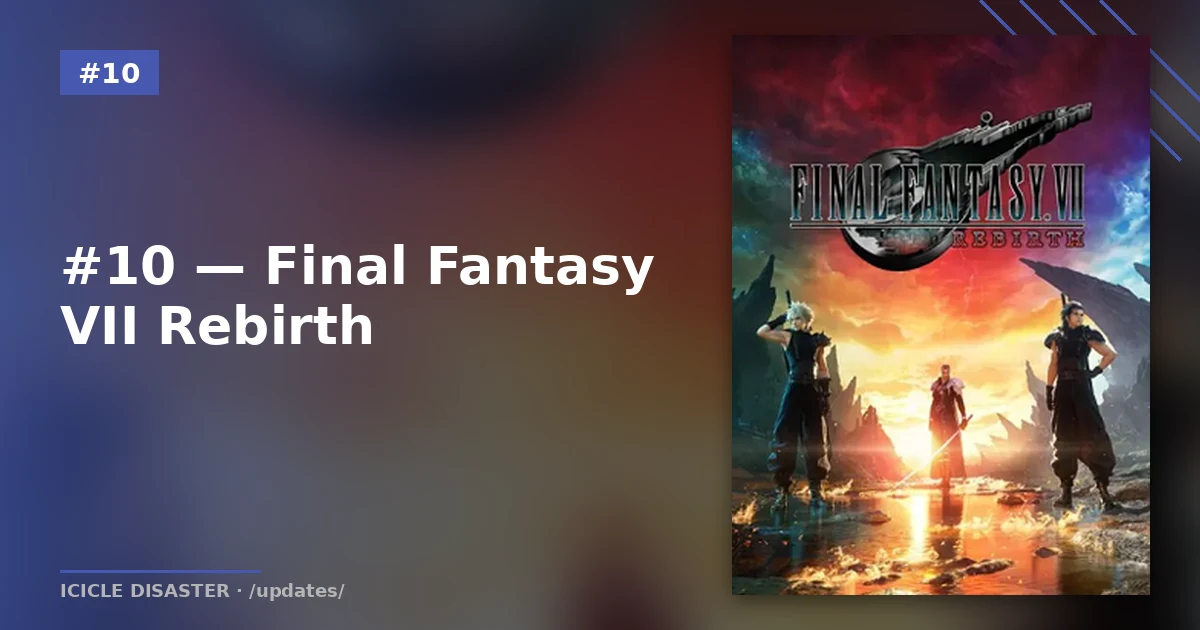
Final Fantasy VII Rebirth picks up where the 2020 Remake left off and expands the story into a fully open-world second act. Combat layers in synergy abilities that ask players to think about party composition more carefully than the original. The soundtrack draws on Nobuo Uematsu's themes while adding new arrangements from Mariam Abounnasr and Masashi Hamauzu.
#9 — Persona 3 Reload

Atlus reimagined Persona 3 with the social link UI patterns established in Persona 5 Royal, modernizing accessibility without losing the original's pacing. The combat system uses the One More mechanic from Persona 5 but keeps the original Tartarus dungeon structure intact. Soundtrack remix work by Atsushi Kitajoh updates Shoji Meguro's compositions while preserving the acid-jazz fusion identity.
#8 — Sea of Stars
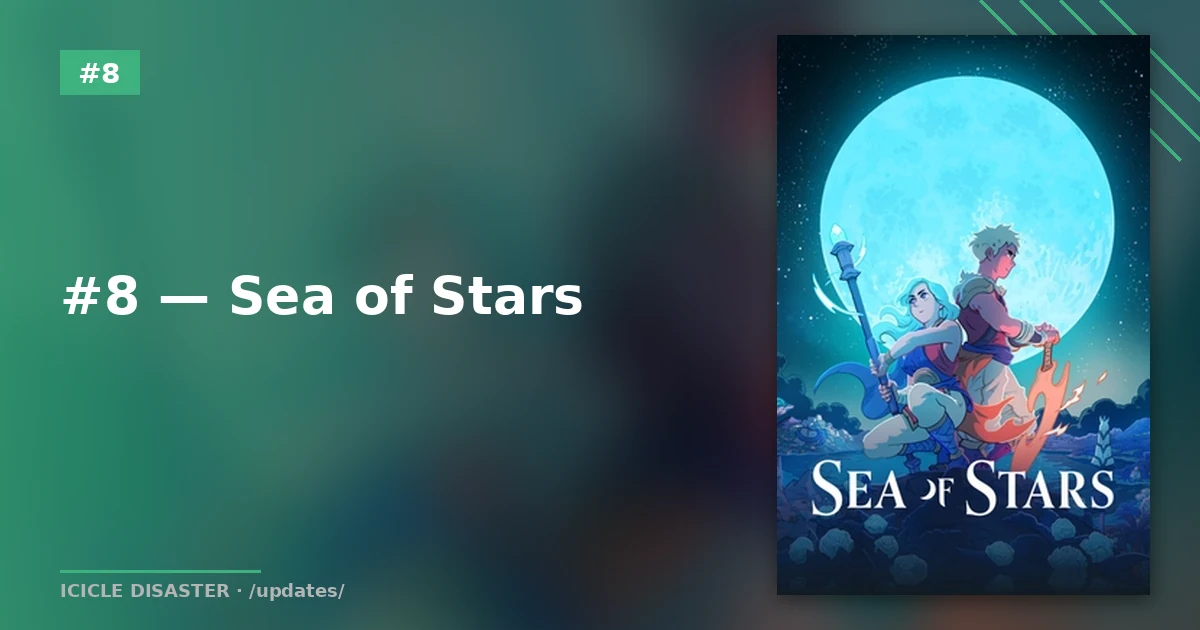
Sabotage Studio's pixel-art RPG draws explicitly on Chrono Trigger's combat patterns and Mario RPG's timing-based attack system. The soundtrack from Yasunori Mitsuda and Eric Brown delivers chamber-orchestral work that holds up against the genre's most celebrated scores. Cross-platform availability on Switch, PlayStation, Xbox, and PC made this the most-played indie JRPG of 2023.
#7 — Octopath Traveler II
Square Enix's HD-2D second outing improves on the 2018 original's pacing while keeping the eight-character structure that defined the formula. Character cross-play in the late game finally delivers on the original's siloed-story criticism. Yasunori Nishiki's soundtrack continues the chamber-orchestral approach with stronger leitmotif development.
#6 — Metaphor: ReFantazio
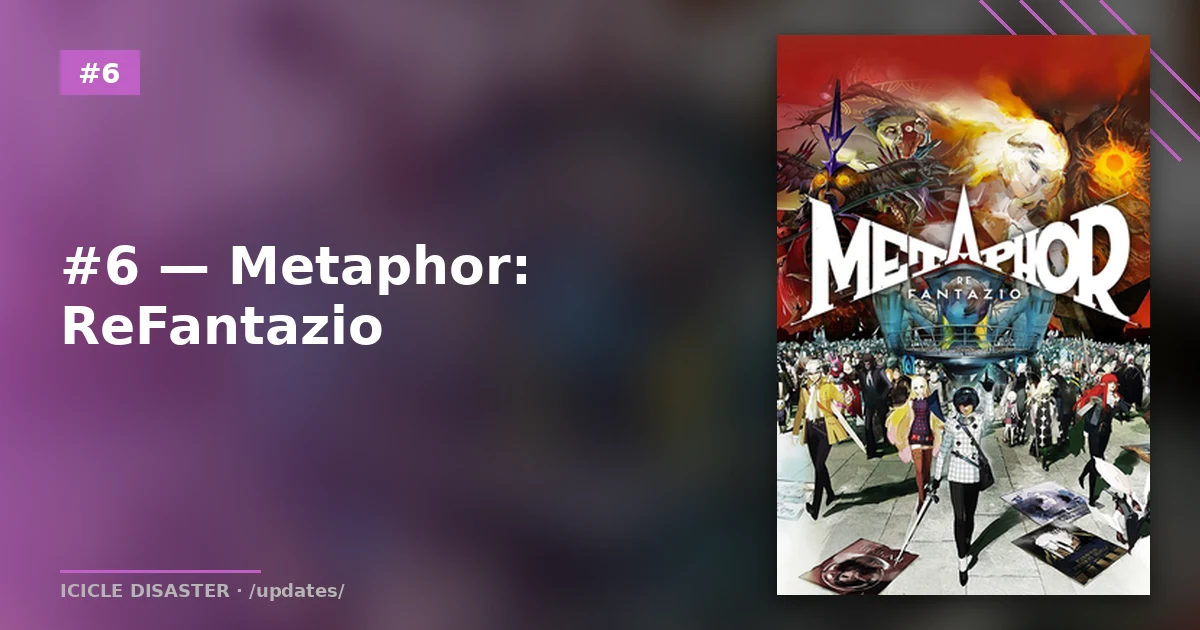
Atlus Studio Zero's fantasy spin on the Persona formula trades school calendars for political-campaign deadlines while preserving the social-link layer the franchise built its reputation on. The art direction by Shigenori Soejima leans more painterly than Persona 5's pop-art aesthetic. Shoji Meguro composed the score, which marks his return to lead-composer work after a transition period through Soul Hackers 2.
#5 — Chrono Trigger
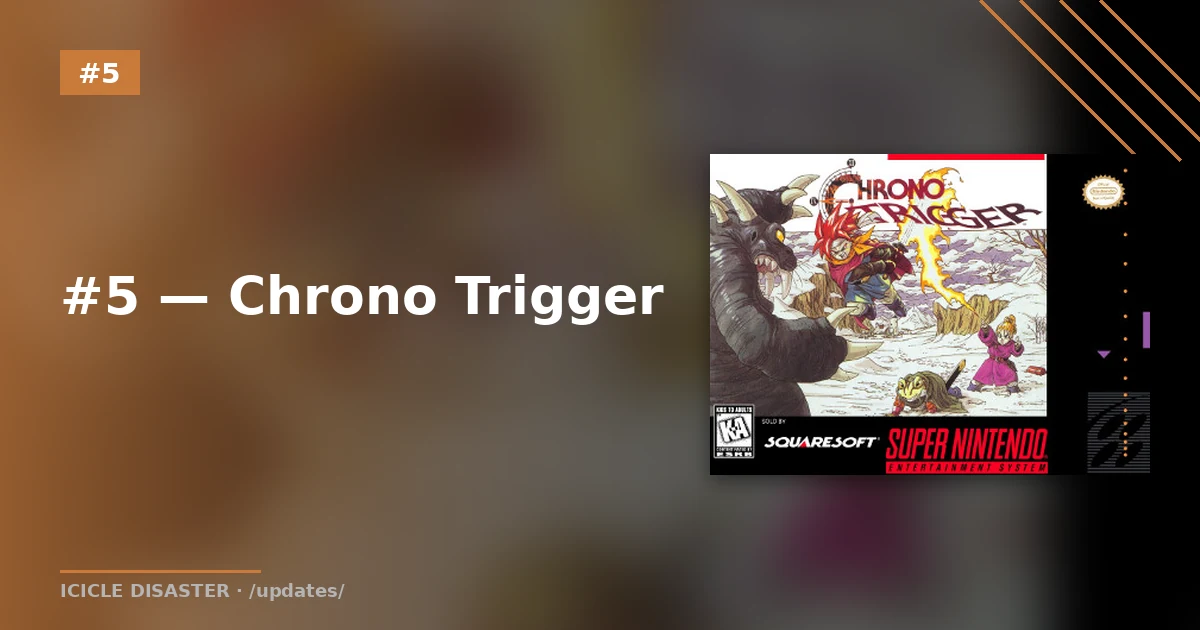
The 1995 original remains the genre's most influential template thirty years on, and the Steam edition keeps it accessible for new audiences. Yasunori Mitsuda's score still defines what JRPG composers reach for when they want chamber-orchestral emotional weight. The Time's Eclipse and ending sequences hold up against any narrative achievement the genre has produced in the decades since.
#4 — Xenoblade Chronicles 3
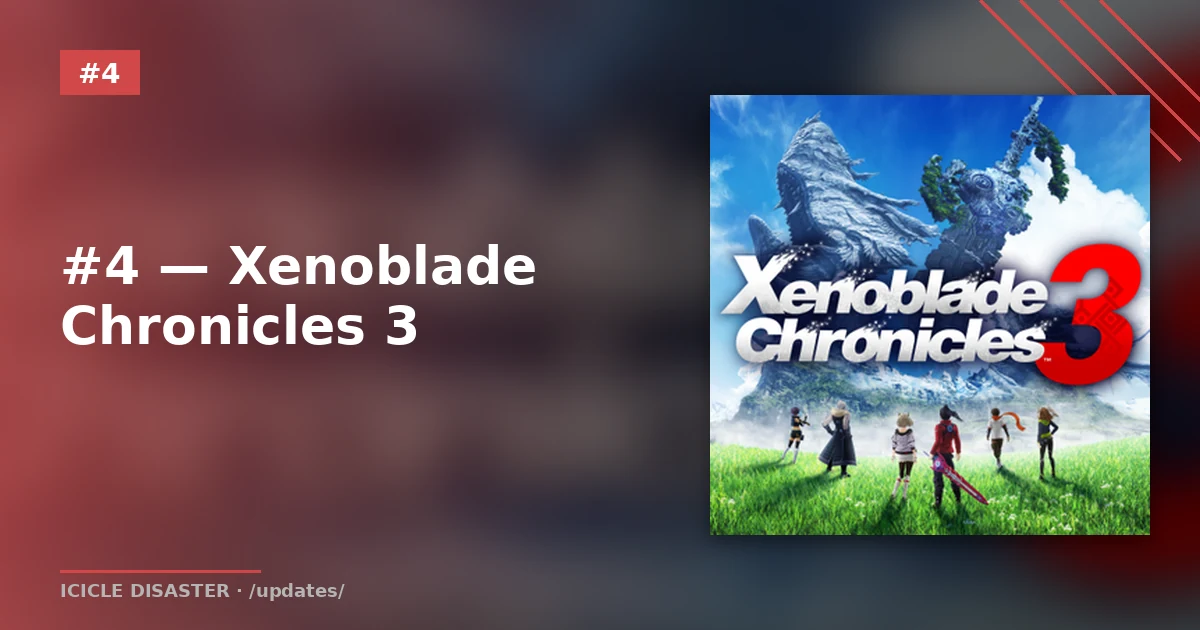
Monolith Soft's third Xenoblade outing closes out the loop the first two games opened, with combat depth that rewards twenty hours of investment before the system fully unlocks. The Yasunori Mitsuda score brings together themes from across the trilogy in a way the previous entries had been building toward. The Future Redeemed DLC adds another twenty hours of high-quality content.
#3 — NieR: Automata
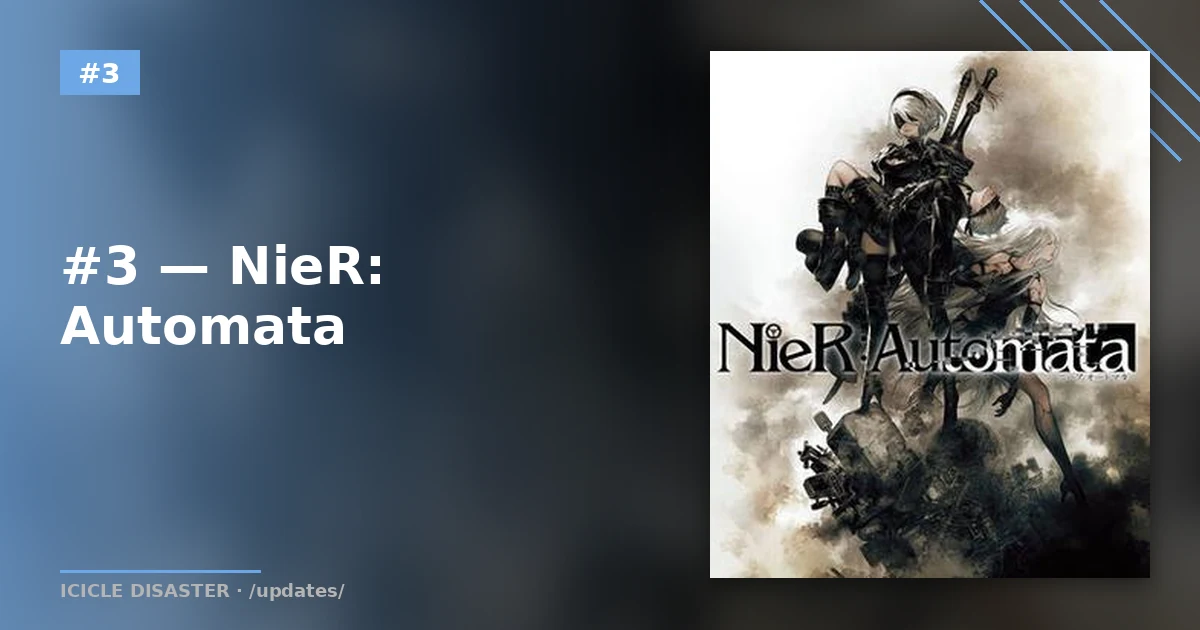
Yoko Taro's 2017 release remains the genre's most singular statement on the medium itself, requiring three playthroughs to reveal the structure that gives the story its full weight. The Keiichi Okabe and Keigo Hoashi soundtrack supports the narrative twists with melodic motifs that recur across the playthroughs at different emotional registers. The PC port runs cleanly on modern hardware after the 2021 patch cycle.
#2 — Trails through Daybreak
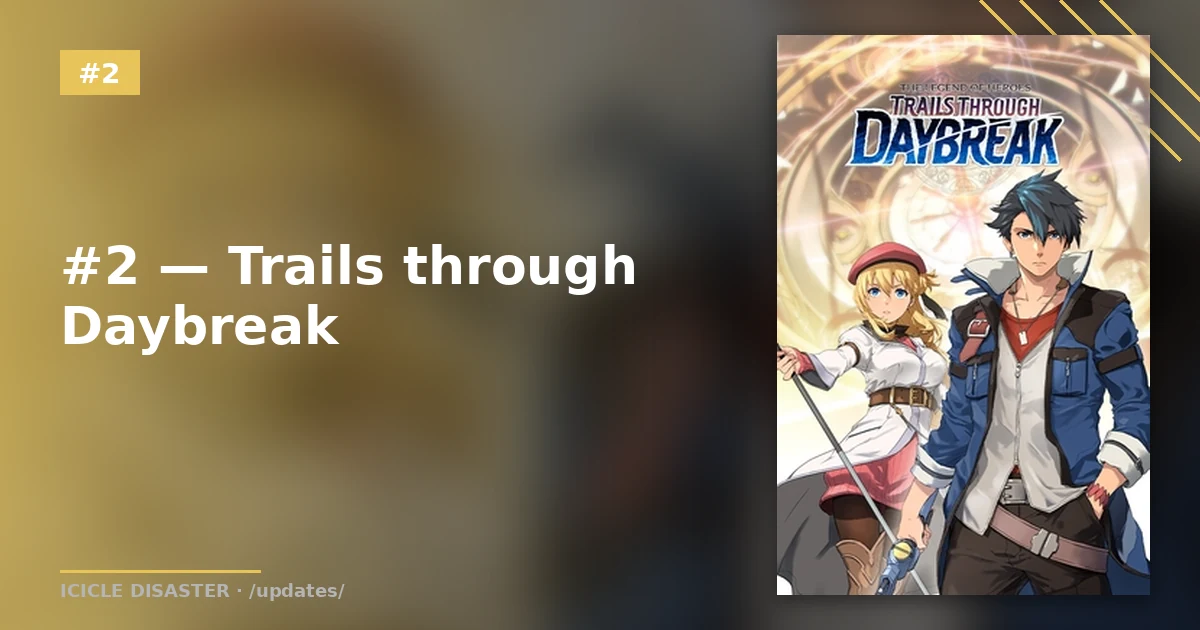
Falcom's Calvard arc reset gives newcomers a viable entry point to the long-running Trails saga without requiring fifteen prior games of context. The combat system blends turn-based with real-time elements in a way that addresses pacing criticism from earlier entries. The Falcom Sound Team JDK score continues the chamber-jazz direction the franchise has pursued since the Cold Steel arc.
#1 — Persona 5 Royal
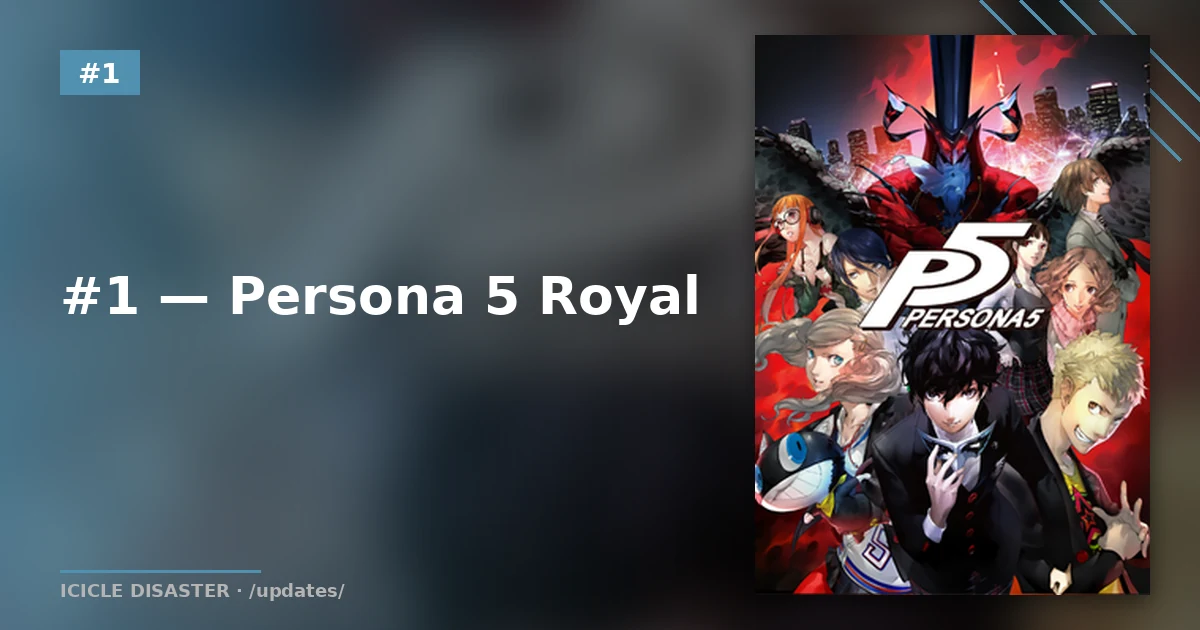
Persona 5 Royal's 2019 expanded edition stands as the genre's most polished package, combining a hundred-plus hour main campaign with social-link writing that holds up against any narrative work in the medium. The Shoji Meguro acid-jazz fusion score is generally considered his career-defining work. Cross-platform availability on Switch, PlayStation, Xbox, and PC means accessibility is no longer a barrier for new audiences.
JRPG Calendar Outlook for 2027
Looking forward to 2027, the most-anticipated releases on the calendar include the next mainline Persona entry, the Final Fantasy VII trilogy conclusion, and several smaller Falcom releases. Atlus has not confirmed Persona 6 yet, but the franchise's typical four-year cycle from Persona 5's 2016 release suggests the announcement window opens this year. The Final Fantasy VII Part 3 production credits should begin emerging through mid-2026.
Independent releases continue to drive the long tail of genre coverage. Sabotage's follow-up to Sea of Stars, the next Pixel Vault project, and several smaller studios working on Mario RPG-style timing-attack RPGs are all worth watching through 2026 and 2027. The broader RPG canon continues to be enriched by these mid-budget projects in ways the major publishers cannot match for narrative experimentation.