
Every open world JRPG has that one amazing scene where the player character climbs to the highest point possible, whether it's a cliff, the deck of an airship, or a colossal titan. The camera pulls back and shows the vast world that is left to explore. Moments like these are the reason we play these games, not just for the combat or the story, but for the sense of immersion that the world is real enough to get lost in.
This list focuses on JRPGs that treat their game worlds like characters. It also looks at games where story beats are less important than the actual journey. Some games on this list have hundreds of hours of gameplay, while others are more concise and focus on the value of every square mile. Each game on this list is designed to be exploratory and reward wandering instead of following the main quest-- something linear JRPGs rarely do. Last updated Mar 2026.
For platform-specific JRPG guides, see PS5, Switch, Steam, Xbox, PS4, PS2, PS1, SNES, PSP, GBA, DS, 3DS, and Vita. The JRPG tier list ranks games cross-platform, and the best RPGs of all time covers the genre's peaks.
12. Eternal Sonata
Eternal Sonata might not be open world in the most traditional sense, as there is no true sandbox style gameplay present. However, the world that is created within the dying dream of Frederic Chopin is so distinctive that each region feels like a unique discovery. There are numerous visually unique areas. The music integration within this world goes beyond the tunes that play in every area.
The world also features dynamic light and shadow systems that affect your position and combat abilities. The world is not huge and the game lasts around 25 hours, but the game as a whole proves that the value of open world design is not derived solely from the size of a world, but rather from the depth present in every location. Eternal Sonata is a game worthy of the PS3 and Xbox 360.
The light and darkness combat zones of Eternal Sonata are a way in which the game has integrated an open-world feel into the game. As a battle area's light state alters, so do the abilities of your characters, creating a layered tactic that makes exploring the arena for dark areas important. Eternal Sonata is structured as a linear game but gives the player branching paths that contain optional dungeons and Chopin biography cutscenes which gives a unique to JRPG open-world design. Eternal Sonata is a 30 hour long game, making Eternal Sonata a great option for players who want to avoid the usual 80+ hour RPG slog. It's open-world style design without the time commitment.
Source: tri-Crescendo / Bandai Namco
11. Legend of Mana (Remastered)
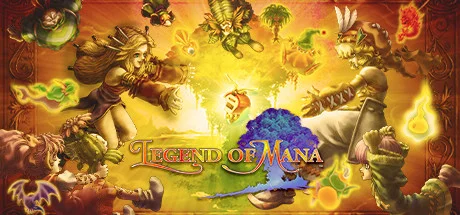
In Legend of Mana, you create the world map! The game gives you a blank world map, and you can place different artifacts. Each artifact has its own special property that creates a different zone. For example, one turns a blank space into a city, and another creates a haunted house, etc. The zones that you create change the quests you can do, and they change how the NPCs in the town interact with each other.
Because of all these different variables, two players can have completely different experiences playing the game. The 2021 remaster has brought updated graphics and quality-of-life changes to modern consoles. The game also features flashy action combat, and the hand-drawn art is beautiful. It has a fully open world structure, with no quests or objectives that force you to go to a certain area. 25 years later, there are no JRPGs that have copied the design Legend of Mana has.
When it comes to unique exploration mechanics, Legend of Mana's Land Maker system stands above the rest. Players build the world themselves by placing artifacts they've found. Different artifacts reveal new areas of the world and new quests. The order in which you place artifacts determines which characters, quests, and storylines you see. The Remastered edition (2021) adds quicksave, enemy encounter toggle, and a remastered soundtrack, but also keeps the original's procedural world-building. Legend of Mana features a non-linear open world designed to reward experimentation rather than completion.
Source: Square Enix via Steam
10. Monster Hunter Stories 2: Wings of Ruin
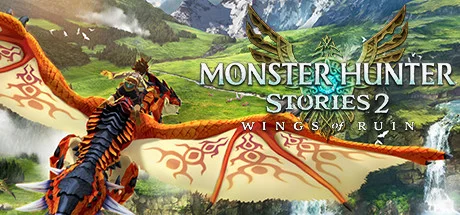
Capcom took the Monster Hunter franchise and made a proper JRPG of the world, including all ecosystems, biomes, and monsters. Instead of hunting monsters, you now ride them, and the egg collection system makes every monster den feel like a slot machine. The world is designed to open up slowly and you'll find yourself soaring on a Rathalos, diving into underwater caves, and exploring a barren wasteland full of volcanoes.
The world is rich in detail and the post-game content easily doubles the over 40 hour main campaign. If you liked Pokemon, but wanted it to have the Monster Hunter ecological detail, then look no further. It also looks stunning on Switch and Steam.
Monster Hunter Stories 2 transforms the monster hunter formula into JRPG open world exploration with an egg hunting expedition system. Every area has unique monster dens in which you can raid for eggs that are hatching companion monsters with different stats and abilities. The traversal system has you use Monstie mounts - different monsters allow for different traversal (climbing, swimming, flying, gliding) resulting in Metroid-style progression gated environments. Co-op multiplayer adds shared expeditions. Cross play and cross save.
Source: Capcom via Steam
9. Ys X: Nordics
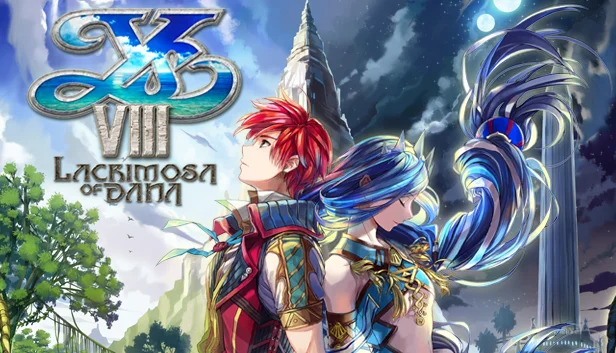
The latest game from Falcom sends Adol to a Nordic archipelago where instead of survival on an island as in Ys VIII, players engage in naval exploration. You will sail from one island to another as you dock at new ports, clear monster-infested caves, and chart the map. The dual combat system adds to the rhythm of combat encounters that single party Ys entries do not have and allows you to switch between Adol and new partner Karja during the fight.
While the world is conceptually smaller than most in the game, each island is unique and has a distinct personality and purpose. With their signature tight pacing, Falcom has included minimal filler between discoveries. The sailing mechanics are surprisingly satisfying for a JRPG and the sea shanties are an adorable addition.
Ys X: Nordics brings new, fascinating features to the franchise. For the first time, players will be able to experience real-time water battles as they travel across Norse-mythology inspired archipelagos and engage in naval combat. Water battles will be held around the islands i.e., Adol will be able to unlock new exploration features with each island. Players will also be able to team up with new companions to engage in land traversing battles. Other refinements include improvements to the combat layers from Ys VIII/IX, changes to parry timing, mid-battle party-switching, and new unique HP mechanics between sister characters Adol and Karja. The main story campaign spans a total of 40 to 50 hours of gameplay and is based in the Obelia archipelago. The pace of the story is also unique from the rest of the continent spanning JRPGs as players will be able to island hop freely.
Source: Nihon Falcom / NIS America via Steam
8. Tales of Graces f Remastered
Graces f may not garner the same admiration as Arise or Berseria, but its world building deserves credit. In the childhood arc, there are locations that you will return to as an adult and experience them in entirely new ways. Towns will have been built up, new pathways will have opened, and others will have been blocked off.
A sense of history and progression in the world surrounding the characters is an incredibly rarity in JPRGs. The CC (Chain Capacity) combat system introduced in this title is also the best in the series and the most aggressive and technical, and most rewarding once you learn the ins and outs of resource management. The 2024 remaster will be the first time this title is accessible in the west in over a decade as well as the first time the new epilogue, Lineage and Legacies, will be available, which adds 15 hours of post-game content.
Tales of Graces f Remastered (2025) is the first game in the Tales series to feature borderless dungeons, allowing players to explore the Strahta and Windor continents without experiencing loading screens between areas and battles. Players can use the Eleth Mixer cooking system to create stat-boosting recipes, rewarding them for exploring different regions to collect area-specific ingredients. The game offers over eighty hours of gameplay, and Asbel's arc, along with the development of other characters, adds to the experience. These are just some of the many elements that give the game depth, and this is the first time the franchise includes them, although it has been refined even further in Arise. Coming to Switch, PS4, Xbox, and PC in 2025.
Source: Bandai Namco via Steam
7. Atelier Ryza: Ever Darkness & the Secret Hideout
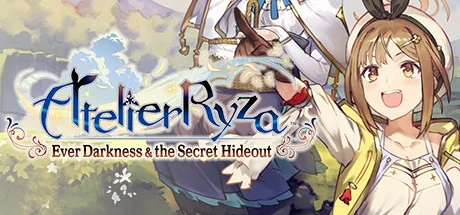
The Atelier series focuses on ingredient gathering along with world exploring and alchemy, but Ryza showed the series to a more mainstream audience. The semi-open world unfolds naturally- each new alchemy recipe you learn opens up new areas because you have the ability to traverse previously blocked obstacles. It's Metroidvania logic applied to an open world JRPG; The key to progression is knowledge, not levels.
The gathering loop is dangerously addictive. “Just one more material” can turn into three hours of wandering through meadows, ruins, and underwater caves. Ryza is one of the most charming protagonists in modern JRPGs and her summer coming-of-age story gives the exploration real emotional stakes.
Atelier Ryza: Ever Darkness is the first open-world title in the series. With this installment, the alchemy series shifted from zone-gated to fully explorable regions for the first time. Each region has distinct ingredients ecosystem. With seasonal weather impacting material spawns and cycles of day and night affecting monster encounters, alchemy gathering becomes a true exploration loop. The Key System (expanded in Ryza 3) allows players to create certain items based on the unique resources of each region. The Switch/PS4/PC version of Atelier Ryza established the modern Atelier formula, which was refined in Ryza 2 and 3.
Source: Gust / Koei Tecmo via Steam
6. Granblue Fantasy: Relink
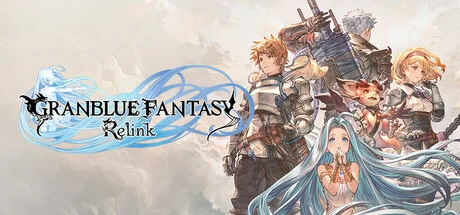
Instead of a single vast open world, Relink features multiple large explorable zones. A world organized in this way creates some stark differences, but considering the extraordinary richness, texture and detail in each of the worlds, the visual differences basically don't matter. Each zone is essentially a beautiful painting made fully 3D. You have floating islands, crystal forests, and bright coasts.
The endgame is 4-player co-op (as in the party can have up to 4 players in it) and turns the open zones into big coordination hunting territory for raid bosses. The combat action is of Platinum Games quality (they consulted) and the 19 characters are different. Relink is insurmountable in co-op worlds for all other JRPGs in 2024.
The game Granblue Fantasy: Relink offers an exploration experience based on the grand cypher airship for hub-based skyfaring exploration. The Grandcypher airship serves as the main hub for individual islands, each one being a separate detailed, open-world environment. In multiplayer, you can use raid traversal, and character-specific spells can unlock unique zones (Cagliostro's teleport, Vane's vaulting, etc.). The campaign is 35-50 hours long and contains large amounts of post-game raid content. This game provides the depth of an open-world JRPG, but in less time than 100+ hour epic games. The game is scheduled to be released on PS4/PS5/PC and will have crossplay.
Source: Cygames via Steam
5. Final Fantasy XIV: Dawntrail
Yes, it is an MMO, but FFXIV feels like a single-player JRPG with a sprawling open world, and the variety of new environments being introduced with Dawntrail are some of the most visually stunning in the game's history. Tural is a new tropical continent with dense jungles, ancient ruins, and a city built on the back of a living mountain. The main scenario quest is 50+ hours and can be completed solo, with NPCs filling your party.
The open world hubs between dungeons are real exploration areas that contain FATEs, hunts, treasure maps and side quests. If you have avoided XIV because “it’s an MMO,” the free trial up to Heavensward (which is easily 200+ hours) is an amazing deal. No other JRPG has a world this big and this alive.
In 2024, FFXIV: Dawntrail will add the new Tural region, fully expanding the continent in the MMO. Players will be able to unlock flying mounts (one of the best non-subscription-required design features) to explore the new region's open world. Jumping puzzles are scattered throughout the zones and reward mount/glamour rewards, offering something for players who prioritize exploration. Travel between multiple regions is possible through Aether currents, enabling Metroidvania-style gating that single or duo players can enjoy without the need to commit to raids. Dawntrail's 100+ hour main story quest and side content will be added to the already massive content of FFXIV (over 2,000 hours).
Source: Square Enix via Steam
4. Final Fantasy XII: The Zodiac Age
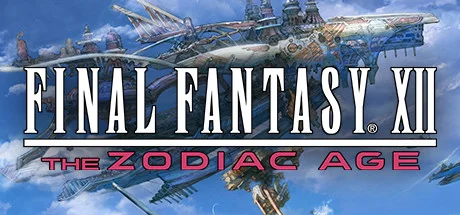
Before open world became a marketing term, FFXII built Ivalice, a world of interconnected deserts, jungles, and snowy peaks, all without loading screens (a big deal for games in 2006). The Zodiac Age remaster makes the Gambit system and Licenses Boards accessible, and the Gambit system and Licenses Boards easily adjustable. But the world is the real star. Rabanastre is a living city. The Sandsea is a vast and open desert.
The Pharos at Ridgehollow is an enormous optional dungeon. The hunt system takes you to all corners of the world, and the rare game encounters reward players for exploring the world. I wrote about the case for Vaan as a protagonist and the world is half the argument. Two decades later, Ivalice is still one of the greatest JRPG worlds ever created. Now available on PS5, Steam, and Switch.
In FFXII: The Zodiac Age, you can use gambits for exploration. You will also have a chance to play around with the party's AI program as they set up strategies for you while you focus on moving through the area and initiating encounters. While traversing through Ivalice and its bestiary entries that reward you for completing monster types, there's a stronger focus on completionist exploration. With the Express Pass, you can go from the original PS2 pacing to a more modern feel while gunning for 4x speed. For off-path exploration, Espers are hidden in side dungeons as a reward. The Switch port and PS4/PC/Xbox releases keep all PS2 content with a lot of improvements in quality of life.
Source: Square Enix via Steam
3. Dragon Quest XI S: Echoes of an Elusive Age
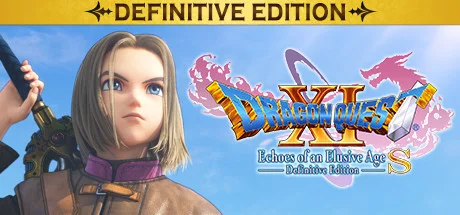
The world map of Dragon Quest XI serves as the finest example of a JRPG world map. There are lush hills and a cliffside city over looking a coast. There is a gambling city amongst the sands, a Viking settlement in the frigid north, and more. Each area is a feast for the eyes, and one can appreciate the beauty of an Akira Toriyama painting. There is a constant sense of adventure as players spend 80+ hours exploring the world, and the S Definitive Edition brings even more quality content and new features to an already excellent title.
The S Definitive Edition also includes a 2D pixel retro mode and and new story post-game content. Act 3 of the post-game story effectively doubles the length of the game and gives an entirely new context to the world. The answer is always Dragon Quest XI when asked about what JRPGs you should play. And it's a part of one of the best RPGs of all time lists for a good reason.
You get to explore the complete Erdrea continent in DQ XI S: Echoes of an Elusive Age. Horse riding is unlocked in the early-game, and it remains the primary way to travel in all regions. You can tame monsters with Pep Powers, allowing you to ride certain monsters for different ways to cross terrain: climbing, swimming, and flying. You can toggle a 2D classic mode as an S-edition exclusive, where you can change your view at any save point. The main story takes about 100 hours and has a post-game with multiple endings. This is a classic open-world Dragon Quest story refined to modern standards.
Source: Square Enix via Steam
2. Dragon's Dogma 2
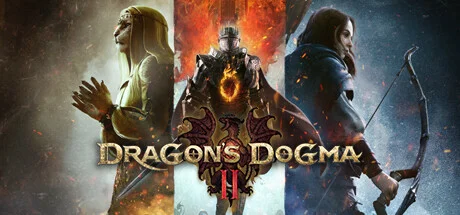
Dragon's Dogma 2 is the most systemically reactive open world in any JRPG. Monsters have actual routines — a griffin that attacks a town will return to a specific nest, and you can find it there later. Bandits set up camps that grow or shrink based on your actions. NPCs die permanently if you don't save them.
The world doesn't pause and wait for you; it's alive and indifferent to your schedule. The Pawn system — where you create an AI companion that other players can borrow — turns exploration into a shared experience without traditional multiplayer. The combat is the best in any open world RPG: climbing onto a cyclops and hacking at its eye while it stumbles through a forest never gets old. Rough technical performance on all platforms, but the world design underneath is staggering.
In Dragon's Dogma 2, when players hire companion pawns, they gain an AI exploration feature. Companion pawns will share information between players' worlds, and provide hints for emergent quests and warn players about certain areas. The game also has spawn-based dynamic encounters to increase unpredictability in the open world. For example, there will be griffin attacks on your caravan, hostile dragons flying over you, and ogres blocking mountain passes. There are also climbing mechanics that allow you to scale large monsters as well as other obstacles. The campaign lasts about 60 to 80 hours, and encourages players to explore rather than use the fast travel system, which is also purposely limited. The game will be released on PS5, PC, and Xbox Series, and will have cross-save support.
Source: Capcom via Steam
1. Xenoblade Chronicles 2
No other JRPG reaches the same kinds of open-world scale as Xenoblade. Each titan you visit is an entire continent of ecosystems, and at the moment you realize the ground beneath you is the back of a gigantic and living creature, the wonder is overwhelming. The distinct identities of Gormott's rolling plains, Mor Ardain's thick industrial smoke, and Tantal's frozen wastelands give each titan enough side content to be its own game brand dwarfs all competition.
The Blade system also cleverly ties exploration to combat by unlocking new field skills with bonded Blades that give you passage to walk past areas you previously thought were dead ends for the last 30 hours of your exploration. The Torna DLC is a strange buddy to the experience that adds another 30-hour world that you can explore with your friends. It is definitively messy, ambitious, and polarizing in its anime-esque tone, but it delivers one of the best JRPG open-world experiences exclusively on the Switch.
Xenoblade Chronicles 2 has Titan-back vertical world design. Each Titan (Gormott, Uraya, Tantal, etc.) is a world with its own ecology plus verticality and is fully explorable. This verticality is something Western open-worlds don't match. The amount of density from the Blade collection system is matched by no other JRPG. Each character can bond with multiple Blades and each Blade has a different combat style, personality, and sidequest arc. Field Skills also make certain Blades necessary for exploration, making party composition important. The 100+ hour campaign plus DLC Torna ~ The Golden Country expansion cements this game as the best open-world JRPG on the Switch.
Source: Monolith Soft / Nintendo
What Makes a JRPG "Open World"?
The term is used a bit loosely, so for this list to qualify as an open world JRPG, an open world JRPG needs to have three qualities: The freedom to explore areas before the story guides you there, additional story side content that *gasp* rewards wandering off the critical path, and an interconnected, non-linear series of zones or world map rather than a series of corridors. Classic turn-based JRPGs have pure linearity and are not disqualified, but the world needs to feel like a place, not a series of hallways that lead to cutscenes.
If you prefer tighter experiences, check the action JRPGs list or short JRPGs. For games where the story and relationships matter more than exploration, the romance and social link systems list have you covered. And for platform picks, see our PS5, PSP, and PS2 guides.
Frequently Asked Questions
What's the best open world JRPG to start with?
Xenoblade Chronicles 2 (#1 on this ranking) is the cleanest open-world JRPG entry-point — the Cloud Sea world built on Titan backs is uniquely JRPG (not Western-RPG-derivative), and the 80+ hour campaign teaches blade collection + party tactics gradually. Alternative: Dragon's Dogma 2 (#2) for action-RPG fans who want emergent encounters + pawn AI exploration. Avoid starting with FFXIV (MMO commitment) or FFXII (older systems).
How are these JRPGs 'open world' if they're not Skyrim-style?
Open-world JRPG has a different design vocabulary than Western open-world. Xenoblade builds vertical zones on Titan backs. Dragon Quest XI uses continent-scale interconnected regions with horse traversal. FFXII uses gambit-driven AI exploration across Ivalice's connected zones. The 'open' part is exploration density + emergent encounters + non-linear progression — not necessarily Bethesda-style sprawl. This list ranks 12 JRPGs that deliver that exploration-as-experience quality.
Why isn't Skyrim or Witcher 3 on this list?
This is specifically the JRPG-defined open-world list. Skyrim, Witcher 3, Elden Ring, and similar Western/dark-fantasy entries are covered separately in the broader best-RPGs-of-all-time ranking. The JRPG-specific list focuses on Japanese-developed entries with JRPG conventions (party-based combat, distinct visual identity, anime-influenced character design). Witcher 3 + Skyrim are world-class RPGs but operate in Western-RPG design tradition.
Which open-world JRPG has the best exploration depth?
Xenoblade Chronicles 2 leads on raw exploration density — the Cloud Sea Titan-back zones have vertical secrets, hidden areas, and Blade quest content that rewards 100+ hour completionist play. Dragon's Dogma 2 ranks second for emergent-encounter depth (pawn AI + dynamic monster encounters + climbing mechanics). DQ XI S (#3) leads for continent-scale traditional JRPG exploration. The 'best exploration' depends on whether you value vertical density (Xenoblade), emergent encounters (Dragon's Dogma 2), or continent traversal (DQ XI).
Are there modern open-world JRPGs releasing in 2026?
Yes — Dragon Quest XII: The Flames of Fate (announced, no confirmed date) is expected to feature open-world structure with real-time combat. Final Fantasy XVII (no announcement) is rumored to continue FFXVI's action-RPG direction. Monolith Soft has signaled a new Xenoblade entry in development. Capcom Dragon's Dogma 3 is speculation-only as of 2026. This list will update when 2026-2027 releases confirm with open-world structure.
What makes Xenoblade Chronicles 2 #1 on this list?
Xenoblade Chronicles 2 combines Titan-back vertical world design with the Blade collection system (each Blade = unique combat + personality + sidequest arcs), creating exploration density no other JRPG has matched. Pyra/Mythra's narrative drives 80+ hours of progression across distinctly different Titans (Gormott pastoral, Uraya internal-organ surreal, Tantal frozen). The Field Skill system makes exploration feel mechanically meaningful — you can't just walk anywhere, you need the right Blade combinations. #1 placement reflects exploration-design innovation + 100+ hour total content + soundtrack peak.