Final Fantasy XIV provides the experience of a JRPG long-form story with the added benefit of an MMO subscription model. After A Realm Reborn relaunching the brand in 2013, five expansions in eleven years made one of the longest continuous Final Fantasy stories ever told, longer than the FF VII Remake trilogy, longer than the entire Tactics-Ivalice saga combined. This one is for the JRPG fans that avoid the MMO label out of habit, the ranking that actually matters: where each expansion sits on a JRPG-fan scale that equally weights story-arc payoff, soundtrack, character writing, and evolving combat system.
The patches between expansions rank as well since they include their own > raids, crystal tower or Eden or Pandæmonium normie story mode story arcs, and self-contained side stories. Note that Pandæmonium is just a self-contained Endwalker thing — different writers, different raid director, different story arc. Ten entries below, ranked from worst to best, and what each offers for a JRPG-fan-first audience and where Dawntrail Patch 7.3 currently sits in 2026.
How We Ranked Every FFXIV Expansion
Each entry was evaluated based on story-arc payoff, character writing depth, pinnacle of soundtrack, evolution of combat system, and JRPG fan accessibility (is the game playable solo? Is the narrative cohesive from a single-player perspective with no MMO grind context?). FFXIV 1.0 is included because it's a valid historical entry of the franchise and not some vaporware footnote. Patch series are ranked separately because each one acts as a self-contained side-arc with a unique set of writers and raid directors. To call them appendices to their parent expansion is to do a grave injustice to what they actually provide.
With the current free trial scope being A Realm Reborn + Heavensward + Stormblood + Shadowbringers (all free in 2026), the first four expansions become genuinely accessible before any decision is made, and you won't have to pay a subscription. Solo accessibility via the Trust and Duty Support systems where applicable — both allow you to run dungeons and most raid story content with NPC parties. This is what makes the JRPG fan-first claim valid. The combat system references the job system as of Patch 7.3.
10. Final Fantasy XIV 1.0 (2010-2012)
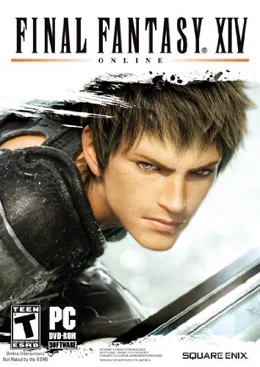
Rounding out the scale is the original FFXIV, not by some made-up or poorly reasoned logic, but by the reason put forth. FFXIV 1.0 launched in a broken state and was euthanized by Yoichi Wada only months after launch. It was kept on life support for two years until Naoki Yoshida and his recreated team released A Realm Reborn. Reviewers tore apart the combat lag, UI, and absurd crafting and gathering loops that required you to drag your mouse over multiple menus while the game was designed for consoles. The true content that shipped with 1.0 — the city-states of Limsa Lominsa, Gridania, Ul'dah, and the original Garlean Empire — still exists in modern FFXIV as foundation lore.
What gives 1.0 the 10th spot instead of being off the list completely is the legitimate historical significance. The 1.0 ending cinematic - Bahamut destroying Eorzea - the Calamity that ended Year 1 of the Seventh Astral Era - was the literal narrative bridge that made A Realm Reborn possible. Yoshida-P used the failure as the in-universe justification for everything that followed. JRPG fans coming to the franchise now don't experience 1.0 (the servers shut down 11 November 2012, no preservation exists) but it's inclusion in the timeline is structural, not decorative.
9. Patch Series 7.x — Dawntrail Patches (2024-2026)
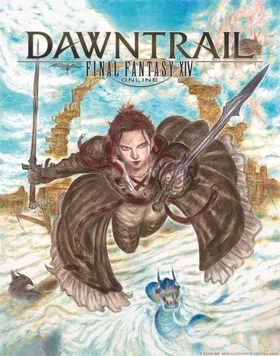
The reasoning behind the current low ranking for the patch series is based on it being ranked incomplete. Patch 7.0 was released July 2024 with the launch of the base Dawntrail, 7.1 introduced the Arcadion savage raid tier and advanced the Wuk Lamat storyline, 7.2 added a Cosmic Exploration crafting content and 7.3 (as of mid 2026, current) added a new story for alliance raids during the post-Dawntrail political fallout. The patches do what FFXIV patches are expected to do — offer raid tiers, additional story content, and new systems for exploration. However, the narrative arc the patches are extending hasn't earned its keep due to the core Dawntrail content being ranked mid-tier.
The Arcadion combat content is well regarded and has great music. Cosmic Exploration scratches the spooky Bozja/Eureka itch for fans of the relic grind zoned eXternal zones. However, the series as a whole is ranked #9 because its parent expansion is not carrying the load that the Endwalker or Shadowbringers patches had to lean on. With the Dawntrail arc ending, the story will likely climb the rankings with patch 7.5. The current rank reflects an incomplete story arc rather than a lack of quality execution.
8. Patch Series 5.x — Shadowbringers Patches (2020-2021)
The Shadowbringers patches have set the highest possible expectations, and for the most part, have met those expectations. Masayoshi Soken has even referenced music in relation to Final Fantasy 8 and Final Fantasy Tactics for the encounter themes, and the Eden raid series contains three savage tiers with the Eden’s Promise crystal tier being one of the most highly praised savage raid storylines in the whole game. As for new lore, returning characters from Heavensward and Bozjan-Garlean conflict, the large instance side zone in NieR-Automata style was added along with The Bozjan Southern Front and the Save the Queen relic chain.
The reason the 5.x patches are rated at 8 is primarily due to the content from the Bozjan Southern Front, which, due to pandemic-related delays, post-launch content arrived somewhat later than initially anticipated. The bottom of the timeline contains the last Save the Queen patches and the more recent Zadnor, which feels more empty than the other patches in the set. Even though it is true that the series of alliance raids that are based on NieR Automata are considered to be among the best of the Shadowbringers/Endwalker alliance raids, some players erroneously place them in the Endwalker patch cycle. It helps a lot that these patches are placed at the end of the 5.x cycle.
7. Patch Series 6.x — Endwalker Patches (2022-2024)
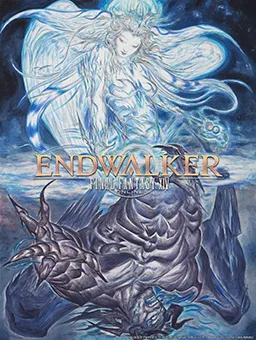
With the endwalker patches we see the most content delivered in a single patch in ffxiv history. For pandemonium, we have 3 savage tiers (Asphodelos, Abyssos, Anabaseios) which have some of Soken's best music, and then we also have another mini-narrative with the story of reincarnated Lahabrea as Themis. This is a little story that runs alongside the expansion's main story. We also have Island Sanctuary which was a little crafting sim that nobody was asking for, but became a hugely popular loop. We also have Variant and Criterion Dungeons which allow for smaller parties and have hard-mode content with several branching routes.
The reason this is ranked #7 instead of being ranked much higher is that the Endwalker patches came out with the 6.1-6.5 patches which were filler patches for the MSQ and this really divided the fanbase. The story with Garlemald's reconstruction was set up for the Void which felt really thin compared to the side-system content and the raids that were released in those patches. People who came specifically to raid for the quality of the raids placed the patches really highly while those who came for the msq placed them lower. The middle rating accounts for both perspectives.
6. Stormblood (2017)
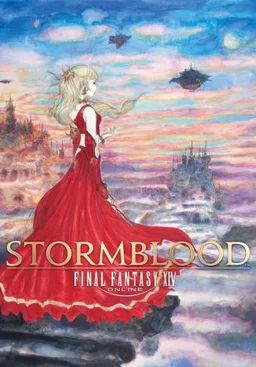
Most fans consider Stormblood to be the weakest expansion in the Final Fantasy XIV series. While it is rated number six, we can still see why Stormblood is rated poorly while still giving praise to the things the expansion gets right. For the stories in Doma and Ala Mhigo, the political setup was extensive and to some, it seemed to fall flat. Lyse Hext’s character was uneven, the villain reveal of Yotsuyu was much preferred over Zenos, and there was an unreasonable amount of time between the 4.0 to Shadowbringers expansion which tested player’s dedication. When the job’s actions were changed from level 60-70, abilities got taken out that did not return until Shadowbringers.
The highlight of Stormblood is the combat. The Susano fight is arguably the best primal fight in the game. Tsukuyomi is the epitome of single-character thematic battles. The fight at the Royal Menagerie is where Zenos faces the Warrior of Light, and set the stage for the combat/rivalry that we got to see in Endwalker. Samurai and Red Mage were introduced in Stormblood and remained some of the most popular dps options during Endwalker. The Shadowbringers expansion relied heavily on the things Stormblood introduced to the game.
5. Dawntrail (2024)
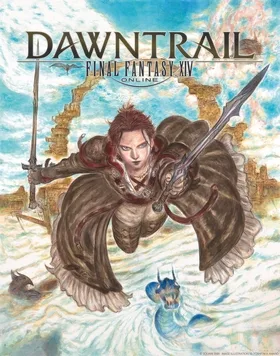
Dawntrail received the most divided reception of all expansions since Stormblood. It deserves a 5th place finish because of player sentiment about the story. Tural exploration and Wuk Lamat succession arc divided players. Some saw a new region with a great supporting cast involving Erenville's family and Krile's ancestral reveals. Others saw a first half that was too slow and left the Warrior of Light as a passive observer for too long. The Sphene Endsinger-era twist in the second half won back some goodwill, but the Wuk Lamat pacing was ultimately too detrimental.
Combat content and job design in Dawntrail are clear successes. The two new jobs, Viper and Pictomancer, were introduced with exciting mechanics. Viper's twin-blade combo creates some of the most engaging melee combat in the game since Reaper. Pictomancer is a caster-DPS that has a rotation finally distinct from Black Mage. The new zone, Worqor Lar Dor, is peak Soken and peak FFXIV art team. While the story will split opinions, Dawntrail deserves to land in the middle of the ranking for mechanically advancing the game.
4. Heavensward (2015)
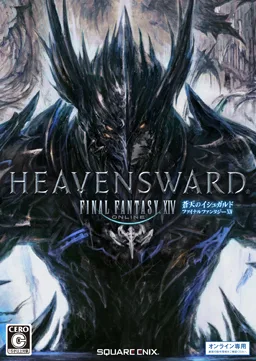
With Heavensward, FFXIV showed that it would deliver a storyline on time that would rival the best out there. Every component of the Dragonsong War story and the 1,000-year-old religious civil structure in Ishgard was excellent — Aymeric and Estinien as the strongest supporting cast the game would have until Shadowbringers, and Ysayle's heel-to-face arc and her ending remain among the most-cited single-character emotional beats in the franchise. Combine that with the Nidhogg fight and the big reveal of Azys Lla, and the game showed it shipped story payoffs that its ARR counterpart couldn't deliver.
The combat closely mirrored the story addition pace. Dark Knight became the iconic Heavensward job both narratively (Fray's storyline) and mechanically (the original DRK was a build-defining tank that influenced every later FFXIV tank job design). Machinist and Astrologian rounded out the new-job slate. Soken composed his first proper title song for the expansion ("Heavensward") and the musical identity from Heavensward carried into Shadowbringers and Endwalker. This was the expansion that elevated the entire franchise, and given how all the expansions that followed it, its clear that this was finally the next step that the series had long needed.
3. A Realm Reborn (2013)
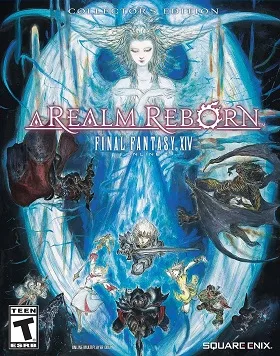
The reason A Realm Reborn is ranked number three is not for the execution of the story but the sheer magnitude of the task that was accomplished. Yoshida and the new team had to release an entirely new MMORPG that replaced the failed 1.0 version, do it in two years, make sure it was functional, and meet deadlines to continue retaining subscribers, and also have it serve as the narrative reboot to a failed franchise. ARR did all of that. The main story of the base game 1-50 level cap includes Eorzea exploration through the three city-states, fights with the eight primals, and culminates at the Praetorium where the Warrior of Light is transformed into the Warrior of Light. This game built the foundational core of the franchise's narrative.
What elevates ARR beyond the median position are the patches released between the 2.0 and 3.0 updates. Alliance raids within the Crystal Tower: Labyrinth of the Ancients, Syrcus Tower, and World of Darkness introduced 24-player content which has been a repeating pattern within FFXIV. The Coil of Bahamut raids created the savage-template for the next decade of raiding. The 2.55 patch ending, the assassination at the Vault of Heaven, the Crystal Braves’ betrayal, and the Warrior of Light’s flight to Ishgard, are some of the most referenced cliffhangers leading into Heavensward in the history of MMORPGs. ARR is foundational. In terms of this ranking, it shows how much of the current FFXIV relies on that foundation.
2. Endwalker (2021)
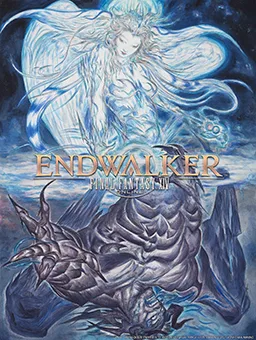
What can you say about Endwalker that hasn't been said already? It's the first time I think I've seen a company pull off such a difficult and complex narrative perfectly. In this case, it finished off a 10 year storyline including Hydaelyn, Zodiark, the Final Days, the Ancient civilization, and the Warrior of Light's entire MSQ journey. For me, I thought the game delivered on all aspects of story that needed wrapping up the most. Garlemald, the lunar Ultima Thule sequence, Meteion meeting at Ultima Thule, and of course Soken, Amanda, and Achilles vocals in the title song that dropped at the end credits. I don't think I could possibly be any happier with how Endwalker ended this arc. I don't think any other franchise has been able to pull off the sort of philosophical antagonist as Hermes and Meteion.
Endwalker also delivered on the new classes. Reaper and Sage were added and both are still at the top of their roles. The Pandemonium raids also gave the expansion some good narrative depth and the new type of story telling through the raids. Zodiark and Hydaelyn primal fights opened and closed the MSQ and some of the most ambitious encounter design of the entire franchise to date. Endwalker also ranks #2 because Shadowbringers exists. This is the moment that proved to everyone that the FFXIV dev team is willing to push the boundaries of what a Final Fantasy MMO can be. They gave us the same level of payoff on a story as we would've gotten in a mainline single player Final Fantasy game. Especially if you read this as a standalone expansion, the narrative peak of the entire franchise is Endwalker.
1. Shadowbringers (2019)
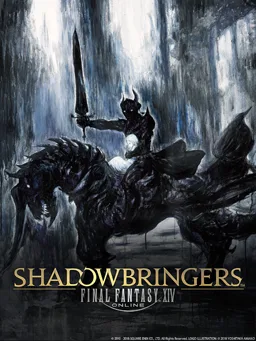
It is no surprise that Shadowbringers is ranked first, as everything it does feels great. It's story features gaping realities and conflicting story roles. Instead of the Warrior of Light protecting Eorzea, you are cast as the eighth Warrior of Darkness sent to the First/Norvrandt parallel reality where your predecessors failed to stop the encroachment of light-consuming Sin Eaters. You also get to discover the secret of the Crystal Exarch and G'raha Tia, as well as learn more about Emet-Selch. Shadowbringers arguably has the best storyline of FFXIV, since it does a phenomenal job of pulling all of its emotionally rewarding plot threads.
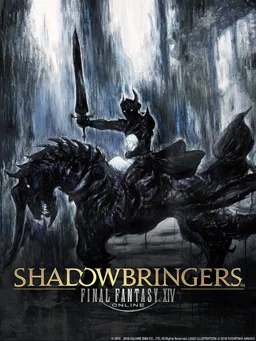
Two new jobs were Dancer and Gunbreaker which cemented themselves as genre defining. With Shadowbringers came the Eden raid series, which incorporated themes from Sephiroth, Squall, Tifa, and Yuna. Themes that were previously untouched and paired with incredible choreography. Hades is an outstanding boss fight and serves as a template for later expansion final bosses. Shadowbringers ranks as the franchise top-tier expansion because no other expansion has matched it for total package execution across story, combat, soundtrack, and emotional payoff. Shadowbringers offers FFXIV's best value while bridging a gap for JRPG fans during ARR, Heavensward and Stormblood.
The FFXIV Series at a Glance
Final Fantasy XIV is one of the few MMORPGs to offer consistent quality storytelling across several expansions, patches, and years of content, culminating in one of the most intricate and coherent narratives in JRPG history. Also, as of now, players can do the free trial and play up to Shadowbringers for free! Each of the expansions, in addition to Shadowbringers, can be played for free during the trial. Players are usually recommended to play through the initial story (A Realm Reborn and Heavensward) in the trial in order to unlock the Shadowbringers expansion, especially in order to begin playing the Endwalker expansion. The Trust and Duty Support systems make almost all scenarios playable solo from ARR to Endwalker. For the raid story content, players will need to find a party for that, but they can queue up for a normal mode tier raid through the Duty Finder.
Fans agree that every expansion but Dawntrail follows the same ranking order. Dawntrail is ranked lower than most because the combat content is great, but the overall expansion is divided. The expansion patches are ranked separately because the Pandemonium, Bozjan, and Eden stories are more than simple appendix expansions. For people in the JRPG community wondering if Shadowbringers is worth the climb, the answer is yes! For everyone that has already played through all the content up to Endwalker, the Patch 7.5 Dawntrail finale will determine the ranking of where the current arc sits. Not only that, but it also continues the longest uninterrupted storyline in all of Final Fantasy.
Where should a JRPG fan start with Final Fantasy XIV?
Start with the free trial through Shadowbringers — currently includes A Realm Reborn, Heavensward, Stormblood, and Shadowbringers at no subscription cost. The Trust system makes the entire main scenario from Shadowbringers onward solo-playable with NPC parties, and Duty Support fills the same role for the older ARR and Heavensward dungeons. This is the practical entry path: play the free four expansions, decide if the franchise earns the subscription before Endwalker.
Which FFXIV expansion is the best for JRPG fans?
Shadowbringers (2019) is the consensus #1 in this ranking and the answer to whether FFXIV is worth the JRPG-fan investment. The First/Norvrandt setting flip, the Crystal Exarch reveal, the Emet-Selch arc, and the Hades finale combine to produce the franchise's strongest single-expansion narrative across story, combat, soundtrack, and emotional payoff. Endwalker is the close second and the arc finale, but Shadowbringers earned the placement.
Can you play FFXIV solo without raiding?
Yes. The Trust and Duty Support systems let you run almost all main scenario content with NPC parties from A Realm Reborn through Endwalker. Most raid normal-mode tiers can be queued through Duty Finder without forming a static party. The expansion main scenario quests are designed as single-player narratives by structure — the multiplayer layer is optional for raid savage tiers, crafting/gathering content, and PvP. JRPG-fan solo playthroughs are explicitly supported.