
Monster Hunter Wilds launched in February 2026 and quickly became one of the year's largest action-RPG releases. The game is not a JRPG by any traditional definition — it is real-time monster-hunting with deeply systemic combat that has more in common with Souls-likes than with the turn-based or party-based RPG traditions JRPG players grew up on. But the loop underneath the surface — the loot grind, the build optimization, the seasonal events, the cosmetic chase — overlaps with what JRPG fans already love in surprising ways.
The event-quest system is where that overlap is clearest, and it is also the part of Wilds that newcomers most often struggle to navigate. Here is the honest primer: what event quests are, how to unlock them, why Challenge Quests are different, and which parts of the current rotation are worth your time.
What Monster Hunter Wilds Event Quests Actually Are
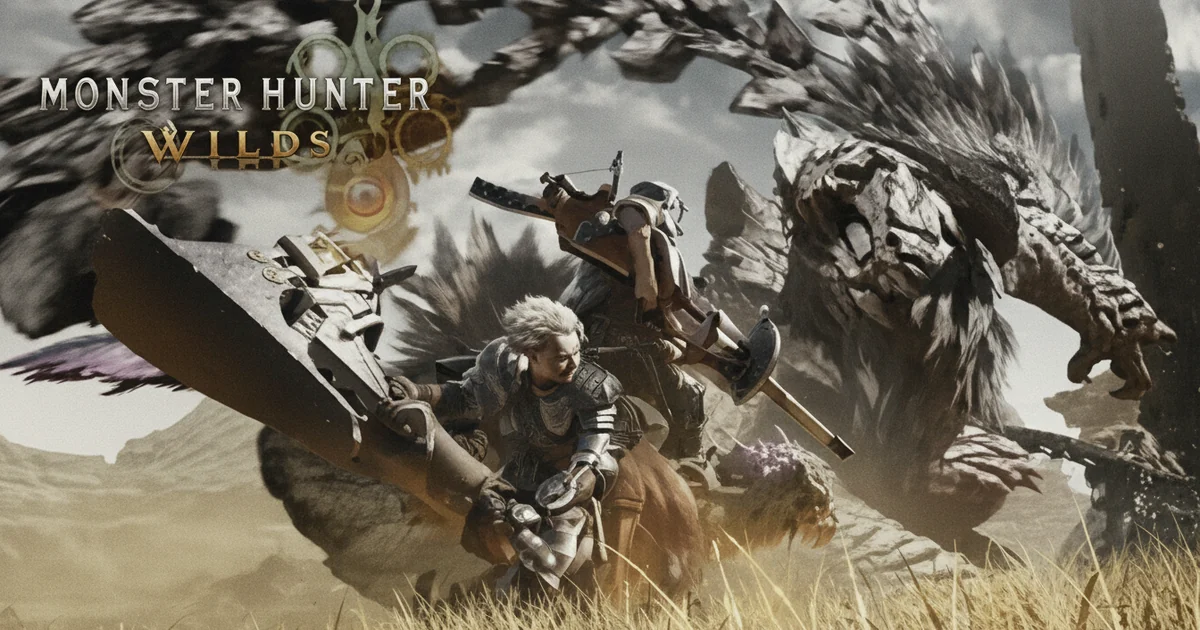
Event Quests are limited-time hunts that drop on a roughly weekly cadence, run anywhere from seven days to several weeks, and deliver rewards you cannot get from the standard quest pool. The reward types are the part JRPG players will recognize immediately: exclusive cosmetics (gestures, pendants, palico outfits), high-tier armor and weapon crafting materials, decorations (the gem-like skill modifiers that drive Wilds builds), cooking ingredients, and the occasional mid-quest unlock that ties into longer progression chains.
Event Quest rewards are only available for a limited amount of time. If players miss a reward, they must wait for Capcom to update the schedule for a chance to receive the reward. This wait may last for an indefinite amount of time if the reward is only available for one time collaboration. Players familiar with deadline style game mechanics in games like Persona and Atelier will realize the draw of keeping players engaged and rewarding them for logging on consistently to obtain rare rewards.
How to Unlock and Access Event Quests
Accessing event quests is easier than the game shows. At the main hub, head to the NPC named Alma at the quest counter, open her dialog, and choose the "Event Quests" tab. This tab displays everything currently available and shows what Hunter Rank levels are needed. Some early-rotation quests are available to new players at HR 2; however, higher-tier event content is gated at HR 100+ and is purposefully difficult.
If the quest slots are full when you try to join, which happens for popular hunts on rotation day, the SOS Flare method is the quickest alternative. Keep the Hunter Hub set to public, filter the SOS Flare by "Event Quests," and you will join a hunt faster than being able to refresh the join queue. Plus, posting an SOS Flare will get you a group for the event quests faster than going solo in the upper event tiers. The player base in Wilds is sufficiently large that you are almost guaranteed to get a party within a minute of posting a flare.
Challenge Quests Are a Different Animal
Challenge Quests look like event quests on the surface but operate under different rules. The key distinction is that you don't choose your own equipment. Capcom gives you a set loadout for the quest which means challenges are all about execution and not which loadout you bring. This is why Challenge Quests are ideal for the Monster Hunter Wilds esports circuit, which has hosted championship qualifiers in the USA, France, and Taiwan within the past year.
Unlike the Monster Hunter Wilds esports system, the real reason players participate in Challenge Quests is for the exclusive post-event pendants. These rewards are mostly cosmetic, and signify to other players that you participated in a certain tournament within a designated timeframe. The quests also teach valuable skills. Because you can’t choose which equipment you use, you are forced to learn the moves of a weapon type and strategies that you would typically avoid when creating your own loadout.
The JRPG-Fan Bridge: Why This Loop Feels Familiar
When zooming out from the gameplay, event quests line up with really basic JRPG systems. The grind for loot and decorations is just like chasing rare drops for completing Personas in the compendium or for crafting in post-game Ateliers. It's the same dopamine loop, just a different perspective. The satisfaction built from optimizing a team for high-tier event content is the same systems-thinking that Ys X: Nordics or Tales of Berseria will reward you with in the hardest endgame content, it's just in real-time instead of menus.
The seasonal event rotation (Dreamspell in autumn, Flamefete in summer, Lumenhymn in winter, and Blossomdance in spring) is the type of calendar structure Persona players are used to. Also, the cosmetic milestones and collecting pendants/gestures to mark in-game achievements has the same collector-fan psychology as JRPG side content.
None of this means Wilds is turned into a JRPG. But it significantly reduces friction for JRPG players who are curious about the game, as the engagement loops are not foreign, just dressed in different clothes.
Current Rotation Highlights
There are many different types of active slate events. Stalking Supper is one of the more difficult hunts and gives cooking materials that are used in late-game meal buffs. In Kut-Ku Gone Cuckoo some players are caught off guard because of the sudden difficulty shift in this multi-monster hunt. The Shining Storm Rages event is a showcase quest and one of the most challenging fights in this rotation that limits entry to players with Gamma gear and a Hunter Rank of 100 or higher.
On the upside, the recent Fender collaboration event has introduced a new emote (gesture) called "Rockin’ Guitar" which has become a symbol for the community, while the Shatterseal Great Sword (which is a prize from a design contest) can still be obtained through a quest that rotates regularly. Both are the kind of one-off cosmetics that disappear when the window closes, so they are worth claiming when they cycle.
As a seasonal note, with the upcoming Lumenhymn winter rotation, there will be new armor sets and returning collaborations from the community. Each season, the schedule is published a few weeks in advance.
Should JRPG Fans Jump In?
The answer depends on what type of JRPG player you are. If you gravitate to the loot-grind and build-optimization corners of the genre — long Atelier postgame, Ys endgame, the Trails superboss chase — Wilds will feel like home faster than you expect, and the event-quest system is the perfect entry point to the live-service-style content layer. The mechanics translate.
Wilds will not convert you if you are a turn-based JRPG purist. It will also not convert you if you play JRPGs to avoid any form of real-time combat. The moment-to-moment core gameplay will require reflexes and positioning the same way and to a higher intensity than Tales action combat. It is reasonable to watch a few hours of high-level play before making the decision to buy.
The game being available on multiple platforms means that there is no longer any platform friction. If you have a PS5 or Xbox Series or a PC that runs Wilds, then the cost to be curious is just the game itself and the event-quest system will give you something to start with right away.
For an adjacent multi-platform comparison aimed at JRPG-adjacent players, see our Grand Bazaar platform verdict. Coverage referenced the rpgsite Monster Hunter Wilds event-quest guide.