Why The Switch 2 vs Steam Deck Choice Matters for JRPG Players in 2026
When comparing Nintendo Switch 2 vs Steam Deck OLED, JRPG gamers looking to make a purchase in 2026 will have varying options to consider. In terms of portable role playing gaming, both devices present compelling features but each offers varying opportunities and disadvantages that a consumer may want to consider. Nintendo Switch 2 will offer different first party exclusives than the Steam Deck OLED will offer through Valve. However, Steam Deck OLED’s open Linux architecture along with Nintendo Switch 2's closed competitor offers different advantages than Nintendo Switch 2 will.
This guide will look at ten comparison categories and how they each stand out to JRPG fans. We will order these from least to most important as we review each platform to reach a conclusion to best fit the library in question. This review will look at features such as custom JRPG ownership, flexibility with emulation, modding, subscription cloud gaming, and differing stores.
In this comparison, each platform’s devices, which range in use broadband, collection, and ownership devices with different intended uses, are appreciated. The decision should be based on your collection of JRPGs and how much flexibility regarding platform ownership you have versus simple plug and play options.
Switch 2 vs Steam Deck OLED — Quick Comparison Table for JRPG Fans
This section covers Switch 2 vs Steam Deck OLED — Quick Comparison Table for JRPG Fans.
#10 — Display Quality + OLED Comparison for HD-2D JRPG Visuals
An important aspect to keep in mind about JRPGs and their display needs is the long amount of time spent with a single game. Fast-action games might allow players to experience a game in a couple of hours. Role-playing games on the other hand can often take hundreds of hours to complete the main story, not including side quests. Furthermore, in JRPGs you spend a lot of time reading text and navigating detailed character menus so you want to be able to appreciate the character art. For those reasons, display quality matters more for JRPG players. The Steam Dock OLED has a 7.4-inch HDR OLED panel that provides true blacks, a vibrant color saturation, and excels at text clarity, which helps reduce eye strain during long gaming sessions. Nintendo Switch 2's display may perform decently, but it cannot be compared to the OLED display because the Nintendo Switch 2 uses an LCD display. For JRPGs with an HD-2D aesthetic, deep blacks are a necessity. Many JRPG gamers spend a lot of their gaming time in handheld mode, so for the Steam Deck and Nintendo Switch 2 OLED display comparison, Steam Deck is the clear favorite. WINNER: Steam Deck OLED.
#9 — Battery Life for JRPG Marathon Sessions
Playtime battery life for JRPGs can differ based on game length, brightness, and platform. The Steam Deck can allow up to 6-8 hours or even 10-12 hours for retro emulation games, but the Switch 2 can only provide an average of 4-7 hours. Due to this, the Steam Deck OLED is the obvious option for longer trips and commutes, while the Switch 2 is better for playing during breaks as it has a quicker USB-C charging time than the Steam Deck. The overall winner is the Steam Deck OLED for battery life and the Switch 2 for charging.
#8 — Storage + Save Backup Architecture for Long-Form Campaigns
When it comes to storage and backup systems, the two platforms differ greatly. The Steam Deck OLED has internal NVMe storage options of 1TB and supports microSD cards up to 2TB with Steam Cloud saving that works cross-device including desktop PCs. While Switch 2 also allows for microSD expansion, Nintendo’s save backup system requires a Nintendo Switch Online subscription and cross-device portability is limited to other Switch consoles. For JRPG fans, the Steam Cloud system is far superior for long-term storage needs when 200-hour Persona or 400-hour FF XIV saves require portability. WINNER: Steam Deck OLED.
#7 — Native Game Optimization: Bespoke Ports vs Proton
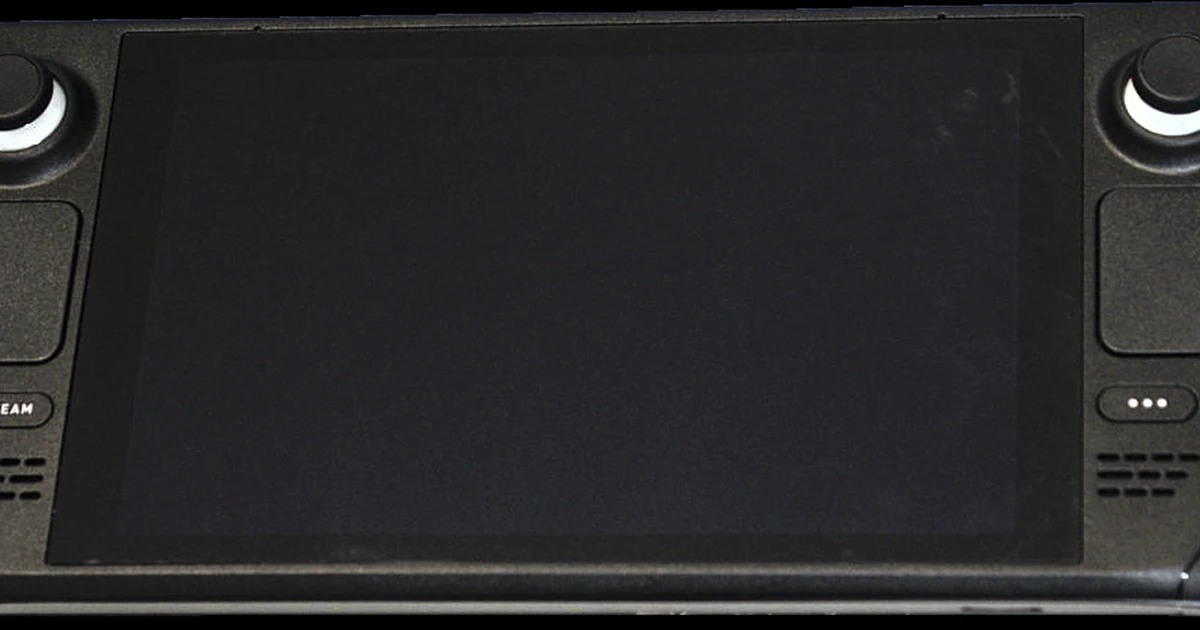
The Switch 2 has the edge with its native game optimization as it gets custom ports meant to work with Switch 2's hardware. Ports like Octopath Traveler II will run the best on Switch 2 as Square Enix made the port to run with those specs exactly. The Steam Deck OLED will run it using Proton and while that usually runs well, there can be frame pacing issues with some games. The Steam Deck will not run the game as well as the Switch 2 due to those potential issues. The Switch 2 will receive publisher priority and will get superior day 1 Switch versions that will eliminate any Proton issues. Switch 2 wins.
#6 — Performance: DLSS vs FSR Upscaling for JRPG Rendering
Rendering load performance differs per platform depending on the game's optimization profile. Switch 2's upscaled DLSS technology allows for adjustable rendering resolution with games like Pragmata running (docked) with a native 540p (1080p upscaled) resolution and 360p when handheld. The Steam Deck OLED runs FSR and, while comparable, the two technologies produce distinct visual results. Modding communities backport newer versions of FSR to extend the hardware's useful life. The DLSS vs. FSR debate for visually intensive JRPGs such as Final Fantasy XVI varies by game and there isn’t a single platform that wins consistently. Switch 2 wins for DLSS, Steam Deck OLED wins for flexible community FSR backporting.
#5 — Game Library Access: eShop vs Steam + Epic + GOG
Game library access shows the philosophical differences of the platforms. The Steam Deck OLED allows players to install Epic Games Store (through Heroic Games Launcher), GOG, itch.io, etc. This is also a more accessible option than Steam’s 130,000-game library. The Switch 2 however, restricts access to the Nintendo eShop, which means no third-party store downloads. For JRPG fans, the Steam Deck is the clear winner. Nintendo isn’t going to have Tales of Arise (Epic) or Classic Final Fantasy bundles (GOG) and also won’t have indie JRPGs that are exclusive to a different store. In the gaming soundtrack comparison for the 10 Best JRPG Soundtracks Streaming 2026, where the Steam Deck also wins on multiple platforms, it shows the differences in streaming options that also benefits the Steam Deck because of the open architecture. The winner is the Steam Deck OLED.
#4 — Cloud Gaming: NSO Expansion vs Xbox Game Pass Ultimate
Cloud gaming subscriptions let you play games without needing to install them locally. With Game Pass Ultimate ($22.99 a month) you can play the entire Persona series, Yakuza games, Tales of Vesperia and tons of other JRPGs streamed directly to you on your Steam Deck OLED with nearly the same quality as the device. On the other hand, the Switch 2 will only let you do cloud gaming with Nintendo Switch Online + Expansion Pack ($49.99 a year for individual, $79.99 for a family) and it has way fewer JRPGs. For franchise-wide Persona context, every Persona game ranked features each numbered entry and Game Pass cloud streaming made accessibility for the franchise way easier. WINNER is Steam Deck OLED with Game Pass Ultimate.
#3 — Modding + Community Tools for FFXIV + Persona
The Steam Deck OLED has community tools and modding as its biggest advantage in customization. For example, modding Final Fantasy XIV with TexTools lets you change the textures, GShade can enhance graphics, and ACT is used to parse combat logs to optimize raid groups. Unlike the Steam Deck, the tools mentioned won't work for the Switch 2 because modifications aren't possible due to Nintendo's closed signed-binary ecosystem. The same applies to community quality-of-life patches for ports of older JRPGs, save editors for completionist runs, and cosmetic mods for FF XIV characters. Steam Deck OLED wins again.
#2 — Emulation + Retro JRPG Backlog Access (NES → PS3)
The Steam Deck OLED offers the most streamlined experience for emulation and accessing an ever-growing backlog of retro JRPGs. With a quick one-click setup through EmuDeck, users can run emulators for the NES, SNES, Genesis, PlayStation, PlayStation Portable, GameCube, Wii, Nintendo DS, Nintendo 3DS, and PlayStation 3. This means you can run most JRPGs including all the Final Fantasies and Persona 4 Golden. The original Chrono Trigger on SNES, Suikoden II on PS1, Vagrant Story on PS1, Original Final Fantasy VII on PSX, Persona 3 FES on PS2, and hundreds more games can be played (as long as you own a physical copy of the game). For the best JRPGs with permadeath, check out these hardcore challenge run support games as they cover retro and modern releases that feature the most influential permadeath systems. Unlike the Switch 2, which requires you to jailbreak the console to run third-party emulators (which voids your warranty and can get you banned from Nintendo’s online services), you can run all of these emulators on the Steam Deck OLED. It's an easy choice!
#1 — First-Party JRPG Exclusives (Fire Emblem / Xenoblade / Pokemon)
First-party JRPGs exclusives will hold the Switch 2 down and will make the platform choice for a lot of buyers clear. Titles like Fire Emblem: Three Houses, Xenoblade Chronicles 3, Pokemon Scarlet/Violet, and new entries in Fire Emblem are Nintendo exclusives that cannot be reached through any standard way for the Steam Deck OLED. To look at the entire franchise, Nintendo Switch has the best JRPGs surveys. Nintendo first-party JRPG players have no real substitute to Switch 2 for fresh content in those franchises, and the platform's exclusivity safeguards this competitive edge that no community workaround can totally replicate. Switch 2 clearly wins, no Steam Deck alternative.
Switch 2 vs Steam Deck OLED: 2026 Verdict by JRPG Player Type
When it comes to the Switch 2 vs. Steam Deck OLED for JRPG players in 2026, it ultimately comes down to personal preference. If players are looking for Nintendo first-party exclusives, then they should buy a Switch 2 since there are no other alternatives for Fire Emblem, Xenoblade, or Pokemon. On the other hand, players looking for broad access to JRPG libraries, including the ability to play emulated games, cloud gaming subscriptions, and modding as well as cross-platform store access, should buy a Steam Deck OLED as it is the most flexible option with its open Linux architecture.
If players are looking for both Nintendo first-party exclusives and other cross-platform titles, then they will want to buy both consoles to have complete access to all JRPGs with the Switch 2 covering the exclusives and the Steam Deck OLED covering everything else. The total cost for both consoles is approximately $899–1099, which provides handheld gaming portability and access to both libraries at a cost lower than many dedicated gaming PC builds.
For greater context when it comes to JRPGs and the overall genre catalog, best RPGs of all time covers foundational rankings that explain all the different platform choices and includes franchises from all genres. Best JRPGs on Steam Deck goes over the catalog of what is available natively on Steam through Proton compatibility. Each Final Fantasy ranked contains franchise-wide context so that Final Fantasy is available across both cloud streaming platforms. Best pixel art JRPGs examines the pixel art era visual identity where both platforms do well but the Steam Deck OLED HDR panel provides a slight increase in quality. Anticipated JRPGs of 2027, covers a forward looking look at announced titles that may track platform buying decision influences, upcoming JRPGs aims at the JRPG releases most. The previous steam deck wins/jrpg wins 2026 coverage steam deck specific jrpg advantages provides the earlier complementary breakdown. The first BGR comparison that further informed this JRPG focused work is at https://www.bgr.com/2171167/nintendo-switch-2-vs-steam-deck-comparison/ for the general audience.
For the full Switch 2 first-party JRPG library catalog, see best JRPGs on Nintendo Switch covering exclusive franchises inherited from Switch generation.
For Final Fantasy franchise context across both platforms including cloud streaming options, every Final Fantasy ranked covers each numbered entry.
For forward-looking coverage of upcoming releases that may influence platform choice, most anticipated JRPGs of 2027 tracks announced titles across both platforms. For the official Switch 2 specifications page, see Nintendo. Steam Deck hardware specifications are available from Valve.