I've reviewed and ranked over 250 JRPGs across every major platform since 2017 — these recommendations come from direct, complete playthroughs, not aggregated scores. That history matters here, because the question I get most often isn't "what's the best JRPG?" It's "where do I even start?" The Switch has a definitive answer to that question. Here's what it is.
Why the Switch Is the Best Place to Start With JRPGs
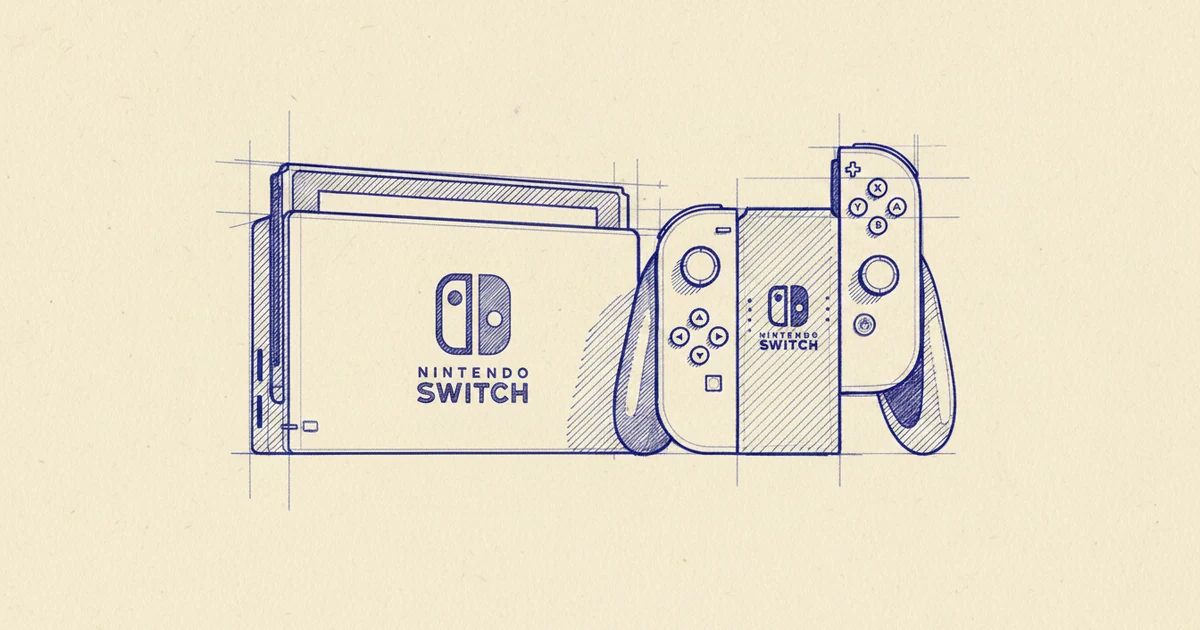
Portable play changes the math entirely. A JRPG that asks for 60 hours feels less daunting when you can knock out 20 minutes on a commute or 45 minutes before bed — the Switch normalizes that rhythm better than any home console. On top of that, the library spans everything from entry-level Pokémon-adjacent designs to deep tactical systems, which means you can scale up gradually instead of getting thrown into the deep end. Many Switch JRPGs also support flexible saves, letting you quit mid-dungeon without losing progress. The friction that kills newcomers on other platforms is largely gone here.
What Makes a JRPG Beginner-Friendly (And What Doesn't)
Not every JRPG belongs in a beginner's backlog. Being honest about that upfront saves a lot of frustration.
Mechanics to watch for
Four features actually lower the barrier: adjustable difficulty settings, clear in-game tutorials that explain mechanics rather than assuming prior genre knowledge, a main story in the 30–60 hour range, and a story-first design where narrative momentum carries you forward even when mechanics feel unfamiliar. Save flexibility matters too. Games that let you save anywhere forgive rookie mistakes instead of punishing them with lost time. Bonus points if the game lets you skip or automate battles once a fight is clearly won.
Red flags for newcomers
Complex crafting webs — the kind where you need to understand three interlocking systems before the fourth one makes sense — are a fast track to burnout. Permadeath-adjacent systems, where one bad decision erases hours of work, create anxiety that kills enjoyment before the story gets interesting. Mandatory grinds that gate story progress behind stat requirements are another common killer. Games with multiple sequels' worth of lore baked into their opening hours should wait until you've built some genre literacy. These aren't criticisms of those games. They're honest guidance about when to play them.
The Best Beginner JRPGs on Switch, Ranked
Ranked by accessibility, easiest first. Every recommendation is based on a full playthrough.
Pokémon Legends: Arceus — the no-excuse entry point
Pokémon Legends: Arceus is an open-area action-JRPG hybrid set in ancient Sinnoh, and it's the single most friction-free entry point the genre has on Switch. It strips out the competitive metagame and gym-badge progression that have historically confused newcomers, replacing them with a mission-driven exploration loop that eases players into turn-based fundamentals without ever making them feel tested. The honest caveat: the visuals are rough by any standard. If you're expecting Zelda-level production values, you'll need to look past the presentation to appreciate how smartly the design works.
Octopath Traveler II — pick-your-own-pace storytelling
Octopath Traveler II is a turn-based RPG with eight playable characters, each carrying their own 10–15 hour story arc. Its chapter structure is the killer feature for beginners. You can play 90 minutes on a single character's story and feel like you've accomplished something complete. It's built for interrupted, session-based play — the kind that actually matches how newcomers approach long games, rather than the marathon sits traditional JRPGs demand. Caveat: the Break/Boost combat system takes a few hours to click, and the eight storylines don't converge in a deeply satisfying way until late. Stick with it.
Fire Emblem: Three Houses — strategy JRPG with a safety net
Three Houses is a tactical RPG where you command a class of students through turn-based grid battles and a school-life management sim in between. It offers Casual Mode, where units don't permanently die. That removes the single biggest anxiety point for strategy JRPG newcomers who fear losing hours of progress to one bad battle. It's the correct way to play your first run, full stop. The caveat is runtime: the main story runs 50–80 hours depending on your route, and there are four distinct routes. This one asks for genuine commitment even if individual sessions are flexible.
Dragon Quest XI S — the genre's most welcoming epic
Dragon Quest XI S: Echoes of an Elusive Age — Definitive Edition is a traditional turn-based JRPG with a globe-spanning story and the most polished newcomer onboarding in the series' history. The default difficulty is deliberately tuned for series newcomers — you can finish the first act without ever grinding — and the game never assumes you've played a Dragon Quest before. It includes a hard mode (Draconian Quest) and a retro 2D mode toggle for veterans, but ignore both on your first run. The caveat is pure scale: the main story runs around 60 hours at a comfortable pace, with more beyond that. This is a commitment, but every hour is earned.
Xenoblade Chronicles 3 — earn this one, but here's how
Xenoblade Chronicles 3 is a real-time action-JRPG with an enormous world, a 70–80 hour main story, and interconnected systems that take genuine time to understand. It's not a beginner's first game — I'm putting it last on this list for a reason. But it's here because it's one of the best JRPGs available on any platform, and newcomers who've built some genre literacy with the titles above will find it more accessible than its reputation suggests. The game front-loads tutorials generously and lets you scale difficulty down if combat gets overwhelming. Play it fourth or fifth, not first.
Honorable Mentions Worth Knowing
Bravely Default II is a love letter to classic turn-based design with a Job system that lets you mix and match character classes freely. It's approachable and well-paced, though the difficulty spikes in the mid-game more sharply than anything on the main list — go in knowing that. Monster Hunter Stories 2: Wings of Ruin is the Monster Hunter universe's JRPG spinoff, and it's far more newcomer-friendly than the mainline hunting games. The turn-based battles are clean, the monster-collecting hook is immediately satisfying, and the story is short enough to finish without a backlog-guilt crisis. Persona 5 Royal is arguably the best JRPG of its generation, but its 100-hour runtime and dense social-sim layer make it better as a third or fourth JRPG than a first. File it under "work up to this one," not "skip it."The Recommended Play Order for JRPG Newcomers
My recommendation, not a committee vote: start with Pokémon Legends: Arceus to get comfortable with turn-based fundamentals and open-world JRPG structure, then move to Dragon Quest XI S for your first real epic, then Octopath Traveler II to experience how anthology structure changes the pacing, then Fire Emblem: Three Houses to add strategic depth, and finally Xenoblade Chronicles 3 when you're ready for the genre's full ceiling. That path builds genre literacy in the right order and doesn't throw complexity at you before you have the tools to enjoy it.
What to Avoid Until You're Ready
A few titles that should stay on the wishlist, not the active backlog, until you've finished at least two games from the main list above. Xenoblade Chronicles 2 has a Blade-collection system and a combat engine with so many overlapping mechanics that even veteran JRPG players needed hours to parse it — the payoff is real, but the onboarding is genuinely hostile. Tactics Ogre: Reborn is a masterpiece of tactical RPG design with a punishing difficulty curve and minimal hand-holding; it rewards players who already understand the genre's grammar. Tokyo Mirage Sessions #FE Encore is fun and underrated, but its fan-service-heavy presentation and dungeon-crawl focus make it a poor genre introduction. None of these are bad games — several are exceptional — but they're for later. Play them after you've earned some JRPG scar tissue, and you'll appreciate them far more.
For the full Switch JRPG rankings and individual game reviews, dig into Icicle Disaster's complete library — every score comes from a complete playthrough, and the list covers beginner picks through the genre's most demanding endgame experiences.