
Squall is nearing the end of his studies at Balamb Garden, a campus that hosts mercenary youths who study combat skills and magic as everyday course material. Girls still gossip in hallways. Boys still pick fights over petty insecurities. For Squall, those childish urges leave him a scar — a gash across the face from a rival classmate's gunblade, the weapon itself a perfect representation of the bizarre balancing act that is Final Fantasy VIII. Where realistic and familiar components — a blade and a revolver — combine to make something new and incomprehensible. I played FF8 on PS1 in 1999, on PC in 2013, and the Remastered in 2020. Each time, the same things struck me: the Junction system is either broken genius or genius that's broken, Rinoa is the best character in the game, and the entire experience feels like a fever dream that somehow works.
Balamb Garden: A Military School That Feels Like High School
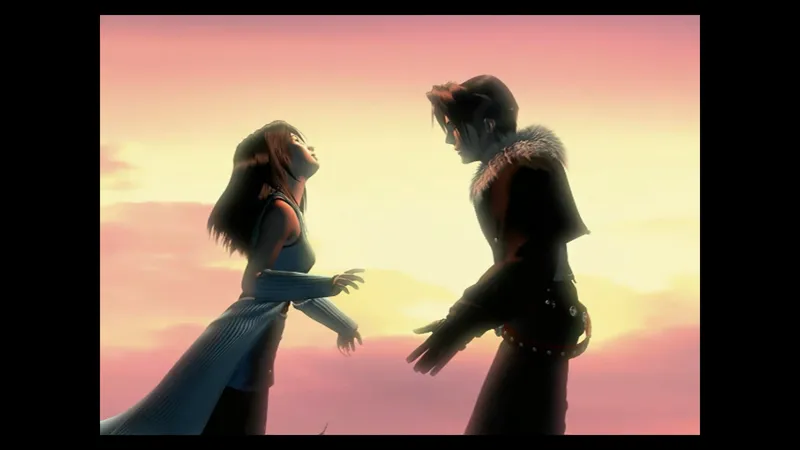
FF8's genius is in its dissonance. Squall's first mission is a field exam — students raid the beaches of a city under military occupation. The whole segment is a complete rush, battle screen to battle screen as heroic music bites at your heels. Afterward, it's back at school. Waiting in corridors for test results to be posted. An impatient, obnoxious group of kids checking the bulletin board for grades they earned by storming a beach under fire. The game is often surreal this way — a boyhood fantasy come to life. Daringly realistic in its depiction of growing pains, but wholly unreasonable in the situations it places its cast. Childish moments during grisly missions may have you ready to flip the nearest table, and there are many. These youths showcase no qualifications to be soldiers, just the naivety of their age.
The Junction System: Draw, Stock, Customize, Break
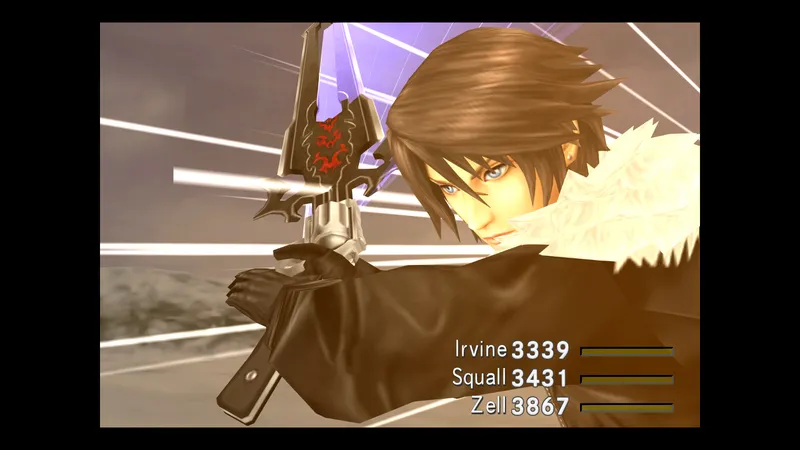
In FF8, enemies hold the magic. The Draw command lets you steal spells mid-battle and stock them — up to 99 of each type. Stocked spells can be Junctioned to stats: 99 Firagas on your Strength makes Squall hit like a freight train. 99 Curagas on HP makes him nearly unkillable. It's a system that rewards hoarding, punishes casting (every spell you use weakens your stats), and breaks the game wide open if you understand it. Link a Guardian Force with the right abilities unlocked, and your party becomes invincible by disc two. The Draw animation is oddly satisfying — a colorful sucking effect that turns enemies into loot piñatas. But the system creates a perverse incentive: the optimal way to play is to never cast magic, which means the most interesting customization options actively discourage using the combat system as intended. It's brilliant and broken in equal measure, and every FF8 conversation eventually becomes an argument about whether that's a feature or a flaw.
Guardian Forces: The Spectacles That Overstay Their Welcome
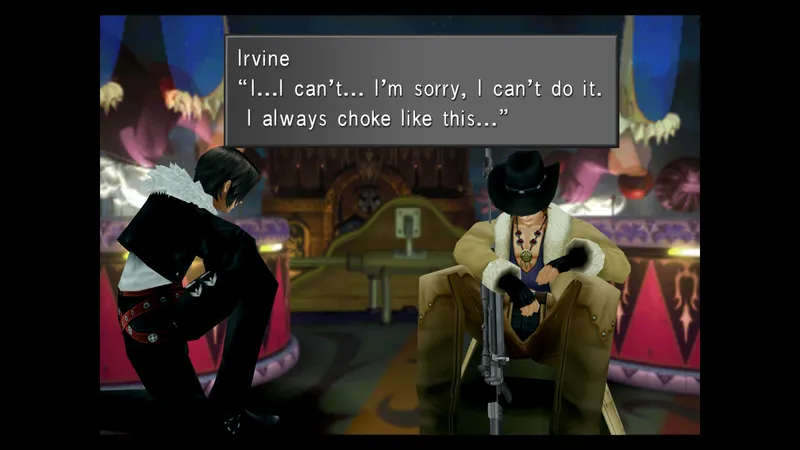
Guardian Forces are FF8's summons, and they're spectacular — the first time. Shiva's ice storm, Ifrit's hellfire, Brothers' earthquake — each is a cinematic event with camera angles and particle effects that pushed the PS1 to its limits. By the fiftieth use, you're praying for a skip button that doesn't exist. GFs are overpowered enough that summoning them is often the optimal strategy, which means watching the same thirty-second animation hundreds of times across a sixty-hour game. The Remastered version added a speed-up toggle, and that single feature arguably improves the game more than any graphical upgrade. GFs also serve the narrative: the in-game lore suggests that Junctioning Guardian Forces causes memory loss, which explains why the characters don't remember their shared childhood at an orphanage. Whether that's clever worldbuilding or a convenient plot device depends on your generosity toward Kazushige Nojima's writing.
Rinoa: The Emotional Core That Holds Everything Together
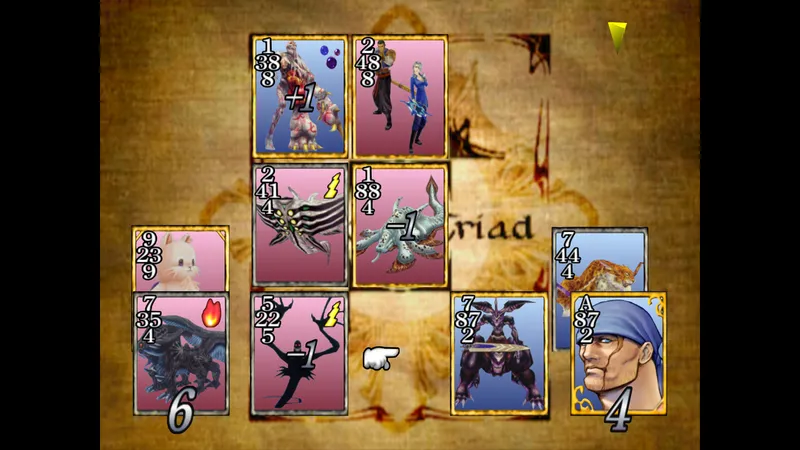
Rinoa Heartilly is not a soldier, not a SeeD, not a chosen one. She's a civilian resistance fighter who joins Squall's mission through circumstance and stubbornness, and she's the best thing about Final Fantasy VIII. While Squall retreats into "..." dialogue bubbles and performs emotional unavailability as a personality trait, Rinoa drags him — and the player — toward emotional clarity. The ballroom scene at the SeeD graduation dance is the game in miniature: "I can't dance" isn't a response she'll accept. She pulls you by the arm onto the floor, into the spotlight, and into vulnerability. In a world of elite magical soldiers, evil sorceresses, mythical beasts, and time travel, she remains tangible — a comforting constant within a schizophrenic universe.
The space scene in disc three — where Squall drifts through the void to reach Rinoa — is one of the most beautiful sequences in the franchise. Not because of the spectacle, but because it's the first time Squall acts without calculating the odds. He just goes. The music cuts. The stars fill the screen. And for the first time in sixty hours, Squall admits that someone matters to him more than protecting himself from loss. That's FF8's thesis: emotional connection is terrifying, and it's the only thing worth having.
The Verdict: A Fever Dream That Earns Its Love Story
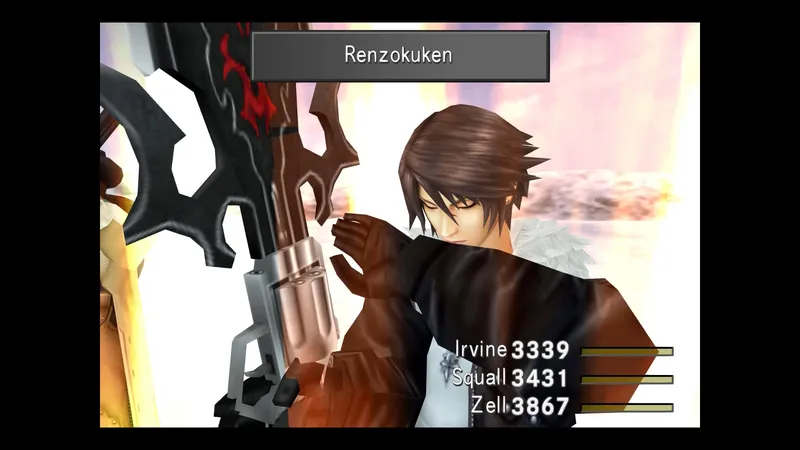
FF8 is the most divisive game in the franchise and I think that's exactly what it wanted to be. The Junction system is a sandbox for creative exploitation if you engage with it, and a broken mess if you don't. The plot goes from military academy to time-traveling sorceress to space to literal time compression, and somehow the emotional throughline — Squall learning that isolation isn't strength — holds it all together. The GF animations are too long. The level-scaling means enemies grow with you, which punishes grinding. Disc four is a rushed sprint through a final dungeon that deserved more development. But Rinoa. The ballroom. The space scene. "Eyes On Me" playing over the ending. FF8 earns its love story the hard way — by making you spend forty hours with a protagonist who doesn't believe he deserves one. Play the Remastered on Steam with the speed boost. The Junction system is more fun to break than to respect. And when Rinoa pulls Squall onto the dance floor, let her. That's the whole game.
All images are official screenshots from their respective publishers. Originally published 2015. Updated March 31, 2026.