Every year, the JRPG community picks its obsessions — the games that dominate Reddit threads, flood YouTube with analysis videos, and spark the kind of passionate debates that only this genre can produce. In 2026, the conversation is louder than it's been in years. Between long-awaited sequels, ambitious reimaginings, and a couple of newcomers that seemingly came out of nowhere, the JRPG space is absolutely stacked. Here are the eight games everyone is talking about right now.
1. Dragon Quest VII: Reimagined — The Comeback Nobody Expected
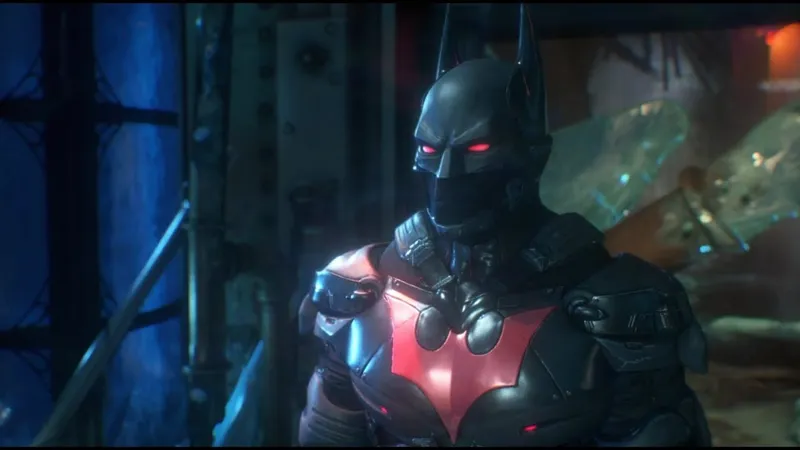
Dragon Quest VII was always the black sheep — a 100-hour PS1 epic that most Western players skipped. Square Enix announcing a full reimagining (not a remake, not a remaster) caught the community off guard. Early footage shows a complete visual overhaul while preserving the vignette-based storytelling that made the original unique. The JRPG subreddit has been dissecting every trailer frame by frame. If it delivers, this could be the Dragon Quest that finally converts the holdouts.
The original DQVII was a hundred-hour commitment on the PS1, with a thirty-hour slow start before the job system even unlocked. The 3DS version trimmed it to sixty hours and was still considered long by modern standards. The reimagining is reportedly aiming for forty hours of core content with the vignette structure preserved — each island getting a self-contained story arc that feeds into the overarching timeline. If they nail the pacing, this could be the Dragon Quest that finally cracks the Western mainstream. If they don't, it's another hundred-hour niche product. The JRPG subreddit is placing bets.
2. Metaphor: ReFantazio — Atlus Conquers a New Genre

From the creators of Persona comes a high-fantasy RPG that takes everything Atlus learned about calendar systems, social mechanics, and turn-based combat and applies it to a world that isn't modern Tokyo. The reception has been overwhelmingly positive — the combat system, the archetype class system, and the politically charged narrative are generating the kind of analysis threads that Persona 5 got in 2017. Atlus proved they aren't a one-trick studio.
The archetype system — Metaphor's version of Persona's social links crossed with a class system — is generating the most analysis. Each archetype unlocks through relationship milestones with specific characters, and the combat roles they grant are wildly different from Persona's persona system. Instead of collecting and fusing monsters, you're evolving human archetypes that reflect your bonds. It's Atlus doing what they do best: tying character progression to narrative investment so tightly that grinding feels like storytelling.
3. Final Fantasy VII Rebirth — The Gold Saucer Discourse
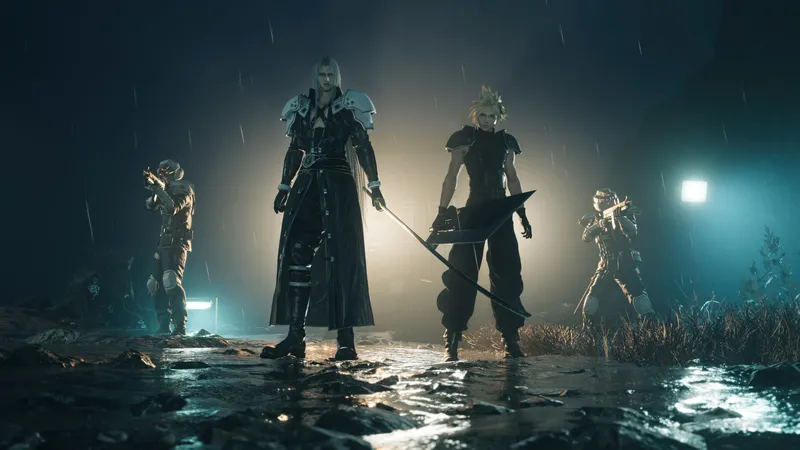
Rebirth has been out long enough for the discourse to mature from "is it good?" to "which date is canon?" The Gold Saucer sequence, the open-world exploration, and the ending's divergence from the original have created a community split between those who love the creative risks and those who wanted a faithful recreation. Either way, everyone is talking.
4. Trails through Daybreak II — The Faithful Rejoice
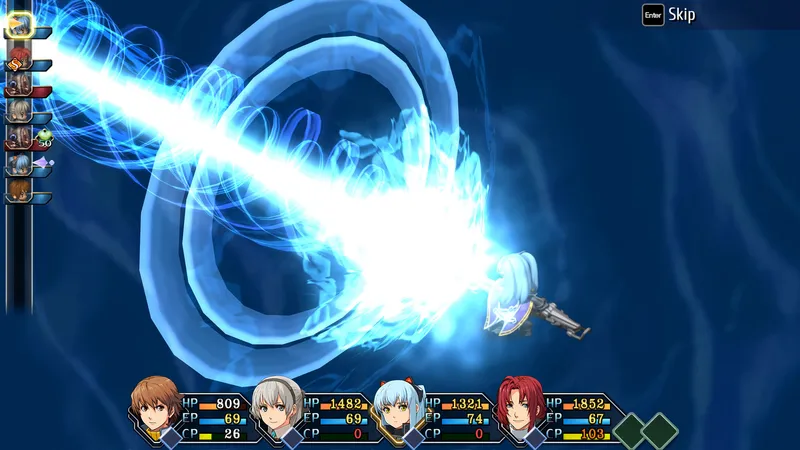
Daybreak II's Western release has the Trails community in celebration mode. Van Arkride's story continues with the series' trademark 60-hour runtime, interconnected world-building, and the kind of slow-burn character development that rewards investment across multiple games. The combat refinements and the darker narrative tone have even converted some series skeptics.
5. Persona 3 Reload: The Answer — Closure at Last
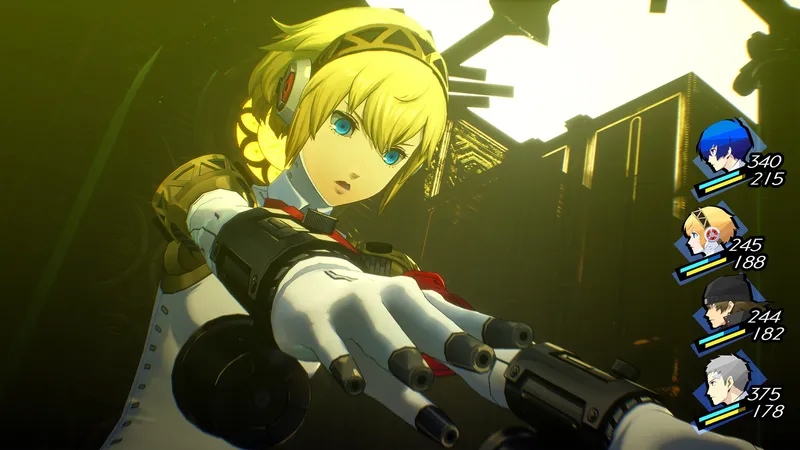
The Answer DLC for P3 Reload gave the community what they'd been asking for since 2006: a fully modernized version of the epilogue chapter. The discourse around whether The Answer "fixes" or "diminishes" the original ending has been fiercer than any boss fight in the game itself. Atlus can't stop winning in 2026.
6. Fire Emblem: Fortune's Weave — Pre-Release Mania
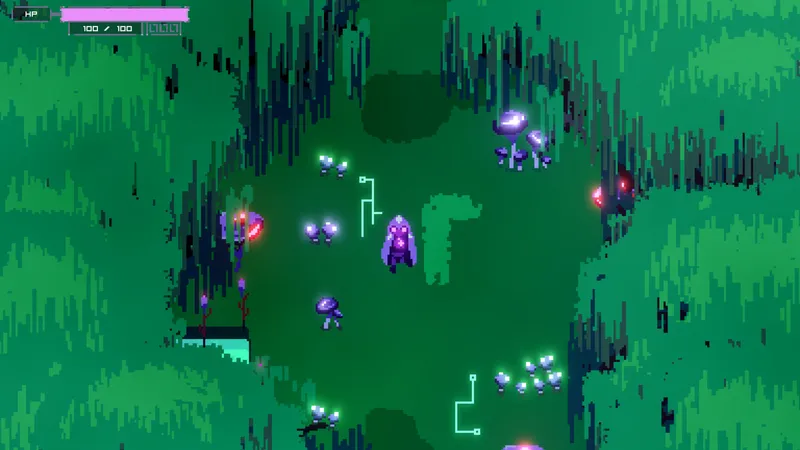
Not yet released and already dominating conversation. Character rankings, speculation threads, class system breakdowns based on trailer analysis — the Fire Emblem community is in full pre-release mode. The confirmed return of the support conversation system guarantees another cycle of romance optimization discourse.
7. Like a Dragon: Pirate Yakuza — Majima Goes to Sea
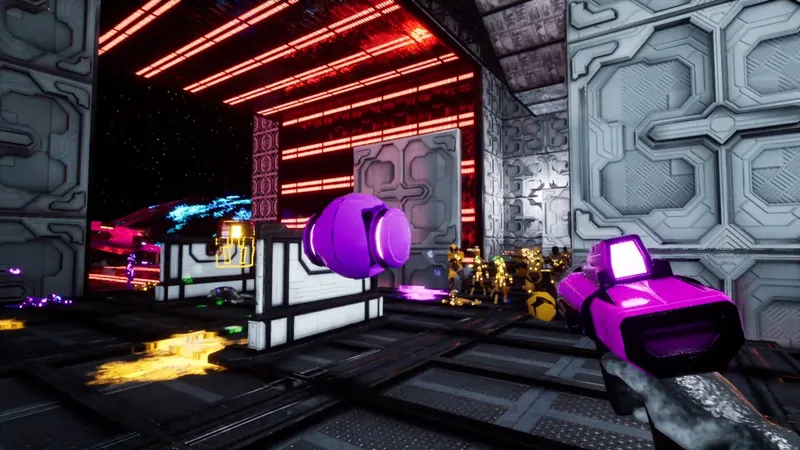
Majima as a protagonist. On a pirate ship. With turn-based naval combat. The trailer alone broke the JRPG internet. Whether this delivers on its absurd premise or collapses under the weight of its own ambition, the conversation around it has been electric. The franchise's shift from action brawler to JRPG continues to pay dividends.
The turn-based naval combat is the wildcard. Yakuza's shift to turn-based with Like a Dragon worked because Ichiban's personality justified the Dragon Quest homage. Majima on a pirate ship justifies... whatever Majima wants. The freedom of not needing narrative logic when your protagonist is a chaotic neutral madman gives the developers room to experiment in ways that a Kiryu game never could. Whether the ship combat has depth or is just spectacle remains the community's biggest open question.
The Common Thread: Why 2026 Feels Different
What separates 2026 from previous JRPG years is the diversity of ambition. Dragon Quest VII is reinventing a classic. Metaphor is building a new IP from Persona's bones. Rebirth is rewriting a sacred text. Daybreak II is paying off a decade of serialized storytelling. Fire Emblem is promising deeper emotional consequences. Pirate Yakuza is throwing rules overboard. Each game is taking a significant creative risk rather than playing it safe, and the community is responding with an intensity of discourse that the genre hasn't seen since 2017's Persona 5/NieR Automata one-two punch. Whether 2026 delivers on these promises or becomes a year of beautiful disappointments, the conversation itself proves that JRPGs are no longer niche — they're the center of gaming discourse.
8. Visions of Mana — The Franchise's Last Chance
The Mana series hasn't been relevant since the SNES era, and Visions of Mana was either going to revive it or bury it. The community reaction has been mixed — gorgeous environments and excellent co-op offset by a thin story and repetitive combat. But the fact that people are arguing about a Mana game in 2026 is itself a victory for a franchise most had written off. Check the 2025 release calendar for what's still coming.
Updated April 1, 2026.