
Icicle Disaster is a one-person JRPG editorial operation — 33 in-depth reviews, 250+ ranked games, and a policy of playing things all the way through before rendering a verdict. I've finished both Persona 3 FES and Persona 3 Portable. That context matters here, because most of the aggregated press scores for Reload were written under early-access conditions, often by people who hadn't lived with the original. This review is for the player who wants a straight answer before spending money in 2026.
The Verdict Up Front
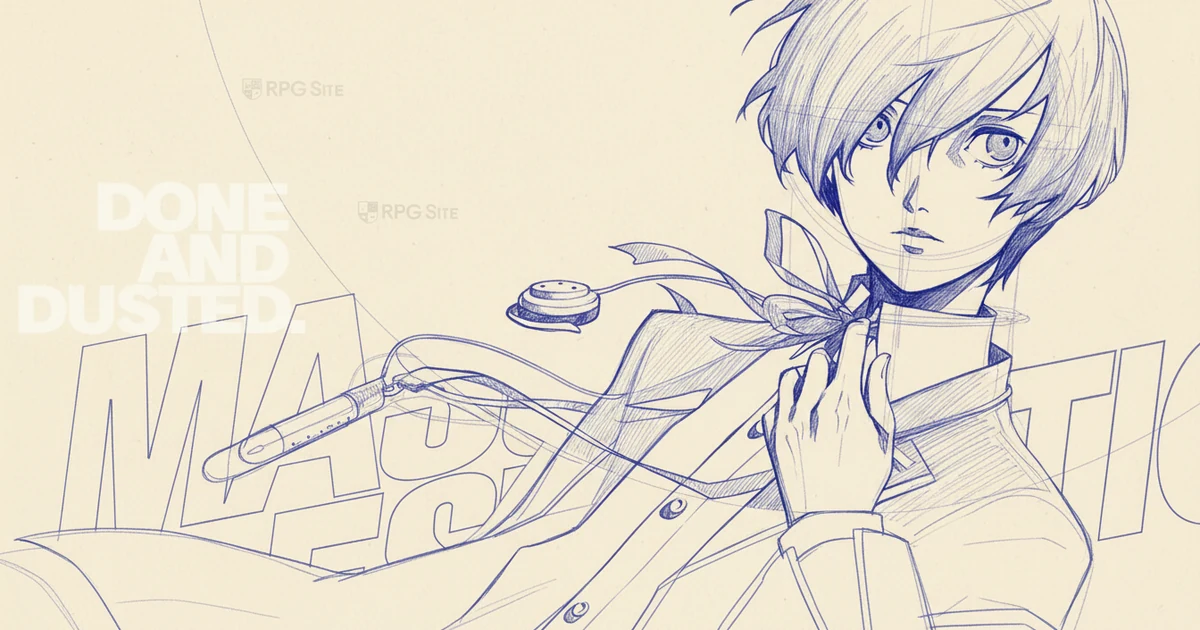
Persona 3 Reload is a genuinely excellent JRPG and the best way to experience the core Persona 3 story for most players. The combat is tighter, the presentation is striking, and the new social content adds real emotional weight. Buy it.
That said — and this is the part aggregated scores tend to flatten — Reload is not a definitive version of Persona 3. It replaces prior versions in some ways and omits content from them in others. If you come in knowing that distinction, you'll have a great time. If you come in expecting a complete synthesis of everything Atlus has ever released under the Persona 3 banner, you'll hit a wall fast. The tension between those two readings is what this review is actually about.
What Persona 3 Reload Actually Changes
Combat and Theurgy Skills
The single biggest structural change to Persona 3's gameplay is the Shift system. In vanilla P3 and FES, you couldn't directly control your party members — they operated on AI behavior settings. It was a deliberate design choice that created friction and sometimes maddening unpredictability in dungeons. Reload replaces that friction with the Shift mechanic: after landing a knock-down on an enemy, you can pass your turn to another party member and keep the pressure going. It's a chain system borrowed from Persona 5's Baton Pass, and it changes the combat's feel completely.
This is not a downgrade. The original's AI restriction was always its weakest mechanical element. Shift turns Tartarus from a slog into a rhythm. Boss fights especially benefit: you now have full tactical agency exactly when you need it.
Theurgy skills layer on top of this. Each party member builds a Theurgy meter through combat actions tied to their personality — Mitsuru builds hers by inflicting status ailments, Junpei by landing critical hits. When full, you can unleash a powerful character-specific skill. It's a reward loop that encourages leaning into each character's strengths, and it adds mechanical personality to party members who, in the original, were mostly distinguished by their Personas and not much else. Theurgy doesn't break the game's balance, but it makes extended dungeon runs feel more eventful.
Social Links and the New Linked Episodes
The core Social Link system from the original is intact and largely untouched — the calendar structure, the relationship-building, the stat gates. Reload doesn't reinvent this, which is the right call. What it adds are the Linked Episodes: entirely new social story sequences for the male SEES party members, including Akihiko, Shinjiro, Ken, Koromaru, and others. None of this content existed in any prior version of Persona 3.
The quality varies by character, but the best Linked Episodes — Shinjiro's in particular — recontextualize beats from the main story in ways that hit harder on a second playthrough. Koromaru's episode is the most surprisingly effective: a dog communicating almost entirely through behavior and reaction, written with more restraint than most JRPG emotional moments manage. These aren't filler cutscenes. They add real depth to characters who were previously background figures for large stretches of the game.
The female SEES members already had Social Links in the original, so they don't get Linked Episodes — which is a reasonable structural logic, even if Aigis mains might argue she deserved more screen time either way.
Where the Remake Stumbles
Let's be direct: Reload ships without The Answer, and it ships without the female protagonist.
The Answer is the epilogue campaign Atlus added in Persona 3 FES. It's a dungeon-focused, story-heavy chapter set after the main game's ending, and it resolves questions about SEES and the nature of the main character's fate that the base game deliberately leaves open. For FES veterans, that content is part of what Persona 3 is. It's not in Reload's base game. Atlus released it as paid DLC under the Expansion Pass — meaning if you want the complete story experience FES players got in a single purchase, you're paying extra on top of an already full-price tag. The Expansion Pass also bundles additional BGM packs and cosmetics, but The Answer is the meaningful content in it. Budget accordingly.
The female protagonist from Persona 3 Portable is simply absent. This is a deliberate creative decision, not an oversight. Atlus chose to build Reload around the male protagonist, which is the canonical throughline of the Persona 3 movies and most supplemental material. But Portable's female route isn't just a reskin — it includes a distinct set of Social Links (including a route with Ryoji that changes the emotional texture of the endgame entirely), and its overall tone reads differently because of how NPCs respond to her versus the male protagonist. That's a real loss. Players who came to Persona 3 through Portable and built their connection to the game through that route will find Reload missing the version of the story they love.
The DLC pricing structure compounds this. Reload at full retail is already a standard modern game price. The Expansion Pass on top of that, while not unusual for an Atlus release, means the cost of "all of Persona 3" in 2026 is higher than any prior version charged at launch.
Persona 3 Reload vs. the Original: Who Should Play Which
New to Persona 3 entirely: Reload is your entry point, full stop. Better combat, better presentation, the full core story, and the Linked Episodes as a bonus. Don't go hunting for a copy of FES first — start here.
Came in through Persona 3 Portable and love the female protagonist: Reload doesn't have her. Portable is still available on modern platforms and is worth playing in its own right for that route specifically. Reload complements it rather than replaces it.
Played FES and want The Answer included: Either factor the Expansion Pass into your budget upfront, or wait for a sale that brings both pieces into a comfortable price range. The base game without The Answer is missing the chapter FES players consider essential closure.
Played the original or FES and want the mechanical improvements without caring about omissions: Reload is a clear upgrade in feel and polish. The Shift system alone justifies revisiting Tartarus.
The honest framing is this — Reload is the best version of most of Persona 3. It is not the best version of all of Persona 3. Those are different products, and no Metacritic score is going to tell you which one you need.
PS5 Performance and the Technical Experience
On PS5, Reload runs at a locked 60fps with fast load times that make Tartarus feel less punishing than it ever has. Character models are sharp and expressive. The UI carries the same kinetic energy that made Persona 5's interface iconic while establishing its own darker blue-and-black aesthetic identity. DualSense implementation is present: trigger resistance and haptic feedback add texture to menu navigation and combat without feeling gimmicky. Load screens between floors in Tartarus are brief enough that the dungeon's repetitive structure becomes less noticeable.
PC via Steam is a comparable experience with the expected advantages in resolution headroom and framerates above 60 on capable hardware. The PS5 version is not a compromise — it's a polished release on modern hardware that makes the 2006 original feel like a different era entirely.
Is Persona 3 Reload Worth Buying in 2026?
Two years after its February 2024 launch, Reload has gone through multiple sales cycles. At full price — which for most regions still sits at standard AAA range — the base game alone is a fair ask if you're new to Persona 3 and just want the core story. The Linked Episodes and mechanical improvements justify the premium over simply emulating an old version.
At roughly half price or less, the base game is a straightforward buy for almost any JRPG player. The value calculus is easy even if you skip the Expansion Pass.
The Expansion Pass is trickier. If you're a returning fan who needs The Answer for a complete experience, wait for a sale that bundles both, or buy the pass when it dips. Paying full price for both simultaneously is where Reload's pricing structure feels hardest to defend.
The skip scenario is narrow: if you played Portable specifically for the female protagonist, and that route is your Persona 3, Reload won't give you what you're looking for. It's not a bad game — it's just not your game.
I've played both the original versions and Reload all the way through. Reload earns its place as the standard recommendation for new players and a strong revisit for returning fans who prioritize mechanical quality over complete content parity. It's not the definitive Persona 3 — but it is a great one.
If you're deciding what to play next in the Persona series or the broader JRPG canon, the rankings and reviews at Icicle Disaster cut through the noise. No aggregated scores, no press-access caveats — just experience-backed calls from someone who has played them all.