
You don't need to play a hundred JRPGs to understand the genre. You need five. The right five, in the right order, each one teaching you something the others don't — and by the time you finish all five, you'll know exactly what kind of JRPG player you are, what you value most in the genre, and where to go next. This isn't a "best of" list. It's a curriculum. I designed it so that each game builds on what the previous one introduced, and by game five, you'll have experienced every major thing JRPGs do well. Two hundred hours total. Zero wasted time. Here's your starter pack.
Game 1: Chrono Trigger — Learn What JRPGs Are (20 hours)
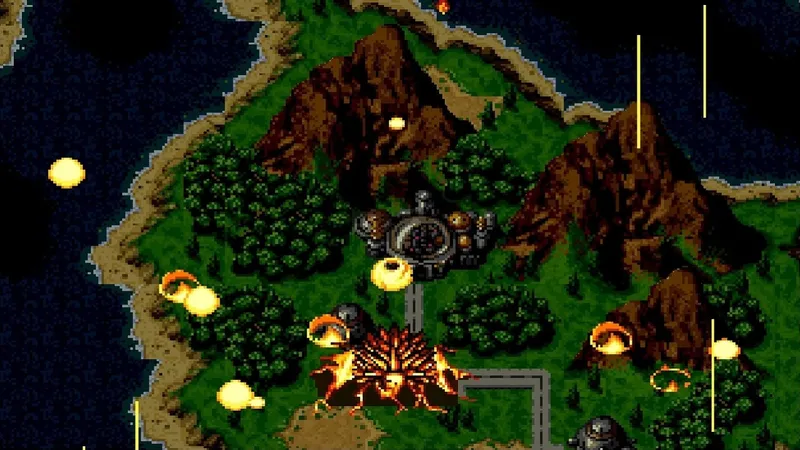
You start here because Chrono Trigger teaches you the grammar of the genre in twenty hours without ever feeling like a lesson. Turn-based combat — you pick attacks from a menu, enemies take turns, timing and party composition matter. An overworld map — you travel between towns, dungeons, and story events. Character progression — you gain experience, learn new abilities, and get stronger. Equipment management — swords, armor, accessories that change your stats. Story structure — a quest that starts small (go to a fair) and escalates into saving the world.
Every JRPG does these things. Chrono Trigger does all of them in a package so tight that there's no grinding, no filler, no moment where you're bored and wondering when it gets good. It's good from minute one. The Dual Tech system — where two party members combine abilities for unique attacks — teaches you that party synergy matters more than individual strength. The time-travel mechanic teaches you that JRPGs can do things with narrative structure that other genres can't. And the thirteen different endings teach you that your choices can genuinely change outcomes. Twenty hours. No padding. The perfect first JRPG. Available on Steam, Switch, DS, and mobile.
Game 2: Final Fantasy X — Learn Why JRPGs Make You Feel (60 hours)
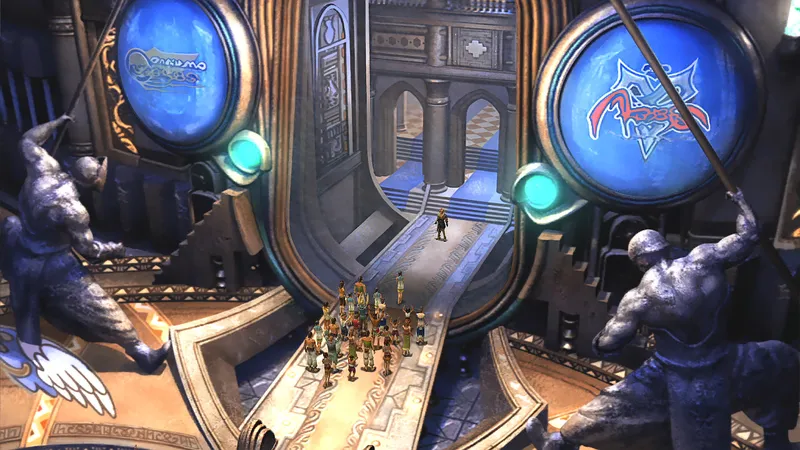
Chrono Trigger taught you the mechanics. Final Fantasy X teaches you why people play JRPGs for a hundred hours and cry at the end. The Conditional Turn-Based system is the most readable combat in the franchise — a timeline shows you exactly who acts when, and every decision has visible consequences before you commit. The party swap mechanic lets you rotate all six characters mid-battle, which means nobody gets benched and everyone feels useful. The Sphere Grid makes leveling visible — you physically move nodes along a board, choosing stats and skills.
But the reason FFX is game two in this pack isn't the combat. It's the feeling. Tidus and Yuna's pilgrimage is a story that builds emotional weight over sixty hours by making you walk alongside characters whose fates you gradually realize are predetermined. Every campfire scene, every temple visit, every quiet moment between the two of them is building toward something devastating. FFX teaches you that JRPGs earn their emotional payoffs through time — not through cutscene spectacle, but through the accumulated hours you spend with people you grow to care about. No other medium does this the way a sixty-hour JRPG does. That's the lesson. HD Remaster on every platform.
Game 3: Persona 5 Royal — Learn That JRPGs Can Be Anything (100 hours)
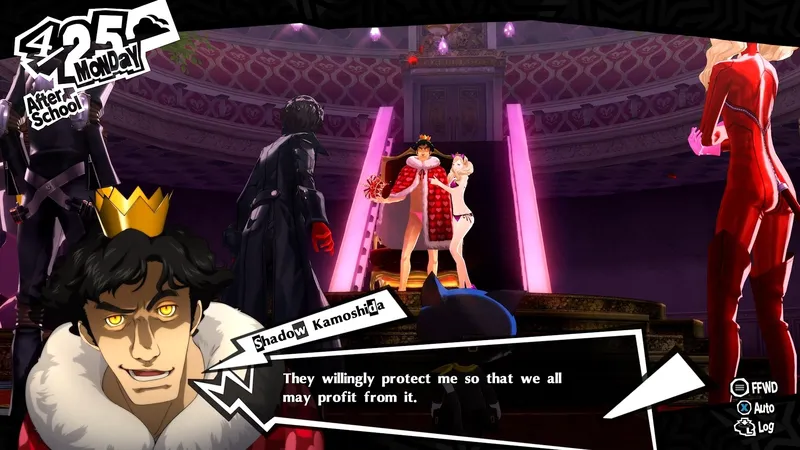
After Chrono Trigger's efficiency and FFX's emotional depth, Persona 5 Royal blows the doors open on what a JRPG can contain. Half the game is a turn-based dungeon crawler where you exploit enemy weaknesses, collect Personas through negotiation, and fuse them into stronger forms. The other half is a life simulator: attend school, study for exams, work part-time jobs, hang out with friends, romance a partner, build confidant relationships that unlock combat abilities. The two halves feed each other — spend time with your party members and they become stronger in battle. Get stronger in battle and you unlock more time to spend with people.
P5R teaches you that JRPGs aren't just combat games with stories attached. They're life games — simulations of time, choice, and the way relationships shape who you become. The Maruki semester (Royal's exclusive content) is among the best twenty hours in any JRPG, adding a villain whose philosophy is genuinely tempting and an ending that asks whether happiness given is the same as happiness earned. A hundred hours sounds intimidating, but P5R is structured so that each day feels complete — a session of school, a dungeon trip, a hangout with Ryuji, bedtime. You don't notice the hours. You live them. All platforms.
Game 4: Tales of Berseria — Learn That Combat Can Be the Point (50 hours)
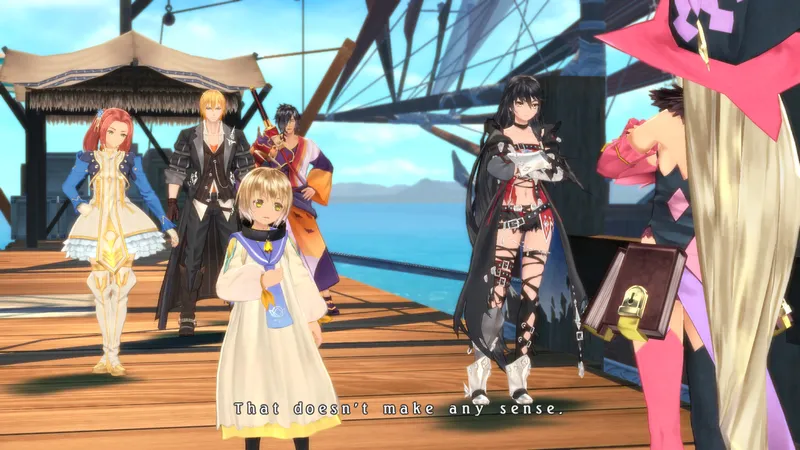
Three games in and everything you've played has been menu-based — select attack, select target, watch it happen. Tales of Berseria changes that. Combat is real-time: you move, dodge, chain attacks called Artes into combos, manage a Soul Gauge that rewards aggression, and swap between party members who each play differently. It's closer to a fighting game than a menu simulator, and it teaches you that "JRPG combat" isn't one thing — it's a spectrum from chess-like strategy to arcade-like action.
Berseria is game four because its story also adds something the previous three didn't: moral ambiguity. Chrono Trigger is heroic. FFX is tragic. Persona 5 is rebellious. Berseria is angry. Velvet Crowe isn't saving the world — she's burning it down to get revenge on the man who murdered her brother, and her party isn't a group of friends. They're criminals using each other. The villain genuinely believes he's right. The game doesn't fully disagree. After three games of clear heroes, Berseria teaches you that JRPGs can put you in the shoes of someone who isn't good — and make you root for them anyway. Fifty hours, no wasted arcs. Steam, PlayStation.
Game 5: Dragon Quest XI S — Graduate with the Genre's Best (80 hours)
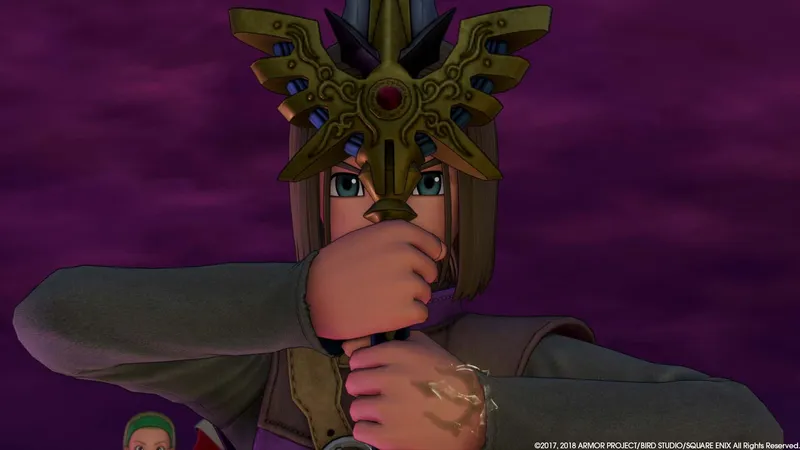
Dragon Quest XI S is the graduation ceremony. By the time you reach game five, you've learned turn-based fundamentals (Chrono Trigger), emotional storytelling (FFX), life simulation integration (P5R), and action combat (Berseria). DQXI S brings you back to tradition — turn-based combat, a silent hero, Akira Toriyama art, a world that rewards exploration — and executes it at the highest level the genre has ever achieved.
The reason it's last is that DQXI S is better when you've played other JRPGs first. The Act 2 gut-punch hits harder when you've experienced FFX's emotional structure. The party dynamics feel richer after Persona 5's confidant system trained you to pay attention to character relationships. The traditional combat feels like a conscious choice rather than a limitation when you've played Berseria's action system. And the post-game — Act 3, which recontextualizes the entire story — rewards the kind of investment that only a veteran of the genre understands.
DQXI S is the best traditional JRPG on the market. Play the Definitive S edition for 16-bit 2D mode, orchestral music, and extra character stories. It's on Steam, PlayStation, Switch, and Xbox. When you finish it, you're not a beginner anymore. You're a JRPG player. Welcome.
The Curriculum at a Glance
Game 1: Chrono Trigger (20 hrs) → teaches mechanics, efficiency, zero filler. Game 2: Final Fantasy X (60 hrs) → teaches emotional investment, character attachment. Game 3: Persona 5 Royal (100 hrs) → teaches genre breadth, life sim, time management. Game 4: Tales of Berseria (50 hrs) → teaches action combat, moral ambiguity. Game 5: Dragon Quest XI S (80 hrs) → graduation, tradition perfected, everything comes together.
Total: roughly 310 hours across five games. That sounds like a lot — but spread across months, it's one game at a time, each one different enough from the last that fatigue never sets in. And when you're done, you'll know exactly what you want next. Love the combat? → try job system games. Love the stories? → try games that make you cry. Love the worlds? → try the Trails series. Love everything? → try the best RPGs of all time. The genre's been waiting for you. Go play.
All images are official screenshots from their respective publishers and developers. Published March 28, 2026.