
Someone on Reddit asks "what's the difference between a JRPG and a WRPG?" and the comments immediately split into three camps: people who say it's about country of origin, people who say it's about design philosophy, and people who say the distinction doesn't matter anymore. They're all partially right and completely unhelpful. I've been playing both for twenty-five years — Final Fantasy and Baldur's Gate, Dragon Quest and The Witcher, Persona and Mass Effect — and the difference is real, but it's not where most people think it is. It's not about Japan versus the West. It's about two fundamentally different answers to the question: who is the protagonist?
For platform-specific JRPG guides, see PS5, Switch, Steam, Xbox, PS4, PS2, PS1, SNES, PSP, GBA, DS, 3DS, and Vita. The JRPG tier list ranks games cross-platform, and the best RPGs of all time covers the genre's peaks.
The Core Split: Your Character vs. Their Character
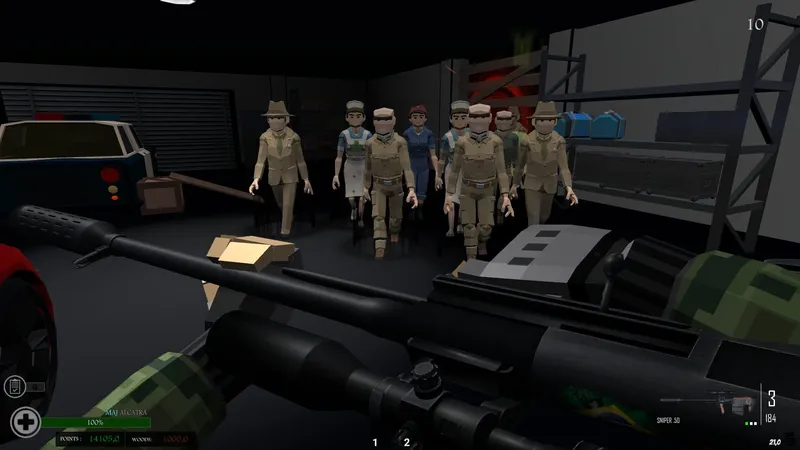
In a WRPG, you make the protagonist. You choose their face, their class, their name, their moral alignment. Commander Shepard looks different in every player's game. The Dragonborn is whoever you decide they are. Your Tav in Baldur's Gate 3 might be a noble paladin or a chaotic tiefling sorcerer — and the game accommodates both with branching dialogue, faction reputation, and endings that reflect your accumulated choices. The fantasy is authorship: you're writing a character into a world that responds to your decisions.
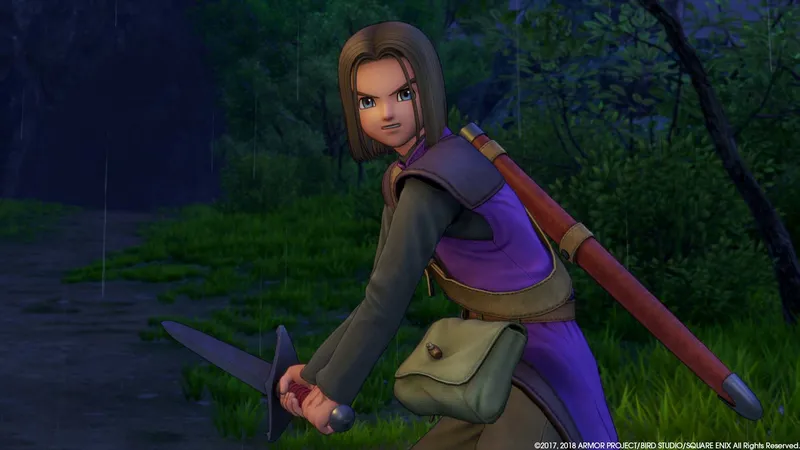
In a JRPG, you play someone else's character. Cloud Strife is Cloud Strife in every playthrough. Tidus has a face, a voice, a personality, and a backstory you didn't choose. The Luminary in Dragon Quest XI is silent, but his journey is predetermined — he visits the same towns, fights the same bosses, and reaches the same emotional beats regardless of who's holding the controller. The fantasy isn't authorship. It's empathy: you're inhabiting a character whose story is already written, and the game asks you to care about their journey rather than create your own.
This is the fundamental split. Everything else — combat design, art style, storytelling structure — flows from this core difference in what "role-playing" means.
Combat: Strategy vs. Build Expression
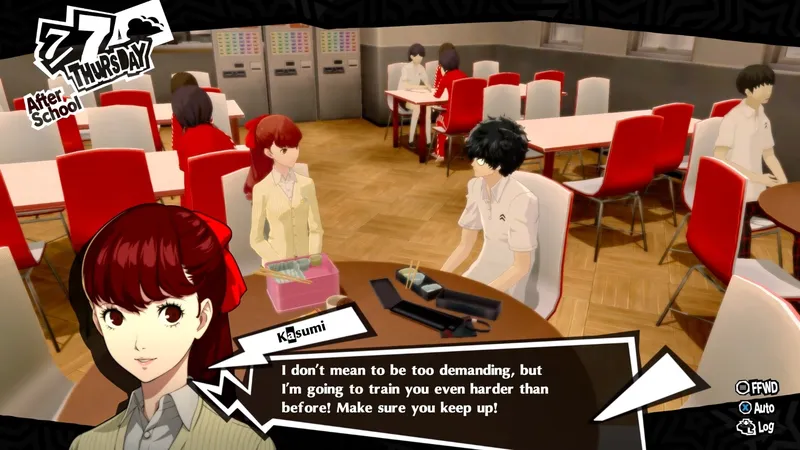
JRPG combat is typically party-based: you control a team of three to six characters, each with defined roles (healer, tank, damage dealer, support). Battles revolve around exploiting enemy weaknesses, managing resources across multiple characters, and executing synergies between party members. Persona's One More system rewards hitting weaknesses with extra turns. Turn-based systems like Dragon Quest give you time to think. Action JRPGs like Tales of Arise play more like fighting games with RPG progression. The party is the unit. Individual characters contribute to a collective strategy.
WRPG combat is typically build-based: you invest points into skill trees, choose equipment that synergizes with your playstyle, and express your character through how they fight. A stealth archer in Skyrim plays nothing like a destruction mage — same game, entirely different experience. Baldur's Gate 3's D&D rules let you combine classes, spells, and environmental interactions in ways the developers didn't explicitly design. The Witcher 3's combat is action-focused but shaped by your alchemy, sign, and sword skill investments. The individual build is the unit. Your character's identity is expressed through mechanical choices.
Neither approach is better. JRPGs give you deeper party dynamics — the interplay between six characters' abilities creates tactical puzzles that single-character builds can't replicate. WRPGs give you deeper personal expression — the feeling that your character fights the way YOU decided they should, not the way the designer dictated.
Story: Authored Narratives vs. Emergent Ones
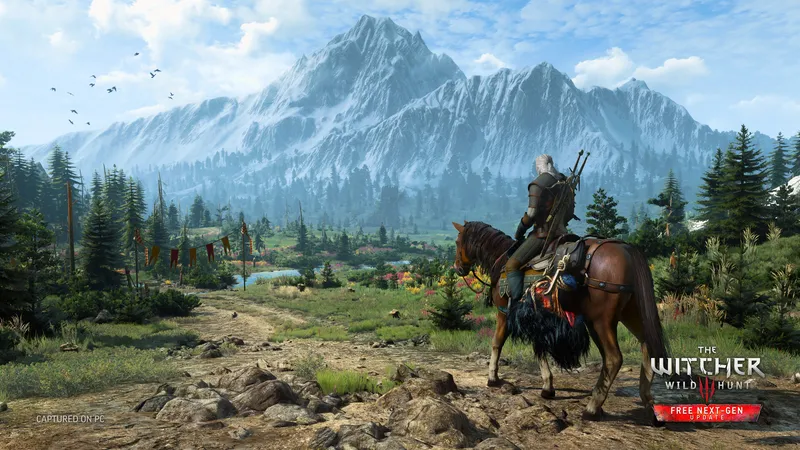
JRPG stories are authored. A writing team created a specific narrative with specific beats, and your job as a player is to experience it. Final Fantasy X's pilgrimage has a fixed destination. Persona 5's phantom thieves will always fight the same villains. The emotional power comes from craftsmanship — how well the writers build to a climax, how effectively the music and direction create atmosphere, how deeply you connect with characters whose arcs are predetermined. When a JRPG story works, it works like a great novel: you didn't write it, but you lived inside it for sixty hours, and the experience belongs to you.
WRPG stories are frameworks. The writers create a world, establish conflicts, and give you tools to work through them — but the specific path is yours. The Witcher 3's Bloody Baron questline has multiple resolutions, each with different consequences. Mass Effect's Renegade/Paragon system creates a version of Shepard that's uniquely yours. Baldur's Gate 3's branching is so dense that most players see entirely different Act 3 storylines. The emotional power comes from agency — the feeling that you shaped this story, that your choices mattered, that this particular version of events happened because of decisions you made.
The tradeoff is precision versus ownership. A JRPG can deliver a perfectly paced emotional climax because the writers control every variable. A WRPG can make you feel responsible for outcomes because the narrative bends to your input. Both are "role-playing." They're just playing different roles — passenger versus driver.
Progression: The Level-Up Dopamine
Both genres give you experience points and levels, but they use progression differently. JRPGs tend toward linear power curves — you fight monsters, gain EXP, unlock abilities in a predictable order, and the game's difficulty is tuned around an expected level range. The satisfaction is in watching numbers climb: damage goes from hundreds to thousands to tens of thousands. Job systems add lateral progression (choosing which abilities to learn) but the vertical growth is always upward. You're always getting stronger. The game always gets harder to match.
WRPGs tend toward horizontal power curves — your character doesn't just get stronger, they get different. Putting points into persuasion in Fallout opens dialogue options that combat builds can't access. A BG3 wizard at level 12 isn't just a stronger wizard than at level 1 — they've become a fundamentally different character with different capabilities, different approaches to problems, and different relationships with the world. WRPG progression is about identity expression. JRPG progression is about power fantasy. Both are addictive for different reasons.
Where the Lines Blur (And Why That's Good)
The 2020s have made the distinction messier than ever — and that's the best thing happening in RPGs. Fire Emblem: Three Houses is a JRPG with WRPG-style branching (four routes with radically different stories based on which house you choose). Yakuza: Like a Dragon is a JRPG with a WRPG-style open world set in modern Japan. Elden Ring is a WRPG with JRPG-style boss design and FromSoftware's Japanese development sensibility. Genshin Impact is a Chinese game with JRPG aesthetics, WRPG exploration, and gacha monetization from mobile gaming.
Dragon's Dogma 2 has a Japanese director making a game that plays like a Western open-world RPG. Xenoblade Chronicles has MMO-style combat in a JRPG framework. Divinity: Original Sin 2 has turn-based tactical combat that feels closer to Final Fantasy Tactics than to Skyrim. The boundaries are permeable, and the best modern RPGs steal freely from both traditions without worrying about which label applies.
So Which Should You Play?
If you want to be the author of your own story, start with WRPGs. Baldur's Gate 3 is the gold standard in 2026 — it gives you more creative freedom than any RPG ever made. The Witcher 3 is the best story-driven WRPG if you prefer a defined protagonist with meaningful choices. Skyrim is the purest open-world sandbox if you want total exploration freedom.
If you want to experience someone else's story and feel something profound along the way, start with JRPGs. Persona 5 Royal is the modern gateway. Dragon Quest XI S is pure comfort. The full starter pack takes five games and three hundred hours to give you complete genre literacy.
If you want both — play both. The best RPG players aren't loyal to one tradition. They're fluent in two languages of the same art form, and they switch between them the way bilingual people switch between tongues: effortlessly, depending on what they need to say. JRPGs and WRPGs aren't competitors. They're siblings who grew up in different countries and learned different ways to tell the same kind of truth: that inhabiting another life — whether you authored it or not — is one of the most powerful things a game can offer.
All images are official screenshots from their respective publishers and developers. Published March 28, 2026.
The battle systems ranking analyzes combat design, the soundtracks ranking covers the music, and the JRPG meaning guide explains the genre's roots. For shorter RPGs under 20 hours, that guide has options. The 2026 recommendations page has fresh picks.